
Review · THAILAND CAVE TOURS
Krabi: Tour of Elephant Care House and Tiger Cave Temple
Elephants and temple views make a strong pairing. This Krabi day trip combines close contact with elephants at the foot of Phanom Bencha mountain range and a demanding climb to Tiger Cave Temple. I like the chance to feed the elephants, walk beside them, and watch them take muddy baths. I also like that the price includes round-trip transport, fruit, drinking water, and a Thai-style lunch.
The main consideration is the Tiger Cave Temple climb. The route has 1,237 steps, and the ascent is steep, hot, and sweaty. The elephant portion is gentle and hands-on, but the temple visit requires real effort, so this outing suits you best if you want an active day rather than a relaxed sightseeing loop.
Key Points Before You Book
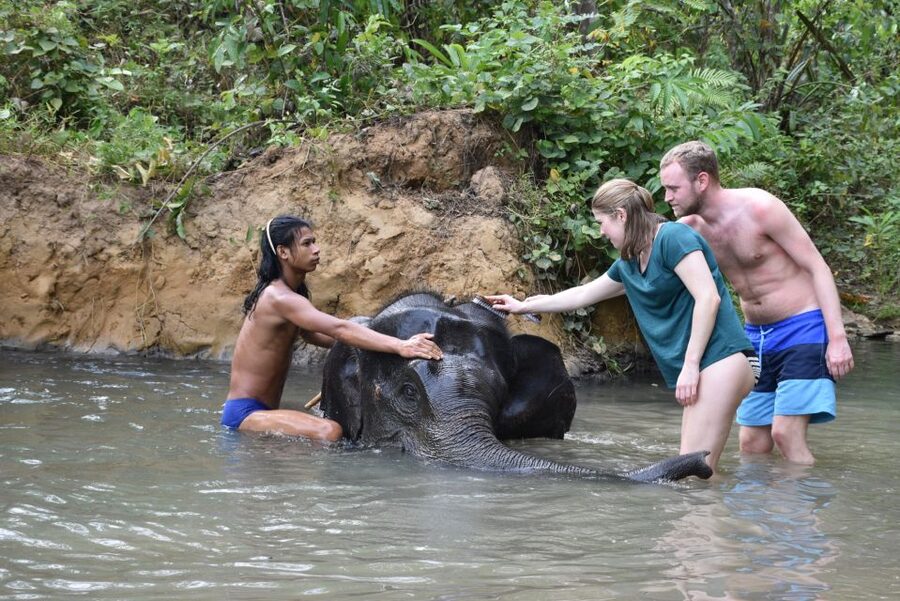
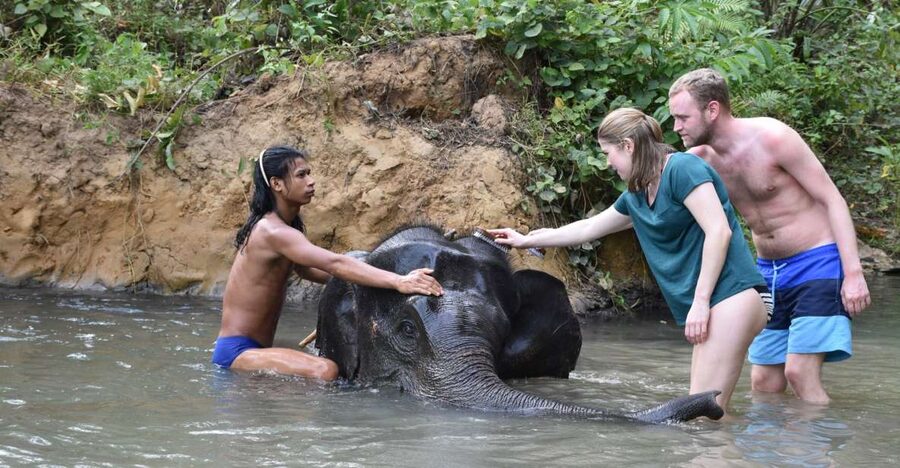
- Feed and bathe elephants: You can offer them pineapples, bananas, vitamins, and medicine, then brush them while they play in the water.
- No elephant riding: The sanctuary does not offer riding activities, which keeps the visit focused on feeding, walking, bathing, and observing.
- Phanom Bencha setting: Forest, streams, waterfalls, caves, and mountain air give the elephant visit a natural backdrop.
- Thai lunch is included: Fruit, drinking water, and a freshly prepared Thai-style lunch help make this a full-day outing.
- Tiger Cave Temple has 1,237 steps: The reward is a 360-degree view across Krabi’s limestone formations and coastal area.
- Guides can speak three languages: English, Chinese, and Thai are offered, with guides such as Cookie and Yaya praised for their warmth and care.
Why This Krabi Day Trip Works
Many Krabi excursions focus on beaches and boats. This one takes you inland, where the scenery changes from coast to forest and mountain. The first half centers on elephants, while the second adds a cultural site and a physical challenge.
I like that the two parts feel different. At the Elephant Care House, the pace is slow. You feed the animals, watch their behavior, and spend time near the stream. At Tiger Cave Temple, the pace is your own, but the climb asks for stamina.
The published price is $77 per person. That is not the cheapest way to see elephants, but the cost includes transfers, a multilingual guide, lunch, fruit, drinking water, elephant feeding, and basic accident insurance. If you value a planned outing with transport arranged, the package offers solid value.
The ethical side also matters. The sanctuary does not offer riding. The elephants belong to local people and are treated as part of the family, according to the experience description. You should still pay attention to how the animals behave and follow the guide’s directions, but the activities listed here focus on feeding, walking, brushing, and water play rather than performance.
A few more cave trips around Thailand worth a look
- Phang Nga Bay Sea Cave Canoeing & James Bond Island by Big Boat
★ 5.0 · 4,666 reviews - Krabi: Tiger Cave Temple, Emerald Pool and Hot Springs Tour
★ 4.8 · 3,616 reviews - Krabi: Tiger Cave, Hot Springs and Emerald Pool Jungle Tour
★ 4.2 · 2,643 reviews
A Short Ride to Phanom Bencha
Pickup details depend on the option you book, but the drive to Krabi Elephant Care House takes about 15 minutes. That short transfer is useful if you are staying in the Krabi area and do not want to spend half your day in a vehicle.
The sanctuary sits near Phanom Bencha mountain range. The area reaches 1,397 meters above sea level and includes forests, waterfalls, streams, and caves. The setting gives the visit more character than a simple animal enclosure. You are not only standing beside elephants, but also moving through a green mountain environment with water close by.
A multilingual guide meets you on arrival. The first part is educational in a practical way. You learn about elephant behavior, diet, and the individual stories of the animals. That introduction helps you read the animals more carefully. You begin to see the difference between feeding an elephant quickly for a photograph and spending time watching how it responds.
Guides named Cookie and Yaya received especially warm praise. Cookie was noted for her knowledge of the animals and her kind manner, while Yaya helped make the close-up experience memorable. Guide quality matters here because the animals are large, strong, and unpredictable in small ways. Clear instructions make the interaction safer and more relaxed.
Feeding Elephants Pineapple and Bananas
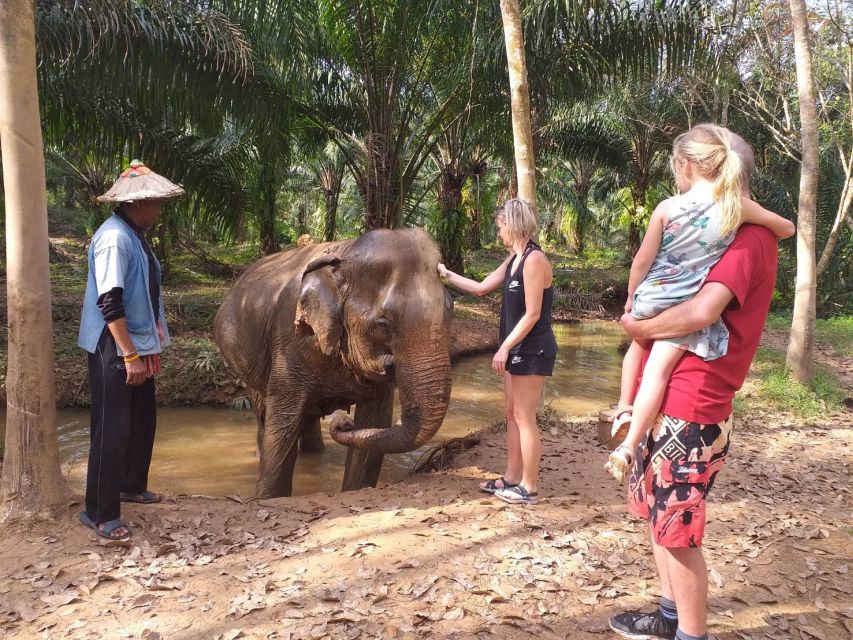
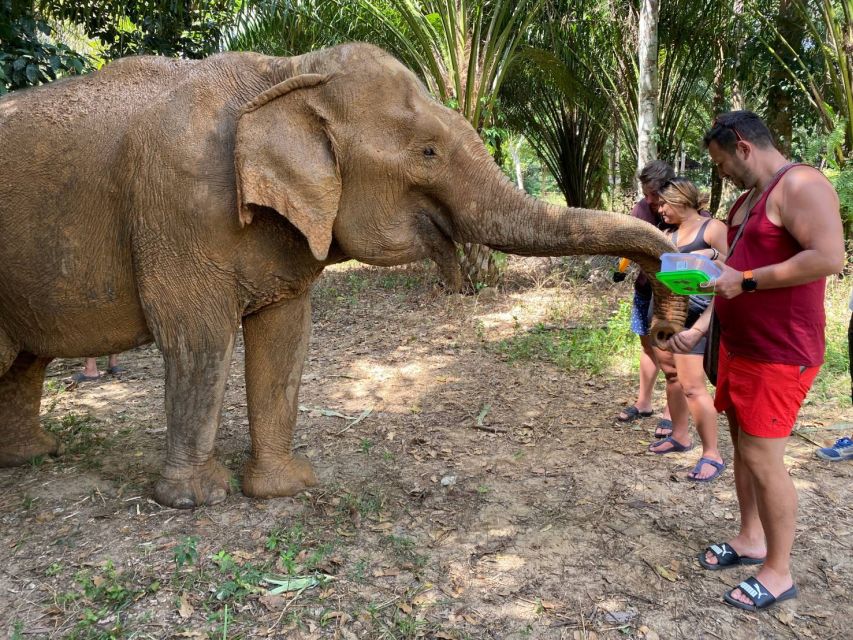
Feeding is one of the easiest parts of the visit for almost anyone to enjoy. You are given fruit and can offer pineapples and bananas to the elephants. Vitamins and medicine are also part of the feeding routine, giving you a glimpse of the less glamorous side of animal care.
The food helps you notice how the elephants use their trunks. You can watch them reach, smell, and take food with surprising precision. It is a simple activity, but it creates a direct connection without asking the animals to perform tricks.
I would keep your camera ready, but do not let photography take over. The best moments may be short: an elephant reaching toward a piece of fruit, turning toward the stream, or responding to the guide. Sunglasses and sunscreen are useful here, as are insect repellent and a sun hat.
The experience is described as hands-on, but you should follow the guide’s instructions about where to stand and how to approach. Elephants are gentle in many situations, yet they are still powerful animals. A respectful distance and calm movements are part of a good visit.
Walking Beside the Elephants at the Stream
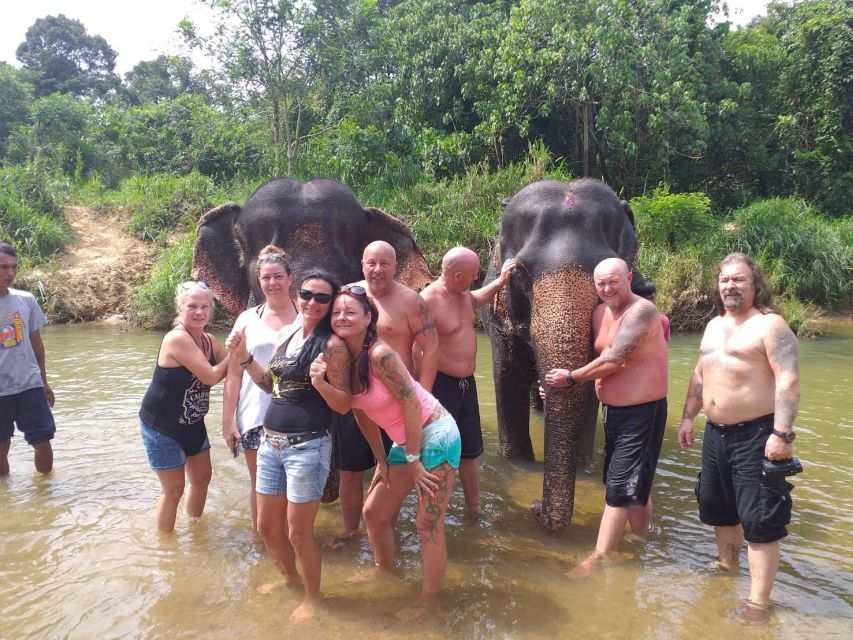
After feeding, you walk with the elephants along a stream. This is where the mountain setting becomes part of the activity rather than just a backdrop.
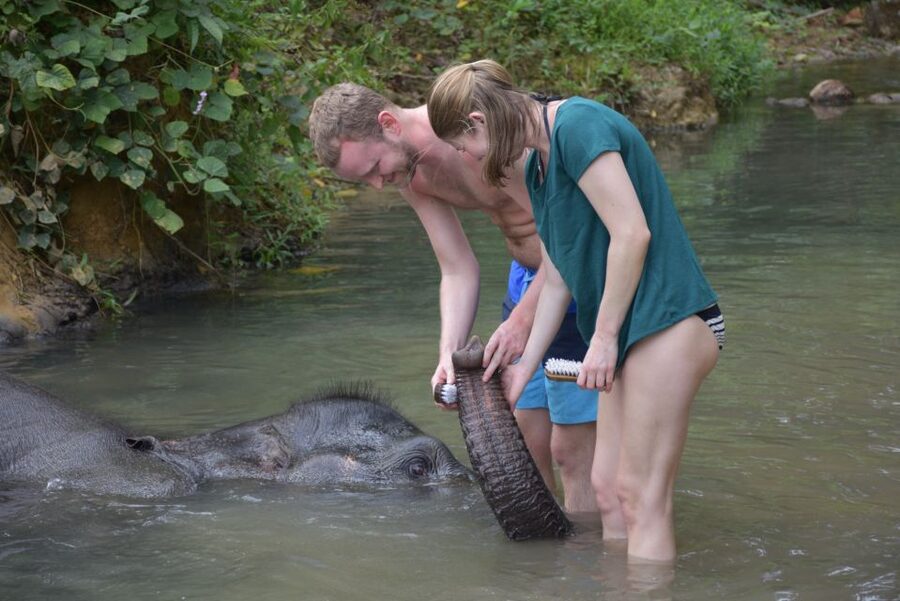
The stream provides a natural place for the elephants to cool off. You can join them in the water, depending on the flow and the guide’s directions, and watch as they splash and play. The water portion was the favorite part for several people, especially seeing the elephants take a muddy bath.
Mud is not just comic elephant behavior. It helps the animals cool their bodies and coat their skin. You may watch them cover themselves, roll or splash, and then brush them while they enjoy the water.
Bring swimwear and a complete change of clothes. You should also wear comfortable shoes that can handle a wet outdoor setting. Large bags and luggage are not allowed, so bring only a small set of useful items. A camera is welcome, but protect it from water and mud.
This part can be messy. That is the point. If you want a spotless, polished animal encounter, this will not be the right style of outing. If you like getting wet, standing near a stream, and seeing animals behave naturally, it is one of the strongest reasons to book.
Same corner of the map, a different way in:
- Hong by Starlight: Sea Cave Kayaking and Loy Krathong Floating
★ 5.0 · 1,215 reviews - Chiang Mai: Bua Thong Sticky Waterfall & Huge Cave & Buffet
★ 4.8 · 1,049 reviews - Koh Lanta: 4 Islands, Emerald Cave & Koh Kradan by Longtail
★ 4.4 · 766 reviews - Full-Day Temple Tour Including Dragon Cave from Khao Lak
★ 4.8 · 696 reviews
Lunch Under the Mountain Air
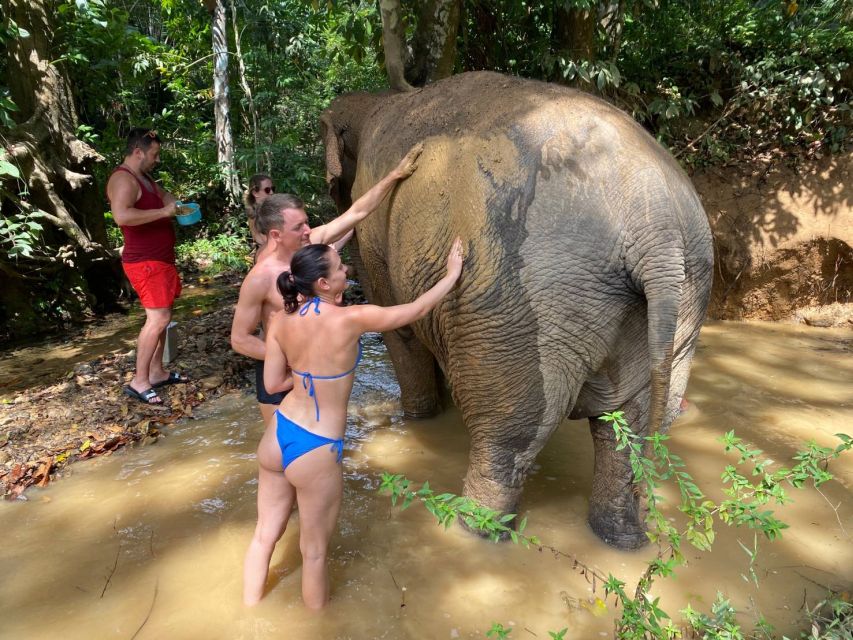
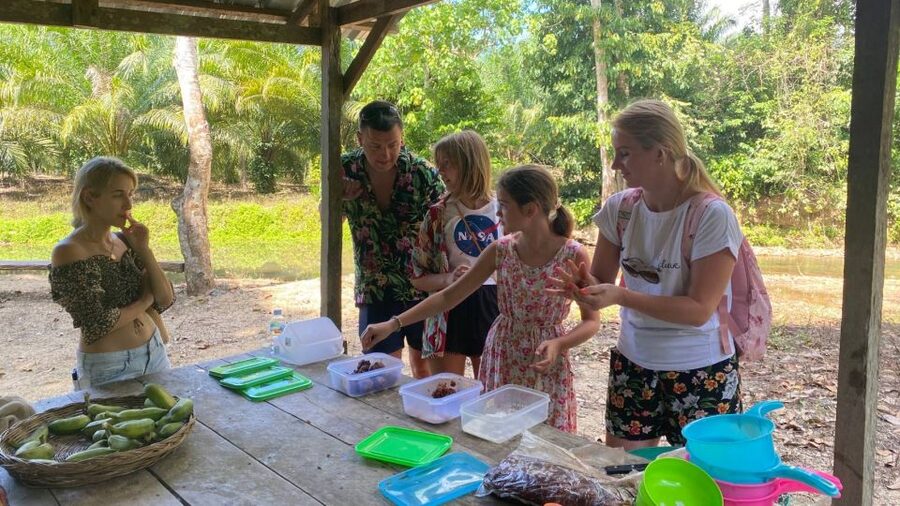
After the elephant activities, you receive a Thai-style lunch at the sanctuary. Fruit and drinking water are included as well.
The meal matters because the first part of the day involves walking, standing, heat, and water. Having lunch already arranged means you do not need to leave the sanctuary searching for food. It also gives you a chance to dry off and recharge before the temple climb.
The exact dishes are not specified, so you should not book this expecting a particular menu. The useful point is that a freshly made Thai-style meal is included in the day’s price. If you have dietary restrictions, ask about them before booking, since no special meal information is provided.
I like the rhythm of this stop. The elephant visit is active but unhurried, and lunch creates a natural break before the much more demanding temple section.
Tiger Cave Temple and the 1,237-Step Test
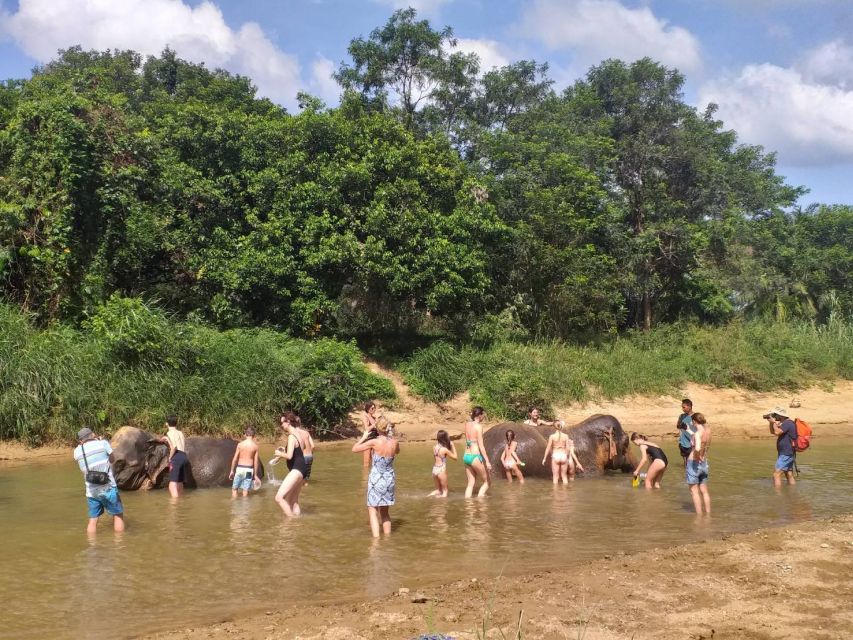
The visit to Tiger Cave Temple changes the mood completely. This is a sacred site known for its steep climb, and the route to the top has 1,237 steps.
Do not underestimate that number. The climb is described as exceedingly steep, sweaty, and strenuous. You should wear comfortable shoes, carry sunscreen, and bring drinking water. The included water is useful, but do not assume that the climb will feel easy because the temple follows a relatively relaxed elephant visit.
The reward is a 360-degree panorama over Krabi. From the top, you can see limestone formations and the coastal area spread out below. The view gives you a broader sense of the region, connecting the forest and mountain setting from the morning with Krabi’s dramatic rock formations and coast.
The climb is not only about reaching a viewpoint. Tiger Cave Temple is a sacred place, so dress and behave respectfully. The supplied information does not set out a specific dress code, but modest, practical clothing is a sensible choice for any temple visit. Your shoes should be suitable for both the stairs and the earlier stream activity.
If the full climb is beyond your comfort level, the day may feel uneven. The tour description does not provide an alternative route or a separate activity for people who skip the summit. That is an important point to consider before you reserve.
Once at the top, take time to catch your breath and enjoy the view. The return descent also requires care, especially if your legs are tired. The experience does not give a precise total duration, so plan for a substantial outing rather than a quick temple stop.
The Main Pros and Cons
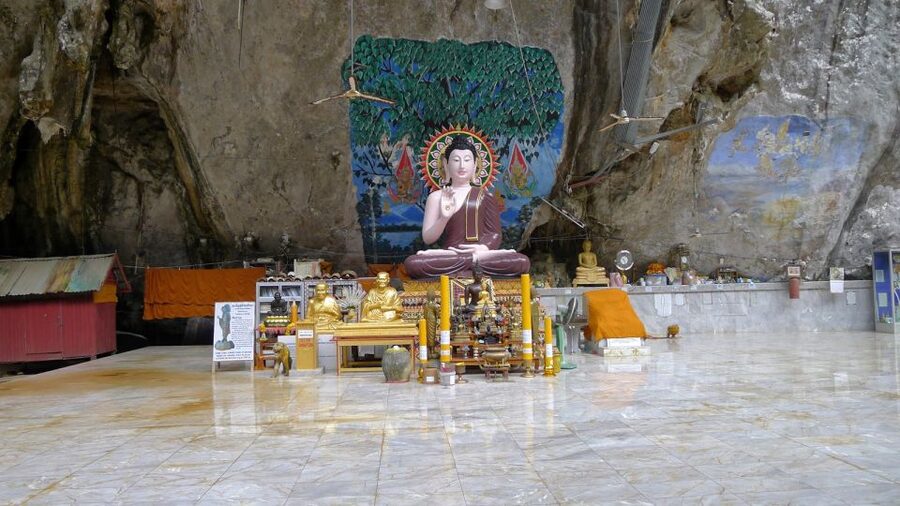
The biggest strength is the time spent with the elephants. This is not simply a brief photo stop. You learn about their behavior and stories, feed them, walk beside them, watch them bathe, and brush them in the water.
The absence of riding is another positive feature for people who want a more animal-focused experience. The listed activities center on care and contact rather than carrying visitors or staging a show.
The natural setting adds value. Forest, streams, waterfalls, caves, and mountain air make the visit feel connected to the place. The elephants are not presented as a single attraction detached from Krabi’s countryside.
The best guide can shape the whole morning. Cookie and Yaya were singled out for their warmth, and you can ask whether one of them is available, though a specific guide cannot be guaranteed from the information provided.
The main weakness is the combination of wet animal activities and a hard temple climb. You need to pack for both. Wet swimwear and muddy shoes are fine at the sanctuary, but you will want a dry change of clothes and footwear that remains comfortable for 1,237 steps.
The other consideration is that close animal contact is not for everyone. Some people enjoy watching elephants more than touching or bathing them. If you prefer a quiet wildlife observation experience, this may feel too interactive.
What to Pack for Both Halves
Keep your packing light. Large bags and luggage are not allowed, and you will be moving between transport, forest, stream, lunch, and temple stairs.
Bring:
- Comfortable shoes
- Swimwear and a change of clothes
- Sunglasses and a sun hat
- Sunscreen and insect repellent
- A camera
- Drinking water
The most important items are probably your shoes and dry clothes. Comfortable shoes help with the stream walk and temple ascent. Swimwear keeps the water portion simple, while a change of clothes prevents the second half from becoming uncomfortable.
You should also protect your camera or phone around the water and mud. The experience includes close contact with elephants in a stream, so wet equipment is a real possibility.
Who Should Book This Experience?
I would recommend this trip to you if you want more than a beach day and like a mix of nature, animal care, culture, and exercise. It suits couples, families with older children, and active visitors who can manage a steep climb.
It is especially good for people who want to avoid elephant riding. The focus is on feeding, walking, bathing, brushing, and learning about the animals.
You should think twice if you dislike getting wet or muddy, have difficulty with steep stairs, or want a slow day with little physical effort. The elephant section may be gentle, but Tiger Cave Temple changes the demands of the outing.
The $77 price makes the most sense if you use the included parts: round-trip transfer, multilingual guide, lunch, fruit, water, elephant feeding, and insurance. Booking transport and a separate elephant experience could cost more and would require extra planning, but the value depends on how much you want the convenience of one organized day.
Flexible booking also helps. You can reserve and pay later, and cancellation is allowed up to 24 hours before the activity for a full refund. Meeting points vary by the option selected, so check the pickup information carefully before setting out.
Should You Book the Elephant Care House and Tiger Cave Temple?
Book it if you want meaningful elephant contact without riding, a forest setting, a Thai lunch, and one of Krabi’s toughest viewpoints in the same day.
The strongest part is the elephant visit, especially the stream walk, muddy bath, and relaxed time with the animals. The temple climb adds a memorable reward, but it is not a minor add-on. You need comfortable shoes, modest practical clothing, water, and enough energy for 1,237 steps.
For an active day with a clear mix of nature and culture, I think the $77 package is a good choice. For a purely restful holiday outing, choose something gentler.
FAQ
How much does the Krabi Elephant Care House and Tiger Cave Temple tour cost?
The price is $77 per person. Round-trip transfer, drinking water, fruit, a Thai-style lunch, elephant feeding, a multilingual guide, and basic accident insurance are included.
Does the experience include elephant riding?
No. The sanctuary does not offer elephant riding. The activities include feeding, walking with the elephants, bathing, brushing, and observing them in the water.
How many steps lead to the top of Tiger Cave Temple?
The ascent has 1,237 steps. It is described as steep, sweaty, and demanding, with panoramic views over Krabi from the top.
What languages are available with the guide?
Guiding is available in English, Chinese, and Thai. Guides named Cookie and Yaya have been praised for their friendly and caring approach.
What should I bring?
Bring comfortable shoes, sunglasses, a sun hat, swimwear, a change of clothes, a camera, sunscreen, and insect repellent. Large bags and luggage are not allowed.
Is lunch included?
Yes. The experience includes a Thai-style lunch set, along with fruit and drinking water.
Just added around Thailand
- Chiang Dao Cave Trekking Small Group Tour – Full Day★ 5.0 · 24 reviews
- Private tour Chiang Dao cave ,Temples,Sticky waterfall★ 5.0 · 14 reviews
- Bua Tong Waterfall Adventure& Huge Cave included Thai Buffet Tour★ 4.5 · 28 reviews
- Chiang Mai Day Tour: Chiang Dao Cave and Hill Tribes★ 5.0 · 40 reviews
- Chiang Dao Cave & 5 Hill Tribe villages★ 5.0 · 181 reviews
- Pa Tong: Rainforest Day Trip with Cave, Rafting, ATV & Lunch★ 4.4 · 46 reviews
- Phuket: Bamboo Rafting, Monkey Cave, and ATV Option★ 3.5 · 129 reviews
- Phuket: Starlight Hong Sea Cave & Glowing Plankton by Kayak★ 4.9 · 145 reviews
Thailand Cave Tours, compared.

Phang Nga Bay Sea Cave Canoeing & James Bond Island by Big Boat
Read our review →
Tiger Cave Temple, Emerald Pool and Hot Springs Tour
Read our review →
Tiger Cave, Hot Springs and Emerald Pool Jungle Tour
Read our review →
Hong by Starlight: Sea Cave Kayaking and Loy Krathong Floating
Read our review →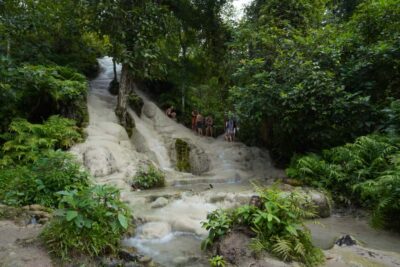
Chiang Mai: Bua Thong Sticky Waterfall & Huge Cave & Buffet
Read our review →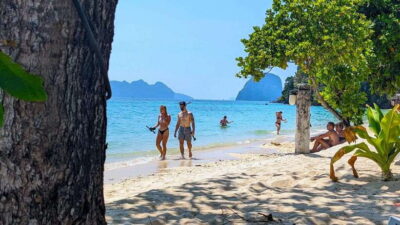
Koh Lanta: 4 Islands, Emerald Cave & Koh Kradan by Longtail
Read our review →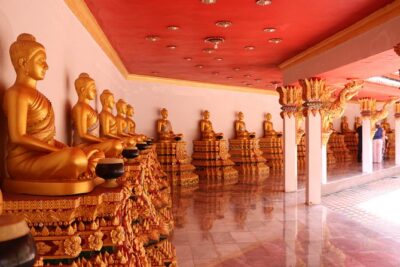
Full-Day Temple Tour Including Dragon Cave from Khao Lak
Read our review →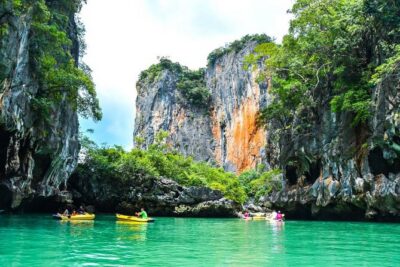
James Bond Island by Big Boat w/ Sea Cave Canoeing and Lunch
Read our review →Browse the lists this cave appears in