Review · TOURS
Makkah: Jabal Al-Nour, Cave Hira, and Mount Arafat Tour
Makkah’s sacred geography rewards a closer look. This four-hour private tour connects Jabal Al-Nour, Jabal Thawr, Arafat, Muzdalifah, and Mina with the stories that give each place meaning. I like the way it combines major Hajj sites with early Islamic landmarks, and I also like that guide Mohammed Alharbi is praised for his patience, clear English, Arabic explanations, and generous time at each stop. The main consideration is pace: four hours is tight for such a full route, and traffic or prayer times may change the order and length of visits.
You are picked up in Makkah and travel by private vehicle, with water and juice included. The tour is strongest as a guided orientation to the city rather than a hiking trip. You may see the mountains and caves from outside, but the information provided does not promise a climb into either cave. Mobility is important, too: the tour is listed as wheelchair accessible, yet it is not suitable for people with mobility impairments, so ask for clarification before booking.
Key points to know before booking
- Arafat is the main guided stop, with about one hour set aside for the place where pilgrims perform the essential standing of Hajj.
- Jabal Al-Nour and Cave Hira connect you with the first revelation, while Jabal Thawr recalls the Prophet Muhammad’s (PBUH) migration to Madinah.
- Mina and Muzdalifah complete the Hajj route, helping you understand how the pilgrimage moves from one sacred site to the next.
- Mohammed Alharbi receives the strongest praise, especially for patient explanations, Quranic references, good communication, and careful attention to tired visitors.
- The tour includes private transport, hotel pickup, a bilingual guide, and refreshments, but meals and entrance tickets are not included.
- Allow more than four hours if possible, since traffic, prayer times, and extended discussions can make the outing longer.
Why this Makkah tour is different
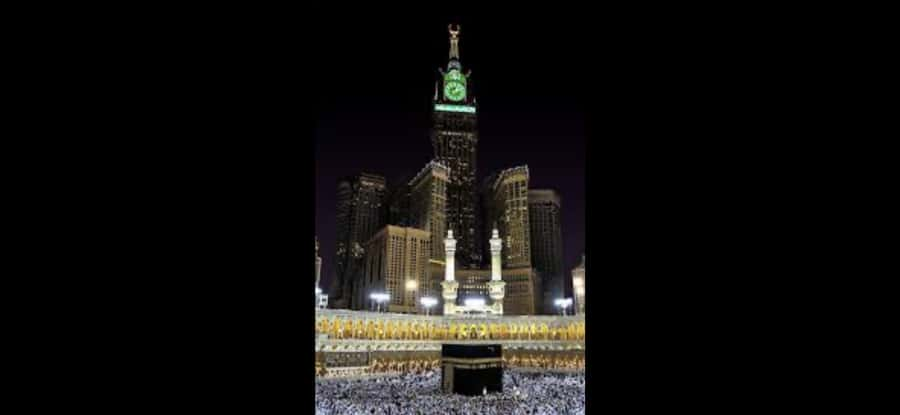
Many visitors see Makkah mainly through the Masjid al-Haram and the immediate streets around it. This tour takes you outward, showing how the mountains and open pilgrimage sites fit together around the city. That wider view matters because the story of Makkah is tied not only to buildings, but also to hills, valleys, routes, and gathering places.
I like the balance between religious context and practical sightseeing. Arafat, Muzdalifah, and Mina are not simply photo stops. They are places linked to the movement and rituals of Hajj. The caves add another layer, connecting the geography of Makkah with major events in the life of Prophet Muhammad (PBUH).
The private format is useful for families and small groups. You can ask questions without worrying about a large coach group, and the guide can adjust the pace when people are tired. Several detailed accounts describe Mohammed Alharbi waiting patiently at meeting points, keeping in touch by phone, and allowing enough time at stops.
A few more cave trips around the world worth a look
- Chichen Itza, Cenote, and Valladolid Tour
★ 5.0 · 24,293 reviews - Naples: Naples Underground Entry Ticket and Guided Tour
★ 4.4 · 21,781 reviews - Chichen Itza, Cenote & Valladolid Tour with Tequila and Lunch
★ 4.5 · 15,789 reviews
Starting in Makkah and setting the pace
Pickup is included from your hotel or an agreed point in Makkah. Around Al-Haram, traffic can be difficult, so the exact pickup location may need to be arranged in advance. This is a small detail, but it matters. A fixed hotel entrance may not always be the easiest place for a vehicle to stop.
The tour uses private transportation, which gives you a better chance of staying together and avoiding the delays of a large group. Water and juice are supplied, a welcome touch in Makkah’s heat. One guide also prepared cold treats during a very hot August outing, though you should treat that as a personal extra rather than a guaranteed inclusion.
Arrive 15 minutes early with a valid photo ID. Modest clothing covering the shoulders and knees is required. Comfortable shoes, a hat, sunscreen, and a camera are sensible choices. Smoking is not allowed during the experience.
The advertised duration is four hours. That is enough for a useful overview, but it leaves little room for long stops at every site. Some outings with Mohammed have lasted close to five or six hours, especially when the group asked questions or visited additional museum exhibitions. If you have a flight, prayer appointment, or another booking, keep a generous buffer.
Mount Arafat and the meaning of the Hajj route
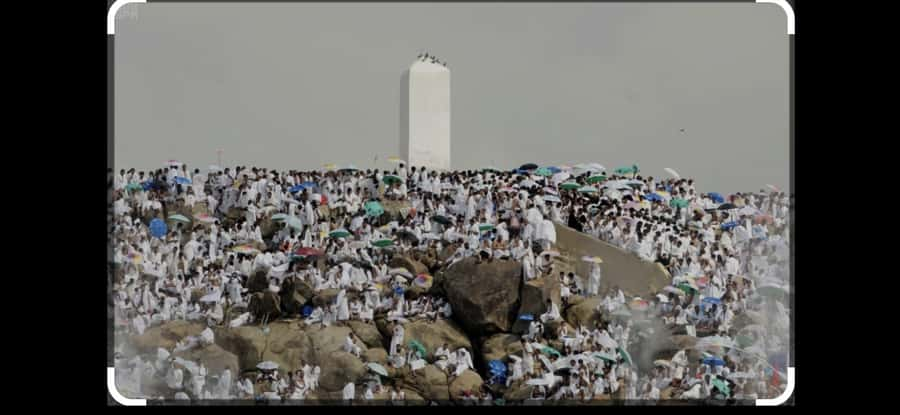
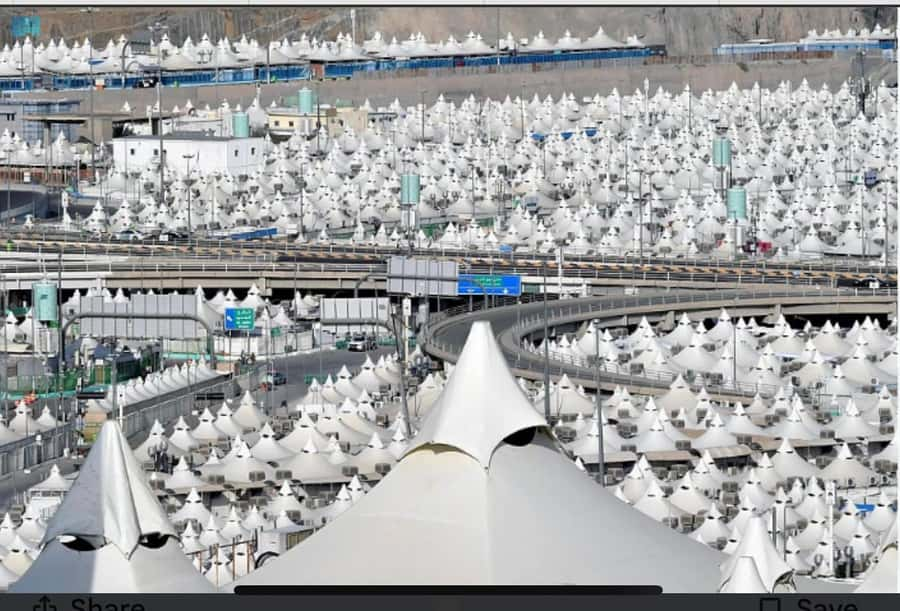
Mount Arafat is the clearest anchor of the tour. About one hour is scheduled here for a guided visit. Arafat is the site where pilgrims gather for the central standing of Hajj, known as Wuquf. The guide’s role is especially valuable here because the importance of the place is not always obvious from its physical appearance alone.
I would expect the guide to explain how Arafat fits between the other Hajj sites, rather than treating it as an isolated stop. That sequence gives the tour its shape: pilgrims gather at Arafat, move on to Muzdalifah, and then continue toward Mina. Seeing those places as connected stages makes the pilgrimage easier to understand.
The drawback is that Arafat can feel visually open and exposed. You are not visiting a museum with displays at every turn. The value comes from the setting and the explanation. If you want a quiet, reflective visit, tell the guide. If you want detailed religious context, this is one of the best places to ask questions.
Muzdalifah and Mina, the next steps of Hajj
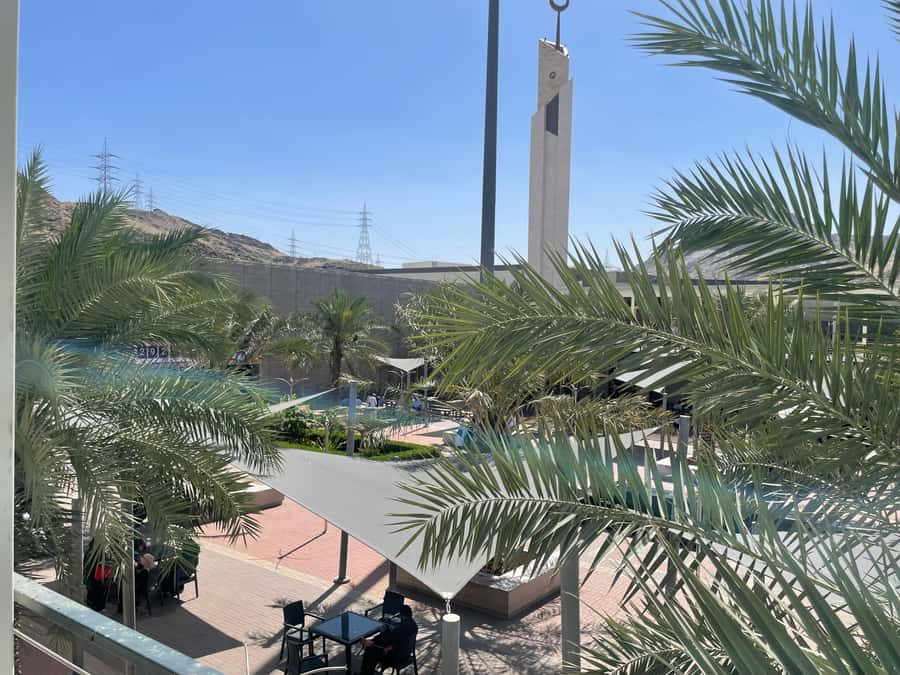
Muzdalifah and Mina help complete the basic Hajj picture. Muzdalifah is associated with the period after Arafat, when pilgrims rest before continuing. Mina is linked with the symbolic stoning of the devil, one of the best-known rituals of Hajj.
These sites may be brief viewing stops rather than long visits. The supplied schedule gives specific time only for Arafat, so you should not assume that each location receives an equal one-hour visit. Traffic, access, prayer times, and the group’s pace can all affect the timing.
Still, I think their inclusion gives the tour real value. A visit to Arafat alone can leave you with one important place but not the full route. Seeing Muzdalifah and Mina adds the missing links. You begin to understand the physical progression of Hajj, not just its individual rituals.
Your guide may use historical stories, Quranic references, and accounts connected to key figures. This approach has been particularly praised in the detailed feedback about Mohammed Alharbi. He is described as explaining events in an engaging way, using a sound system for background stories, and switching comfortably between English and Arabic.
Same corner of the map, a different way in:
- Colosseum: Underground and Ancient Rome Tour
★ 4.7 · 12,691 reviews - Edinburgh: Underground Vaults Tour
★ 4.6 · 11,758 reviews - Portimão: Benagil Caves Speed Boat Tour with Sunset Option
★ 4.8 · 11,663 reviews - Albufeira: 2.5-Hour Benagil Caves & Dolphin Watching
★ 4.6 · 10,710 reviews
Jabal Al-Nour and Cave Hira
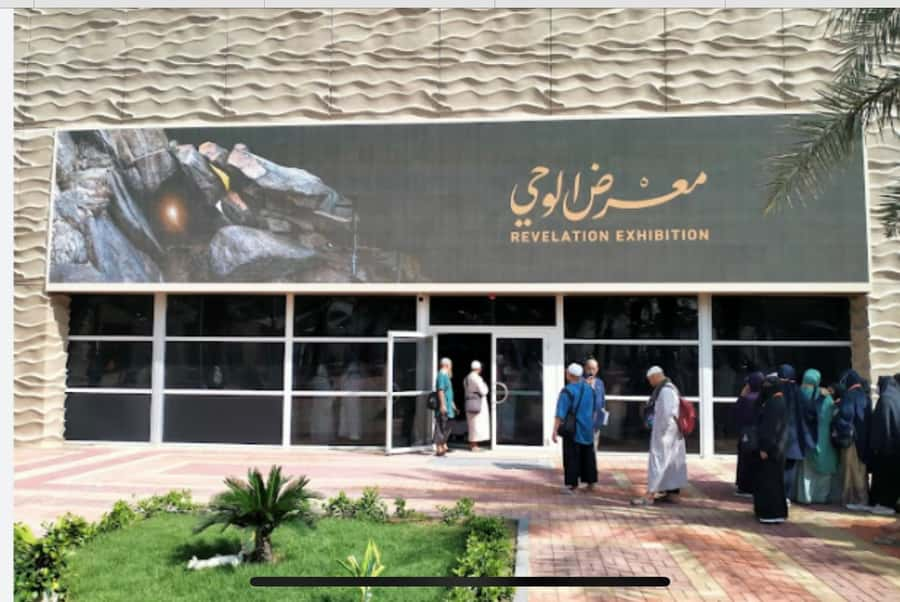
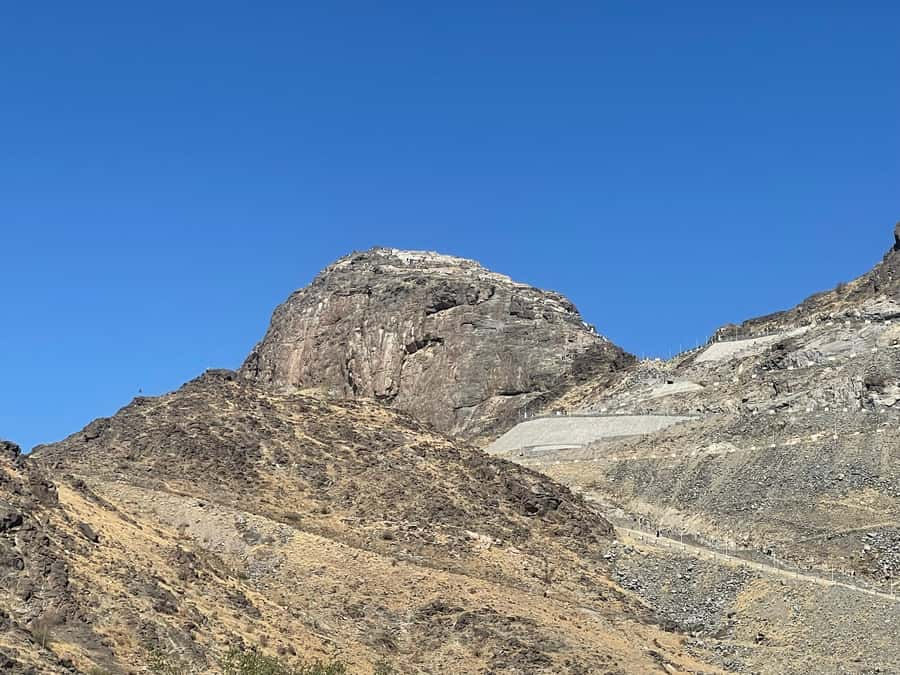
Jabal Al-Nour is one of the most meaningful stops for anyone interested in the beginning of the Prophet Muhammad’s (PBUH) mission. Cave Hira is associated with the first revelation, making the mountain central to the story of early Islam.
The tour presents this site as a place for explanation and reflection. Do not book it assuming that you will complete a mountain hike or enter the cave. The information provided describes visiting Jabal Al-Nour and Cave Hira, but it does not promise a climb, guided ascent, or cave entry.
That distinction is important for comfort and planning. The tour is designed around vehicle transport and sightseeing. If you have limited mobility, knee problems, or difficulty walking on uneven ground, contact the provider before paying. The activity is marked wheelchair accessible in one part of the information, but it is also marked unsuitable for people with mobility impairments. Those two notes do not fully agree, so a direct accessibility check is wise.
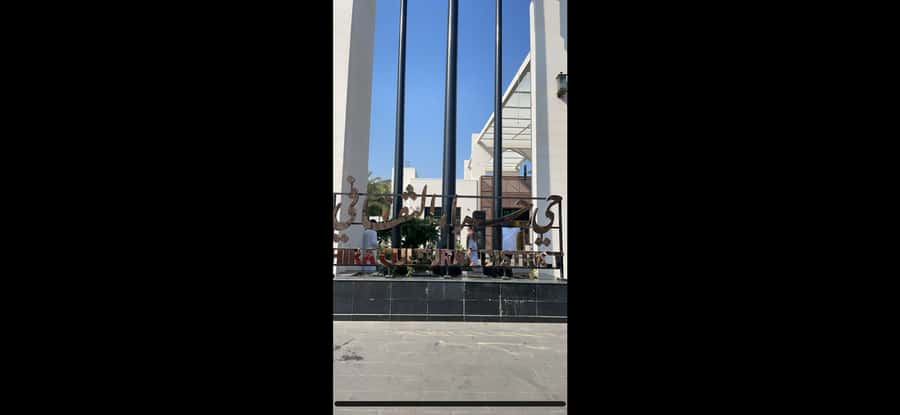
A stop at the Jabal Hira Visitors Center may also be included in the wider experience. One detailed account describes Saudi coffee, sukari dates with tahini sauce, traditional Arabic seating, and access to exhibitions connected with the Quran and revelation. Because the basic description does not list these refreshments or museum entries as guaranteed inclusions, ask whether they are part of your booked departure and budget separately for tickets.
Jabal Thawr and the Cave of Thawr
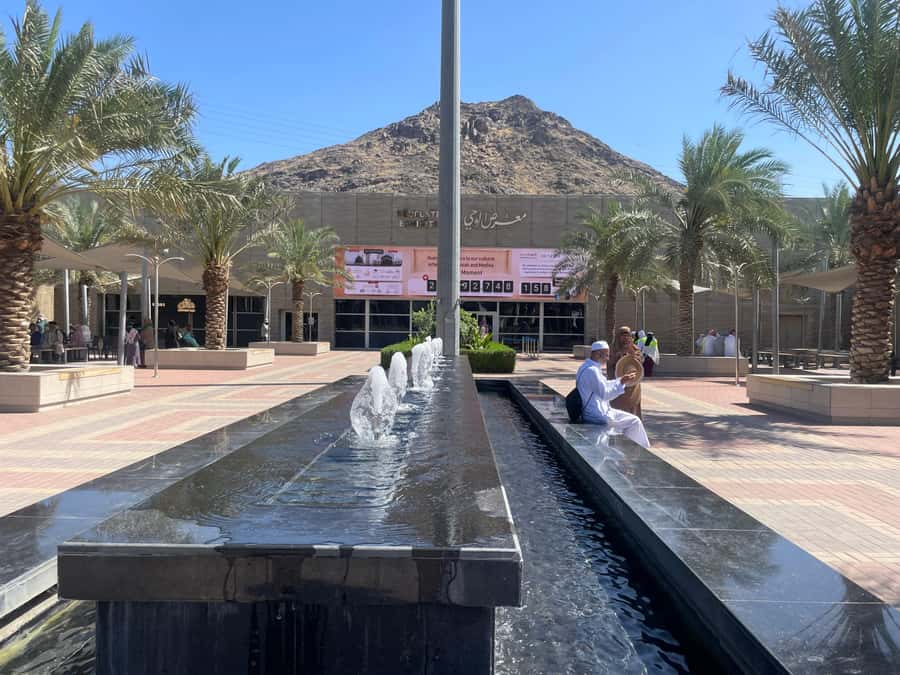
Jabal Thawr recalls the period when Prophet Muhammad (PBUH) and Abu Bakr (RA) hid in the Cave of Thawr from their enemies during the migration to Madinah. It is a powerful counterpoint to Jabal Al-Nour. Hira is tied to the beginning of revelation, while Thawr is linked to danger, trust, and the journey toward a new chapter.
The value here comes from the story told at the site. A mountain view without context can be hard to interpret, especially if you are unfamiliar with Makkah’s geography. Mohammed Alharbi is frequently praised for relating each location to Quranic verses and hadith when relevant, which should help turn a short roadside visit into something more meaningful.
Again, do not assume a cave hike. The tour details do not state that you will climb Jabal Thawr or enter Cave Thawr. If reaching the cave itself is your main goal, ask about the walking distance, ground conditions, and time required before booking.
The Makkah Museum and Hira Cultural exhibits
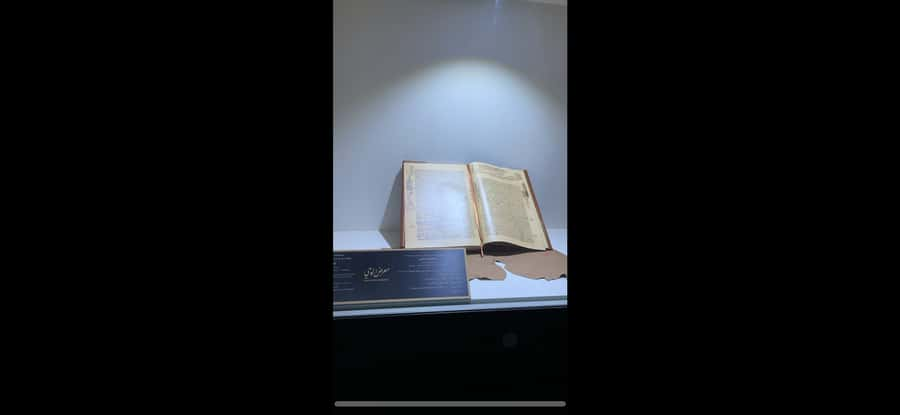
The museum portion adds cultural context to the outdoor sites. The tour description refers to the Makkah Museum and Hira Cultural Museum, with displays and artifacts connected to Makkah’s Islamic heritage. This is useful when you want more than a series of mountain viewpoints.
A museum can also provide structure on a hot day. You get a chance to slow down, look at objects, and connect the stories of the city with its wider development. The Hira Cultural Museum is described as focusing on the first revelation and Makkah’s heritage, making it a natural companion to the Jabal Al-Nour visit.
Tickets are not included, so confirm exactly which museum entries are planned and what they cost. One outing included discounted tickets to the Al-Quran and Wahi museums, but discounts and extra exhibitions should not be treated as standard features unless the provider confirms them.
If you have only a short stay in Makkah, the museum stop may be especially worthwhile. It gives you information you cannot get from a passing view of a mountain. On the other hand, if your main aim is the Hajj route, museum time may reduce the time available at Arafat, Mina, or the mountains.
The guide: Mohammed Alharbi’s strongest quality
The guide is a major part of the value here. Mohammed Alharbi receives repeated praise for punctual communication, patience, warmth, and clear storytelling. His English is described as very good, and the tour is available in English and Arabic.
I would book this experience for the guide-led interpretation, not simply for transportation. Mohammed is praised for waiting when people had trouble reaching the meeting point, adapting to the pace of tired visitors, and making families feel comfortable. Those details matter in Makkah, where heat, traffic, walking, and prayer schedules can affect your energy.
His style also appears to suit visitors who want religious context rather than a dry list of dates. Quranic verses, hadith, stories about key figures, and local explanations are woven into the stops. That may be exactly right for a pilgrim or Muslim visitor seeking a more thoughtful ziyarat experience.
The personal style will not suit everyone. If you prefer to explore independently with minimal commentary, a private guided tour may feel more structured than necessary. You are paying for interpretation, so make use of it by asking questions and telling the guide what matters most to you.
Is $125 per person good value?
At $125 per person, the tour is not the cheapest way to see Makkah’s outer sites. The price includes hotel pickup and drop-off, private transportation, a bilingual live guide, sightseeing, historical storytelling, water, and juice. For a private group, those inclusions make the cost easier to justify.
The strongest value comes when you have several people sharing the experience and when you want a guide who can explain the religious setting in English or Arabic. A taxi can take you near some sites, but it will not provide the same connected account of Hajj, the first revelation, and the migration to Madinah.
The price is less attractive if you expect entry tickets, meals, or a guaranteed cave climb to be included. They are not. Ask about museum admissions and any optional exhibitions before departure.
I also suggest judging the value by the quality of your time, not just the number of stops. If the guide gives you clear explanations and the route runs smoothly, four hours can be a useful introduction. If traffic reduces each visit to a quick look from the vehicle, the price may feel high.
Who should book this experience?
I would recommend it to first-time visitors who want to understand Makkah beyond the central sanctuary. It also suits families, couples, and small private groups who value flexible conversation and a bilingual guide.
It is a good fit if you want:
- A guided introduction to Arafat, Muzdalifah, and Mina
- Religious context for Jabal Al-Nour and Jabal Thawr
- A private vehicle and hotel pickup
- Explanations in English or Arabic
- A shorter half-day outing rather than a full-day excursion
- A guide who can adjust the pace and answer questions
I would be more cautious if you have limited mobility, expect to enter the caves, or need a fixed four-hour finish. The activity description gives conflicting accessibility information, and the actual duration may stretch beyond four hours.
Book as early as you can if you want flexibility, but the reservation policy is helpful: cancellation is free up to 24 hours before the start, and you can reserve now and pay later. Prayer times may affect the schedule, so confirm the pickup time and meeting point before the day begins.
Final booking advice
Book this tour if you want the stories behind Makkah’s sacred places, not just a drive past them. Mohammed Alharbi’s patient, personal guiding is the main reason I would choose it, especially for families or English-speaking visitors who want Quranic and historical context.
Skip it if you only want a quick photo stop, need guaranteed cave access, or cannot manage uneven walking and schedule changes. For everyone else, $125 is a reasonable price for a private, bilingual introduction to the Hajj sites, sacred mountains, and museums around Makkah, provided you confirm the exact stops and museum tickets first.
FAQ
How long does the Makkah sacred-sites tour last?
The advertised duration is four hours. Prayer times, traffic, and the amount of time spent asking questions may affect the schedule, so allow extra time if you have another appointment.
What locations are included?
The experience is described as visiting Mount Arafat, Muzdalifah, Mina, Jabal Al-Nour and Cave Hira, Jabal Thawr and Cave Thawr, and the Makkah or Hira Cultural Museum. Confirm the exact order and museum stops before departure.
Is hotel pickup included?
Yes. Hotel pickup and drop-off in Makkah are included, but the exact pickup point may need to be arranged because of traffic around Al-Haram.
Which languages does the guide speak?
The live guide is available in English and Arabic. Mohammed Alharbi is described as speaking very good English.
Are museum tickets and meals included?
No. Meals and tickets are not included. Ask the provider which museum admissions are planned and what additional charges apply.
Is the tour suitable for wheelchair users?
The activity is listed as wheelchair accessible, but it is also marked as unsuitable for people with mobility impairments. Contact the provider before booking to discuss your specific needs and the walking required at each stop.
What should I bring?
Bring comfortable shoes, a hat, sunscreen, a camera, and a valid photo ID. Dress modestly, covering your shoulders and knees, and arrive 15 minutes before the scheduled start.
Just added around the world
- Hanoi to Ninh Binh Day Trip: Mua Cave, Trang An Boat Ride – Lunch★ 5.0 · 26 reviews
- Hoa Lu Temple, Trang An boat trip & Mua Cave Mountain day trip – best selling★ 5.0 · 36 reviews
- Ninh Binh Day Tour Hoa Lu,Bai Dinh Trang An,Tam Coc, Mua Cave★ 5.0 · 15 reviews
- Mua Caves – Trang An – Hoa Lu Day Tours★ 4.0 · 40 reviews
- Ninh Binh 2 days,1 night from Hanoi: Hoa Lu – Mua Cave – Tam Coc – Cuc Phuong★ 5.0 · 24 reviews
- Hoa Lu – Mua Cave – Tam Coc/Trang An – DELUXE Small Group Tour★ 5.0 · 39 reviews
- BEST RATE GUARANTEED 1 Day Trang An – Tam Coc – Mua Cave – Hoa Lu★ 4.5 · 17 reviews
- Mua Cave – Tam Coc – Bich Dong Day tour with transfer, local family & bike★ 5.0 · 25 reviews
Tours, compared.
Naples Underground Entry Ticket and Guided Tour
Read our review →
Chichen Itza, Cenote & Valladolid Tour with Tequila and Lunch
Read our review →
Colosseum: Underground and Ancient Rome Tour
Read our review →
Benagil Caves Speed Boat Tour with Sunset Option
Read our review →
Oldtown, Medieval Underground & Dungeon History Tour
Read our review →