

Review · GUIDED
Rome: Trevi Fountain District Underground Domus Guided Tour
Ancient Rome is hiding below your feet. This 45-minute tour takes you nine meters beneath the Trevi District to Vicus Caprarius, an archaeological site known as the City of Water. I like the close look at Roman plumbing, coins, amphorae, and marble, and I like having an archaeologist guide explain what the stones mean. The main caution is simple: this is not a tour inside or beneath the actual Trevi Fountain.
The underground site is compact, but its stories reach across Roman, medieval, and later periods. Guides such as Erika, Naomi, Noemi, and Alessia have earned especially warm praise for clear explanations, humor, and patience with questions. Just keep your expectations straight: you visit a dig site near the fountain, then finish at the fountain itself, where the crowds are still very much present.
Key points to know before booking
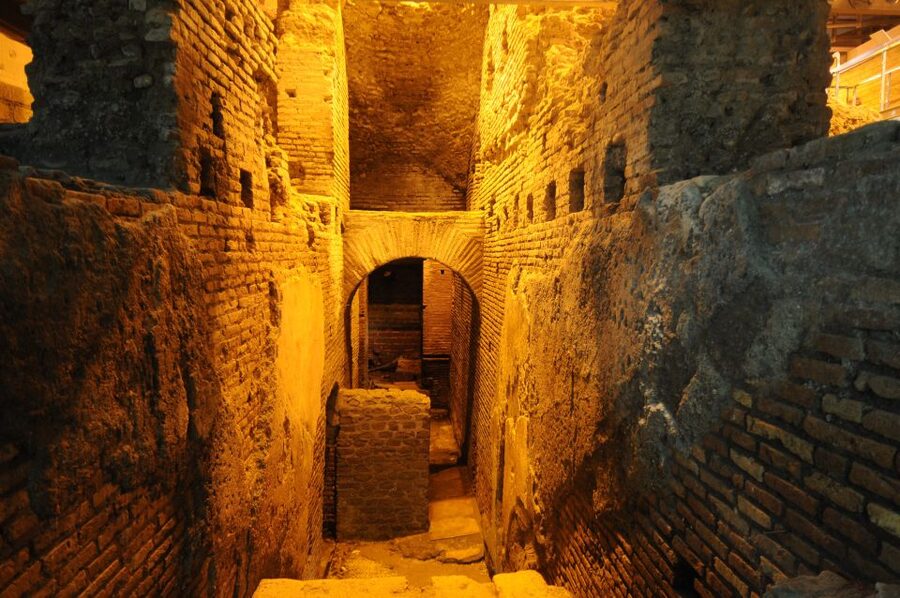
- Nine meters below Rome: Walk through the remains of a Roman residence, water channels, masonry, and later layers beneath the Trevi neighborhood.
- The City of Water: See how water from the spring linked to the Trevi system passed through ancient structures and supplied pools and pipes.
- Archaeology over spectacle: The site is fascinating for its engineering and artifacts, but it is a relatively small underground space.
- A strong guide makes the difference: The best part is the live explanation, with guides including Erika, Naomi, Noemi, and Alessia praised for clear, lively teaching.
- Trevi Fountain comes at the end: You receive a guided introduction, but the fountain itself is free and not reserved for private or skip-the-line access.
- Good value at $50: The price makes sense if you want context and interpretation, not if you only want a quick look at the fountain.
Starting at Vicolo del Puttarello 25

You meet your guide at the entrance to the Vicus Caprarius archaeological area at Vicolo del Puttarello 25. This is an easy location to connect with a visit to the Trevi Fountain, but allow yourself enough time to find the small entrance in the busy central streets.
The tour lasts 45 minutes, with about 40 minutes underground and roughly five minutes at the fountain. That short format works well if you are fitting the experience between other sights. It also means the guide has to keep the pace moving. If you enjoy stopping over every fragment, asking long questions, or studying each display on your own, the visit may feel brief.
Comfortable shoes are important. The underground route is not suitable for people with mobility impairments or wheelchair users, so check that this type of archaeological setting works for you before booking. The information provided does not describe a long walk between stops, hotel pickup, or food service. You make your own way to the meeting point.
The tour is offered in English, and a small-group option is available. Some groups have also used radios so the guide remains easy to hear, a useful touch in a compact site where several groups may be present at once.
More Guided Tours around Italy:
- Naples: Naples Underground Entry Ticket and Guided Tour
★ 4.4 · 21,781 reviews - Naples: Catacombs of San Gennaro Entry Ticket & Guided Tour
★ 4.6 · 7,941 reviews - Naples: Spanish Quarters Underground Guided Tour
★ 4.8 · 5,064 reviews
Entering the City of Water nine meters underground
Vicus Caprarius gives you a different view of Rome. Above ground, the Trevi District is full of polished Baroque stone, shops, and phone cameras. Below it, you find the remains of buildings and water systems that reveal how Romans managed daily life in a dense city.
The site is divided into three sections. The focus is not on one grand monument, but on the way several layers fit together. You see parts of a luxurious domus residence, ancient masonry, pipes, pools, and evidence of how the area changed over time.
I like this approach because it shifts the story from emperors and battles to practical Roman life. Water had to be moved, stored, filtered, and used. The tour follows that system rather than treating the ruins as disconnected stones. When the guide explains how the water moved through the site, the remains become easier to picture.
The underground setting also gives the visit a physical sense of age. You are not simply looking at objects in a museum case. You are standing below the modern street in a place where Roman building work, later alterations, and the present water system meet.
Still, keep the scale in mind. This is not a huge complex such as the Colosseum or the Roman Forum. One visitor found the space smaller than expected, and that is a fair warning. The attraction comes from the story, the survival of the remains, and the guide’s explanation, not from the number of rooms you can walk through.
Following the water from the Trevi spring
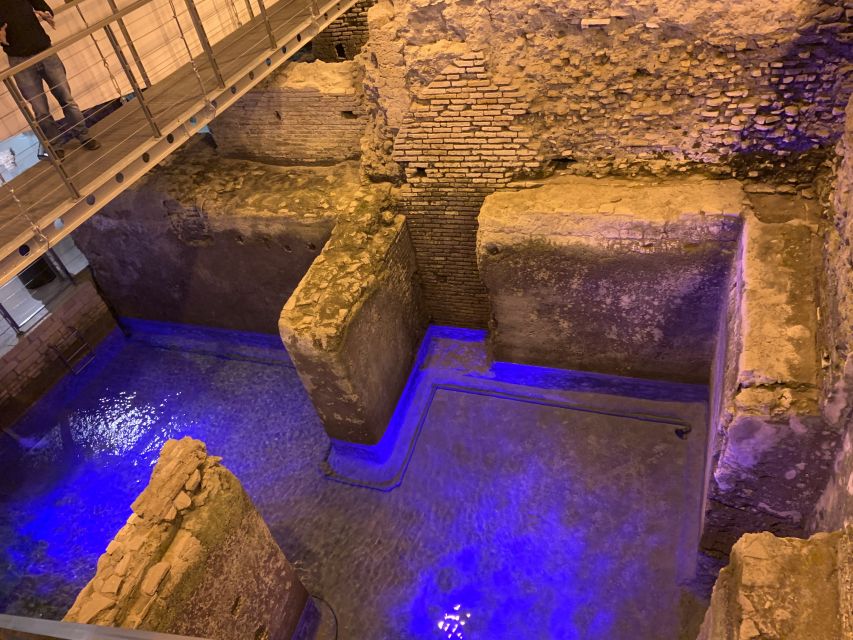
The strongest theme is water. The tour explains the connection between the underground structures and the water that reaches the Trevi Fountain. You follow the route through ancient masonry and learn how the flow once served the domus, including its pools and pipes.
This is where the experience earns its place on a Rome itinerary. The Trevi Fountain is famous for its theatrical Baroque design, but many people see only the finished stonework and the water pouring into the basin. Below ground, you get the practical story behind the supply.
Roman water engineering is impressive because it depended on careful planning, gravity, channels, storage, and maintenance. The guide connects those technical details to the physical remains in front of you. The result is less abstract than reading about aqueducts in a guidebook.
Several people valued this explanation enough to say they wished they had taken the tour earlier in their stay. I agree with that advice. If you visit near the start of your Rome trip, the discussion of water systems, building layers, and Roman urban life can help you make sense of other ruins later.
The tour does not claim that you walk through the actual plumbing beneath the fountain basin. Instead, it presents the archaeological site next to the fountain and explains the water connection. That distinction matters, especially because the title can suggest a more direct route under the monument.
Ancient coins, amphorae, and a luxurious domus

The objects here help bring ordinary activity into focus. You may see ancient coins dating from the Imperial Age, along with African amphorae once used to transport oil. These are small pieces, but they tell you about money, trade, food, and the movement of goods through the Roman world.
The amphorae are especially useful for understanding the site beyond local construction. An oil container from Africa points to the wide commercial network that fed Rome. It also gives the guide a chance to explain how a large city depended on supplies arriving from far beyond its walls.
The domus adds another layer. This was not simply a utility corridor. The remains point to a high-status residence with polished materials, water features, and carefully planned spaces. Polychrome marble and the head of Alessandro Helios are among the notable discoveries connected with the site.
You should not expect a fully restored Roman house. What you see are archaeological remains, not rooms furnished as they might have been in antiquity. The guide’s interpretation is therefore essential. Without it, you might notice a wall, pipe, or fragment without understanding its original role.
This is one reason the live tour is more useful than going alone. An archaeologist or archaeology student can explain what is certain, what has been reconstructed, and how the pieces fit together. The strongest guides, including Erika and Naomi, are praised for turning technical material into a clear story without losing the human side.
A few more cave trips around Italy worth a look
- Colosseum: Underground and Ancient Rome Tour
★ 4.7 · 12,691 reviews - Matera: Sassi Tour with Cave House and Rupestrian Church
★ 4.7 · 6,618 reviews - Rome: Capuchin Crypts and Catacombs Tour with Transfers
★ 4.6 · 6,456 reviews - Expert Guided Tour of Colosseum Arena OR Underground, and Forum
★ 4.5 · 5,041 reviews
Why the guide matters in a small underground site
The guide is the make-or-break element here. The site itself is compact and the route is short, so a flat presentation would leave you looking at ruins without much connection. A lively guide gives the visit shape.
Erika is repeatedly praised for detailed explanations, warmth, and her ability to answer questions. Naomi is described as funny, clear, and enthusiastic about Roman history. Noemi has been praised for mixing interesting stories with a relaxed sense of humor, while Alessia is remembered for making the subject especially engaging.
Those names are useful because they show the kind of guiding you can expect, but your assigned guide may be someone else. The consistent pattern is clear: the guides are valued for strong subject knowledge, storytelling, and patience.
I would encourage you to ask questions. The tour is short, but guides have made time for photographs and questions when possible. One guide even pointed out extra details at the fountain after the main underground portion. That sort of personal attention can make a compact visit feel more worthwhile.
The one limitation is time. One person felt the guide had more to say but could not fit it into the scheduled visit. If you want a scholarly treatment of every layer, 45 minutes will not be enough. If you want a focused introduction before seeing more of Rome, the length is sensible.
Finishing at the crowded Trevi Fountain
The final five minutes take you to the Trevi Fountain. The guide explains features of the fountain and its relationship to the underground water system, then you can look at the Baroque monument for yourself.
This ending creates a satisfying contrast. You begin with ancient masonry in a quiet underground setting, then return to one of Rome’s most photographed public spaces. The fountain’s scale, sculpture, and movement make more sense after you have learned where its water comes from.
But the fountain stop needs careful explanation. The area can be extremely crowded. You may have to wait for a clear view, and the tour does not give you a private section or priority access to the basin. Entrance to the fountain area is free, and any included access does not mean you skip the crowd.
One guest expected to go under the actual fountain and have private access, then found the tour was instead at the nearby underground excavation. That person still considered it worthwhile, but the misunderstanding is easy to avoid. Book this for Vicus Caprarius and its water story, with the fountain as the closing connection, not as the main guided attraction.
You can stay at the fountain afterward on your own. If you want photographs, the guide may have a moment to help, but do not count on an empty view. The fountain is a public gathering point, and its popularity is part of the experience.
Is $50 a fair price for 45 minutes?
At $50 per person, this is not a cheap way to simply see the Trevi Fountain. The fountain itself is free, and you can admire it without paying for a ticket. The price is paying for the reserved entry to Vicus Caprarius, a live English-speaking guide, and the interpretation that connects the archaeological remains to the water system.
For me, the value is strongest in three cases:
- You want Roman engineering explained rather than just photographed.
- You enjoy archaeological sites but prefer a guide to provide the context.
- You are already visiting the Trevi District and can add a short, focused stop.
The value is weaker if you have only a few hours in Rome and have not yet seen major headline sights. It is also weaker if your main goal is a quiet or private view of the fountain. The tour does not remove the crowds around the monument.
The reserve-now, pay-later option and cancellation up to 24 hours before the start give you some flexibility. Those policies matter if your Rome schedule is still shifting, though they do not change the basic question of whether the underground site suits your interests.
Who will enjoy this Rome underground tour?
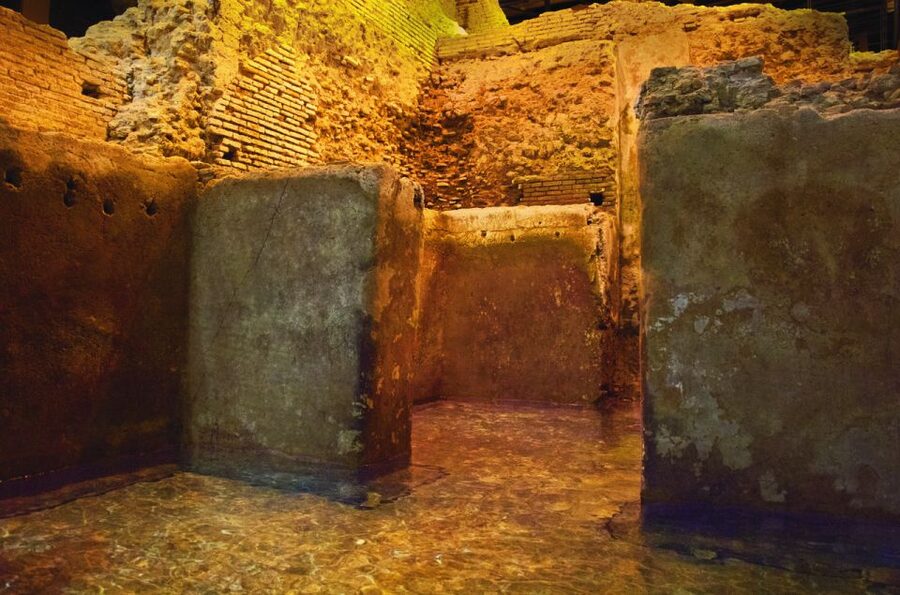
I would recommend it to adults and older children who like history, building techniques, and the small clues archaeologists use to reconstruct the past. It is also a good choice for anyone who has already seen the Trevi Fountain and wants to understand more than its surface appearance.
The tour can work well early in a Rome visit. It introduces water supply, Roman homes, trade, and changing urban layers that appear elsewhere in the city. Taking it near the end of your trip works too, especially if you want a quieter counterpoint to the major monuments.
I would hesitate to recommend it if you need step-free access, use a wheelchair, or dislike enclosed archaeological spaces. The site is nine meters underground and the route is not suitable for people with mobility impairments.
Bring comfortable shoes and arrive at the entrance on Vicolo del Puttarello 25. Since the tour is in English, you should also be comfortable following a spoken explanation of archaeology and Roman history for most of the visit.
Should you book the Vicus Caprarius tour?
Book it if you want a well-explained look at the ancient water system near the Trevi Fountain. The best reason to go is not the promise of entering the fountain itself. It is the chance to see Roman remains, ancient objects, a luxurious domus, and the practical engineering behind one of Rome’s most famous landmarks.
Skip it if you want a large archaeological complex, a long tour, or a private fountain experience. At $50, the cost is reasonable for guided access and strong interpretation, but only when you value the story as much as the sight.
My advice is to schedule it before your main Rome sightseeing, then visit the Trevi Fountain again afterward if you want more time for photographs. Choose this tour for the underground history, ask questions, and treat the crowded fountain as the grand finale rather than the whole show.
FAQ
Where does the tour meet?
Meet your guide at the entrance to the Vicus Caprarius archaeological area at Vicolo del Puttarello 25.
How long does the tour last?
The tour lasts 45 minutes. About 40 minutes are spent at Vicus Caprarius, followed by about five minutes at the Trevi Fountain.
Is the tour conducted in English?
Yes. The live tour guide speaks English.
Does the tour go underneath the actual Trevi Fountain?
No. The underground visit takes place at Vicus Caprarius, an archaeological site near the fountain. The tour then finishes at the Trevi Fountain itself.
Is skip-the-line access included at the Trevi Fountain?
No. The fountain area is free to enter, but it can be very crowded. Skip-the-line access is not included.
Is the tour suitable for wheelchair users?
No. The experience is not suitable for wheelchair users or people with mobility impairments. Comfortable shoes are recommended.
Just added around Italy
- Capri & Blue Grotto: Full-Day Tour with Guided Island Exploration★ 5.0 · 74 reviews
- Private Capri, Anacapri and Blue Grotto Tour from Capri★ 4.5 · 29 reviews
- Private Tour of the Island of Capri by Boat and Visit to the Caves★ 4.5 · 31 reviews
- CAPRI – DIY Day Trip Package – BoatTour, BlueGrotto,Bus&Lunch★ 4.5 · 49 reviews
- Paddleboard in Capri between caves and beaches. Photos included!★ 5.0 · 39 reviews
- Small Group Tour to Blue Grotto, Anacapri and Capri★ 5.0 · 115 reviews
- Blue Grotto and Capri Boat Tour with Aperitivo Swim and Snorkel★ 4.5 · 47 reviews
- Boat Tour of the Caves on the Island of Capri★ 4.5 · 463 reviews
Guided, compared.
Naples Underground Entry Ticket and Guided Tour
Read our review →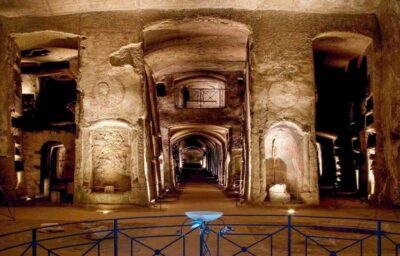
Catacombs of San Gennaro Entry Ticket & Guided Tour
Read our review →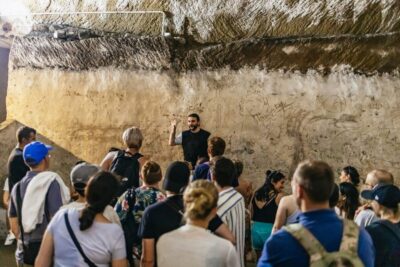
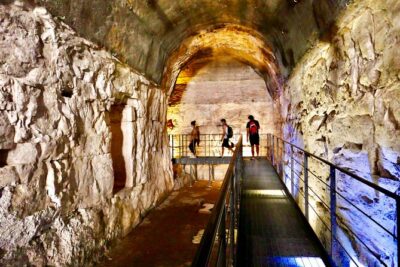
Expert Guided Tour of Colosseum Arena OR Underground, and Forum
Read our review →
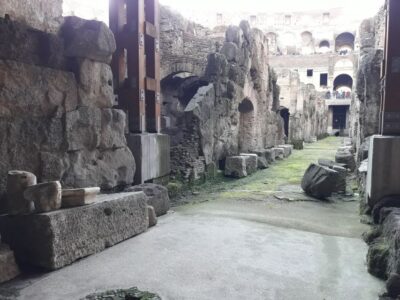
Colosseum Underground Small Group Guided Tour
Read our review →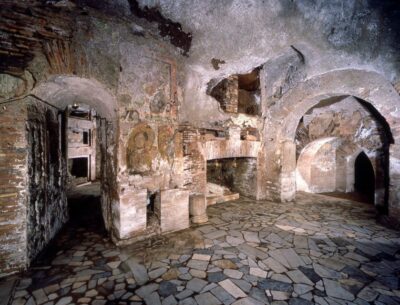
Catacombs of St. Callixtus Entry Ticket & Guided Tour
Read our review →
Caves, Beaches, and Secret Spots Guided Kayak Tour
Read our review →Browse the lists this cave appears in