
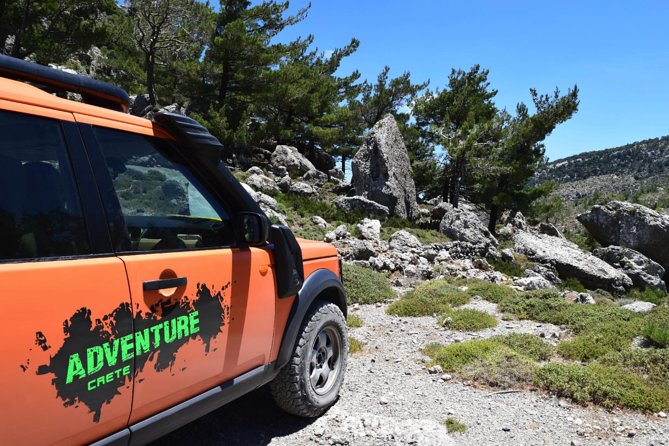
Review · GREECE CAVE TOURS
Zeus Cave, Lassithi Plateau, Olive Oil Factory, Kritza, Pottery
Crete gets wilder above the villages. This seven-hour trip combines the Lassithi Plateau with olive oil tasting, old villages, mountain roads, local food, and the Zeus Cave approach. I like the wide range of stops, and I like that guides such as Petra, Michael, Rolf, and Panagiotis add stories about mythology, farming, animals, and daily Cretan life. The main drawback is the demanding climb to the cave, which may be closed for renovation.
You pay $119.77 per person for hotel pickup, transport in an air-conditioned vehicle, bottled water, lunch, and a full day on the road. That is fair value if you want to see eastern Crete without renting a car, but check your pickup area carefully: Chania and Rethymno are not served on the regular tour.
Key things to know before booking
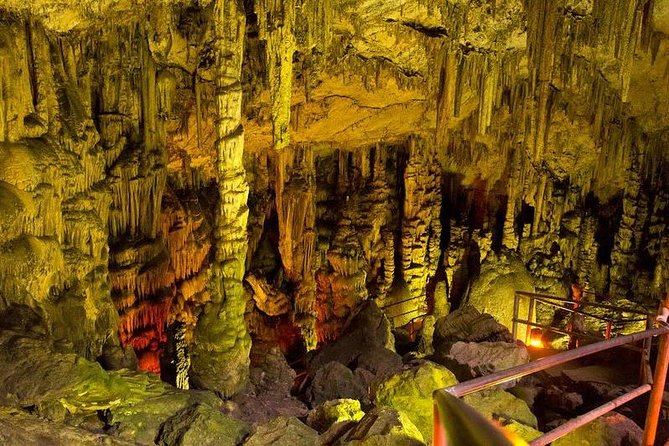
- The Zeus Cave walk is strenuous: Expect an uphill path and many stairs, both on the way in and out. Good shoes are essential.
- The cave may be closed: Government renovation work has affected access, and the opening date is not known.
- You see several sides of Crete: The route links olive oil production, mountain villages, shepherd country, churches, windmills, and a family-run lunch stop.
- Small groups improve the day: Although the maximum is 30 people, many departures have operated with around six people.
- Pickup is limited: Regular collection is available from Chersonissos, Malia, Sissi, Agios Nikolaos, Elounda, Istron, and Ierapetra.
- Lunch is part of the price: A local taverna meal is included, with food that can accommodate dietary needs according to the tour experience.
Why this Crete day trip is different
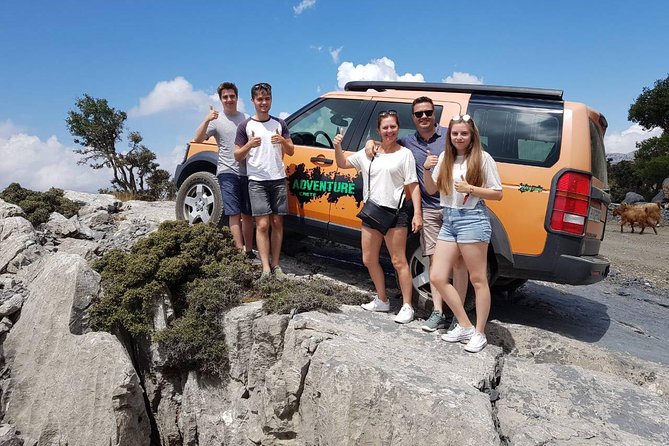
Many excursions from the coast stay close to beaches, resorts, and paved roads. This one heads inland and upward. You pass through eastern Crete by vehicle, then stop in villages and mountain areas where the pace is slower and the scenery changes quickly.
The route is useful if you have only one full day in the area. In a single outing, you see Agios Nikolaos, Kritsa, the Katharo and Lassithi plateaus, the Dikteon Cave area, Krasi, Selinari, and several rural viewpoints. You also get a meal and local tastings, so the day is not just a string of photo stops.
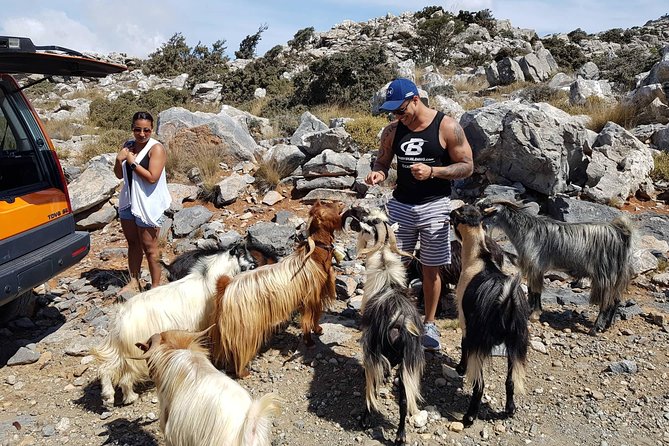
I especially like the balance between scenery and ordinary life. You are not simply driven to a viewpoint, handed a camera opportunity, and sent back. You hear about agriculture, shepherds, local customs, plants, animals, and Cretan myths. Goats are part of the fun, too. Feeding them has become one of the memorable moments on this outing.
The tradeoff is pace. Seven hours is a long time, but this is a packed seven hours. If you prefer one major sight with plenty of quiet time, the itinerary may feel busy. If you want a broad introduction to eastern Crete, the full schedule works well.
A few more cave trips around Greece worth a look
- From Corfu: Day Cruise to Paxos, Antipaxos, & the Blue Caves
★ 4.3 · 4,800 reviews - Athens: Meteora Monasteries Day Trip with Caves and Lunch
★ 4.7 · 4,670 reviews - Zakynthos: Shipwreck Beach with Blue Caves Land & Sea Tour
★ 4.9 · 3,774 reviews
Starting near Agios Nikolaos and tasting Cretan olive oil
The day begins around 9 a.m., with pickup from your hotel, villa, or apartment in the covered areas. The route passes Agios Nikolaos and its famous lake before reaching a family olive factory.
The tasting is more than a quick sample at a gift shop. You try different grades and types of olive oil and learn about olive products made in Crete. This gives you a useful introduction to one of the island’s most important foods, and it helps explain why olive trees appear across so much of the countryside.
I like this stop because it connects the meal later in the day with the land you are passing through. You can ask questions, compare flavors, and buy products if you wish, though purchases are not part of the tour price.
Allow about 30 minutes. It is a short stop, but it earns its place early in the day because it gives context to Cretan cooking and farming.
Panagia Kera and the old lanes of Kritsa
The next pause is at Panagia Kera Church. Its interior contains striking 17th-century frescoes, but the church is not open most days. The tour cannot guarantee entry, so treat this as a possible bonus rather than a central reason to book.
If it is closed, you still continue to Kritsa, one of the oldest villages on the route. The walk here is short, around 30 minutes, and takes you into narrow lanes and traditional streets. You may find handmade cloth goods, pottery, and household ceramics for sale.
Kritsa works best as a walking stop rather than a formal museum visit. The pleasure is in the old village setting, the small shops, and the chance to see a place that feels different from the resort towns on the coast. Your guide can also help explain how village life fits into modern Crete.
Do not expect a long independent exploration. Thirty minutes passes quickly, but the stop gives you a taste of the village rather than just a view from the bus.
The Katharo Plateau and high mountain views
From Kritsa, the road climbs toward the Katharo Plateau. This is one of the strongest parts of the outing for scenery. The route reaches high mountain country, with views toward both the Libyan Sea and the Aegean Sea from the elevated areas.
The rougher roads are part of the appeal. You are taken to places that would be difficult to reach without local driving experience, especially if you were relying on a standard rental car and an unfamiliar route. The air-conditioned vehicle matters here, since the day includes long drives and exposed outdoor stops.
The Katharo visit lasts about 30 minutes. Use that time for photographs, but also listen to the guide’s comments about the terrain, grazing animals, and rural work. Several guides, including Petra and Michael, have been praised for making these details lively rather than turning the ride into a lecture.
You should know that mountain roads and off-road sections can feel less polished than the coastal highways. That is not a flaw for most people booking this trip, but anyone prone to motion sickness should be prepared for a winding ride.
Same corner of the map, a different way in:
- From Corfu Island: Antipaxos & Paxos Blue Caves Boat Cruise
★ 4.7 · 3,690 reviews - Zakinthos: Shipwreck Beach and Blue Caves Land and Sea Tour
★ 4.6 · 3,359 reviews - Athens to Meteora: Monasteries, Caves & Seaside Stopovers
★ 4.7 · 2,958 reviews - From Corfu: Day Cruise to Paxos, Antipaxos, and Blue Caves
★ 4.6 · 2,851 reviews
Crossing the Lassithi Plateau and its old windmills
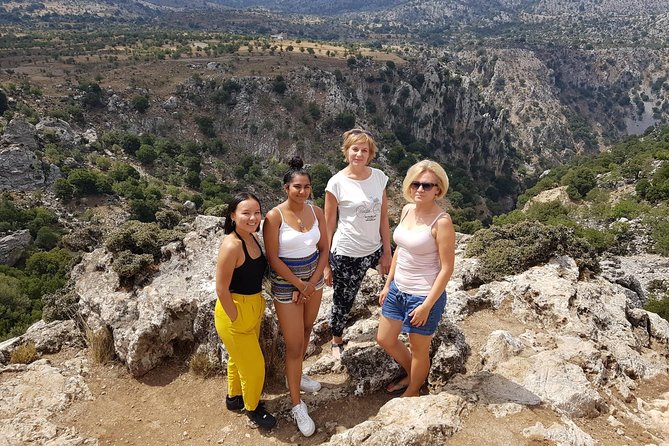
The tour then crosses the Lassithi Plateau, a broad high-altitude farming area surrounded by mountains. The drive gives you a sense of how people live and work far above the coast, where agriculture and animal husbandry remain central parts of local life.
The stop itself is brief, around 15 minutes, but the drive is the real feature. Look for fields, farm buildings, grazing animals, and the changing shape of the mountains. You may also see goats and, according to the experience described by guests, possibly a vulture or other mountain wildlife. Wildlife sightings are never guaranteed, so enjoy them if they appear.
The windmills receive their own 20-minute stop. They are a well-known symbol of the plateau and make an easy photo subject. The area helps explain the older methods used to move water and support farming before modern equipment became common.
This section is less about ticking off a single attraction and more about seeing how a high plain functions as a lived-in place. That is a useful difference from a standard sightseeing circuit.
Reaching the Dikteon Cave, the Zeus Cave of Crete
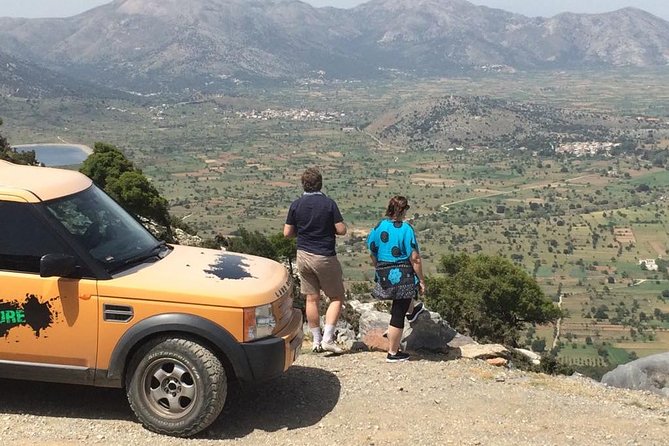
The Dikteon Cave is often the headline attraction, but you should understand the physical effort before booking. The vehicle brings you to the entrance area, then you can choose whether to continue into the cave.
The approach includes an uphill walk, uneven ground, and a substantial number of stairs. The return includes stairs as well. Several people who exercise regularly still found the climb tiring, so do not treat this as a gentle stroll. Wear closed shoes with a firm sole, carry water, and take your time.
Inside, the cave is described as impressive and beautiful when open. It is connected with the mythology of Zeus, which gives the visit extra interest if you enjoy Greek legends. The guide can add context about the stories, though the exact cave access arrangement can change.
At present, cave renovation has caused closures. The operator has stopped presenting access as guaranteed because the government closure has no confirmed reopening date. If the cave is your main reason for booking, ask about its current status before paying. The rest of the day still has value, but the tour feels different without this major stop.
A donkey ride has also been suggested by some people as an option for the climb, but it is not listed as an included feature. Do not assume it is available or covered in the price.
A local lunch after the mountain stops
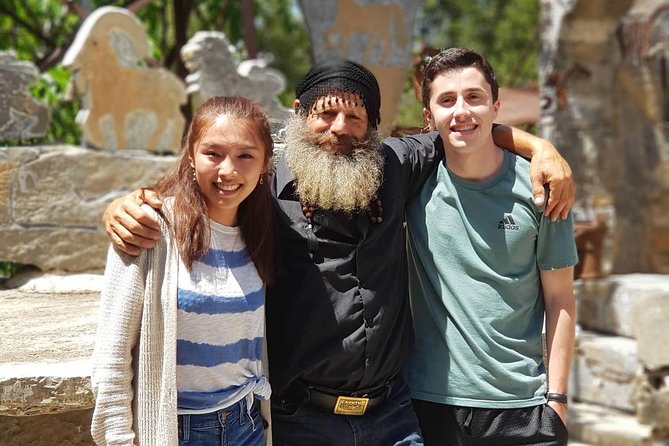
Lunch is included and is served at a local taverna. This is one of the most praised parts of the outing. The food has included Cretan specialties, including spit-roasted pork, and dietary requests have been handled when raised with the restaurant.
The setting matters as much as the plate. After the high roads and cave walk, sitting down for a proper meal gives the day a welcome pause. It also lets you try food in a more local setting rather than eating at a roadside chain.
The lunch comes after the cave area on the usual route, so if you skip the cave you may have more time to relax before eating. Bottled water is included, but you should still bring extra water if you plan to make the climb.
Pottery, goats, and the small details that make the day
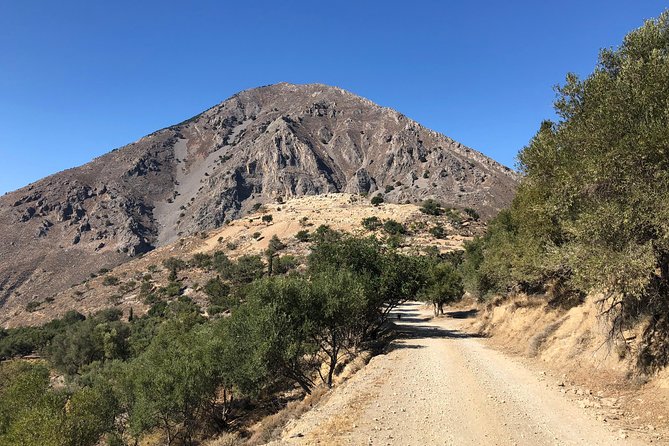
Pottery is not listed as a fixed stop in the main schedule, yet some versions of the experience have included a pottery activity. One such outing combined the pottery visit with the olive oil factory and mountain scenery. Because it is not guaranteed in the stated itinerary, confirm whether it will be part of your departure if pottery is important to you.
The goat encounters are more firmly tied to the character of the route. Feeding goats, seeing shepherd country, and hearing about animals and farming make the day feel more personal than a simple drive through the mountains.
The guides are a major part of the value. Petra has been praised for her humor, personal stories, and practical advice for the rest of a holiday. Michael has been described as friendly and entertaining, with strong explanations of Greek mythology, plants, animals, and local customs. Rolf has also been praised for his jokes and island facts.
Guide quality can vary from one departure to another, but the repeated pattern is clear: the guide can turn long drives into useful time. You are not left guessing what you are seeing.
Krasi, Selinari, and the ride back
The return route passes Malia, then stops at Selinari Monastery. This old monastery is considered one of the prettiest on the island, and you can light a candle if you wish. The stop lasts about 15 minutes, so keep expectations modest. It is a brief visit, not an extended religious tour.
Krasi follows with another short pause. The village is known for an enormous plane tree said to be thousands of years old. The tree is the main attraction, and the stop gives you a final look at an old settlement before returning toward the coast.
These last stops help break up the drive back. They are not as dramatic as the mountain views or cave, but they add variety and keep the journey from becoming one long transfer.
Transport, group size, and who should book
The tour uses an air-conditioned vehicle, with a maximum group size of 30. In practice, some departures have been much smaller, including groups of six. A smaller group makes it easier to hear the guide, ask questions, and stay flexible at stops.
Pickup is offered from Agios Nikolaos, Elounda, Istron, Ierapetra, Malia, Sissi, and Chersonissos. Standard tours do not collect from Chania or Rethymno. That restriction is important because Chania is roughly three hours away from the operating area, making a regular same-day pickup impractical.
This outing suits you if you want:
- A broad introduction to eastern Crete in one day
- Mountain scenery without driving yourself
- Local food, olive oil, village streets, and rural views
- A guide who explains mythology and daily life
- A small-group feel when available
It is less suitable if you dislike winding mountain roads, have difficulty with steep paths and stairs, or want guaranteed access to the cave. Families have enjoyed it, including groups with teenagers and grandparents, but each person should judge the cave walk separately.
The published price of $119.77 is reasonable when you count transport, lunch, water, a full day of guiding, and access to places that are awkward to reach alone. Cave and church admission are not included, and the cave may be closed. Cancel at least 24 hours before departure for a full refund, since later cancellations and changes are not accepted.
Should you book this Crete mountain tour?
Book it if you want to see more than the coast and prefer a guide to handle the driving. The strongest reasons are the range of stops, the mountain roads, the local lunch, and the chance to connect scenery with Cretan food and village life.
Before booking, confirm the cave’s current status and your pickup location. If you need a gentle day or want to spend hours at one sight, choose something slower. If you have one free day near Agios Nikolaos, Malia, Elounda, or the surrounding resorts, this is a good way to see the island’s inland character without renting a car.
FAQ
How long does the tour last?
The tour lasts approximately seven hours and starts at 9 a.m.
Is hotel pickup included?
Yes. Pickup is offered from your hotel, villa, or apartment in Agios Nikolaos, Elounda, Istron, Ierapetra, Malia, Sissi, and Chersonissos.
Does the tour pick up in Chania or Rethymno?
No. Regular tours do not offer pickup from Chania or Rethymno. VIP tours may offer pickup from Heraklion.
Is lunch included?
Yes. Lunch at a local taverna, bottled water, and transport in an air-conditioned vehicle are included.
Is entry to the Zeus Cave included?
No. Admission to the Dikteon Cave is not included. The cave may also be closed for government renovation, so access is not guaranteed.
How difficult is the walk to the cave?
The route includes an uphill walk and stairs going into and out of the cave. Several people have found it strenuous, so good walking shoes are recommended.
Can I cancel for a full refund?
Yes, if you cancel at least 24 hours before the experience start time. Cancellations or changes made less than 24 hours in advance are not refunded.
Just added around Greece
- Pelion Boat Trip to “Poseidon’s Caves”★ 5.0 · 149 reviews
- Karpathos Aperi Limniotis Cave Hike for stalagmites / stalactites★ 5.0 · 15 reviews
- Knossos & lasithi plateau villages,Zeus’s cave,&olive oil Mill★ 5.0 · 90 reviews
- Psiloritis Mountain and Sfendoni Cave 4×4 Cretan Villages Tour★ 5.0 · 15 reviews
- PRIVATE-Zeus Cave-Knossos-Olive oil Factory-Traditional Villages.★ 5.0 · 69 reviews
- Knossos Cave of Zeus and Olive Oil Factory Full Day Private Tour★ 5.0 · 19 reviews
- PRIVATE-Knossos Palace-Zeus Cave-Olive Oil Tasting-Old Villages★ 5.0 · 81 reviews
- Knossos-Lasithi Plateau-Cave of Zeus for Cruises Heraklion Port★ 5.0 · 26 reviews
Greece Cave Tours, compared.
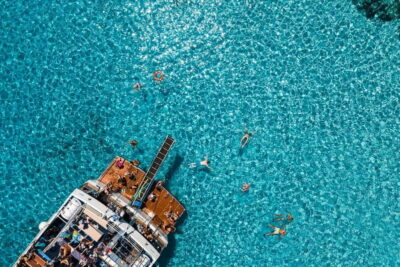
Day Cruise to Paxos, Antipaxos, & the Blue Caves
Read our review →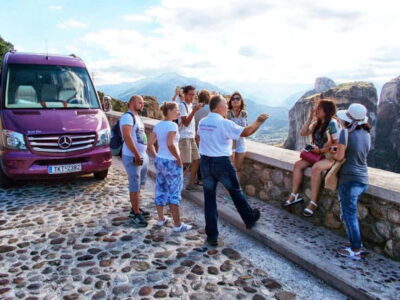
Meteora Monasteries Day Trip with Caves and Lunch
Read our review →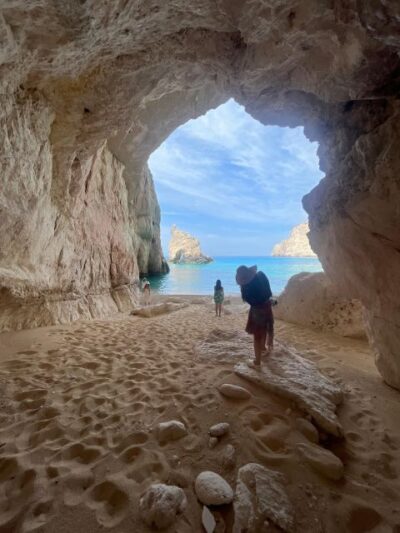
Shipwreck Beach with Blue Caves Land & Sea Tour
Read our review →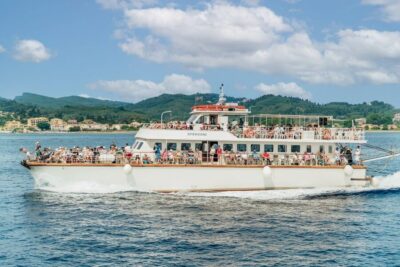
From Corfu Island: Antipaxos & Paxos Blue Caves Boat Cruise
Read our review →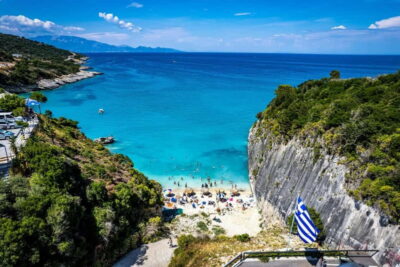
Zakinthos: Shipwreck Beach and Blue Caves Land and Sea Tour
Read our review →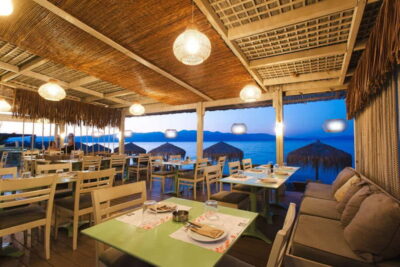
Athens to Meteora: Monasteries, Caves & Seaside Stopovers
Read our review →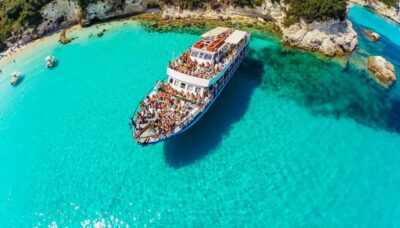
Day Cruise to Paxos, Antipaxos, and Blue Caves
Read our review →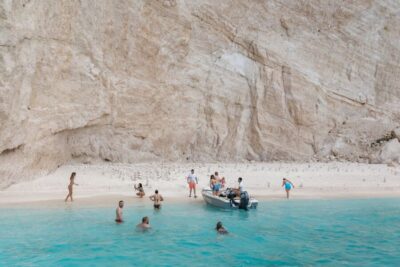
Porto Vromi: Shipwreck, Caves, & White Beach Swimming Cruise
Read our review →Browse the lists this cave appears in