
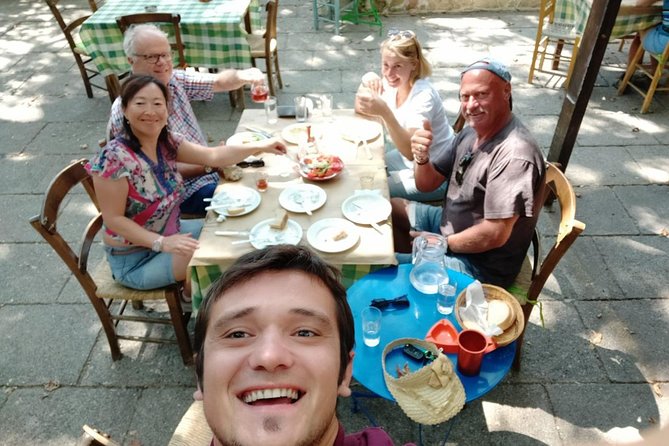
Review · GREECE CAVE TOURS
Lasithi –Plateau Traditional Vilages
The mountains tell a different Cretan story. This six-hour trip from Agios Nikolaos takes you through Kritsa, Katharo Plateau, Lasithi Plateau, and Krasi, mixing village traditions, mountain scenery, old farming methods, mythology, and a local lunch.
I like the small maximum group of 10, which should feel more personal than a large coach outing. I also like that lunch, bottled water, and an air-conditioned vehicle are included. The main point to consider is the physical effort: reaching Zeus’s Cave involves an uphill climb, and the road into the mountains can make for a tight ride when the vehicle is full.
Key points at a glance
- Four very different stops: You move from a historic village to a high mountain plateau, then on to windmills and an ancient plane tree.
- Zeus’s Cave is optional in cost: The cave is near Psychro, but its entrance fee is not included.
- A real mountain route: Katharo Plateau sits at about 1,250 meters, while Lasithi Plateau is around 1,150 meters.
- Lunch adds real value: The price includes a local meal, bottled water, transport, and a six-hour day out.
- Small-group format: The tour accepts no more than 10 people, allowing more room for questions and conversation.
- Good but not effortless: The mountain roads, uphill cave walk, heat, and occasional cramped seating may matter to you.
What this Lasithi tour is really about
This is not a quick photo stop tour along Crete’s coast. You spend the day heading inland and uphill, into villages and plateaus shaped by farming, legends, religious traditions, and Ottoman-era stories.
The route is especially appealing if you want to see a quieter side of Crete. You get a better sense of how mountain communities lived, worked, and adapted to high-altitude conditions. The scenery changes often, so the six-hour schedule feels varied rather than repetitive.
The advertised price is $106.65 per person. That is not a bargain-basement excursion, but it includes an air-conditioned vehicle, lunch, and bottled water. Since the tour is limited to 10 people, the price can make sense if you value a smaller group and do not want to arrange transport through the mountains yourself.
The main caution is comfort. One person described the vehicle as too tight when it was full, with seven people sharing the ride at one point. That may not happen on every departure, but I would ask about the vehicle and expected group size if personal space matters to you.
Other caves people head underground for around Greece:
- From Corfu: Day Cruise to Paxos, Antipaxos, & the Blue Caves
★ 4.3 · 4,800 reviews - Athens: Meteora Monasteries Day Trip with Caves and Lunch
★ 4.7 · 4,670 reviews - Zakynthos: Shipwreck Beach with Blue Caves Land & Sea Tour
★ 4.9 · 3,774 reviews
Kritsa, a village with old Cretan character
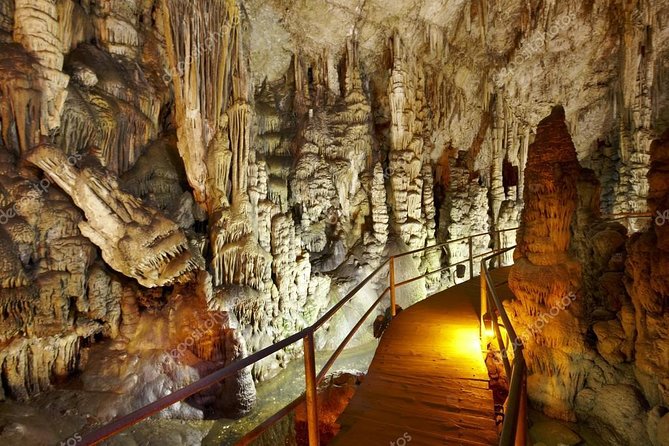
The first stop is Kritsa, a traditional village known for legends, religious monuments, archaeological remains, and its surrounding gorge. You have about an hour here, with no admission fee listed.
I like Kritsa as an opening stop because it gives the tour a human scale. Before you reach the broad mountain plateaus, you get time among old streets, village buildings, and local traditions. The stop also helps place Crete’s myths and religious sites in the setting where people still live, rather than treating them as isolated museum pieces.
The one-hour visit is enough for a look around, but it is not a long village exploration. You should arrive ready to walk and use your time well. If you want a slow coffee, extensive shopping, and a detailed visit to every church or monument, this schedule may feel short.
Kritsa also serves as a useful contrast to the high plateaus later in the day. Here, the focus is on settlement and culture. Later, the focus shifts to open mountain country and farming history.
Katharo Plateau at 1,250 meters
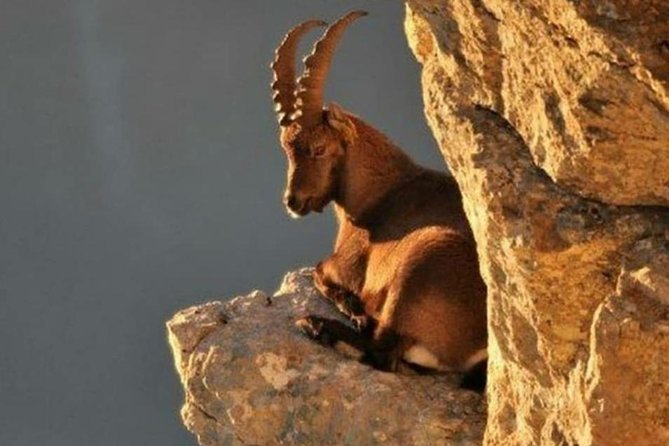
From Kritsa, the route rises to Katharo Plateau, also called the Lower Plateau, at roughly 1,250 meters. You have about an hour to take in the scenery and hear the stories linked to this remote area.
Katharo is known for fossils of the Cretan dwarf hippopotamus. That unusual fact gives the stop more substance than a simple mountain viewpoint. The area also carries legends reaching back through the Ottoman period, so the guide’s explanation is an important part of the visit.
This is one of the best sections for anyone who likes natural history and local storytelling. You are not only looking at hills and open countryside. You are learning how the area changed over time, both physically and through the stories people passed down.
The altitude also matters. Temperatures may differ from those at the coast, and the mountain route can feel more exposed. One person described the heat as heavy during the climb to Zeus’s Cave, so I would bring sun protection and use the included water sensibly. The tour provides bottled water, but you should still avoid treating a mountain day as a casual stroll.
The windmills of Lasithi Plateau
The largest stop is Lasithi Plateau, at about 1,150 meters. You have around two hours here, making it the central part of the outing.
More than 10,000 traditional windmills once operated across the plateau. They helped farmers move water and work the land, turning the area into one of Europe’s early large-scale wind-powered farming zones during the 1950s and 1960s.
That detail makes the windmills more than picturesque objects. They show how practical technology shaped daily life in the region. The plateau’s farming system depended on wind, water, and careful use of the available land. I find that kind of context more rewarding than simply stopping for photographs.
This is also the area connected with Psychro and the Diktaio Cave, traditionally identified as the birthplace of Zeus. The cave entrance fee is not included, so you should budget separately if you want to go inside.
The two-hour allocation gives you more breathing room than the shorter village stops, but it also includes the cave visit if you choose to make it. The exact pace may depend on the group, the road conditions, and how much time you spend walking or taking photographs.
Same corner of the map, a different way in:
- From Corfu Island: Antipaxos & Paxos Blue Caves Boat Cruise
★ 4.7 · 3,690 reviews - Zakinthos: Shipwreck Beach and Blue Caves Land and Sea Tour
★ 4.6 · 3,359 reviews - Athens to Meteora: Monasteries, Caves & Seaside Stopovers
★ 4.7 · 2,958 reviews - From Corfu: Day Cruise to Paxos, Antipaxos, and Blue Caves
★ 4.6 · 2,851 reviews
Zeus’s Cave and the uphill climb
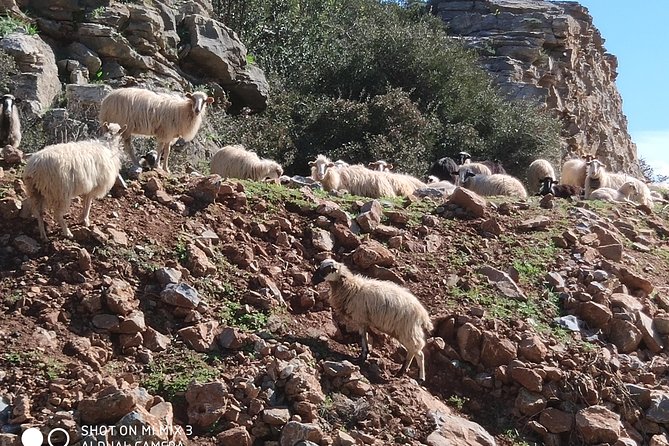
The cave is a major reason many people choose this tour. It links Crete’s mountain scenery with Greek mythology, especially the story of Zeus’s birth.
You should not underestimate the walk. The climb can be demanding, particularly in hot weather. One person described the heat as difficult but still considered the cave worth seeing. Donkeys were available during that visit for the uphill route, but the same person objected strongly to their use, especially for heavier adults in high temperatures.
I would treat the cave as an optional effort, not an obligation. If you are comfortable with an uphill walk, it can be the most memorable part of the day. If you are not, you can still enjoy the plateau and its views without forcing yourself into a difficult climb.
The entrance ticket is separate from the tour price. That is a small but important detail when comparing the total cost. You are paying $106.65 for the transport, guide service, lunch, water, and the wider route, not for every attraction along the way.
Lunch in the mountain villages
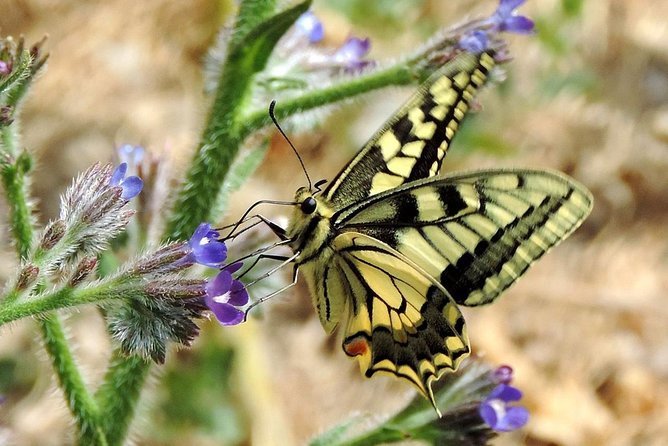
Lunch is included, and it is one of the strongest practical features of the tour. After a morning of village walking and mountain stops, a proper meal gives the day a useful break.
The meal is local rather than a simple packed snack. One account specifically praised the food and mentioned trying goat, which was well received. That gives you a chance to sample something connected to Cretan cooking instead of eating only familiar tourist fare.
I would still keep expectations sensible. The exact menu is not stated, so you should not assume a specific dish or dietary arrangement. If you have food restrictions, ask before booking.
Lunch also improves the value calculation. A six-hour mountain excursion can become expensive once you add transport, food, drinks, and entry fees. Here, the meal and bottled water are already covered, leaving only sightseeing admission costs outside the main price.
Krasi and the giant plane tree
On the descent, the group stops in Krasi for about 30 minutes. The main sight is an enormous plane tree associated with the Cretan writer Nikos Kazantzakis.
The tree’s circumference is said to be about 24 meters, with an estimated age of roughly 2,400 years. A local saying connects each meter of circumference with 100 years of age. That calculation is folklore rather than a scientific dating method, but it adds a memorable human touch to the stop.
The brief visit is mainly for photographs and a quick look. You will not have time for a long village visit, and that is fine. After the high plateaus and the cave, Krasi gives the day a calm final pause before returning downhill.
I like this stop because it connects nature with literature and local identity. It is not the biggest attraction on the route, but it gives the tour a distinctive ending.
The guide and group experience
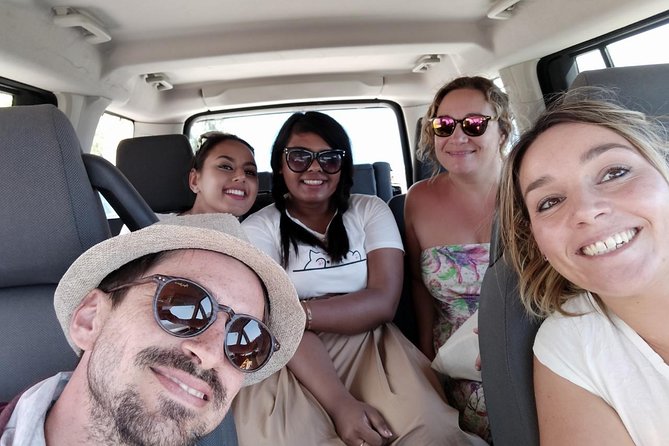
The small-group format is a real advantage here. With a maximum of 10 people, you have a better chance to hear explanations, ask questions, and stay connected to the guide than you would on a large coach.
Nikos was praised as a friendly host and guide, and one parent especially appreciated the way he discussed Greek mythology with a 14-year-old. That suggests the guiding can work well for families and for people who want more than a silent transfer between stops.
The guiding style may not suit everyone. One person felt that the commentary went on too long and included personal views that were not welcome. I would describe this as a possible personality issue rather than a clear fault with the whole tour. Small groups create closeness, which can be excellent when the guide’s style matches yours and less comfortable when it does not.
The clearest practical concern is vehicle space. A full group can make the ride feel cramped, especially on the return journey when people are tired. You may want to ask how many people are booked and what kind of vehicle is being used before you commit.
Timing, pickup, and what to bring
The tour lasts approximately six hours. Pickup is offered, and the listed Wednesday meeting window runs from 9:00 to 10:00 in the operating period provided. Your exact pickup point and time should be confirmed at booking.
The route includes mountain roads, several walking stops, and an uphill option at the cave. I would bring:
- Comfortable walking shoes
- Sun protection
- Extra water, even though bottled water is included
- A light layer for higher elevations
- Money for the cave or other sightseeing entrance fees
- A camera for Krasi’s plane tree and the windmills
The tour is offered in English. Most people can participate, but the cave climb and mountain walking mean you should judge the day by your own fitness rather than by the six-hour duration alone.
Who will get the most from this experience?
I would recommend this tour to you if you want a broad introduction to inland Crete without renting a car. It suits people interested in village life, mythology, natural history, traditional farming, and local food.
Families may also enjoy it, especially if children are curious about Zeus and fossils. The guide’s mythology discussion worked well with a teenager, though the uphill cave route may be tiring for younger children.
It is less suitable if you want a relaxed day with almost no walking. It may also disappoint you if you expect a polished luxury vehicle, lots of free time, or a completely private experience. The small group is better than a large coach, but it is still shared transport.
Is $106.65 good value?
I think the price is reasonable if you use the full package. You receive about six hours of transport and guiding, lunch, bottled water, and access to four distinct locations. The route would be awkward to cover independently without a car, particularly with the high plateaus and scattered stops.
The value drops if you skip the cave, dislike group transport, or prefer to spend a long time in one village. You should also add the cave admission fee to your budget if that is a priority.
For a first look at the Lasithi area, the price buys variety. You are not paying for one monument. You are paying for a full day of movement through mountain villages, farming country, mythology, and food.
Should you book the Lasithi Plateau tour?
Book it if you want an active, culture-focused day from Agios Nikolaos and like the idea of combining Kritsa, mountain plateaus, windmills, Zeus’s Cave, lunch, and Krasi in one route.
I would book with two conditions in mind: confirm the pickup and vehicle details, and prepare for walking in the heat. If you can handle those points, this is a strong choice for seeing inland Crete without arranging the mountain route yourself.
If your priority is comfort above all else, a private outing may suit you better. If your priority is variety, local food, mythology, and a small group at a fair all-in price, this tour deserves a place on your shortlist.
FAQ
How long does the Lasithi Plateau tour last?
The tour lasts approximately six hours.
Where does the tour begin?
The experience is based in Agios Nikolaos, Greece, and pickup is offered. The listed Wednesday meeting window is from 9:00 AM to 10:00 AM.
What language is the tour offered in?
The tour is offered in English.
How many people can join the tour?
The maximum group size is 10 people.
Is lunch included?
Yes. Lunch and bottled water are included in the tour price.
Is the entrance fee for Zeus’s Cave included?
No. Sightseeing entrance fees are not included, so the cave admission cost is separate.
Can I cancel for a full refund?
Yes. You can cancel at least 24 hours before the experience start time for a full refund. Changes or cancellations made less than 24 hours before the start time are not accepted, and the tour may also be canceled if its minimum number of participants is not reached.
Just added around Greece
- Pelion Boat Trip to “Poseidon’s Caves”★ 5.0 · 149 reviews
- Karpathos Aperi Limniotis Cave Hike for stalagmites / stalactites★ 5.0 · 15 reviews
- Knossos & lasithi plateau villages,Zeus’s cave,&olive oil Mill★ 5.0 · 90 reviews
- Psiloritis Mountain and Sfendoni Cave 4×4 Cretan Villages Tour★ 5.0 · 15 reviews
- PRIVATE-Zeus Cave-Knossos-Olive oil Factory-Traditional Villages.★ 5.0 · 69 reviews
- Knossos Cave of Zeus and Olive Oil Factory Full Day Private Tour★ 5.0 · 19 reviews
- PRIVATE-Knossos Palace-Zeus Cave-Olive Oil Tasting-Old Villages★ 5.0 · 81 reviews
- Knossos-Lasithi Plateau-Cave of Zeus for Cruises Heraklion Port★ 5.0 · 26 reviews
Greece Cave Tours, compared.
Day Cruise to Paxos, Antipaxos, & the Blue Caves
Read our review →
Meteora Monasteries Day Trip with Caves and Lunch
Read our review →
Shipwreck Beach with Blue Caves Land & Sea Tour
Read our review →
From Corfu Island: Antipaxos & Paxos Blue Caves Boat Cruise
Read our review →
Zakinthos: Shipwreck Beach and Blue Caves Land and Sea Tour
Read our review →
Athens to Meteora: Monasteries, Caves & Seaside Stopovers
Read our review →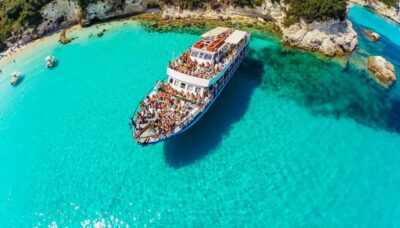
Day Cruise to Paxos, Antipaxos, and Blue Caves
Read our review →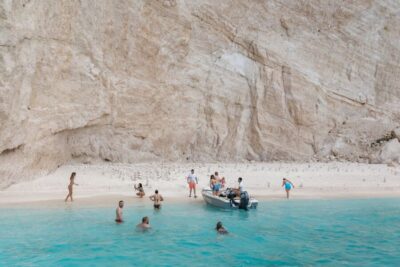
Porto Vromi: Shipwreck, Caves, & White Beach Swimming Cruise
Read our review →Browse the lists this cave appears in