
Review · WINE TOURS
Belgrade: Underground Tour with Glass of Wine
Belgrade keeps secrets below street level. This three-hour walk links the Roman Well, a Tito-era military bunker, and the Barutana gunpowder magazine, then ends with wine in an old cellar. I like the unusual mix of Roman stonework, Austrian military architecture, and 20th-century political history. The main drawback is that the underground stops are not joined by tunnels, so you spend a fair amount of time walking outdoors between them.
I also like the guides’ personal touch. Stefan, Milan, Jovana, Joanna, Nemanja, and others are praised for clear explanations, lively storytelling, and thoughtful answers. Plan for stairs, uneven ground, some uphill and downhill walking, and the possibility that the final wine may be pleasant rather than memorable.
At a glance: what makes this Belgrade tour special
- The Roman Well is Austrian, not Roman: Its name can mislead you, since the well dates from the 18th century and was built by the Austrians.
- You visit three very different underground spaces: The route includes the well, a Cold War-era military bunker, and the Barutana gunpowder magazine.
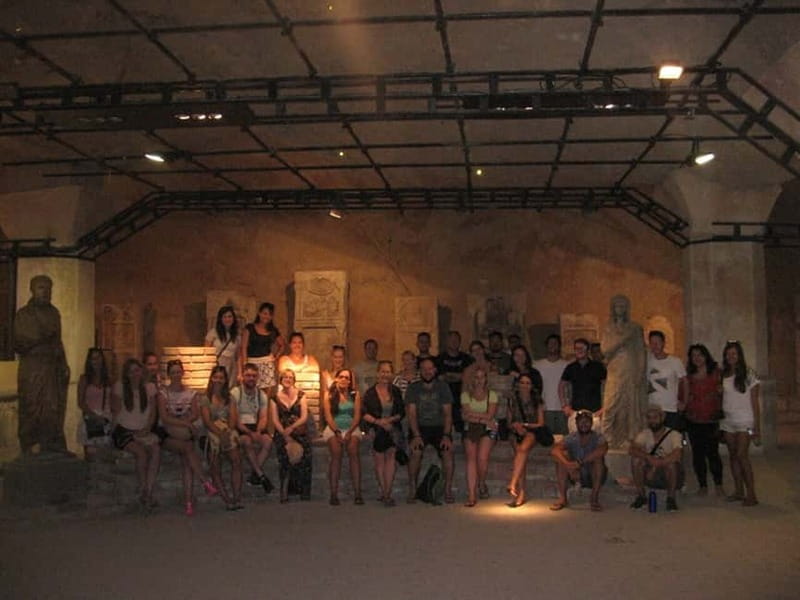
- Barutana holds Roman monuments: Altars, stone fragments, and sarcophagi are displayed inside an Austrian gunpowder storehouse.
- The tour connects several eras: You move from Roman Belgrade to Austrian rule, then to Tito’s Yugoslavia and modern Serbian identity.
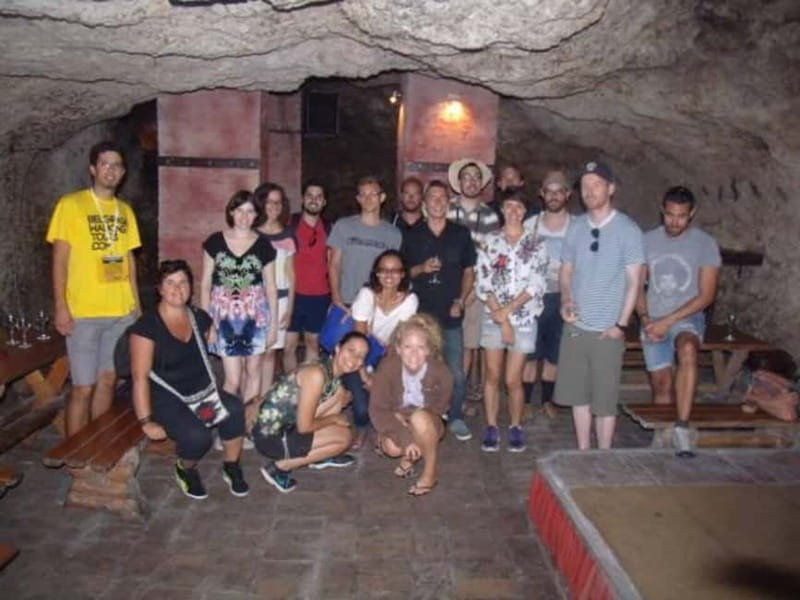
- The wine stop has real atmosphere: Your complimentary glass is served in a 19th-century cellar or cave-like room.
- The walking matters: The sites are not connected below ground, and summer heat can make the outdoor sections tiring.
Why Belgrade’s underground story is worth your time
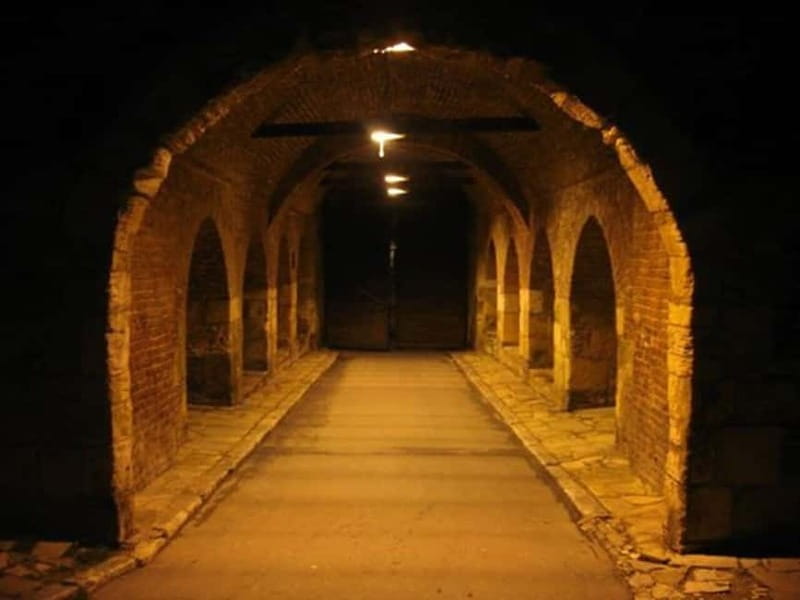
Belgrade Fortress is easy to treat as a scenic overlook above the meeting point of the Sava and Danube rivers. That is only half the story. Under and around the fortress, different rulers built wells, magazines, bunkers, storage spaces, and defensive works. This tour gives you a way to read those layers without spending your day with a dry textbook.
The route is especially useful if you have already seen the main streets and want something less obvious. You will still walk through the old center and fortress area, but the focus is on spaces that many people miss when visiting Belgrade independently.
The guide is central to the experience. The best part is not simply entering a dark room. It is hearing why the room exists, what it was used for, and how it fits into the city’s long record of war, occupation, storage, defense, and survival.
At $23 per person, the price is fair. Entry to the Roman Well, Barutana, and the military bunker is included, along with the wine cellar and one glass of wine. You are also paying for three hours of interpretation, which matters here because the historical context makes the rooms meaningful.
More Wine Tours around the world:
- 4-in-1 Cenote Tour Guided Experience with Breakfast, Lunch & Wine
★ 5.0 · 1,004 reviews - Paris: Les Caves du Louvre Guided Tour with Wine Tastings
★ 4.7 · 932 reviews - Khor Virap, Noravank and Birds’ Cave Trip with Wine Tasting
★ 4.8 · 845 reviews
Meeting the guide at Republic Square
The tour begins at the Prince Mihailo Monument on Republic Square. Look for the guide with a yellow umbrella beside the horseman statue. That is a useful meeting-point detail in a busy central square, so arrive with enough time to locate the group.
The first part is a guided walk through Belgrade, lasting about 30 minutes. This is not wasted time. It gives you basic context before you go below ground and introduces the old city center through stories about Belgrade and Serbia.
The walking pace is generally described as good, with no long photo breaks or awkward pauses. That suits you if you want a tour with plenty of information but not a lecture that drags. The guide may shape the emphasis around the group’s questions, and several guides, including Milan and Stefan, are praised for explaining both history and politics clearly.
The Roman Well and its Austrian origins
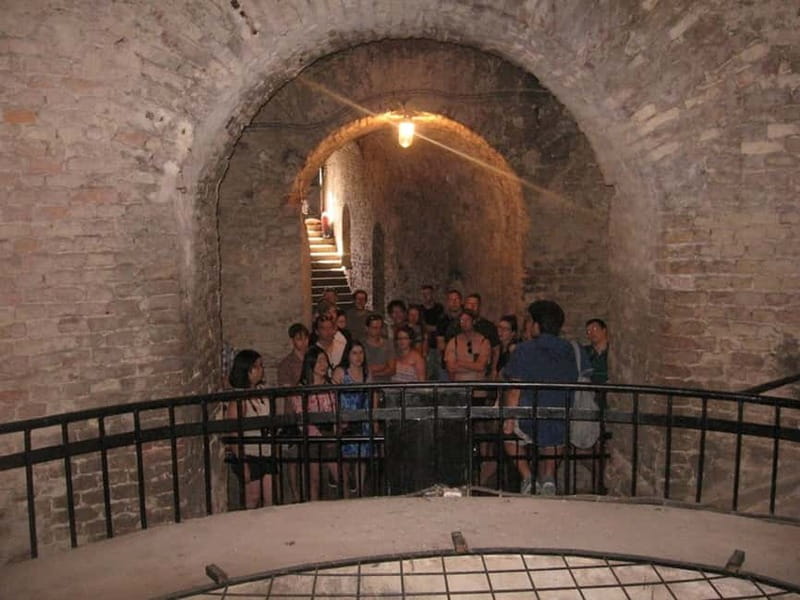
The Roman Well is one of the tour’s strongest stops. You can go down into the well area, take photographs, and hear the story behind one of the fortress’s most curious structures.
Despite its name, the well dates from the 18th century and was built by the Austrians. That detail is worth remembering. The label Roman reflects the older setting and the layers of history around the fortress, not necessarily the date of construction.
The well offers a good lesson in how Belgrade’s past is often complicated. Roman remains, Austrian engineering, Ottoman and Habsburg struggles, and later Serbian history all overlap in this part of the city. Your guide helps separate those periods instead of allowing them to blur into one dramatic but vague story.
Expect about 30 minutes here. That is enough time to see the space and listen, though anyone hoping for an extended underground expedition may find the visit fairly brief. The well is open to the public on this tour, and entry is included.
From the fortress walk to Tito’s bunker
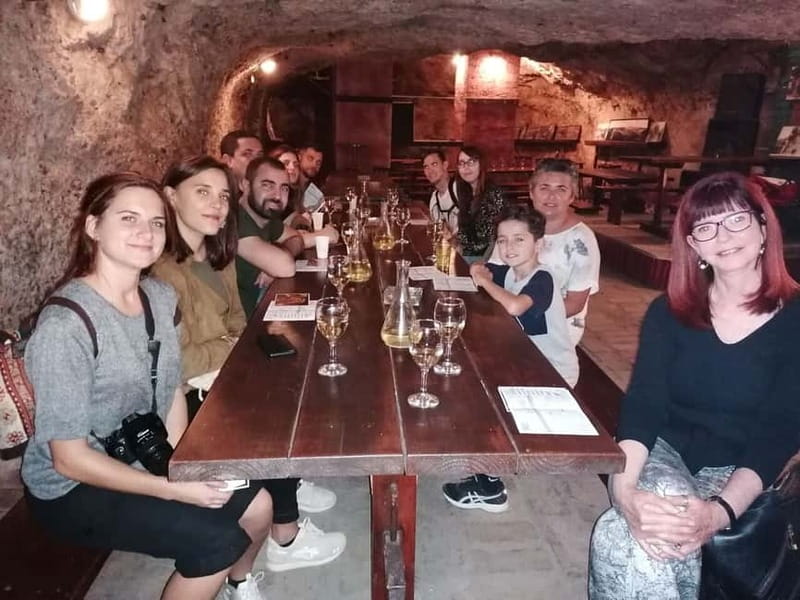
After the well, you walk a short distance through Belgrade Fortress before reaching the military bunker. This section takes about five minutes, but the wider route includes more outdoor walking between underground stops.
The bunker dates from the period when Tito was in power. It brings the story into the 20th century and shifts the mood from imperial defense to Yugoslavia’s military and political world.
You can expect roughly 30 minutes inside the bunker, including a guided explanation and time for photographs. This is a useful stop if you want more than ancient ruins. The bunker shows how Belgrade continued to prepare for danger long after Roman and Austrian military works had become historical sites.
The enclosed setting is also one reason the tour is not suitable for people with claustrophobia. The spaces are underground and may feel tight, even though the tour is not described as an extreme physical activity. If enclosed rooms make you uneasy, consider choosing a different fortress walk.
A few more cave trips around the world worth a look
- Chichen Itza, Cenote, and Valladolid Tour
★ 5.0 · 24,293 reviews - Naples: Naples Underground Entry Ticket and Guided Tour
★ 4.4 · 21,781 reviews - Chichen Itza, Cenote & Valladolid Tour with Tequila and Lunch
★ 4.5 · 15,789 reviews - Colosseum: Underground and Ancient Rome Tour
★ 4.7 · 12,691 reviews
Barutana: Roman sarcophagi inside an Austrian magazine
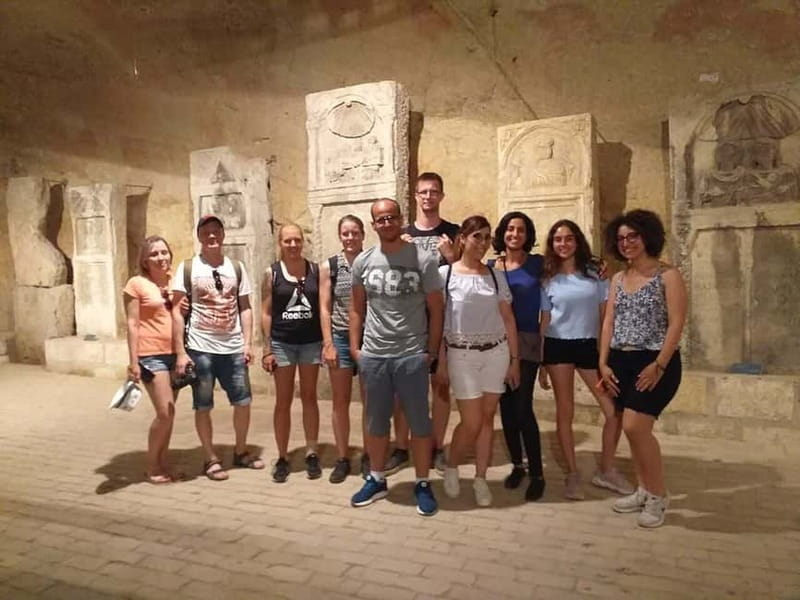
The Barutana, or Big Gunpowder Magazine, is the longest stop, with about 45 minutes set aside for the visit. It was built as an Austrian gunpowder storehouse and now contains Roman stone monuments, altars, and sarcophagi.
This pairing is what makes the stop so interesting. You are not simply looking at Roman objects in a museum gallery. You are seeing them in a later military building, where the walls and their contents belong to different chapters of Belgrade’s past.
The sarcophagi are the main visual draw, but listen for the smaller pieces too. Roman altars and stone fragments help show how much earlier material survives in and around the fortress. The guide’s explanation turns a collection of heavy stone objects into evidence of the city’s earlier life.
Barutana is also a good place to appreciate the tour’s basic idea: Belgrade was repeatedly rebuilt, defended, and reused. A storehouse created by one power can later become a setting for monuments from another civilization.
You should allow time for photographs, but keep your attention on the guide. The value here is not only the objects themselves. It is the explanation of why they are gathered in this building and how the fortress changed hands and purpose over time.
Outdoor walking between the underground stops
This is the practical point most likely to surprise you. The Roman Well, bunker, Barutana, and final wine stop are not connected by one continuous tunnel system.
You walk above ground between the locations, including around the fortress and old city. One route description includes a 20-minute walk after Barutana, and the full experience includes stairs, some uphill and downhill stretches, and uneven surfaces.
In warm weather, this makes a real difference. The underground rooms offer welcome coolness, but the outdoor sections can be hot. Bring a hat and a bottle of water during summer, and use sunscreen. Comfortable shoes are essential, not optional.
The walking is part of the experience because you see the fortress as a living historic area rather than a string of isolated rooms. Still, if you want a fully underground tour, this is not that. Think of it as a history walk with several underground visits.
The final cellar and glass of Serbian wine
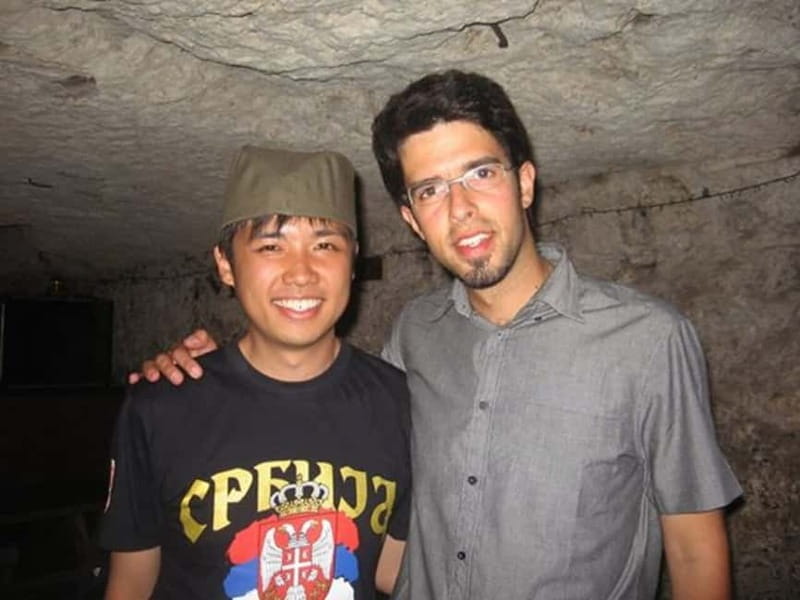
The tour finishes at a secret stop, described as a 19th-century wine cellar or cave-like room. You receive one glass of wine and have about 30 minutes for a break, photographs, and conversation.
This ending works because it slows the pace after the fortress walks. You can ask follow-up questions, discuss the sites, and enjoy a more social finish than simply leaving at the final bunker.
The setting is more important than the quantity. You are not attending a full wine tasting with several pours. It is one complimentary glass in an atmospheric historic space. Some visitors have especially liked the white wine, while another found the wine quality weaker than expected. I would treat the drink as a pleasant extra, not the main reason to book.
The wine stop also adds a local touch without turning the tour into a food-and-drink outing. If you enjoy learning about a place through its old storage spaces, military rooms, and cellar traditions, this is a satisfying way to finish.
The official finish is at Karađorđeva 31 in Belgrade. That gives you a clear endpoint rather than returning you to Republic Square, so keep your onward plans flexible.
The guides make or break the history
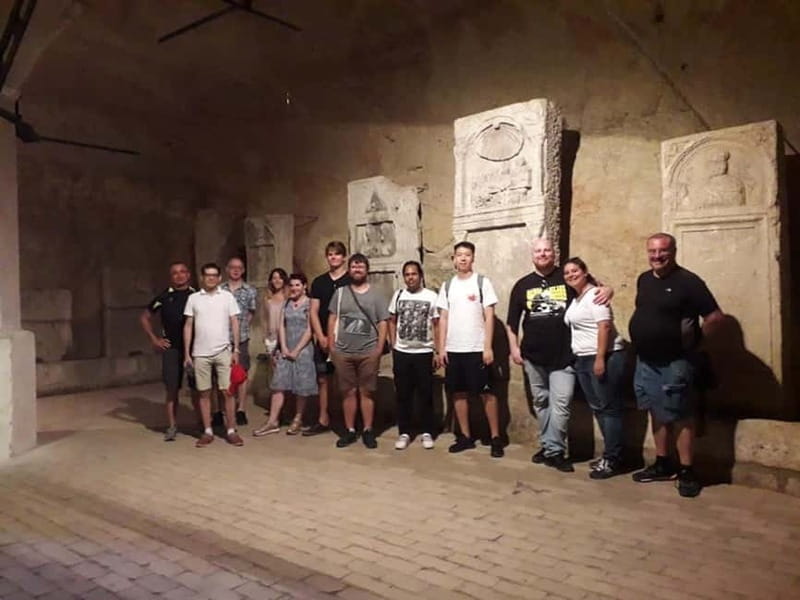
The strongest part of the experience is the guiding. Several named guides receive especially warm praise, including Stefan, Milan, Jovana, Joanna, Nemanja, Michael, Mihailov, and Novi. The descriptions point to a consistent pattern: clear explanations, enthusiasm, good pacing, and a willingness to answer questions.
Milan is praised for discussing history and politics in an engaging way. Jovana is described as charming and lively, while Stefan is noted for being approachable and eloquent. Joanna is praised for making dead walls, old passages, and military structures feel relevant.
That matters because underground sites can be visually modest. A bunker may consist of concrete rooms. A magazine may be dark and plain. The guide supplies the connections that photographs cannot.
The experience also appears to work for small groups. A private group once received a departure even when only two people were attending, and the guide continued with a full explanation. You should not assume every departure will be private, but the company’s flexibility has been a positive part of the experience for some bookings.
The tour is conducted in English. If you enjoy asking questions, this is a good format. If you prefer silent sightseeing at your own pace, the three-hour guided structure may feel more directed than you want.
Who will enjoy this tour most
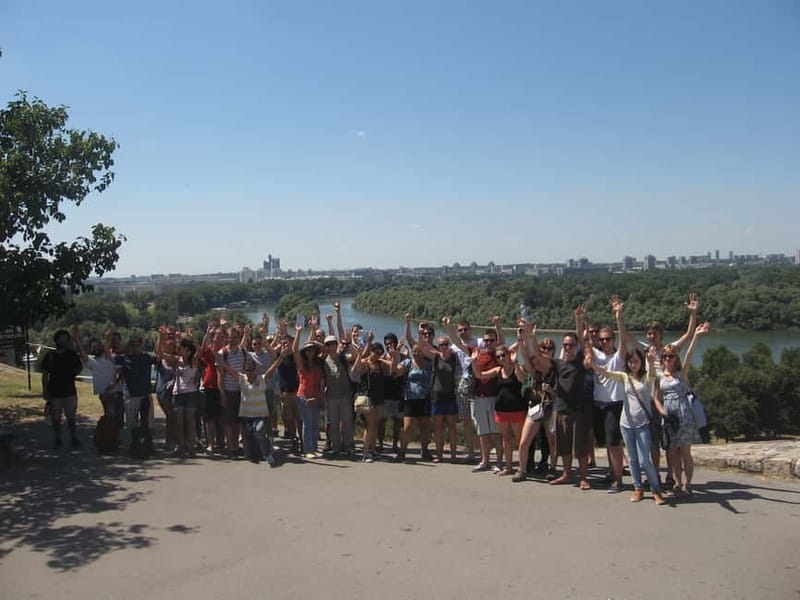
I would recommend it to you if you:
- Want to see parts of Belgrade Fortress beyond the usual viewpoints
- Enjoy military history, Cold War stories, archaeology, or unusual historic buildings
- Prefer a guide who explains context rather than simply naming monuments
- Have about three hours for a mix of walking and indoor visits
- Like ending a sightseeing activity with a drink and conversation
- Are comfortable with stairs, uneven ground, and enclosed spaces
You may want to skip it if you dislike underground rooms, have claustrophobia, or want a tour based almost entirely on ancient Roman remains. The Roman material is important, but the experience also covers Austrian fortifications, Tito-era military history, old storage caverns, and modern Serbia.
It is also less suitable if hot-weather walking is difficult for you. The cool bunker and cellar help, but they do not erase the outdoor stretches.
Price, pace, and practical value
At $23, this is one of the better-value ways to spend half a day in central Belgrade. The price covers three paid underground attractions, the wine cellar, one glass of wine, and an English-speaking guide.
The value rises if you would otherwise struggle to find these entrances or understand their purpose. The Roman Well and Barutana are not simply places you pass on a standard city walk. The bunker adds a more recent layer that many fortress visits leave out.
The pace is another strength. The experience gives roughly 30 minutes to the Roman Well, 30 minutes to the bunker, 45 minutes to Barutana, and 30 minutes to the final cellar, with walking and explanations between them. You get enough time to understand each stop without spending an entire day underground.
Book with free cancellation up to 24 hours before the start if your plans are uncertain. You can also reserve and pay later, which is useful when building a flexible Belgrade schedule. Starting times vary, so check the available departure before planning meals or other timed visits.
My final verdict: should you book it?
Book this tour if you want Belgrade’s fortress to feel like more than a viewpoint and a collection of walls. The Roman Well, Barutana’s sarcophagi, and Tito-era bunker offer three very different experiences, while the guides add the historical links that make them worth visiting.
I would especially choose it early in your Belgrade stay. The tour gives you useful context for the fortress, the old center, Serbia’s political past, and the city’s habit of building new uses into old spaces.
Go prepared for outdoor walking, stairs, heat in summer, and enclosed rooms. If that sounds fine, $23 buys a lively, well-paced introduction to Belgrade’s less visible history, with a glass of wine in an old cellar as a fitting final stop.
FAQ
How long does the Belgrade underground tour last?
The tour lasts three hours, including walking, guided visits, photo stops, and the final wine break.
Where does the tour begin?
It begins at the Prince Mihailo Monument in Republic Square. Look for the guide holding a yellow umbrella beside the horseman statue.
Where does the tour finish?
The tour finishes at Karađorđeva 31, Beograd 11000, Serbia.
What language is the tour conducted in?
The live guided tour is conducted in English.
What underground places does the tour visit?
It visits the Roman Well, a military bunker from Tito’s period, and the Barutana, also called the Big Gunpowder Magazine.
Is the Roman Well actually Roman?
The well dates from the 18th century and was built by the Austrians. The tour explains its place within Belgrade’s much older historical setting.
Is wine included in the price?
Yes. The experience includes entry to the wine cellar and one glass of wine at the end.
What should I bring?
Bring comfortable shoes. In hot summer weather, also bring a hat and a bottle of water.
Is the tour suitable for people with claustrophobia?
No. The tour is listed as unsuitable for people with claustrophobia because it includes underground and enclosed spaces.
Just added around the world
- From Geysir: Snowmobiling & Ice Cave on Langjökull Glacier★ 4.4 · 100 reviews
- From Faro: Benagil Cave and Seven Hanging Valleys Trail Tour★ 5.0 · 584 reviews
- From Geneva: Chamonix, Mont Blanc & Ice Cave Guided Day Tour★ 4.8 · 572 reviews
- From Faro: Boat trip to Benagil Cave & Praia da Marinha★ 4.7 · 256 reviews
- From Durres: Speed Boat to Sazan Island, Cave & Karaburun★ 4.9 · 147 reviews
- From Durrës/Golem: Sazan & Ali Cave & Karaburun Boat Tour★ 4.6 · 35 reviews
- From Faliraki : Speedboat tour kalithea caves&antony kouin★ 5.0 · 25 reviews
- From Chiang Mai: Chiang Dao Cave Trekking Full-Day Tour★ 4.8 · 126 reviews
Wine Tours, compared.

4-in-1 Cenote Tour Guided Experience with Breakfast, Lunch & Wine
Read our review →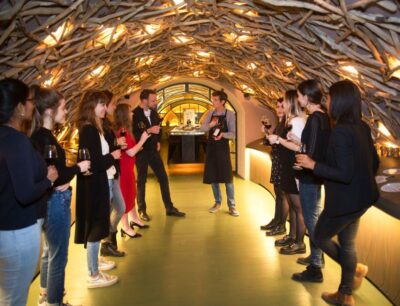
Les Caves du Louvre Guided Tour with Wine Tastings
Read our review →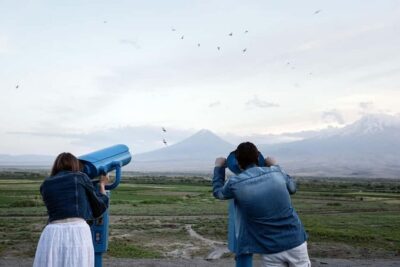
Khor Virap, Noravank and Birds’ Cave Trip with Wine Tasting
Read our review →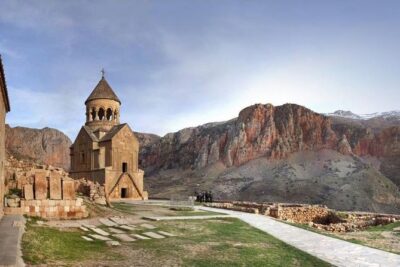
Group tour: Khor Virap, Noravank, Areni Winery and Cave
Read our review →
Dijon: La Cave du Palais Burgundy Wine Tasting Experience
Read our review →
Beer and Wine Spa Bath with Salt Cave Experience
Read our review →
Margaret River, Caves, Wine and Cape Leeuwin Lighthouse Tour from Perth
Read our review →Browse the lists this cave appears in