
Review · FRANCE CAVE TOURS
Dordogne Day Tour : Prehistory and The Art of the Caves from Sarlat
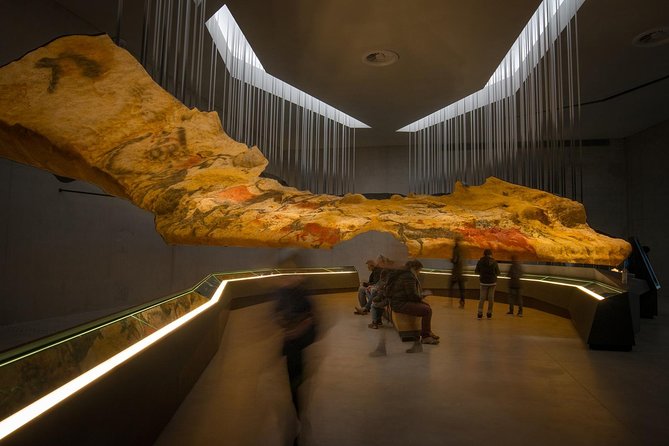
Ancient art waits beneath the Dordogne. This nine-hour small-group outing links the National Museum of Prehistory, dramatic cliff shelters, and Lascaux IV into one carefully timed day. I like the way the museum gives you a useful foundation before the cave visits, and I like the small maximum of eight people, which makes it easier to ask questions and hear your guide. The main drawback is that English-language cave tours are limited, and the Lascaux visit can feel crowded or rushed.
The tour costs about $199.55 per person and begins at 9 a.m. at Place Pasteur in Sarlat-la-Canéda. You must get yourself to the meeting point, and lunch is extra. Come prepared for stairs, a cool cave temperature of about 13°C, and a long day focused on archaeology rather than relaxed village wandering.
Quick reasons to consider this day
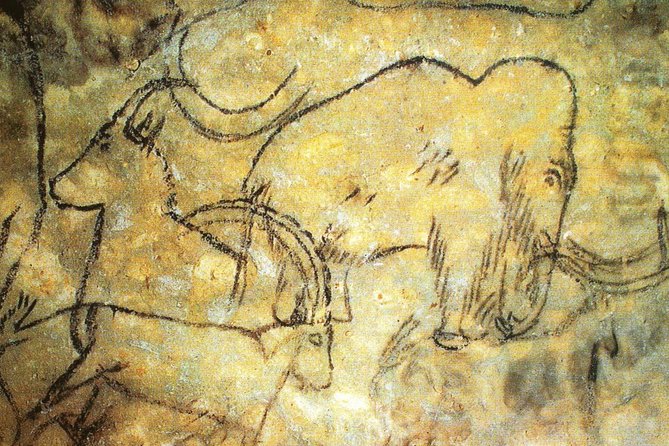
- The museum comes first: The National Museum of Prehistory helps you understand the tools, human species, and Paleolithic art you will see later.
- A rare look at cave art: Lascaux IV recreates the famous decorated cave, while other versions of the tour may include the genuine Grotte de Rouffignac.
- Small-group transport: The van carries no more than eight people, allowing for a more personal day than a large coach tour.
- Guides make the difference: Guides including Benoît, Martin, Anne, Florence, Marion, Miriam, and Emilion have been praised for clear explanations and strong local knowledge.
- Lunch is flexible: Your guide can suggest a local restaurant, but you pay for the meal yourself.
- Check the exact cave plan: The supplied schedule names La Roque Saint-Christophe, while many descriptions of the day refer to Rouffignac. Confirm the stops and order before booking.
Why this Dordogne prehistory tour works
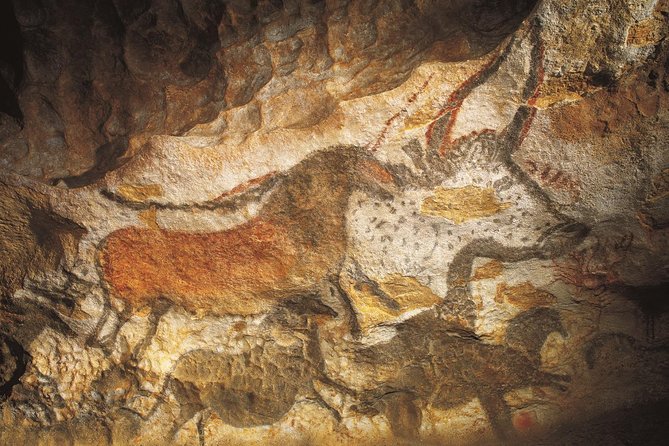
The Dordogne is not a place where you simply walk into an ancient painted cave and look around. Access is controlled, timed, and often conducted in French. That makes a good guide unusually useful.
This tour gives you a sequence: first the objects and dates, then the human use of the cliffs, then the cave art. I like that order. Without context, a carved animal or chipped stone can be impressive but hard to understand. After the museum, you begin to see these places as parts of a long human story rather than isolated sights.
The small group is another real benefit. With no more than eight people, your guide can point out a village, answer a question about Neanderthals, or explain a painting technique without shouting across a bus. Several guides have been praised for making complicated material easy to follow, especially in the museum, where the displays can otherwise become a tiring wall of artifacts.
The experience is not equally strong at every stop. Lascaux IV is technically impressive, but it attracts many people and its guided cave presentation can be difficult to hear or see clearly when the group is crowded. The genuine cave experience at Rouffignac, when included, has often been described as quieter and more powerful. Since the supplied schedule names La Roque Saint-Christophe rather than Rouffignac, confirm your exact route before you pay.
A few more cave trips around France worth a look
- Paris: Catacombs Entry & Seine River Cruise with Audio Guide
★ 4.4 · 1,150 reviews - Paris: Catacombs, Audio Guide, and River Cruise Option
★ 4.6 · 966 reviews - Paris: Les Caves du Louvre Guided Tour with Wine Tastings
★ 4.7 · 932 reviews
The National Museum of Prehistory in Les Eyzies
The day begins with about two hours at the Musée National de Préhistoire. This is the right place to start because it gives you a framework for everything that follows.
The collection covers early human life in the region, including tools, bones, and examples connected with Paleolithic culture. There is a great deal to see, and it would be easy to wander without a plan. A strong guide earns the admission price here by directing your attention to the most useful objects and explaining the human timeline in plain language.
Guides such as Anne, Benoît, Martin, and Marion have been praised for their museum introductions. Their role is not just to recite dates. They help you connect the displays with the caves, explain the differences between human species, and point out how tools were made and used.
I especially like this stop for families and anyone who does not normally spend hours in archaeology museums. Children may not remember every date, but a guide can turn a display case into a story about hunting, shelter, art, and survival. Children under four are not permitted on the tour, and all children must be accompanied by an adult.
Two hours is enough for a guided overview, but not enough for every gallery. If you are a serious archaeology enthusiast, you may wish you had longer. The tour’s purpose is to prepare you for the caves, not to provide a full museum study day.
La Roque Saint-Christophe and the cliff shelters
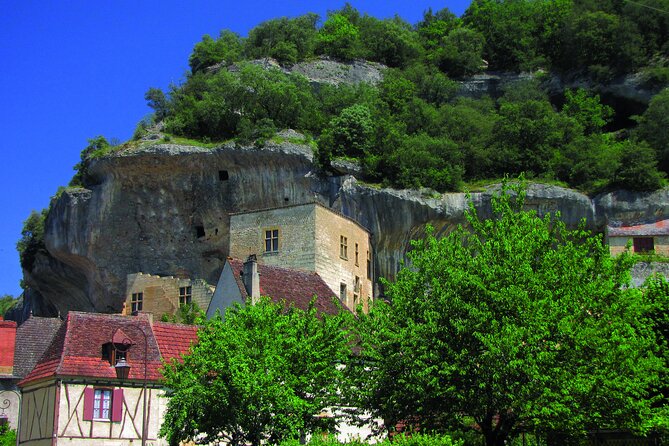
The published route includes about two hours at La Roque Saint-Christophe, a tall limestone cliff shaped by long human use. The site shows how people adapted homes, work areas, and defensive structures to a natural rock face.
This is a useful complement to the cave visits. Paleolithic people did not live only in painted chambers. The wider Dordogne was a place of shelters, movement, storage, and later cliffside settlement. At La Roque Saint-Christophe, the rock itself becomes part of the story.
Expect explanations about prehistoric shelters and the engineering used to build into the cliff. The site also involves climbing stairs, so it is not suitable for anyone with mobility problems. Wear practical shoes and do not treat this as an easy, flat museum visit.
There is an important point to settle before booking. Many accounts of this experience describe a visit to Grotte de Rouffignac instead of La Roque Saint-Christophe. Rouffignac is known for its underground train ride and genuine prehistoric drawings, and several accounts describe it as the strongest part of the day. The information supplied for this booking lists La Roque Saint-Christophe, so the route may vary with reserved time slots or with the version being sold.
Ask the operator which cave is included on your date. That one question could change the character of your day.
Lunch in Montignac, with your own choice of restaurant
The itinerary allows about two hours for lunch in Montignac-Lascaux. This break is not included in the price, which gives you freedom but also means you should plan ahead.
Your guide can recommend a restaurant, and past guide suggestions have been praised. Some outings have also included a stop in Saint-Léon-sur-Vézère, a small and peaceful village that can provide a pleasant change from museums and cave sites. That extra stop is not guaranteed, so think of it as a possible bonus rather than a promise.
Two hours gives you time to eat without swallowing your meal between timed entries. Still, the exact schedule can change because Lascaux IV uses reserved entry slots. If lunch is delayed, you may have less time than expected. Ask your guide about the day’s timing early in the morning.
I would not count on a quick snack unless your guide confirms the plan. This is a full-day outing, and the lunch stop is your main chance to sit down, eat properly, and rest your feet.
Same corner of the map, a different way in:
- Paris: Catacombs Ticket and Seine River Cruise
★ 4.1 · 853 reviews - Paris Catacombs Tour
★ 4.5 · 832 reviews - Paris: Catacombs Special Access Tour
★ 4.7 · 805 reviews - From Geneva: Chamonix, Mont Blanc & Ice Cave Guided Day Tour
★ 4.8 · 572 reviews
Lascaux IV: a polished recreation of a famous cave
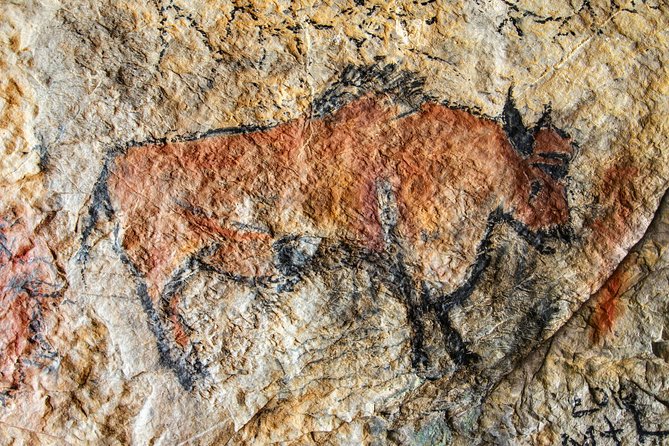
The final major stop is Lascaux IV, a full-scale recreation of the famous decorated cave. The original Lascaux cave is closed to ordinary public access, so this replica is the practical way to see the paintings in a controlled setting.
Lascaux IV is more than a painted corridor. It presents the cave’s discovery and uses modern displays to explain the art, the setting, and the methods used to reproduce the original surfaces. For many people, the sight of the animals and markings is the emotional high point of the day.
The replica also solves a major preservation problem. Large numbers of people cannot be sent into the original cave without damaging its fragile interior. Lascaux IV lets you see the painted forms while protecting the original site.
There are two cautions. First, the Lascaux cave portion may be conducted in French. English-language tours are limited, and simultaneous translation inside the cave is not permitted. Your English-speaking guide is expected to explain the site before and after your timed cave visit, but you should not assume that every word inside the cave will be translated.
Second, the site can feel crowded. A large group around a guide may make it hard to see exactly where a flashlight is pointing, and some people have found the commentary difficult to hear. One guide’s English was described as heavily accented, while other guides, including Anne and Emilion, were praised for giving clear explanations around the cave visit.
Your guide matters here. A good pre-visit briefing helps you know what to look for, from animal forms to the way the artists used the shape of the rock. If you have only limited time at Lascaux IV, stay focused and do not spend the first part of the visit trying to work out the layout.
Rouffignac, if it is part of your departure
Because so many descriptions of the experience refer to Rouffignac, it deserves separate attention. At this site, a small electric train carries you farther into the cave. The ride gives the visit a different feel from Lascaux IV, where you see a replica in a purpose-built complex.
Rouffignac contains genuine prehistoric art, including drawings and engravings. Several guides have used the ride and the underground setting to explain how the cave was formed and how the art was made. The experience can feel more direct because you are in the original cave system rather than a reconstruction.
The local cave guide may speak French, so your own guide’s explanation before and after the ride is important. If you do not understand French, ask your English-speaking guide to explain the main features in advance.
Again, confirm the stop. It would be frustrating to expect Rouffignac and arrive at a different site, or to expect La Roque Saint-Christophe and find that the day has been altered by the Lascaux entry schedule.
The guides are the heart of the experience
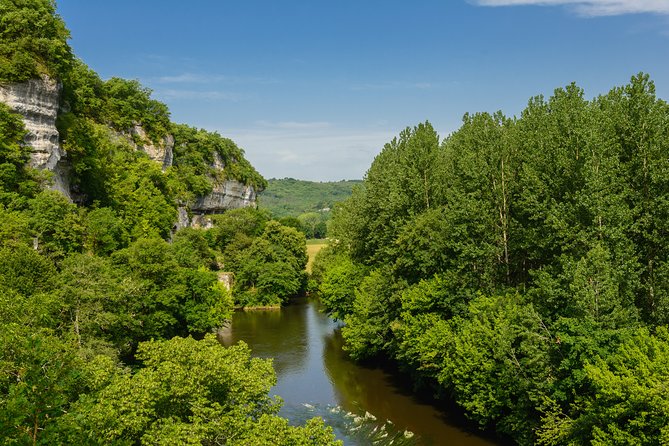
The strongest part of this tour is the person in the front seat. Guides named Benoît, Martin, Anne, Florence, Marion, Miriam, and Emilion have each been praised for being friendly, professional, and well informed about both prehistory and the modern Dordogne.
Benoît is especially associated with lively explanations of human prehistory, the museum collections, and the theories behind the cave paintings. Martin has been praised for adding useful sights along the route and managing the clock well. Anne has been appreciated for restaurant suggestions and practical advice in Sarlat.
That quality is not guaranteed on every departure. One poor experience involved confusion at the meeting point, a late arrival, and a guide who left rather than delay the rest of the group. The operator’s response was that the group could not be held indefinitely because the day included timed visits. Both points matter.
Arrive early at Place Pasteur. Do not assume the van will be in the large parking area, and read the meeting instructions carefully. A shared small-group tour cannot offer the flexibility of a private vehicle, especially when tickets are reserved for a specific time.
Price, group size, and what you receive
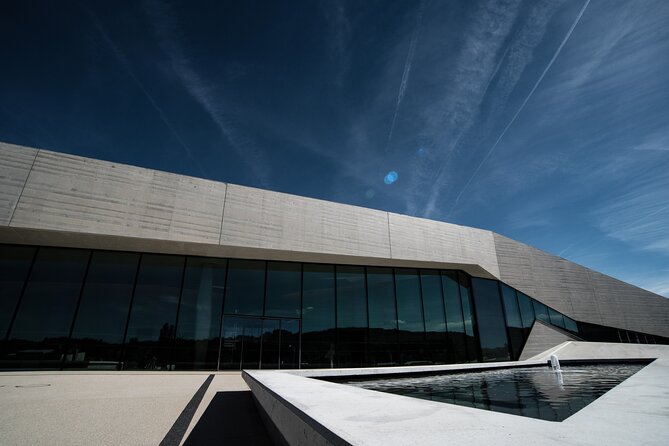
At about $199.55 per person, this is not a bargain outing, but the price includes the main entrance fees, transport during the day, and an English-speaking driver-guide. You also avoid arranging several difficult reservations on your own.
The value is strongest if you want interpretation. If you simply need transport to Lascaux IV, the price may feel high. If you want someone to explain the museum, place the cave art in context, recommend lunch, and manage the timing, the cost becomes easier to justify.
The van holds a maximum of eight people. That is small enough for personal attention but not small enough to guarantee a private experience. A group of eight can also feel crowded at the cave sites, particularly when local guides gather several groups together.
Hotel pickup and drop-off are not included. The tour begins and ends at Place Pasteur in Sarlat, so you need to arrange your own way there and back. If you are staying outside Sarlat, contact the operator before booking rather than assuming a pickup can be added.
Who should book this tour?
I would recommend it to you if you have a full day in the Dordogne and want the major prehistoric sights explained in English. It is especially useful for first-time visitors, families with older children, and anyone who would rather not manage museum tickets, cave reservations, and rural transport.
It is also a good choice for people who like history but do not want to read every museum label. Your guide can help you focus on the objects and paintings that matter most.
You may prefer a private tour if your group is larger than four, if you need a very flexible schedule, or if mobility concerns make stairs difficult. The day includes climbing, timed entries, and a long period in a van. It is not designed for a slow, spontaneous pace.
Wear warm layers for the cave, even in summer. At about 13°C, the underground sections are chilly. Bring practical shoes, arrive early, and keep your lunch plans flexible.
Should you book the Dordogne cave tour?
Yes, if your main goal is to understand the Dordogne’s prehistoric art rather than simply photograph a famous site. The museum, guide commentary, cliff dwellings, and cave visits form a strong educational day, and the small group is a major advantage.
Book with one condition: confirm whether your date includes La Roque Saint-Christophe or Rouffignac, and ask how much English explanation will be available at the cave sites. If the schedule is clear and you arrive on time, this tour offers a practical way to reach places that are awkward to combine independently.
FAQ
Where does the tour begin?
It begins at 9:00 a.m. at Place Pasteur in Sarlat-la-Canéda, France.
Where does the tour end?
The activity ends back at the meeting point in Sarlat.
Is hotel pickup included?
No. Hotel pickup and drop-off are not included.
How long does the tour last?
The tour lasts about nine hours.
How many people can join the tour?
The group has a maximum of eight people.
Is lunch included?
No. Lunch is not included. You can choose a restaurant, with suggestions from your guide.
Are the entrance fees included?
Yes. Admission to the Prehistory Museum, Lascaux IV, and La Roque Saint-Christophe is included in the supplied tour details.
Is the tour conducted in English?
The driver-guide and professional guide provide English commentary. English tours inside Lascaux IV are limited, and many cave visits are conducted in French. Your guide explains the cave before and after the visit because simultaneous translation inside is not allowed.
Is the tour suitable for children?
Children must be accompanied by an adult, and children under four are not allowed.
Is the tour suitable for people with mobility issues?
No. The visit includes climbing stairs and is not recommended for people with mobility issues.
What should I wear inside the caves?
The caves are cold, about 13°C or 56°F. Warm clothing is strongly recommended.
Can I bring a pet?
No. Pets are not allowed on the tour.
Can I cancel for a full refund?
You can cancel up to 24 hours before the experience begins for a full refund. Cancellations or changes made less than 24 hours in advance are not accepted for a refund.
Just added around France
- CAVES of CERDON and Prehistoric Leisure Park – Entrance ticket★ 4.5 · 76 reviews
- Cave Museum Village Troglodyte of Rochemenier Admission Ticket★ 4.5 · 143 reviews
- Napoleon Cave – Entertainment – Discovery/drink package★ 4.5 · 15 reviews
- Full-day Saint-Emilion: Village, Undergrounds and Châteaux★ 4.5 · 55 reviews
- The Napoleon Cave – complete package (Corsican meal)★ 5.0 · 68 reviews
- Porto-Vecchio : Boat Trip to Lavezzi, Caves & Bonifacio★ 4.7 · 61 reviews
- Paris: Catacombs Tour with Restricted Areas★ 4.8 · 64 reviews
- Paris: Small-Group Catacombs Tour with Skip-the-Line Entry★ 4.9 · 110 reviews
France Cave Tours, compared.
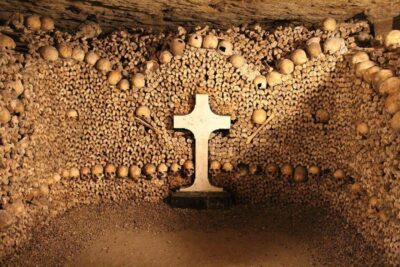
Catacombs Entry & Seine River Cruise with Audio Guide
Read our review →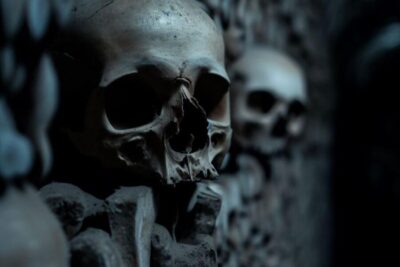
Catacombs, Audio Guide, and River Cruise Option
Read our review →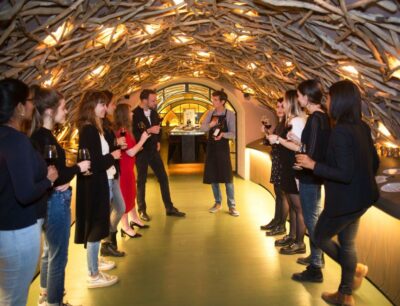
Les Caves du Louvre Guided Tour with Wine Tastings
Read our review →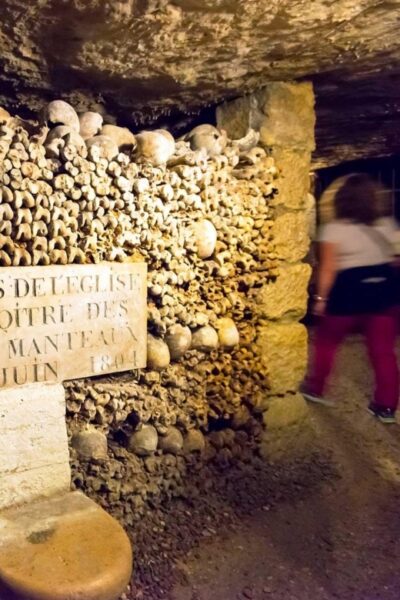
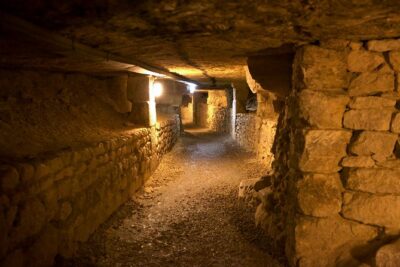
From Geneva: Chamonix, Mont Blanc & Ice Cave Guided Day Tour
Read our review →
Browse the lists this cave appears in