
Review · USA CAVE TOURS
Chicago Architecture Tour: Underground Pedway and the Loop
Chicago has a secret below street level. This two-hour walk follows the Chicago Pedway, linking downtown buildings, public art, shops, and civic spaces that many first-time visitors miss. I like the small group size, capped at 15, and the way the tour works in cold or rainy weather. The main drawback is that you will use plenty of stairs, and the route changes somewhat between weekdays and weekends.
I also like that this is not just a tunnel walk. You get city history, architecture, navigation tips, and a close look at Picasso’s famous public sculpture. The guides, including Heath, Adam, Kaylee, Hillary, Colleen, Jessica, Henry, and Jess, have earned praise for making the subject lively and easy to follow. Still, guide quality can vary, with one serious complaint about a poorly handled tour, so the otherwise excellent 4.9 rating should not make you expect perfection every time.
Key points to know before booking
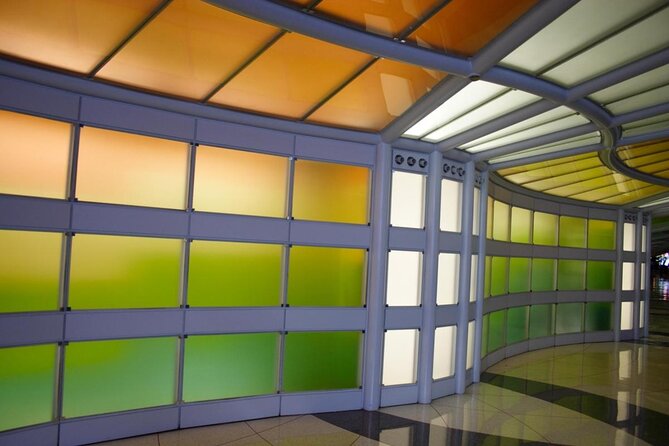
- Most of the route is indoors: This is a smart choice for Chicago’s freezing winter days, wet afternoons, or harsh wind.
- The Pedway is a real navigation lesson: You learn how downtown’s underground walkways connect, not just hear a few facts and leave.
- Small groups help: A maximum of 15 people makes it easier to hear the guide and ask questions.
- Weekends offer extra interiors: The Chicago Cultural Center is included on weekend departures, while the Macy’s interior is handled differently by day.
- Expect stairs: The walk is not described as strenuous, but there are many stairs, with elevators sometimes available.
- The tour ends near Millennium Park: You finish at Aqua, 225 N Columbus Drive, which makes it easy to continue sightseeing.
Why Chicago’s Pedway makes a good tour subject
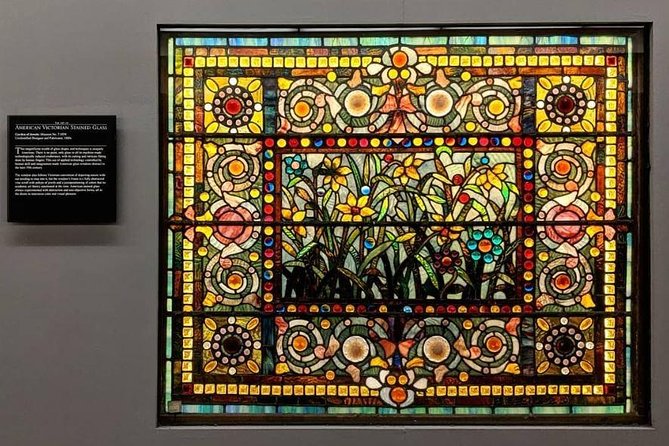
Chicago is famous for grand towers, bridges, and riverfront architecture. Yet the city also has an indoor route system running beneath and through the Loop. The Pedway is not one polished underground boulevard. It is a network of tunnels, stairs, building passages, commercial spaces, and connections that can feel confusing when you first encounter it.
That confusion is exactly why a guided walk helps. Signs are not always obvious, and the route passes through places serving different purposes. You may be moving from a civic building to a shopping center, then up into a public square before heading underground again.
The value here is practical as well as cultural. You learn how to get around downtown when snow, rain, crowds, or strong wind make street-level walking unpleasant. Several people with long ties to the Chicago area said they had lived near the city for years without understanding how the Pedway worked.
I like that this tour teaches a skill you can use later. After two hours, you may not know every branch of the system, but you should recognize signs and understand how several major downtown places fit together.
A few more cave trips around the USA worth a look
- Best Niagara Falls US Tour W/Boat Ride, Cave & More Wonders!
★ 5.0 · 8,372 reviews - Beneath The Streets Underground History Tour
★ 4.5 · 8,006 reviews - Half-Day Emerald Cave Kayak Tour with Optional Hotel Pickup
★ 5.0 · 4,978 reviews
Starting at 120 North LaSalle Street
The tour begins at 120 N LaSalle Street, in the heart of the Loop. This is a central meeting point, close to public transportation and surrounded by the kind of civic and commercial buildings that shape downtown Chicago.
Arrive ready to walk rather than expecting a simple talk followed by a short underground look. The route includes tunnels, stairways, interiors, and brief stretches above ground. Comfortable shoes matter more than stylish ones.
The group limit of 15 is useful here. The Pedway can be busy and acoustically awkward, so a small group gives you a better chance of hearing the guide. It also allows the guide to pause for questions without holding up a large crowd.
The tour lasts about two hours. That is long enough to cover several different parts of the Loop without taking up your entire day. You finish north of Millennium Park at Aqua, 225 N Columbus Drive, so you can continue to Millennium Park, the lakefront, or nearby attractions afterward.
City Hall and the first 45 minutes underground
The longest part of the tour is the first Pedway section, about 45 minutes. You follow tunnels and stairs beneath several downtown blocks, reaching places such as City Hall and examining interior details that are easy to overlook when you simply pass outside.
This part gives the tour its shape. Instead of treating the Pedway as a novelty, the guide explains how the connections function and points out details inside the buildings. The best guides make the route feel less like a maze and more like a second map of Chicago.
You should expect the setting to change often. Some areas may feel purely functional, while others reveal decorative or architectural features. That contrast is part of the appeal. Chicago’s public spaces are not all grand lobbies and famous facades. Some of the city’s daily life happens in passageways that most sightseeing routes ignore.
Guides such as Adam, Heath, Colleen, and Jess have been praised for mixing facts with humor and useful navigation advice. Heath has been singled out for his broad command of Chicago’s underground system, while Adam is often described as warm, funny, and proud of the city.
Keep your attention on the route, not just the lecture. The Pedway has stairs, turns, and changing surroundings. The experience works best when you watch where you are going and listen for the practical clues that will help you find your way later.
Picasso in the Loop, only ten minutes above ground
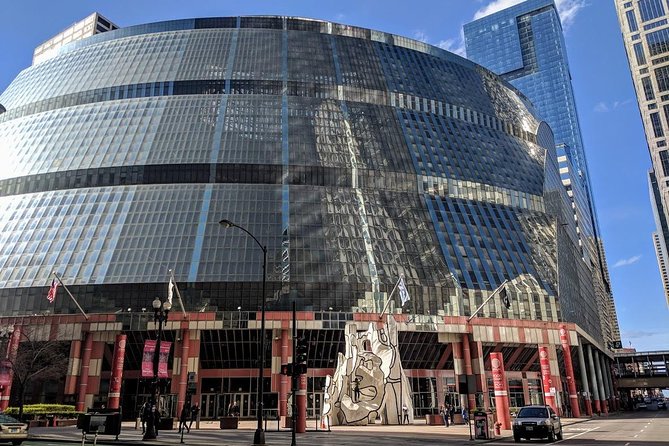
The next stop is Picasso’s famous public sculpture. You get about ten minutes to see it close up before returning underground.
This short stop adds an important change of pace. After spending much of the tour below street level, you step into the public realm and see one of Chicago’s most recognizable works of art. Picasso gave the sculpture to the city, making it part of Chicago’s public collection rather than a piece locked inside a museum.
The stop is brief, so do not expect a full art lecture or a long photography session. Its purpose is to connect the Pedway with the city above it. You see how the underground route relates to the civic spaces, buildings, and public art of the Loop.
If you have already seen the Picasso, the stop still works as a useful orientation point. The guide brings you back to the surface, gives context, and then shows you how the underground route continues.
Same corner of the map, a different way in:
- Niagara Falls USA: Maid of the Mist & Cave Adventure
★ 5.0 · 3,924 reviews - New York Catacombs by Candlelight
★ 4.5 · 2,863 reviews - Emerald Cave Kayak Tour: Scenic Paddle with Optional Shuttle
★ 5.0 · 2,858 reviews - Ultimate Queen City Underground Tour
★ 5.0 · 2,221 reviews
Macy’s and the old Marshall Field’s passage
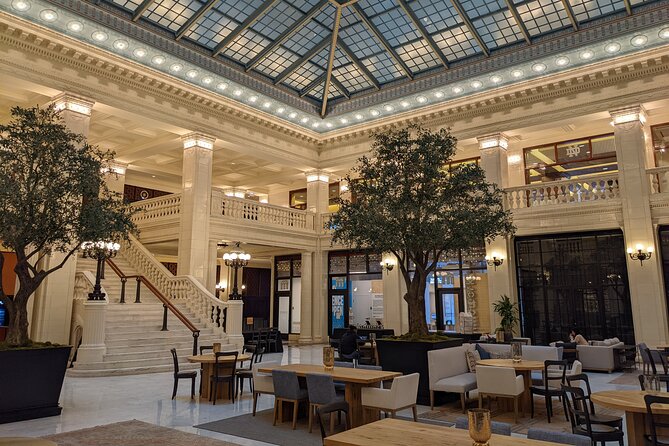
The tour then reaches Macy’s on State Street, housed in the former Marshall Field’s building. You spend about ten minutes walking through one of the most interesting sections connected with the Pedway.
The important planning detail is the difference between weekdays and weekends. On weekends, you see some of the interior of Macy’s. On weekdays, that interior section is skipped in favor of a different interior route.
That means you should not book a weekday expecting exactly the same sequence shown in every description of the tour. The overall subject remains the Pedway and downtown architecture, but the specific interior access changes.
This stop is valuable because the old department store is part of Chicago’s commercial story. You are not just walking through a modern shopping complex. You are seeing how a major downtown retail building connects with the city’s underground circulation system.
It is also a good reminder that the Pedway is not sealed off from ordinary city life. Shops, offices, civic buildings, and public spaces all meet along the route. The result can feel slightly untidy, but it is more useful and authentic than a perfectly staged underground attraction.
The Chicago Cultural Center on weekend departures
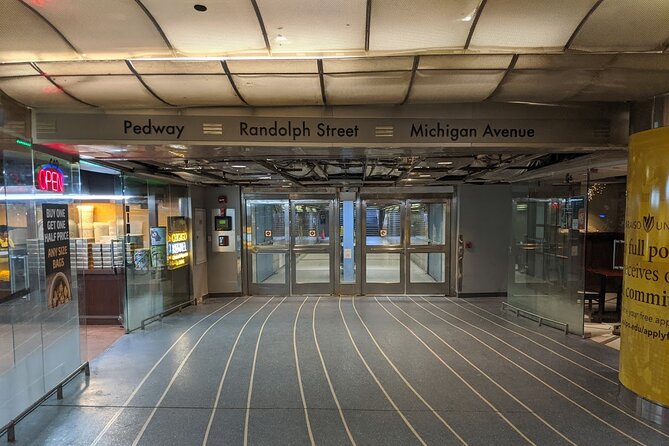
Weekend tours include the interior of the Chicago Cultural Center, a 19th-century building near Millennium Park. This is one of the clearest differences between the tour’s weekday and weekend versions.
The Cultural Center adds a formal architectural setting to a route otherwise shaped by tunnels, stores, and passageways. You get a chance to see a major public building from inside rather than viewing it only from the sidewalk.
The stop lasts about ten minutes, so the guide cannot cover everything. Think of it as a focused introduction, not a complete architectural tour of the building. If grand interiors are a priority for you, a weekend departure makes more sense.
On a weekday, the tour uses a different interior instead. That may suit you if your main interest is the Pedway itself, but weekend visitors get a particularly appealing combination: underground circulation, public art, and a significant historic interior in one compact outing.
Block 37 and the route’s commercial side
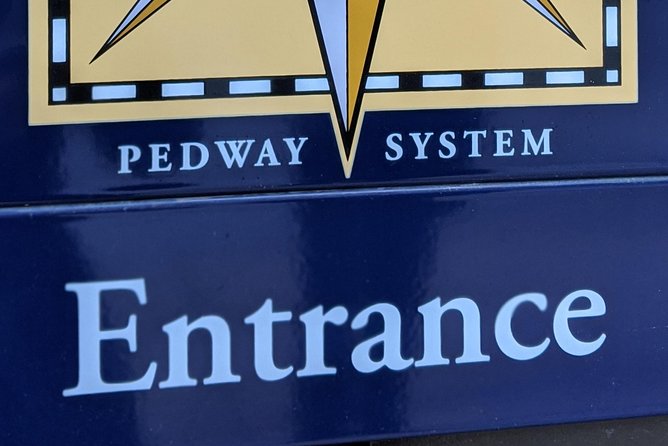
Block 37 is another major stop. The group enters this large commercial complex through the Pedway and checks out several points the guides consider worth seeing.
This part helps explain the modern side of downtown circulation. The route is not limited to old buildings or historic details. It also shows how newer commercial developments connect with Chicago’s established underground network.
For you, the benefit is perspective. The Pedway is easier to understand when you see its different roles: a weather shelter, a shortcut, a way into stores, and a link between major buildings. Block 37 makes that commercial function clear.
The stop is about ten minutes, so again, expect selected highlights rather than a full tour of the complex. The guide’s choices matter here. A strong guide can turn ordinary-looking corridors into useful examples of how Chicago functions below street level.
The secret final section and why guides matter
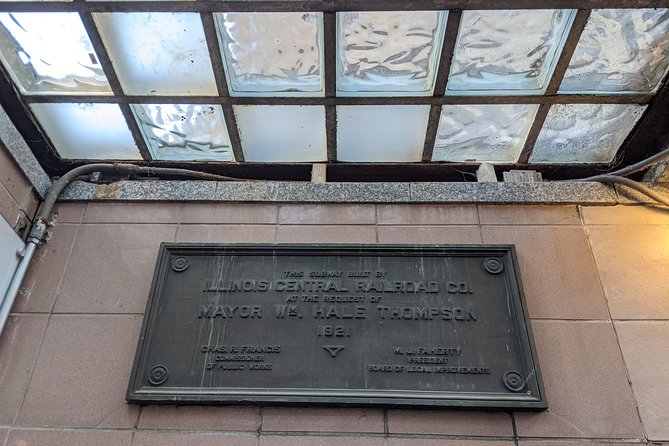
The last part is kept as a surprise. That can be fun, especially because the tour has already trained you to look for connections you might otherwise miss.
It also means you should not book this expecting a fixed checklist of famous sights. The experience is partly about following the guide through a route that can feel like a local shortcut. The exact final section may be less important than the way it ties together what you have already seen.
Guide personality is a major part of the value. The strongest feedback praises guides who explain architecture clearly, use humor, and share small facts about buildings and the people behind them. One guide used sketches on a folder to make architectural points easier to understand. Another was praised for making the city’s underground system feel exciting to both young teens and older adults.
The published rating is 4.9 from 388 reviews, with 97 percent of people recommending the experience. That is unusually strong. Still, there is one serious outlier describing a guide who seemed unable to lead the tour properly. The operator apologized, issued a refund, contacted the group, and described the situation as exceptional. I would treat it as a warning that any live tour depends on the individual guide, not as a reason to dismiss the experience’s generally strong record.
How much value do you get for $35?
At $35 per person, this is fairly priced for a two-hour small-group walking tour with a local guide. You are paying for interpretation, route planning, and access to places you might not locate on your own.
The value is strongest if you care about architecture, city history, or practical orientation. You could walk parts of the Pedway independently, but finding the best connections and understanding what you are seeing would take time. The tour saves you that effort.
It is also a good cold-weather purchase. Several people used it during severe winter conditions, including days with temperatures well below freezing. Most of the route is indoors or underground, so you get a substantial sightseeing experience without spending two hours exposed to Chicago weather.
Do not confuse indoor with effortless. You still walk for about two hours, use stairs, and move through public spaces. The tour asks for a moderate level of physical fitness. Elevators were sometimes available, but you should not assume every transition will be stair-free.
Who will enjoy this Chicago walk most?
I would recommend it first to architecture lovers who have already seen the standard riverfront sights and want something less familiar. It is also a smart first tour because the navigation advice can help you understand the Loop for the rest of your stay.
Locals can get plenty from it, too. Several long-time Chicago-area residents had never explored this side of the city. The tour offers a fresh look at places you may have passed many times without realizing how they connect.
Families with young teens can handle it if everyone is comfortable walking and using stairs. The mix of short stops, public art, commercial interiors, and underground passages gives the outing more variety than a long lecture.
It may not suit you if you want a full architectural survey of Chicago’s landmark skyscrapers, a leisurely museum visit, or a completely outdoor photo walk. The route is practical and exploratory. Some areas may feel ordinary, and the Pedway is not designed as a polished attraction.
Dress for the weather even though much of the tour is indoors. You may spend time outside between entrances, and the tour operates in all weather conditions.
Should you book the Chicago Pedway tour?
Book it if you want to see Chicago from an angle most standard tours skip. The combination of underground routes, City Hall details, Picasso, Macy’s, Block 37, and the weekend Cultural Center visit gives you a useful and unusual view of the Loop.
Choose a weekend if the Cultural Center interior matters to you, and remember that Macy’s access changes by day. Choose this tour during winter or poor weather when you want to keep sightseeing without standing outside for hours.
At $35, the tour earns its price through local guidance and route knowledge rather than expensive admission tickets. I would recommend it to curious first-time visitors, architecture fans, Chicago residents, and anyone who wants to learn how downtown works beneath the sidewalks.
Skip it only if stairs, walking, or changing indoor environments would be a problem. For most people who enjoy city details and a little urban mystery, this is a smart addition to a Chicago itinerary.
FAQ
How long does the Chicago Architecture Tour last?
The tour lasts approximately two hours.
How much does the tour cost?
The price is $35 per person.
Where does the tour begin?
It begins at 120 N LaSalle Street, Chicago, Illinois 60602.
Where does the tour end?
It ends at Aqua, 225 N Columbus Drive, Chicago, Illinois 60601, just north of Millennium Park.
What language is the tour offered in?
The tour is offered in English.
Is the tour available in bad weather?
Yes. It operates in all weather conditions, so you should dress appropriately.
How many people can join the tour?
The maximum group size is 15 people.
Does the tour include the Chicago Pedway?
Yes. The route includes about 45 minutes in the Chicago Pedway, with tunnels and stairs under several downtown blocks.
Are there differences between weekday and weekend tours?
Yes. Weekend tours include the interior of the Chicago Cultural Center. Macy’s interior access is available on weekends, while weekday tours use a different interior route.
Is the tour physically demanding?
A moderate level of physical fitness is recommended. There are many stairs, although an elevator was sometimes an option.
Can I cancel for a full refund?
Yes, if you cancel at least 24 hours before the experience starts. Cancellations made less than 24 hours in advance are not refunded.
Just added around the USA
- Peninsula Park Caves Scenic Boat Tour★ 4.5 · 88 reviews
- Cave Point Fat Tire E-Bike Tour★ 4.5 · 15 reviews
- Cave Point Kayak Tour★ 4.5 · 92 reviews
- Cave Point Kayak Tour★ 5.0 · 281 reviews
- Cave Point Kayak Tour★ 5.0 · 24 reviews
- Flagstaff Underground★ 5.0 · 39 reviews
- Castner Glacier Ice Cave Adventure from Fairbanks★ 5.0 · 40 reviews
- Snowshoe Hike to Castner Glacier Ice Cave★ 5.0 · 35 reviews
USA Cave Tours, compared.

Best Niagara Falls US Tour W/Boat Ride, Cave & More Wonders!
Read our review →

Half-Day Emerald Cave Kayak Tour with Optional Hotel Pickup
Read our review →
Niagara Falls USA: Maid of the Mist & Cave Adventure
Read our review →

Emerald Cave Kayak Tour: Scenic Paddle with Optional Shuttle
Read our review →

Browse the lists this cave appears in