
Review · TICKETS
Catania: Underground Catania Tickets and Guided Tour
Look beneath Catania’s busy streets. This 2.5-hour walking tour leads you through four underground sites, including a prehistoric lava cave, Roman remains, old church spaces, and the channel of the Amenano spring. I especially like the way it connects Etna’s eruptions with the city’s buried past, and I like that several places are not obvious or easy to visit on your own. The main drawback is practical: you will walk between sites, climb irregular steps, and sometimes stand in tight or damp spaces.
The tour begins near the ruins of Catania’s Black Amphitheater, a Roman building once able to hold about 15,000 people. From there, your guide leads you along Via Etnea, past late-Baroque churches and aristocratic buildings, before taking you below the present-day city. Guides such as Oreste and Enzo have earned praise for lively storytelling, clear explanations, and patient help with English-speaking visitors.
At $29 per person, I consider this a strong value if you enjoy archaeology, volcanic history, or places that sit just outside the usual sightseeing route. Check the language option carefully, since some departures may be primarily in Italian, and bring sturdy shoes rather than your fanciest Catania sandals.
Key points to know before booking
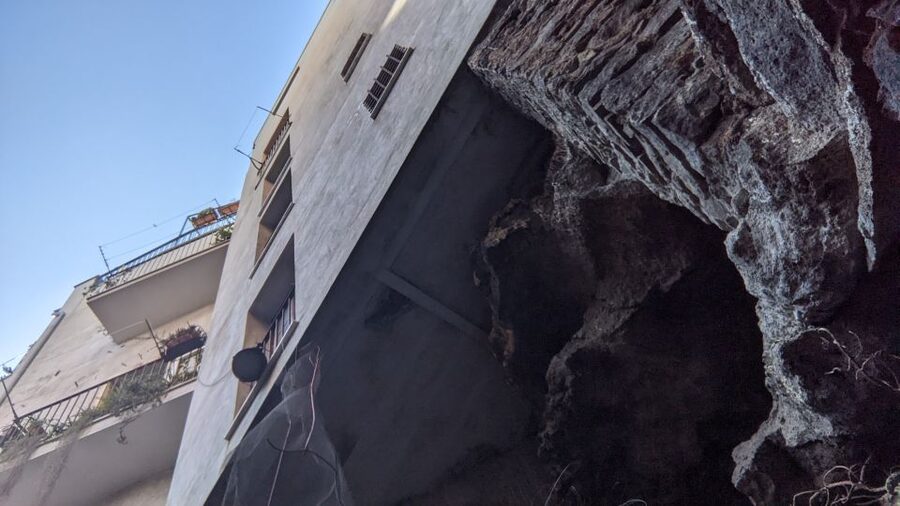
- Four separate underground sites: Your ticket includes entry to four places, not just one cellar or tunnel.
- Etna is part of the story: Lava flows, eruptions, and buried buildings help explain how Catania changed over time.
- The Amenano appears below the city: You follow the underground river into a cave near the city’s historic center.
- The walk links old and new Catania: You move between sites along Via Etnea, with churches and grand palaces overhead.
- The guide makes a major difference: Oreste and other guides are praised for combining archaeology, art history, humor, and English translation.
- Expect steps and uneven footing: This is not suitable for wheelchair users or people with serious mobility limits or claustrophobia.
Starting beneath the Black Amphitheater
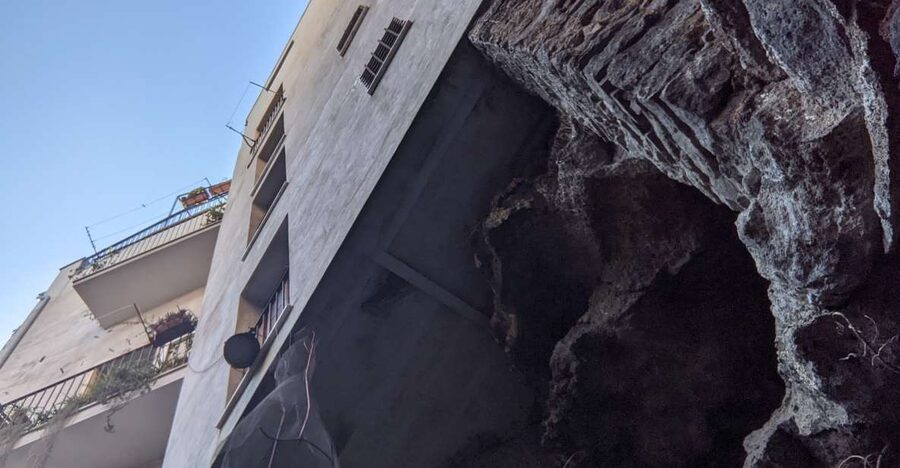
The meeting point is near the Black Amphitheater, a Roman structure built for roughly 15,000 spectators. Beginning here gives the tour a useful frame: modern Catania sits on top of several older cities, and Roman remains are not always far below the pavement.
You do not simply enter one attraction and leave again. The guide uses the streets between the sites to explain how Catania developed, how religious buildings changed, and how lava and earthquakes shaped the city. That walk matters because the underground sites make more sense when you can see the Baroque city above them.
The amphitheater is also a practical starting point. If you are already exploring central Catania, it is close to the main sights along Via Etnea. Your exact meeting point can vary by booking option, so check the confirmation rather than relying only on a general map pin.
More Entry Tickets around Italy:
- Naples: Naples Underground Entry Ticket and Guided Tour
★ 4.4 · 21,781 reviews - Naples: Catacombs of San Gennaro Entry Ticket & Guided Tour
★ 4.6 · 7,941 reviews - Rome: Catacombs of St. Callixtus Entry Ticket & Guided Tour
★ 4.6 · 3,037 reviews
Walking Via Etnea between buried layers
The route moves through Via Etnea, Catania’s central north-south street. Along the way, you pass late-Baroque churches and aristocratic palaces, so the tour works partly as an above-ground introduction to the city.
I like this arrangement. You are not rushed from one dark room to another with no sense of place. Instead, you see the contrast between the grand city built after disaster and the older remains below it. The guide can point out how religious buildings, Roman structures, lava, and later construction occupy the same small area.
The walking pace appears manageable, but it is still a fairly substantial city walk. One person described feeling tired after combining the tour with a morning stroll, while another appreciated the easy pace and a stop for a drink. Plan your day around it rather than placing it between several demanding activities.
The prehistoric lava cave and Etna’s force
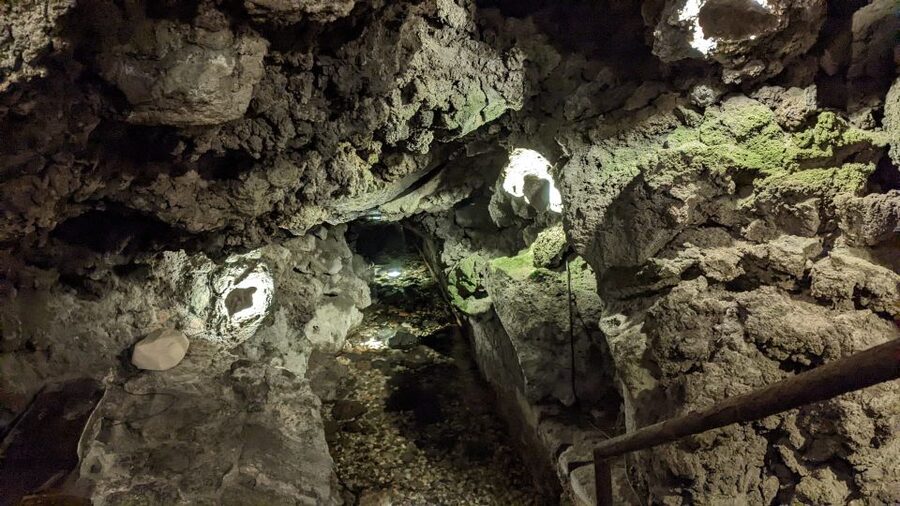
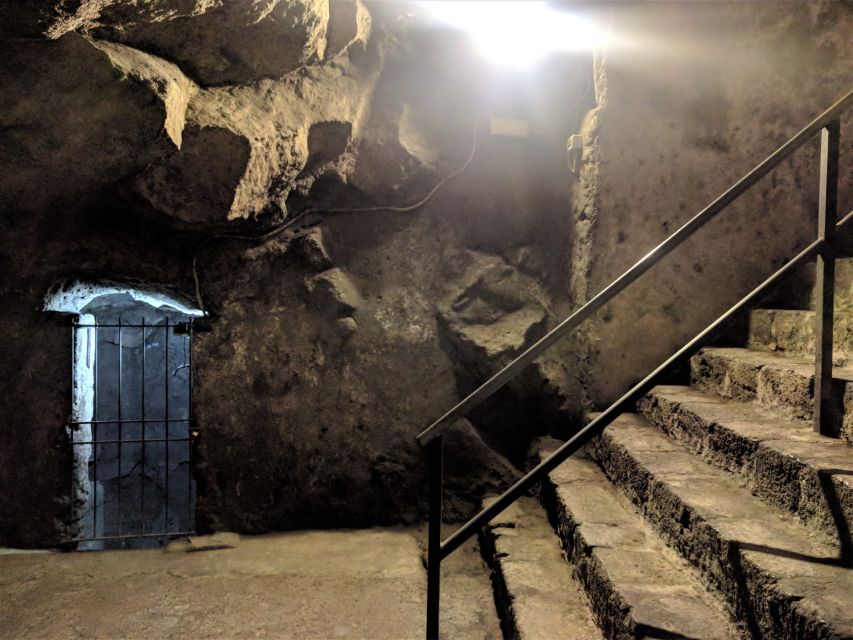
One of the most memorable stops is a prehistoric cave formed by lava. This is where the power of Etna becomes physical rather than just scenic. You are not only hearing that the volcano has erupted repeatedly. You are standing inside a space created by volcanic activity and learning how eruptions affected the city’s people and buildings.
The tour’s strength is the connection between geology and daily life. Catania’s underground spaces are not a single archaeological period. Some were formed by nature, while others were built, abandoned, buried, or reused by people. The guide explains these layers as part of one long story.
Expect the cave to feel cool compared with the streets, especially on a hot day. The underground setting can be a welcome break from summer heat, but damp patches and uneven steps are possible. Good shoes are more useful here than polished footwear.
Following the Amenano underground river
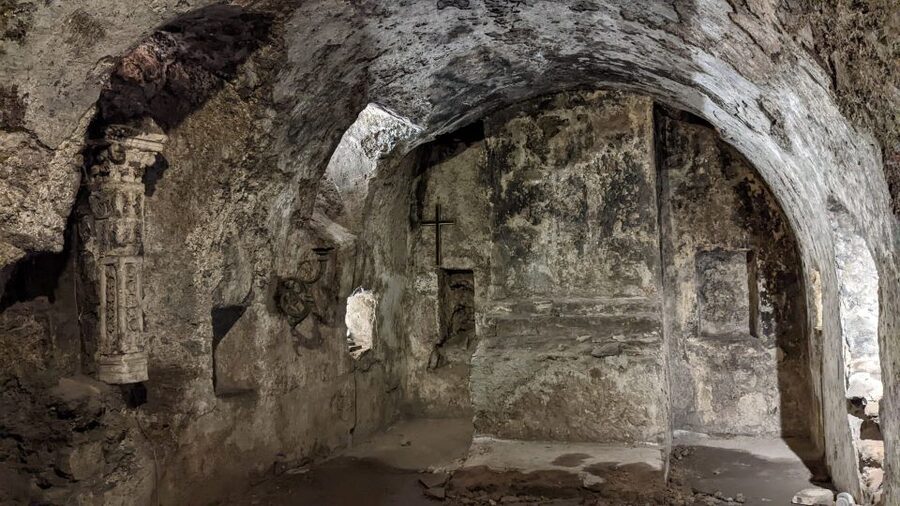
Another stop involves the Amenano, an underground river associated with springs beneath Catania. You follow the water into a cave and see a side of the city that is easy to miss while admiring its piazzas and churches.
This part helps explain why Catania’s center has such a strong sense of hidden depth. The water is not presented as a separate natural curiosity. It fits into the larger story of a city repeatedly altered by lava, floods, building, and rebuilding.
The underground acoustics can make it harder to hear, particularly when the group is large or the guide is speaking in two languages. Stay close and ask for a repeat if you miss a detail. The guides are generally praised for answering questions and keeping the mood friendly, but the cave itself may not be the easiest place for a long explanation.
More Guided Tours around Italy:
- Naples: Spanish Quarters Underground Guided Tour
★ 4.8 · 5,064 reviews - Expert Guided Tour of Colosseum Arena OR Underground, and Forum
★ 4.5 · 5,041 reviews - Rome: Colosseum Underground Small Group Guided Tour
★ 4.7 · 4,844 reviews - Colosseum Underground & Ancient Rome Guided Tour
★ 4.5 · 2,590 reviews
Roman baths below the modern city
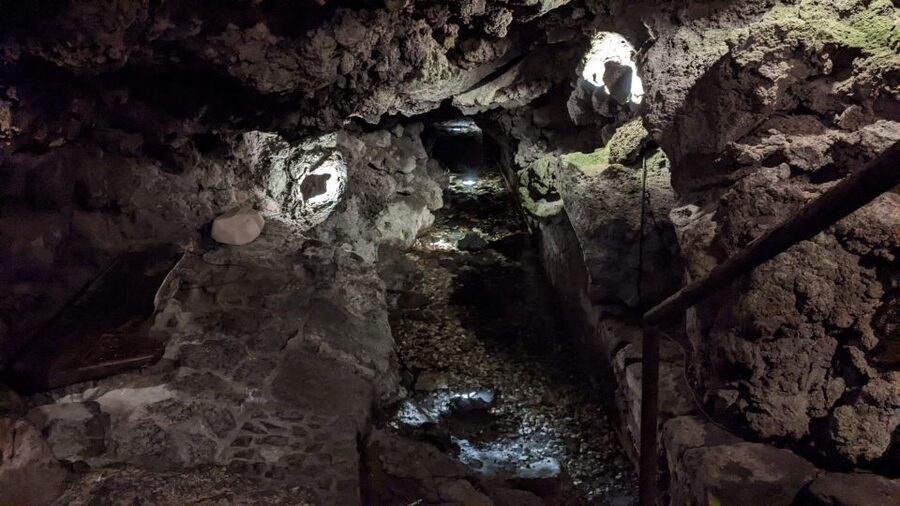
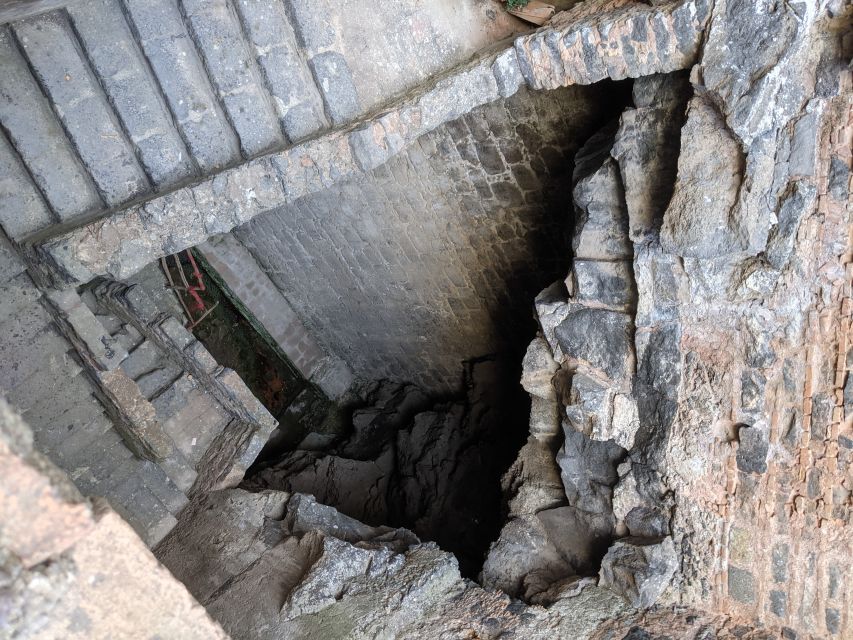
The Roman section gives the tour a clear archaeological anchor. You visit ancient Roman remains that would be difficult to understand from the street alone. The underground position shows how later Catania was built over earlier structures rather than replacing them completely.
This stop should appeal to you even if you are not an archaeology specialist. The guide places the remains within the city’s wider timeline, moving between Greek and Roman periods, Christian history, volcanic events, and later rebuilding. That helps prevent the tour from becoming a collection of disconnected stones.
The Roman site is also included in the ticket, which improves the value. A normal city walk might take you past the better-known ruins, but this tour adds access to less obvious spaces and explains how they relate to the buildings overhead.
Church crypts, relics, and unsettling stories
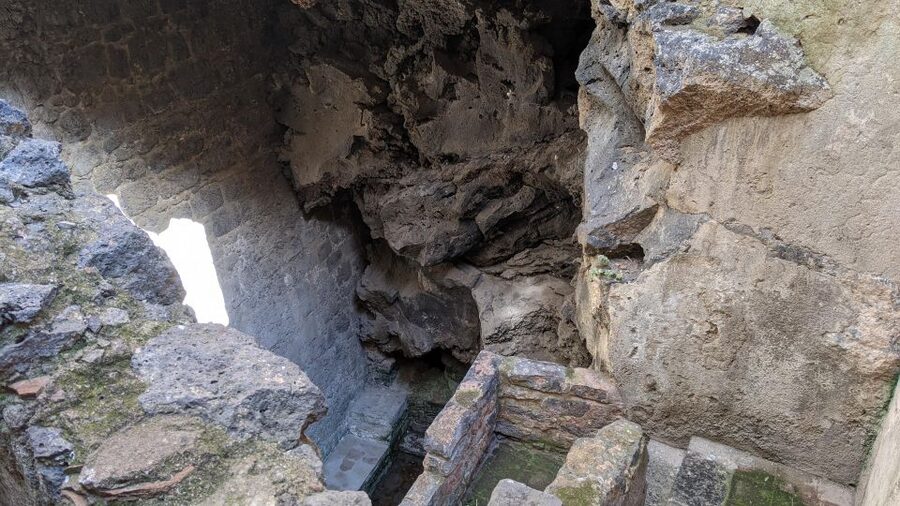
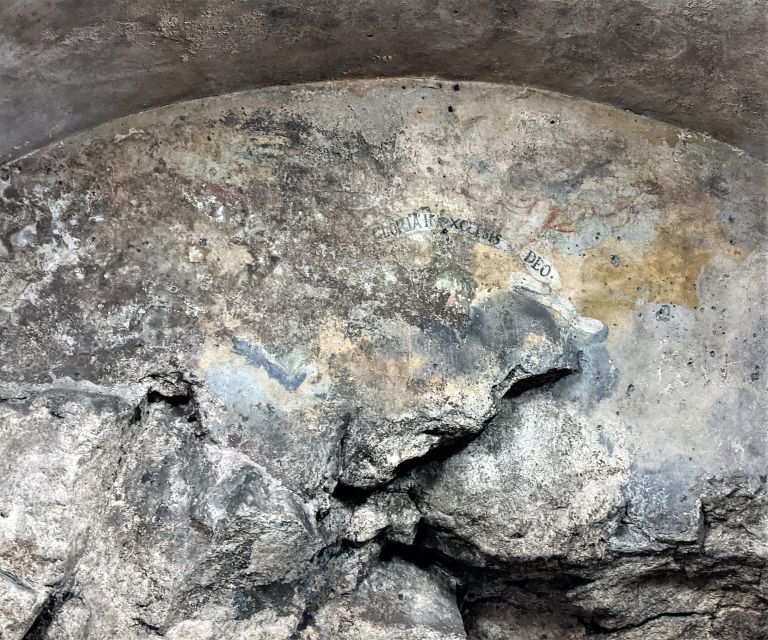
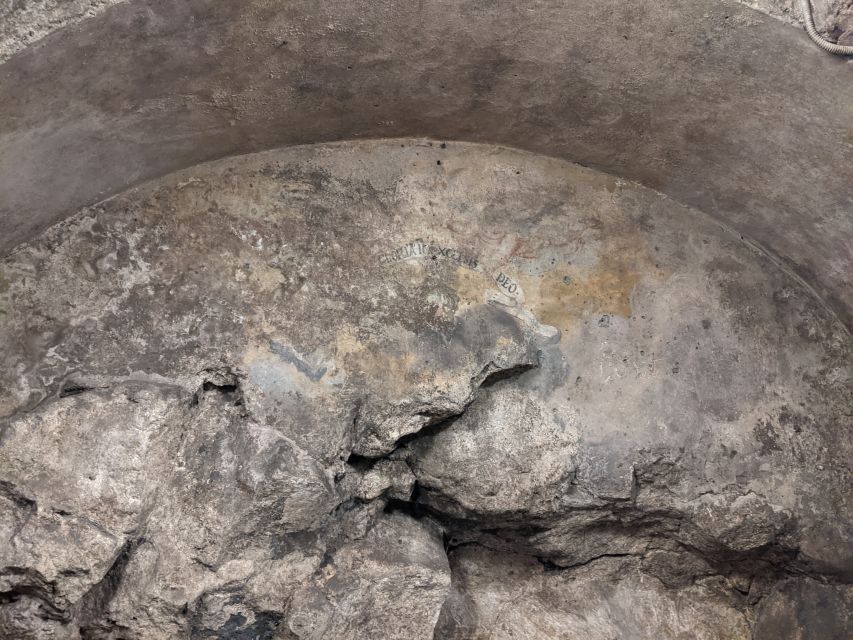
The church sections provide the tour’s more unusual mood. One cave lies beneath a church connected with the early keeping of Saint Agatha’s relics. Another is beneath the bombed-out Church of Saint Euplius.
These places are not just old rooms. Their value comes from the stories attached to them: religious change, destruction, reuse, and the way Catania’s sacred spaces have been altered across the centuries. The late-Baroque setting above ground makes the contrast sharper. Grand decoration and formal church architecture give way to bare stone, restricted passageways, and evidence of what came before.
The Saint Euplius site has a particularly somber feel because of its wartime damage. The tour does not treat the ruins as a theatrical scare attraction, but the underground church spaces can feel eerie. If you like serious history with a slightly creepy edge, this will likely be one of the strongest parts.
The guide’s delivery matters here. Guests have praised guides for pointing out frescoes, explaining art history, and telling lesser-known stories rather than rushing through the rooms. Oreste, in particular, is described as friendly, entertaining, and strong on both archaeology and art history.
How the guide affects the experience
This tour depends heavily on the guide. The spaces themselves are fascinating, but some are small, dim, or visually plain until someone explains what you are seeing.
The best guides turn the route into a connected story. They explain the Roman remains, describe how Etna’s eruptions changed Catania, identify religious and artistic details, and show how natural disasters affected buildings and communities. Several English-speaking participants were impressed when guides translated explanations after speaking Italian.
That language point deserves careful attention. Some departures are advertised with Italian and English, but actual language arrangements can vary. At times, a guide has translated everything into English for a small number of English speakers. That is generous, but it can lengthen the tour and create pauses for everyone.
Large groups can make this more noticeable. A group of nearly 30 people, with Italian, English, and Spanish speakers, led to longer explanations and some waiting outside while everyone entered a site. In another case, the acoustics made the guide difficult to hear. If you have a choice, select a clearly English-led departure or a smaller group.
Timing, walking, and comfort
The advertised duration is 2.5 hours. That is a sensible length for four underground sites plus the walks between them. You get enough time to hear the background without committing half a day to one narrow theme.
Still, do not treat this as a seated museum visit. You will walk along city streets and climb a few steps at each location. Some steps may be irregular, and some surfaces can be damp. Wear shoes with a firm sole and leave large bags and luggage behind, since they are not allowed.
The experience is not suitable for wheelchair users, electric wheelchair users, or people with significant mobility impairments. Claustrophobia is another serious concern. Motion sickness is also listed as a reason to avoid the tour, and people weighing more than 280 pounds, or 127 kilograms, may not be admitted.
The tour runs in rain or shine. If conditions make one site unusable, the organization may cancel or replace it with another underground location. If a particular site is unavailable for any reason, a substitute is planned rather than simply removing that part of the experience.
Is $29 a fair price?
At $29 per person, the price is reasonable for a guided visit to four underground places with entry included. Two of the locations are not normally open for casual sightseeing, and the Roman amphitheater is a paid attraction under ordinary circumstances.
The value is strongest if you would not find these sites on your own. Catania’s main squares and churches are easy to reach, but entrances to underground caves, church remains, and buried Roman spaces are often subtle or locked. Paying for access and interpretation saves you from guessing what is open and what is merely a doorway.
The value is weaker if you dislike walking, prefer a small private tour, or want every explanation in English without pauses. A large multilingual group can make the tour feel slower and less connected. I would still choose it for the variety, but I would pay close attention to the departure language and group details.
Free cancellation up to 24 hours ahead and a reserve-now, pay-later option add flexibility. Hotel pickup and drop-off are not included, so you need to reach the meeting point yourself.
Who should take this tour?
I would recommend it to you if you enjoy archaeology, volcanic geology, churches, Roman remains, or unusual city walks. It is also a smart choice for a repeat visitor who has already seen Catania’s main streets and wants to understand what lies beneath them.
Families with older children may enjoy the cave and tunnel sections, but the steps, acoustics, and long explanations may be hard for very young children. Anyone who dislikes enclosed places should skip it.
You do not need to be an archaeology enthusiast. The guides make the material accessible, and the route mixes natural caves, Roman buildings, religious sites, and city history. That variety keeps the tour from feeling like a specialist lecture.
Should you book Underground Catania?
Book it if you want a different view of Catania and are comfortable with steps, walking, and enclosed spaces. The combination of lava cave, Amenano river, Roman remains, and church crypts gives you far more variety than a standard ruins visit.
Before paying, confirm the meeting point and language. Choose sturdy shoes, avoid bringing a large bag, and allow extra time if the group includes several languages. If you can accept those small inconveniences, this is a well-priced way to connect Etna’s eruptions, Catania’s churches, and its Roman past in one thoughtful outing.
FAQ
How long is the Underground Catania tour?
The tour lasts about 2.5 hours, including the visits to four underground sites and the walks between them.
What places are included?
The experience includes entry to four underground locations. These may include a prehistoric lava cave, Roman remains or baths, a cave connected with Saint Agatha’s relics, the underground Amenano river, and a cave beneath the Church of Saint Euplius. If a site is unavailable, the organization may substitute another underground location.
Is the tour available in English?
The listed languages are Italian and English. Some departures may be primarily in Italian, with the guide translating for English-speaking participants, so check the language option before booking.
Do I need to bring special equipment?
No special equipment is listed, but sturdy shoes are strongly advisable because you will climb some irregular steps and may encounter damp surfaces. Large bags and luggage are not allowed.
Is the tour suitable for wheelchair users?
No. The tour is not suitable for wheelchair users, electric wheelchair users, or people with mobility impairments. It is also not recommended for people with claustrophobia or motion sickness.
What happens if it rains?
The tour runs in rain or shine. If weather conditions become prohibitive and a site cannot be used, the organization may cancel the tour or replace that location with another underground site.
Just added around Italy
- From Capri: Blue Grotto, Capri and Anacapri Guided Tour★ 4.8 · 91 reviews
- From Catania: trek on Mount Etna, Lava Cave & tasting Tour★ 4.8 · 563 reviews
- Explore Christian Rome and the Underground of San Clemente★ 4.4 · 16 reviews
- Etna Jeep Tour: Explore Craters and Lava Caves, Etna Wine Brunch★ 4.9 · 17 reviews
- EXCURSION VISIT TO THE SANTA MARIA DI LEUCA CAVES★ 4.8 · 192 reviews
- Santa Maria di Leuca: Caves Boat Tour★ 4.6 · 211 reviews
- East Palermo: boat tour among caves and breathtaking landscapes★ 5.0 · 28 reviews
- Taormina and Giardini Naxos: 2 Hour Dolphin Tour & Grotto★ 4.6 · 63 reviews
Tickets, compared.
Naples Underground Entry Ticket and Guided Tour
Read our review →
Catacombs of San Gennaro Entry Ticket & Guided Tour
Read our review →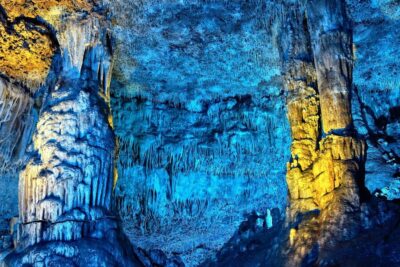
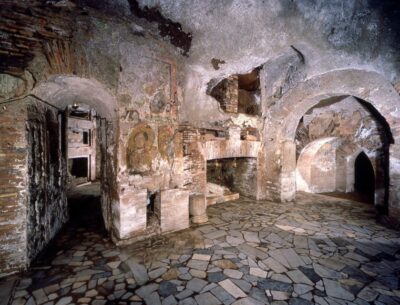
Catacombs of St. Callixtus Entry Ticket & Guided Tour
Read our review →
Postojna Cave & Predjama Castle Tickets and Tour
Read our review →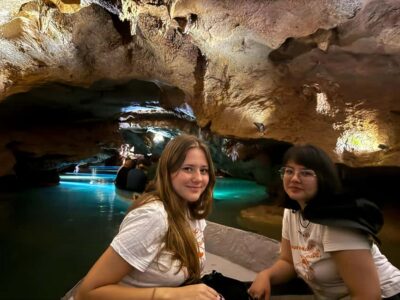
Caves of San José Guided Excursion and Ticket
Read our review →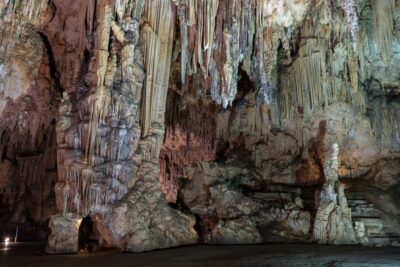
Nerja: Caves of Nerja Entry Ticket with Audio Guide
Read our review →
Tour to Chichen Itza-Tickets, food and cenote
Read our review →Browse the lists this cave appears in