
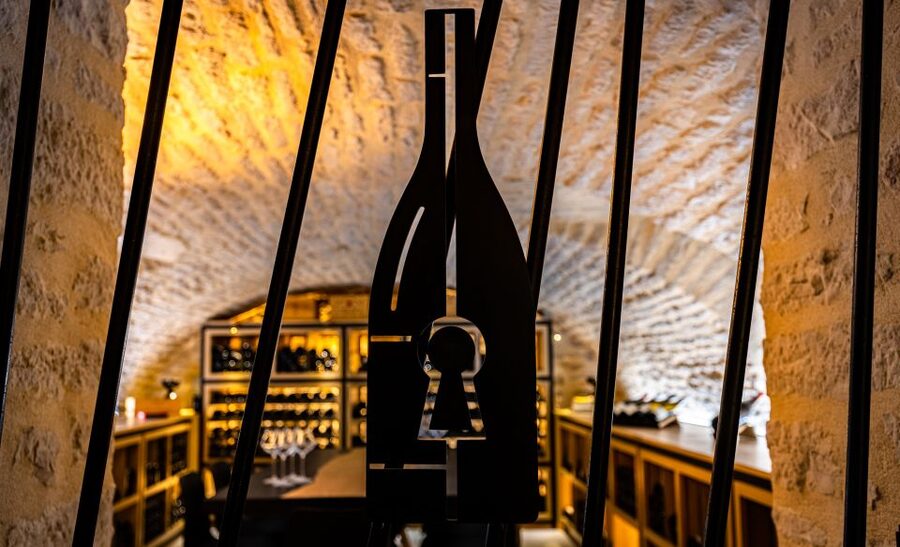
Review · WINE TOURS
Dijon: La Cave du Palais Burgundy Wine Tasting Experience
Wine makes more sense underground. La Cave du Palais gives you a compact, atmospheric introduction to Burgundy in a vaulted cellar at the Hotel du Palais, right in central Dijon. Over 90 minutes, you taste six wines while learning how soil, place, appellation, and age shape what is in your glass.
I especially like the small group of up to eight, which leaves room for questions and real conversation. I also like the range of bottles, from regional wines to Grand Cru, since you can compare Burgundy’s levels rather than taste six similar examples. The one drawback is that this is a tasting lesson, not a vineyard visit. You will not be touring the countryside or watching wine being made.
The setting does much of the work. The original cellar feels far more memorable than a modern tasting room, and the experience is easy to fit into a Dijon day. It costs $64 per person, which is fair if you want a guided introduction rather than simply a few pours with little explanation.
Key points at a glance
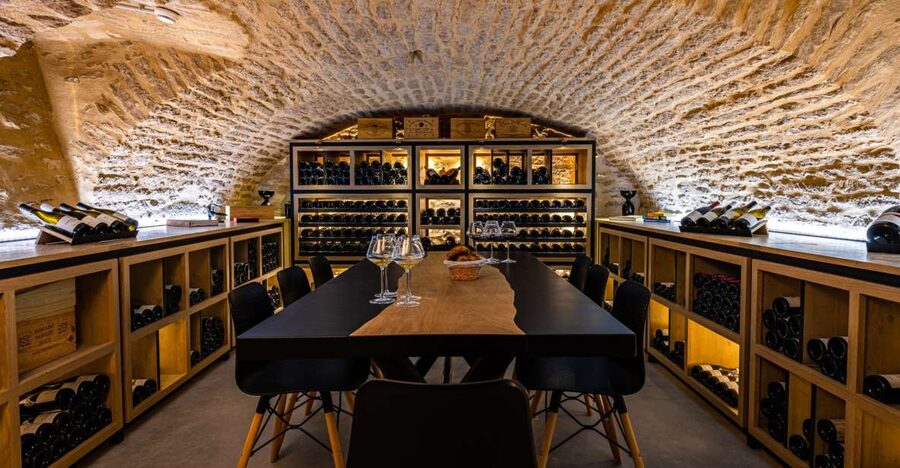
- A historic cellar in central Dijon: La Cave du Palais is inside the Hotel du Palais, about a five-minute walk from Place de la République.
- Six Burgundy wines in 90 minutes: The selection covers regional, village-level, and Grand Cru appellations, with red and white wines included.
- A lesson in Burgundy’s climates: You learn why a vineyard’s exact location, soil, and growing conditions can change the taste and value of a bottle.
- A genuinely small group: With no more than eight people, the guide can answer questions and adjust the pace.
- Strong bilingual hosting: French and English are offered, and guides such as Antoine, Prune, Leo, Robin, Rafael, and Sebastian have been praised for their clear explanations.
- Best for adults who want context: It suits wine beginners and serious wine drinkers, but children, pregnant women, wheelchair users, and anyone under 18 should choose another activity.
Entering La Cave du Palais in central Dijon
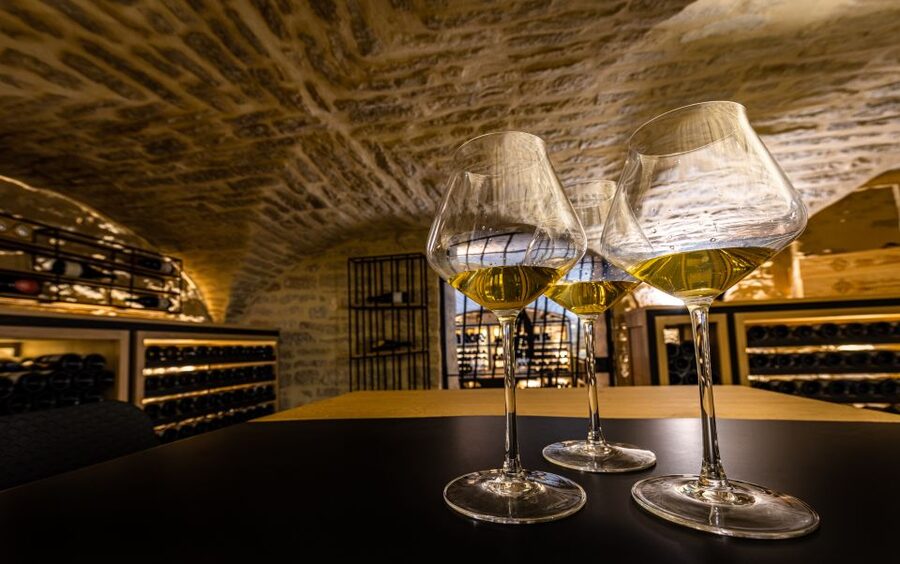
The meeting point is refreshingly simple. La Cave du Palais is at the Hotel du Palais, only about five minutes on foot from Place de la République. You do not need a car, a taxi, or a full day in the vineyards to reach it.
That central location makes this a useful Dijon activity between sightseeing stops. You can visit the old town, walk over for the tasting, and continue to dinner afterward. One guide even helped a participant find a traditional Dijonnaise restaurant nearby, a nice reminder that local hosts can add practical city advice beyond the wine lesson.
The cellar is the main visual treat. It is described as an ancient, original underground space with a cozy, carefully designed feel. The atmosphere gives the tasting a sense of place, though you should not expect a grand wine estate or a large production cellar. This is a city-based introduction to Burgundy, held in a historic setting.
The space is not suitable for wheelchair users, so check your needs before booking. Pets are not allowed, and everyone taking part must be over 18.
More Wine Tours around France:
- Paris: Les Caves du Louvre Guided Tour with Wine Tastings
★ 4.7 · 932 reviews - Amboise: Caves Ambacia Visit and Wine Tasting
★ 4.7 · 496 reviews - 4-in-1 Cenote Tour Guided Experience with Breakfast, Lunch & Wine
★ 5.0 · 1,004 reviews
How the 90-minute tasting unfolds
The session is built around six pours and live commentary. The guide does not simply hand you a glass and name the bottle. You are led through the reasons Burgundy can produce such different wines within a relatively focused region.
The order and exact bottles can vary, so I would not book this expecting a fixed menu. The advertised format is six wines, though one recent participant described tasting seven. Treat six as the reliable number, and see any extra pour as a bonus rather than a promise.
You can expect both red and white Burgundy. One tasting included three reds and three whites, while other accounts describe a selection ranging from regional wines to Grand Cru. That range matters because Burgundy’s classification system can seem confusing at first. Tasting across levels lets you connect the labels with actual differences in flavor and style.
A good guide will give you time to smell, taste, compare, and ask questions. The best part is not simply the quantity of wine. It is the progression from what is in the glass to why it tastes that way.
Learning Burgundy through climates and appellations
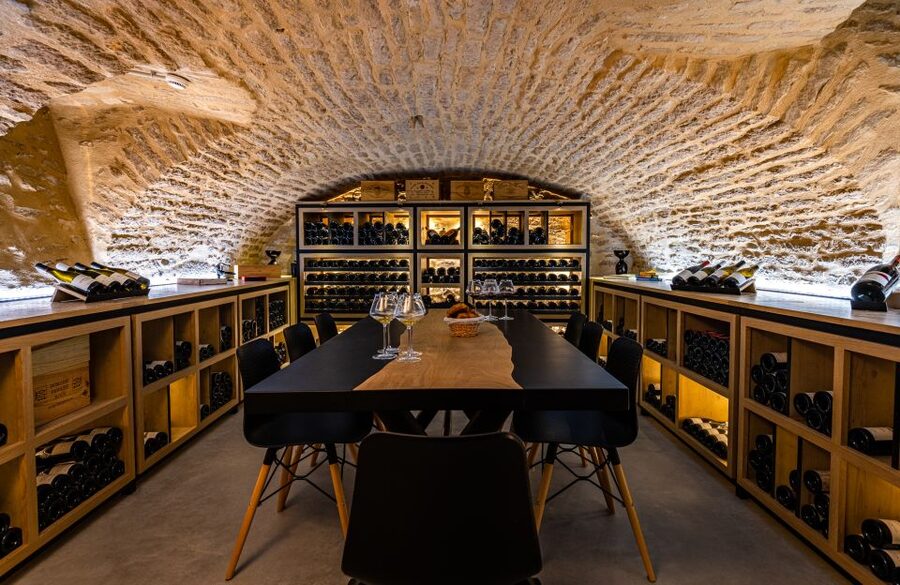
Burgundy wine is closely tied to place. The term climates refers to carefully defined vineyard sites, each with its own position, soil, exposure, and growing conditions. You do not need to memorize every name to benefit from the explanation. The useful point is that two wines made from the same grape can taste different because they come from different sites.
The tasting also explains appellations, from broad regional designations up to Grand Cru. In practical terms, this helps you read a Burgundy label with less guesswork. You begin to see that the name on the bottle is not just a producer or brand. It can tell you about the wine’s geographic status and expected character.
Several guides have been praised for making this subject approachable. Antoine is described as relaxed, funny, and able to answer almost any question. Prune has been praised for her clear English and strong grasp of the region. Leo has been singled out for handling detailed questions, including comparisons with wine from outside France.
You will get the most from this section if you ask questions. If you are new to Burgundy, ask the guide to explain the classification in plain terms. If you already buy French wine, ask how the bottles differ by village, vintage, or site. The small group makes that sort of exchange possible.
Six wines from regional bottles to Grand Cru
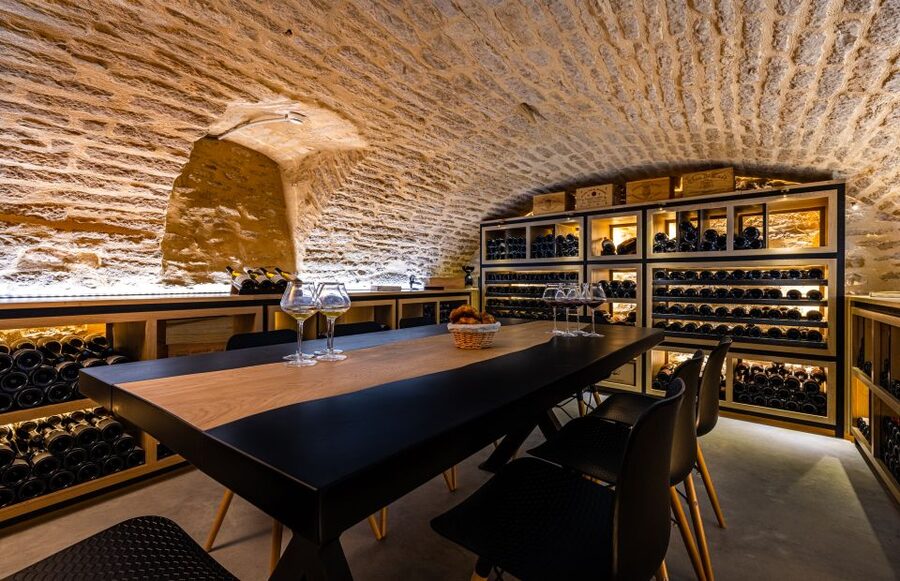
The selection is the heart of the experience. You taste a spread of Burgundy wines rather than one narrow style, with red and white examples and different appellation levels.
A regional wine gives you a broad starting point. From there, the tasting can show how more specific appellations change the discussion. At the top sits Grand Cru, Burgundy’s highest classification. That does not mean every Grand Cru will be your favorite, but tasting one gives useful context for the region’s hierarchy and pricing.
Do not expect six full glasses. This is a tasting, not a long lunch, and the pours are designed to let you compare without turning the session into an endurance test. One participant called the servings generous, while another praised the selection as varied and delicious. The practical result is a substantial 90-minute session, but you should still pace yourself and use the spit or discard option if offered by the host.
The wines may also prompt a purchase. There is no obligation to buy a bottle, but several people chose to do so after tasting. That is one benefit of tasting before shopping: you can make a choice based on your own palate instead of relying only on a label or a shop recommendation.
More Food and Drink Tours around France:
- Early morning Chichen Itza Tour: Cenote and Tequila Tasting
★ 5.0 · 6,657 reviews - Cancun ATV Jungle Adventure, Ziplines, Cenote and Tequila Tasting
★ 4.5 · 4,873 reviews - Hidden Brewery Caverns Tour in Cincinnati with Beer Tasting
★ 5.0 · 1,758 reviews - Small-Group 3 Hidden Cenotes Adventure with Tequila Tasting
★ 5.0 · 1,530 reviews
The guides make or break the lesson
This experience earns much of its praise from its hosts. The names that come up include Antoine, Prune, Leo, Robin, Rafael, and Sebastian. The host assigned to your session can vary, but the pattern is clear: the guides are central to the value.
Antoine has been praised for his humor, patience, and ability to keep the talk relaxed. Prune has hosted in excellent English and also helped with local food suggestions. Leo has handled questions from people who work in the wine trade, while Robin has been praised for bringing Burgundy’s regional identity to life.
English and French are available. One group also had a guide who spoke Spanish, though Spanish should not be treated as a guaranteed language for every departure. Mixed French and English groups have been handled well, with explanations adjusted so everyone can follow.
I like the informal tone described by several participants. The session is not presented as a stiff lecture packed with technical terms. You are encouraged to ask questions, and the guide can spend more time on the subjects that interest your group. That makes it useful for beginners without making it dull for people who already know wine.
Why the small group matters
The group limit is eight people. That is a meaningful detail, not just a booking footnote. In a large tasting room, you might listen quietly while the guide follows a script. Here, you have a better chance to ask why one wine tastes more earthy, fruity, firm, or fresh than another.
Small groups also create a social side to the afternoon. People from different countries can compare impressions, and the conversation becomes part of the event. The tone remains informal, but the structure keeps the tasting focused.
The group may be smaller than eight. Some sessions have had only two, five, or a handful of participants. That can mean more direct attention from the guide, though the exact atmosphere depends on who else has booked that time.
If you prefer privacy, this is not a private tasting unless separately arranged. You share the cellar and conversation with other adults. For most people, that is a benefit, since wine is easier to discuss when you can hear several reactions.
Is $64 good value for Dijon?
At $64 per person, this is not the cheapest way to drink wine in Burgundy. You could buy a bottle for less, sit at a bar, and make your own discoveries. That option would not give you six guided comparisons, an explanation of appellations, or access to a historic cellar.
The price makes the most sense if you are short on time. A full vineyard day requires transport, planning, and usually more hours than a city break allows. This tasting gives you a structured overview in 90 minutes, right in Dijon’s center.
It is also good value for anyone who wants to buy Burgundy with more confidence. Grand Cru and other high-level appellations can be expensive, and a guide’s explanation helps you understand what you are paying for. You may still prefer the regional bottle to the Grand Cru. That is part of the lesson.
I would be more cautious if you are already planning several winery visits in the Côte de Nuits or Côte de Beaune. In that case, you may prefer to put the $64 toward a vineyard tour or a bottle at a producer. But for a first introduction, the cost is reasonable, especially given the setting and the small group.
Who should book this experience?
I would choose La Cave du Palais if you want a clear introduction to Burgundy without leaving Dijon. It works especially well for:
- First-time visitors to Burgundy who find French wine labels confusing
- Couples looking for an atmospheric afternoon activity
- Wine fans who want to compare several appellation levels
- People without a car
- Visitors with only one or two days in Dijon
- Anyone who enjoys asking questions rather than following a silent tasting
It is less suitable if you want vineyard views, a production tour, or a meal paired with every wine. It is also not available to anyone under 18, and it is not suitable for pregnant women or wheelchair users.
I would avoid scheduling it immediately before a rushed train departure. The official duration is 90 minutes, but you will enjoy it more if you allow time to arrive, settle in, and continue at an easy pace afterward.
Practical advice before you go
Wear something comfortable for a cellar setting, and arrive ready to listen as well as taste. The tasting is not only about identifying fruit aromas. The useful information is the connection between place, vintage, classification, and flavor.
If you have a bottle or appellation you are curious about, ask the guide. The hosts are used to questions, and the small group makes the conversation more personal. Beginners should not worry about sounding uninformed. The session is designed to explain Burgundy rather than test you.
Bring a phone if you like to keep notes or photograph bottle labels. One guide helped participants photograph the bottles they tasted, which is useful if you want to look for them later. Just ask before taking pictures, especially in the cellar.
You can also make this a good first-night activity. The lesson gives you a better sense of what to order during the rest of your stay, and the host may have useful food suggestions for Dijon.
Should you book La Cave du Palais?
Yes, if you want six varied Burgundy wines, a beautiful cellar, and an engaging guide in the center of Dijon. The strongest reason to book is the mix of education and atmosphere. You learn enough to understand what you are tasting, but the session stays friendly rather than academic.
Book it with realistic expectations. You are not visiting a vineyard, and the exact bottles and guide can change. But if your time is limited, the $64 price buys a well-paced introduction to Burgundy that can make the rest of your wine shopping and dining much more rewarding.
FAQ
Where is La Cave du Palais located?
It is located at the Hotel du Palais in central Dijon, about a five-minute walk from Place de la République.
How long does the wine tasting last?
The experience lasts 90 minutes.
How many wines are included?
Six wine tastings are included. One account described seven wines, but six is the stated format.
What kinds of wine will I taste?
The selection can include red and white Burgundy wines, with appellations ranging from regional wines to Grand Cru.
Is the tasting offered in English?
Yes. The host or greeter can speak French or English.
How large is the group?
The experience is limited to eight participants.
Do I need to be 18 or older?
Yes. You must be over 18 to take part.
Is the tasting suitable for wheelchair users?
No. The experience is listed as unsuitable for wheelchair users.
Can I cancel and receive a refund?
You can cancel up to 24 hours in advance for a full refund. You can also reserve now and pay later, subject to the booking conditions.
Just added around France
- From Geneva: Chamonix, Mont Blanc & Ice Cave Guided Day Tour★ 4.8 · 572 reviews
- From Sagone/Cargèse: Piana Sea Caves & Snorkeling Boat Tour★ 5.0 · 25 reviews
- Corsica: Piana Calanques and Caves by Boat★ 4.8 · 259 reviews
- Paris: Catacombs Restricted Access Tour★ 4.9 · 456 reviews
- Bonifacio: Lavezzi Islands and Caves Guided Tour★ 4.7 · 380 reviews
- Amboise: Caves Ambacia Visit and Wine Tasting★ 4.7 · 496 reviews
- Ajaccio/Porticcio: Lavezzi Islands/Bonifacio Caves Boat Tour★ 4.7 · 24 reviews
- Ajaccio: Napoleon’s Cave Experience with Corsican Meal★ 4.5 · 309 reviews
Wine Tours, compared.

4-in-1 Cenote Tour Guided Experience with Breakfast, Lunch & Wine
Read our review →
Les Caves du Louvre Guided Tour with Wine Tastings
Read our review →
Khor Virap, Noravank and Birds’ Cave Trip with Wine Tasting
Read our review →
Group tour: Khor Virap, Noravank, Areni Winery and Cave
Read our review →
Beer and Wine Spa Bath with Salt Cave Experience
Read our review →
Margaret River, Caves, Wine and Cape Leeuwin Lighthouse Tour from Perth
Read our review →
Browse the lists this cave appears in