Review · GUIDED
Bremen: Underground Guided Tour
Bremen has a second city below the streets. This two-hour tour opens places most people never see, from a Cold War ABC bunker beneath the central station to the old crypt beneath Bremen Cathedral. I like the rare access and the way the tour links wartime shelters with medieval burial sites. The main catch is simple: you need to be good on your feet.
You can choose between two routes, each with a different mood. Unterwelten 1 focuses on crypts, bunkers, and the city center, while Unterwelten 2 adds Bremen’s former supply street, the freight yard, and an old banana-ripening depot. The tour is in German, so that matters if you need English commentary.
Key points before you book
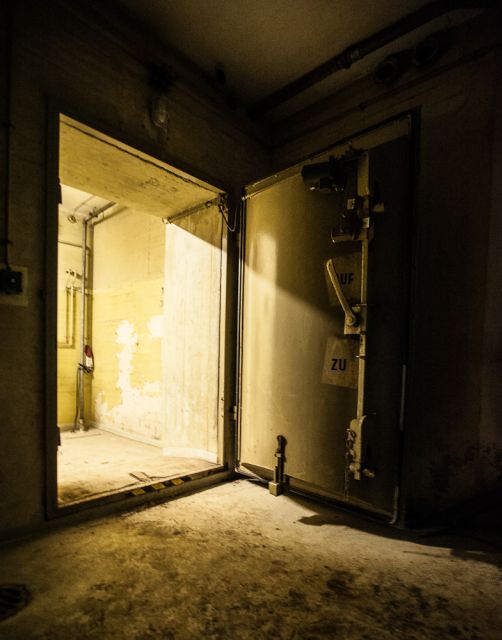
- Two routes, two views of Bremen: Choose a central route with cathedral crypts and the main station bunker, or a route focused on supply tunnels, railway history, and a large bunker on Admiralstraße.
- The ABC bunker beneath Bremen Central Station: See a shelter built in the 1940s and later adapted during the Cold War for protection against atomic, biological, and chemical threats.
- A medieval crypt under Bremen Cathedral: Unterwelten 1 reaches a vaulted cellar once used for burials in the Middle Ages.
- Bremen’s secret underground street: Unterwelten 2 visits the city’s first and only underground street, once used to supply nearby shops.
- German-language guiding only: Recent praise singles out guides Thomas and Peter for clear, engaging tours.
- Plan for a fair amount of walking: A recent four-star assessment specifically warned that the experience suits people who are comfortable walking.
Why Bremen’s underground tells a better story
Bremen’s grand surface sights can make the city seem easy to read. You have the market square, the cathedral, the town hall, and the famous musicians. This tour asks you to look below that familiar picture.
Under the streets, Bremen becomes a place of practical problems and hard choices. Medieval church cellars were used for burials. Wartime shelters protected civilians. During the Cold War, some bunkers were altered for a new kind of threat. Railway buildings and underground supply routes reveal how goods reached shops before modern delivery systems.
I like that the tour does not focus on one period alone. You move from the Middle Ages to the Second World War and then into the Cold War. The result is less a collection of spooky rooms than a lesson in how a city adapts its spaces when conditions change.
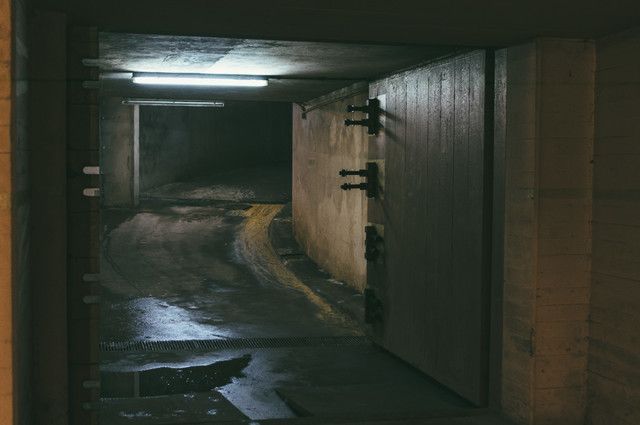
The atmosphere is also part of the appeal. Vaulted cellars, concrete shelters, and closed-off service areas feel very different from Bremen’s polished public monuments. You are not simply looking at another church interior or museum display. You are entering spaces that normally remain behind locked doors.
More Guided Tours around the world:
- Naples: Naples Underground Entry Ticket and Guided Tour
★ 4.4 · 21,781 reviews - Naples: Catacombs of San Gennaro Entry Ticket & Guided Tour
★ 4.6 · 7,941 reviews - Naples: Spanish Quarters Underground Guided Tour
★ 4.8 · 5,064 reviews
Choose between Unterwelten 1 and Unterwelten 2
The biggest decision comes before you arrive. The two routes are not minor variations of the same outing.
Unterwelten 1 is the better pick if you want a compact central-Bremen route with religious history and air-raid shelters. It begins at the elephant statue, then visits a crypt, the bunker under the forecourt of Bremen Central Station, the ramparts, and the Church of Our Lady.
Unterwelten 2 has a more industrial feel. It starts with Bremen’s underground supply street, continues toward the central station and the former Overseas Museum area, then moves to the freight yard and the former banana-ripening halls. It ends at the large ABC Hochbunker on Admiralstraße.
I would choose Unterwelten 1 for a first visit if you want the clearest connection to the historic center. I would choose Unterwelten 2 if railway buildings, freight routes, food distribution, and large concrete bunkers sound more interesting than crypts and churches.
The meeting point changes with the route, so check the exact option when booking. That small detail matters in Bremen, especially if you are fitting the tour between a train arrival and other city sights.
Unterwelten 1 begins at the elephant statue
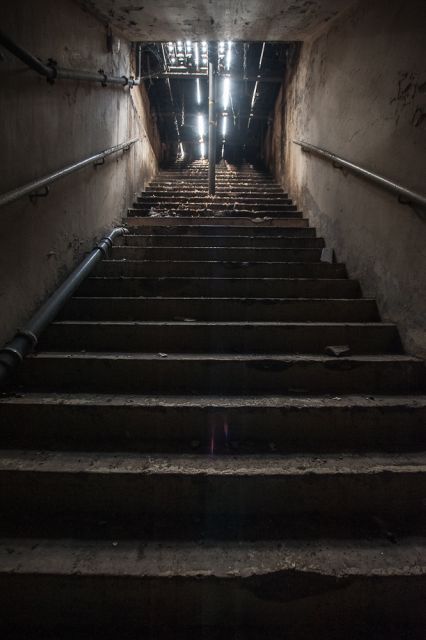
The first route starts at Bremen’s elephant statue, a useful and memorable meeting point. From there, the group heads underground into a crypt.
The crypt is not presented only as an old room. You learn about its past and its current use, which gives the visit a useful link between history and the living city. Old underground spaces can easily become frozen museum pieces. Here, the point is also how the place functions now.
The route then leads to the large ground-level air-raid shelter at Bremen Central Station. The shelter was built in the 1940s, when air raids made protection a basic part of city life. Later, during the Cold War, it was changed into an ABC bunker.
ABC refers to atomic, biological, and chemical threats. That change tells you how fears shifted after the Second World War. The structure was no longer only about bombs from aircraft. It was adapted for a possible conflict involving weapons that could contaminate air and surfaces.
This is one of the strongest stops on the route because the building carries two layers of modern history. You can connect the wartime shelter to the Cold War without leaving the same site. Historical photos help explain what the bunker looked like and how its purpose changed.
Crossing the ramparts to the Church of Our Lady
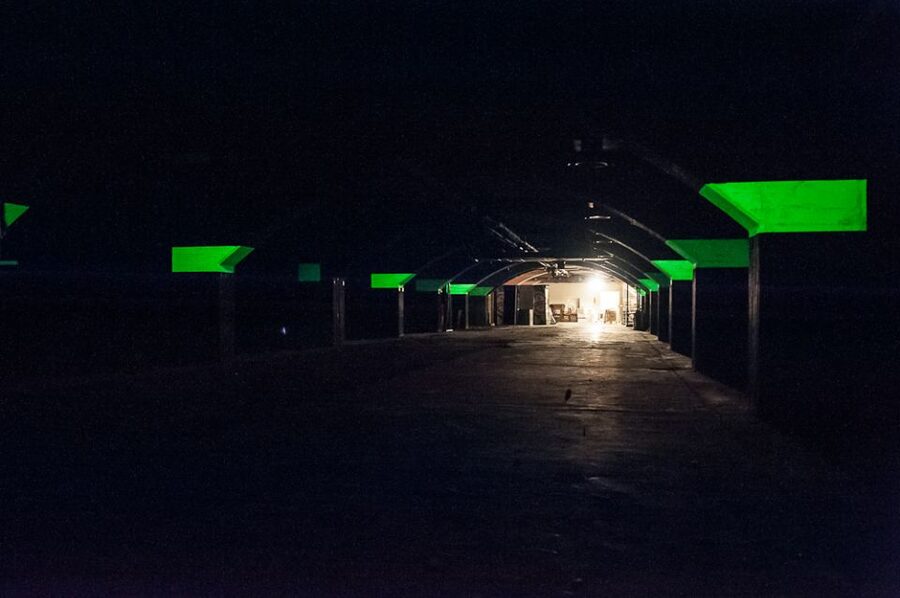
After the central station bunker, Unterwelten 1 crosses Bremen’s ramparts toward the Church of Our Lady. The route adds an above-ground walk between the underground stops, so you are not inside enclosed rooms for the full two hours.
The ramparts also help explain why bunkers are not always obvious from the street. At least eight bunkers are located around the Church of Our Lady. The guide uses historic photographs to show how these structures once looked.
That visual comparison is valuable. Concrete shelters can seem bland when seen without context. Old images give you a better sense of how many protective structures shaped the city during wartime, even when later changes made them less noticeable.
The church’s crypt provides a sharp contrast with the modern bunkers. This vaulted cellar was used as a tomb in the Middle Ages. Instead of moving from one similar shelter to another, you move from twentieth-century military planning into medieval religious practice.
I like this pairing. It reminds you that underground rooms are not automatically sinister or military. For centuries, they have served as burial places, storage areas, supply routes, and shelters. The tour makes that variety its main subject.
A few more cave trips around the world worth a look
- Chichen Itza, Cenote, and Valladolid Tour
★ 5.0 · 24,293 reviews - Chichen Itza, Cenote & Valladolid Tour with Tequila and Lunch
★ 4.5 · 15,789 reviews - Colosseum: Underground and Ancient Rome Tour
★ 4.7 · 12,691 reviews - Edinburgh: Underground Vaults Tour
★ 4.6 · 11,758 reviews
What makes Unterwelten 2 different
Unterwelten 2 begins at Bremen’s first and only underground street. It was built for supplying the surrounding shops and was unknown to Bremen police for a long time.
That detail gives the opening a slightly mischievous tone. It was not described as a secret tunnel built for some dramatic purpose. It was a working route for goods, hidden from normal street life. You see how commercial activity once depended on spaces that shoppers never noticed.
The route then reaches Bremen Central Station. Along the way, historical photographs show what once stood beneath the green forecourt of the Overseas Museum. The guide also explains why the central station was not destroyed during the Second World War.
Those photographs are important because the current city can conceal its earlier arrangement. You see how public spaces changed and how wartime events shaped buildings that remain in daily use. The station stop is not only about architecture. It connects transport, war damage, and the survival of a major Bremen landmark.
Freight yards and the banana-ripening halls
From the central station, Unterwelten 2 continues to Bremen’s freight yard. This gives the tour a different feel from the church-and-crypt route. The setting is tied to cargo, trains, and the movement of food.
At the depot, you visit the former banana-ripening halls of the fruit yard. Before the First World War, these halls helped Bremen residents enjoy exotic fruit that had arrived through long-distance trade.
That detail makes the stop more than an abandoned industrial space. Bananas were once a special import, and ripening them required dedicated facilities. The halls show how Bremen’s commercial connections reached ordinary households through railway and storage systems.
I find this kind of stop especially useful if you want to understand the city beyond its monuments. The old town tells you about power, faith, and civic pride. The freight yard tells you how goods actually moved through the city.
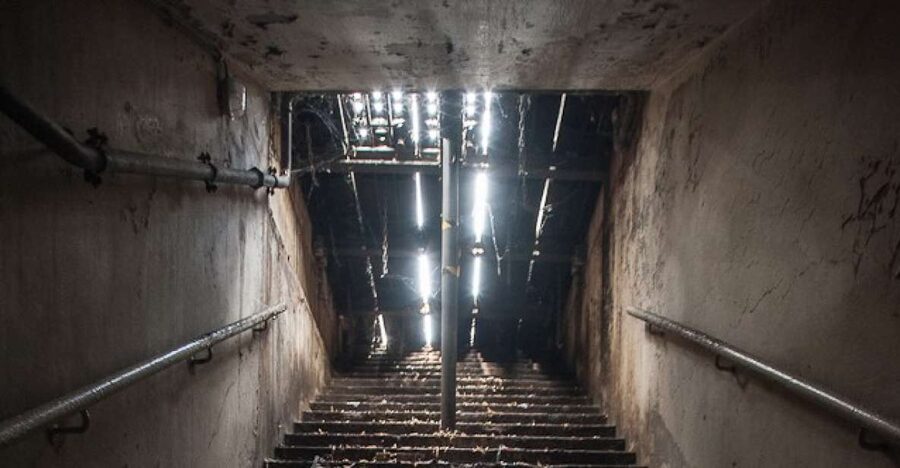
The route ends at the ABC Hochbunker on Admiralstraße. This is a large above-ground bunker rather than a shelter tucked under a station forecourt. You descend into it and examine the history of air-raid shelters during the Second World War, followed by the bunker’s development through the twentieth century.
The final stop gives Unterwelten 2 a strong ending. You have already seen supply routes and railway facilities. Now you enter a major defensive structure and consider how the city prepared for war and later Cold War fears.
Why the bunkers matter
A bunker can seem like a simple concrete box until you understand the reason it exists. This tour provides that context by showing different stages of bunker development.
The Second World War explains the need for air-raid shelters. Cities faced bombing, and protection had to be built into urban areas. The Cold War added another layer of anxiety. An ABC bunker was intended for a threat that was less visible than falling bombs and potentially much harder to escape.
The central station bunker and the Admiralstraße Hochbunker offer two different forms of protection. One is connected with a major transport site and was later adapted. The other is a large dedicated bunker with its own story across the twentieth century.
You should not expect a polished museum with extensive displays at every turn. The value lies in entering the structures and hearing how they were built, changed, and used. Historical photographs do much of the work, especially at the central station and near the Church of Our Lady.
The mood can be eerie, particularly in the vaulted cellar and enclosed bunkers. Still, the tour is more informative than theatrical. Its strongest moments come from seeing real spaces and understanding their purpose.
The German guide makes a difference
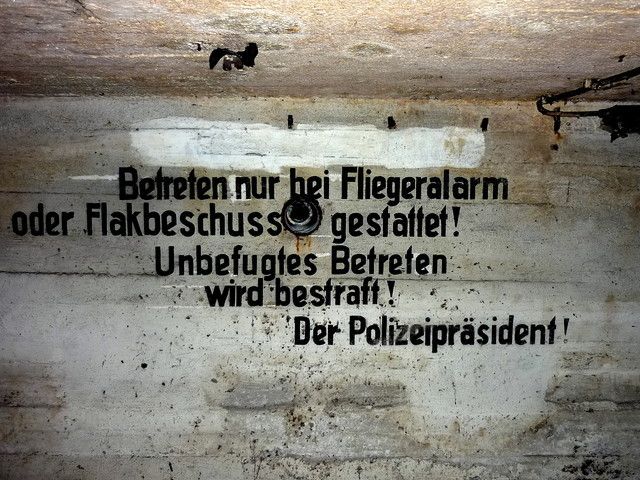
The live guide speaks German. If you understand German, the tour gives you the chance to hear explanations on site rather than simply reading labels.
Recent feedback gives special praise to Thomas, described as an excellent speaker and a very likable guide. Peter also received thanks for leading a very good and informative tour. Those comments suggest that the guide’s delivery can add real value, especially in places where the architecture alone does not explain enough.
If you do not speak German, think carefully before booking. The key information is delivered by the guide, and there is no indication of English guiding or a translated version. You may still appreciate the rooms, photographs, and atmosphere, but you would miss much of the historical explanation.
The tour has an overall rating of 4.1 from 1,408 ratings. That is a solid result, though it also suggests the experience will not suit everyone equally. The German-only format and walking demands are the two clearest reasons for a mixed response.
Two hours and $18: Is it good value?
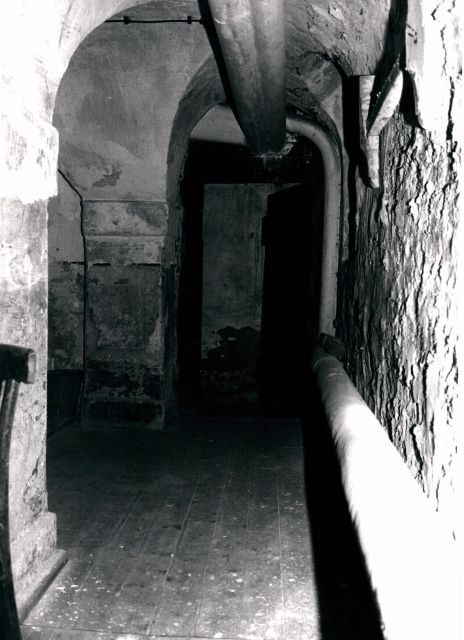
At $18 per person, the tour is reasonably priced for two hours of guided access to several places normally closed to the public. You are paying not just for a walk, but for entry into crypts, bunkers, and former service spaces.
The value is strongest if you enjoy local history and unusual access. You can visit Bremen’s main churches and public squares on your own, but you are unlikely to enter these underground rooms without a guide. The historical photographs and explanations also make the fee more worthwhile.
The price is less compelling if you want a broad sightseeing tour of Bremen. This is not a general introduction to the town, and it does not replace a walk through the market square or a visit to the cathedral’s main interior. It is a specialist tour about what lies below and behind the public city.
The reserve-now-and-pay-later option is useful if your schedule is still changing. You can also cancel up to 24 hours before the tour for a full refund. Those policies reduce the risk of booking early, but the more important decision is still choosing the route that fits your interests.
Walking, access, and practical limits
Take the warning about walking seriously. One recent assessment specifically pointed out that the tour is not clearly suitable for people who are not good on their feet.
The route includes city walking, movement between sites, and descents into underground spaces or bunkers. The exact physical demands may vary by route and by organizational changes, so ask the operator before the date if mobility is a concern.
Wear practical shoes and allow enough time to reach the correct meeting point. Since the meeting location varies, do not assume that both routes begin near the same landmark.
Program changes are possible because the sites have organizational limits. If a particular bunker, crypt, or other location matters most to you, contact the operator shortly before the tour. A substitute location will be provided if a planned stop closes, but it may not be the exact place you hoped to see.
Who should book this Bremen underground tour?
I would recommend it to you if you have already seen Bremen’s main surface sights and want a less familiar side of the city. It suits people who enjoy wartime history, Cold War stories, old churches, railway infrastructure, and places that are normally closed.
Unterwelten 1 is the better match for a first-time visitor who wants crypts, the central station bunker, the ramparts, and the Church of Our Lady. Unterwelten 2 is better for anyone drawn to supply routes, freight yards, historic photographs, fruit imports, and a large bunker on Admiralstraße.
I would hesitate if you need English guiding, dislike enclosed spaces, or have difficulty walking for two hours. The tour is also not the best choice if you want a light, cheerful introduction to Bremen. Its subject is serious, and the setting can be cold, shadowy, and unsettling.
Final verdict
Book this tour if you want Bremen’s history told through real underground places rather than only through famous monuments. At $18, it offers good value, especially because the access is unusual and the routes cover several periods of the city’s past.
Choose the route carefully, confirm the meeting point, and ask about any must-see location before the date. If you understand German and can walk comfortably, this is an engaging way to see Bremen from below, with guides such as Thomas and Peter adding warmth and clarity to a subject that could otherwise feel very stark.
FAQ
How long is the Bremen Underground Guided Tour?
The tour lasts two hours.
How much does the tour cost?
The listed price is $18 per person.
Are there different tour options?
Yes. Unterwelten 1 visits a crypt, the ABC bunker beneath Bremen Central Station, the ramparts, and the crypt beneath the Church of Our Lady. Unterwelten 2 visits Bremen’s underground street, the central station area, the former banana-ripening halls, and the ABC Hochbunker on Admiralstraße.
What language is the tour in?
The live tour guide speaks German.
Is the meeting point the same for both options?
No. The meeting point may change depending on which option you book.
Can I cancel the booking?
Yes. You can cancel up to 24 hours in advance for a full refund. A reserve-now-and-pay-later option is also available.
Just added around the world
- From Geysir: Snowmobiling & Ice Cave on Langjökull Glacier★ 4.4 · 100 reviews
- From Faro: Benagil Cave and Seven Hanging Valleys Trail Tour★ 5.0 · 584 reviews
- From Geneva: Chamonix, Mont Blanc & Ice Cave Guided Day Tour★ 4.8 · 572 reviews
- From Faro: Boat trip to Benagil Cave & Praia da Marinha★ 4.7 · 256 reviews
- From Durres: Speed Boat to Sazan Island, Cave & Karaburun★ 4.9 · 147 reviews
- From Durrës/Golem: Sazan & Ali Cave & Karaburun Boat Tour★ 4.6 · 35 reviews
- From Faliraki : Speedboat tour kalithea caves&antony kouin★ 5.0 · 25 reviews
- From Chiang Mai: Chiang Dao Cave Trekking Full-Day Tour★ 4.8 · 126 reviews
Guided, compared.
Naples Underground Entry Ticket and Guided Tour
Read our review →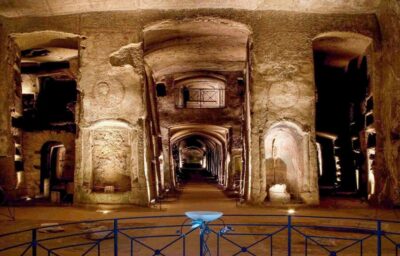
Catacombs of San Gennaro Entry Ticket & Guided Tour
Read our review →
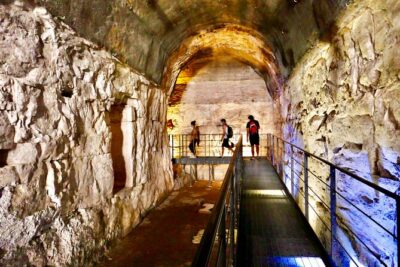
Expert Guided Tour of Colosseum Arena OR Underground, and Forum
Read our review →
Colosseum Underground Small Group Guided Tour
Read our review →
Catacombs of St. Callixtus Entry Ticket & Guided Tour
Read our review →