
Review · ICE CAVE TOURS
Explore Mt. Fuji Ice Cave in Aokigahara Forest
Enter the forest by headlamp. This three-hour Mt. Fuji ice cave tour pairs a quiet walk through Aokigahara with a rare trip into a lava-formed cavern where the air stays near 0°C. I like the small-group format, capped at 12 people, and the fact that special entry permission, transport, helmets, gloves, overalls, and headlamps are included. The main drawback is the physical side: reaching the cave involves uneven forest trails, rocks, and some scrambling, so this is not a gentle sightseeing stop.
I also like the guides, especially Tada, Takasi, Toshi, and Tadasuke, who are praised for clear English, humor, and strong knowledge of the forest, wildlife, and volcanic geology. You should also plan carefully around the meeting time, weather, and clothing, since the cave is cold, the tour may be canceled in poor weather, and late arrival can create a serious problem.
Key Points Before You Book
- A 1,200-year-old volcanic setting: Mt. Fuji’s ancient lava flows created the cave, while melted snow later formed its ice.
- Aokigahara on foot: The tour includes about 40 minutes of forest walking before and after the roughly 60-minute cave visit.
- Special cave access: The operator includes entry permission that independent visitors normally need to arrange themselves.
- Cold, dark, and hands-on: Expect headlamps, helmets, gloves, coveralls, rock passages, and temperatures close to 0°C.
- Strong guiding: Tada, Takasi, Toshi, and Tadasuke are singled out for humor, patience, safety, and local knowledge.
- Good value for an unusual outing: At $53.06, the price includes a guide, equipment, private transport, and pickup around Lake Kawaguchiko.
Why This Mt. Fuji Cave Trip Feels Different
Mt. Fuji is often treated as a photo stop. You look up, take the picture, and move on. This tour gives you a very different view of the mountain. Instead of standing at a lookout, you walk through the forest and enter a cavern formed by one of Fuji’s great eruptions.
About 1,200 years ago, lava flowed across the area and hardened into tubes and caves. Later, snowmelt entered the cold underground spaces and froze, creating the ice formations that give the cave its name. The result is not a polished attraction with bright lighting and paved paths. You use a single headlamp and move through a dark, chilly natural space.
That lack of polish is part of the appeal. The cave feels like an active piece of geology rather than a staged attraction. You can expect the guide to explain how the lava formed the cave, how ice remains underground, and how people used the caves in earlier times.
The tour also gives Aokigahara more attention than its unsettling reputation often allows. The forest is widely known by the nickname Sea of Trees, and the guide handles that difficult subject with care while explaining its natural and cultural setting. Several guides also point out plants, wildlife, volcanic soil, and other small details you could easily miss while walking alone.
More Ice Cave Tours in the world:
- From Vik: Katla Ice Cave and Super Jeep Tour
★ 4.6 · 2,110 reviews - Jökulsárlón: Vatnajökull Ice Cave Guided Tour
★ 4.2 · 2,046 reviews - Skaftafell: Ice Cave Tour and Glacier Hike
★ 4.5 · 1,746 reviews
The Meeting Point and Ride Toward Aokigahara
Pickup is offered from Kawaguchiko Station and hotels around Lake Kawaguchiko. An air-conditioned vehicle and private transportation are included, which makes the outing easier if you are staying in the Fuji Five Lakes area.
The ride matters because the cave is not simply beside a major station or marked tourist street. The operator takes you to the departure point, and the guide handles the transfer. Some tours include scenic views of Mt. Fuji along the way, with time for photographs if conditions allow.
Pay close attention to the confirmed meeting instructions. The advertised start time may not be the same as the actual reception time. One person arrived expecting the published time and found that the group had already been called for an earlier meeting. That is an avoidable headache, especially if you are coming from Tokyo by bus.
If you are traveling from Tokyo, allow enough time to reach Kawaguchiko before the stated reception time. The tour cannot simply wait for late arrivals, and the experience includes several moving parts: preparation, transport, forest walking, and cave access.
Preparing With Helmets, Gloves, and Headlamps
Before entering the forest, you receive the equipment needed for the cave. This includes a helmet, headlamp, gloves, and overall. The preparation also includes time to use the toilet, change clothes if needed, and settle down before heading out.
The gear is more than a nice extra. The cave is dark, cold, and formed from rough lava rock. A headlamp lets you see where you are placing your feet, while the helmet offers protection in a confined volcanic space. Gloves help with cold surfaces and awkward sections.
Wear long sleeves and long pants. A winter jacket is recommended, even if the weather around Lake Kawaguchiko feels mild. The cave itself remains close to 0°C, so dress for the underground portion rather than the sunny part of the day.
Good shoes matter even more than fashionable clothes. Several parts of the cave can require maneuvering around rocks, and smooth soles may make the route tricky. Hiking shoes with firm grip are the sensible choice. Wear light clothing under the coveralls so you can move comfortably without overheating during the forest walk.
Walking Through the Sea of Trees
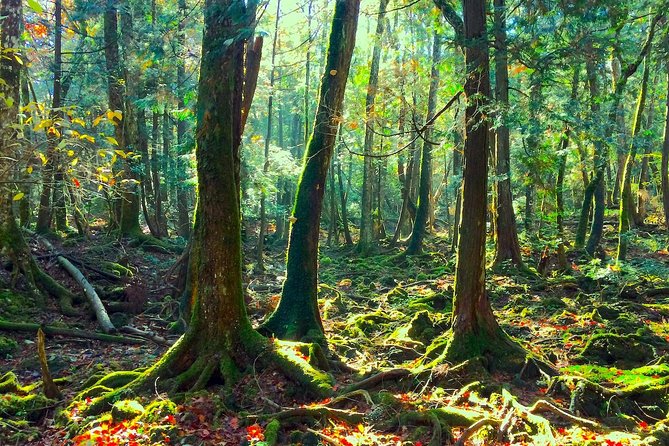
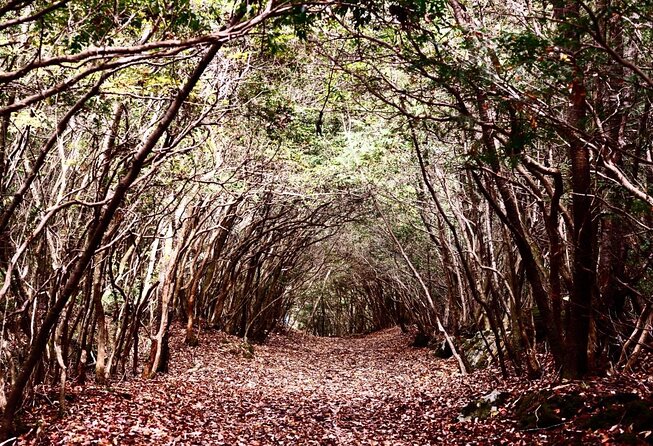
The first forest walk takes about 40 minutes. This is not filler before the main attraction. Aokigahara is a major part of the experience, with dense trees, dark volcanic soil, mossy surfaces, and a quiet feeling that changes as the path leads toward the cave.
The forest can feel mysterious, especially in mist or rain. Yet the tour is not designed to frighten you. A good guide helps put the setting in context and keeps the walk focused on nature, geology, and local history. Tada and Tadasuke are especially praised for explaining the environment in both English and Japanese when needed.
The forest route also gives you time to adjust to the physical pace. You are walking before the cave, then walking again afterward. The tour is not a technical climb, but it does require moderate fitness. You should be comfortable on uneven ground for a few hours.
Weather changes the mood. Rain can make the forest especially atmospheric, but it may also affect safety and the operator can cancel the tour in poor conditions. If the weather is wet, bring suitable outdoor clothing and expect the forest floor to feel less predictable.
A few more cave trips around the world worth a look
- Chichen Itza, Cenote, and Valladolid Tour
★ 5.0 · 24,293 reviews - Naples: Naples Underground Entry Ticket and Guided Tour
★ 4.4 · 21,781 reviews - Chichen Itza, Cenote & Valladolid Tour with Tequila and Lunch
★ 4.5 · 15,789 reviews - Colosseum: Underground and Ancient Rome Tour
★ 4.7 · 12,691 reviews
Entering the Ice Cave Near 0°C
The cave portion lasts about 60 minutes. Your guide leads you inside with headlamps rather than relying on artificial lighting. That makes the first steps memorable, but it also means you need to stay aware of the ground and follow instructions closely.
Inside, the temperature is close to 0°C. The cold is not a brief blast at the entrance. It is a central part of the experience, so the right layers make a real difference. The ice formations are natural and shaped by Mt. Fuji’s volcanic structure and later snowmelt.
You should expect some climbing and scrambling around rocks. This is where the tour separates itself from a standard cave walk. The route can be physically awkward, and people with mobility limitations may find it unsuitable. One useful detail from the experience is that the cave is spacious in places, so it may not feel as claustrophobic as you first imagine. Still, darkness, cold, and uneven footing are real factors.
Photography is possible, but the cave is difficult to capture well. A camera can record the ice, rock, and headlamp glow, yet it cannot fully show the cold, the silence, or the sensation of moving through a natural cavern. Let the guide manage the pace rather than stopping constantly for pictures.
Your guide also provides the safety structure. Follow directions, stay with the group, and avoid treating the cave like an unsupervised climbing challenge. The operator can stop the tour if someone ignores safety instructions or disrupts the group.
The Guides Make the Difference
This experience depends heavily on the guide. The forest and cave have no large signs explaining every feature, so the person leading you shapes what you understand.
Tada is frequently praised for humor, clear English, and an easy manner with children and adults. Takasi is described as patient and especially good with younger children, while Toshi is praised for his passion and detailed understanding of the forest and cave. Tadasuke has also been praised for answering questions in both English and Japanese and for explaining the natural setting in a calm, friendly way.
That personal approach is important here. Without a guide, you would see trees, lava, ice, and darkness. With a good guide, you get the story connecting them. You learn how Fuji’s eruption created the caves, how ice formed inside them, and how the forest developed above the old lava flow.
The small-group limit helps. A maximum of 12 people is small enough for questions and close supervision. Some departure times have ended up private because other people canceled. That is not guaranteed, but it can make the outing feel more like a custom walk than a scheduled group activity.
Returning Through the Forest
After the cave, you walk through Aokigahara for another 40 minutes before returning to the vehicle and meeting point. This second forest section gives you a chance to notice what you missed on the way in. It also lets you warm up gradually after the cold cave.
The guide may continue discussing plants, animals, volcanic formations, and the past uses of the caves. The return walk is still part of the physical workload, so do not treat the outing as one short cave visit followed by a drive.
Depending on the schedule and weather, you may also receive scenic views of Mt. Fuji or a scenic drive back. These extras are helpful, but they are not the core reason to book. The main value lies in the forest walk, the cave access, and the guide’s interpretation.
Is $53.06 a Fair Price?
At $53.06 per person, the tour offers good value for a specialized half-day experience. The price includes an English-speaking local guide, pickup and drop-off around Kawaguchiko, private transportation, cave equipment, entry-related fees, and taxes.
You are not paying only for a walk in the woods. The special entry permission is important because independent access is not as straightforward, and the operator handles the equipment and transport needed for the cave. That saves you from organizing several separate pieces.
Food and drinks are not included, and accommodation or transport to the area is also your responsibility. If you are staying outside Kawaguchiko, factor in the cost and time of reaching the pickup point.
For me, the value is strongest if you want something beyond the usual Fuji viewpoints. If you only want an easy scenic outing, the physical demands may outweigh the benefits. If you enjoy geology, unusual natural sites, and guided walks, the price is reasonable.
Who Should Book This Adventure?
This tour suits you if you have moderate physical fitness, enjoy uneven trails, and like experiences that feel a little rough around the edges. Nature lovers, older children accompanied by adults, couples looking for a different anniversary activity, and visitors with a few spare hours around Lake Kawaguchiko can all find something worthwhile here.
Children must be accompanied by an adult. The guide’s patient approach has worked well with young children, but every child is different. The cold, darkness, and rock sections may be tiring or intimidating.
Think carefully if you are pregnant, have mobility limitations, or have been drinking. The operator specifically warns that the tour may not be safe in those situations. You should also be comfortable following instructions and moving carefully through uneven spaces.
Final Verdict: A Strong Choice for Active Fuji Visitors
I would book this tour if I wanted a memorable natural experience rather than another lookout or organized photo stop. The combination of Aokigahara, volcanic geology, ice, and a strong English-speaking guide gives the outing real character.
The cave is cold and physically demanding, and the meeting time needs careful attention. Those are fair tradeoffs for access to a place most people cannot easily visit on their own.
Book it if you have hiking shoes, warm layers, a few free hours, and curiosity about the world beneath Mt. Fuji. Skip it if you need flat paths, a relaxed pace, or a weather-proof activity. For the right person, this is one of the more unusual ways to understand Fuji.
FAQ
How long does the Mt. Fuji ice cave tour last?
The tour lasts approximately three hours, although the schedule can vary depending on tour progress and conditions.
Where does pickup take place?
Pickup and drop-off are offered from Kawaguchiko Station and hotels around Lake Kawaguchiko.
Is transportation included?
Yes. The tour includes private transportation in an air-conditioned vehicle, along with driver and guide services.
What equipment is provided?
The operator provides a helmet, headlamp, gloves, and overall for the cave exploration.
How cold is the cave?
The cave is described as a natural environment close to 0°C, so warm clothing is important.
How much time is spent inside the cave?
The cave exploration takes about 60 minutes.
How much walking is involved?
The planned route includes about 40 minutes of walking through Aokigahara before the cave and another 40 minutes afterward.
Is the tour suitable for children?
Children can join, but they must be accompanied by an adult. The tour also requires moderate physical fitness and careful movement around rocks.
Is the tour suitable for people with mobility limitations?
The tour may not be suitable because the cave includes uneven ground, rocks, and some maneuvering or scrambling.
What happens if the weather is poor?
The experience requires good weather. If the operator cancels because of poor conditions, you can choose another date or receive a full refund. You can also cancel for a full refund if you do so at least 24 hours before the start time.
Just added around the world
- Hoa Lu – Tam Coc – Mua Cave Full Day – LIMOUSINE★ 5.0 · 24 reviews
- Halong deluxe cruise 2D/1N: Surprise cave, Titop island, Full Meals, best prices★ 5.0 · 20 reviews
- Hanoi – Hoa Lu – Tam Coc – Mua Cave – 1 Day Tour. By Luxury Limousine From Hanoi★ 5.0 · 19 reviews
- Full-Day Tour Hoa Lu, Tam Coc Boat Trip and Mua Cave★ 5.0 · 400 reviews
- Halong Luxury Cruise 2D/1N: Kayaking, swimming, Surprise cave, Titop island★ 5.0 · 23 reviews
- Halong bay Full Day Cruise trip: kayaking, surprise cave, titop island, lunch★ 5.0 · 25 reviews
- Halong Dragon Bay 5 Star Cruise 2D1N-All Inclusive,Cave,Transfer★ 4.5 · 424 reviews
- Halong Luxury Cruise 2D/1N: Kayaking, swimming, Titop island, Surprise cave★ 5.0 · 18 reviews
Ice Cave Tours, compared.
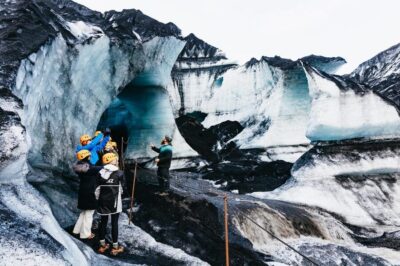
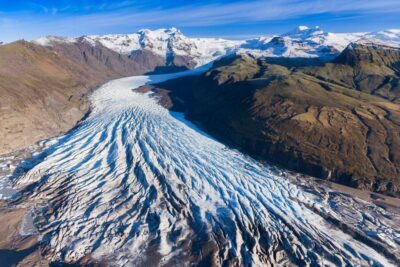
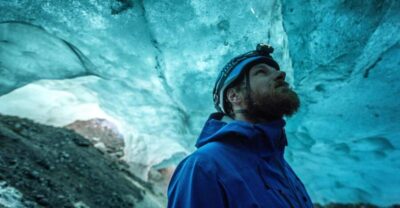
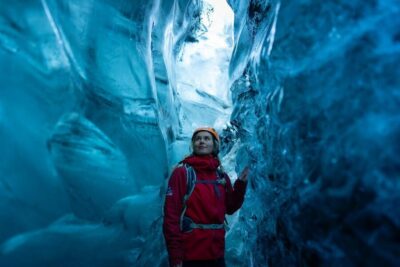
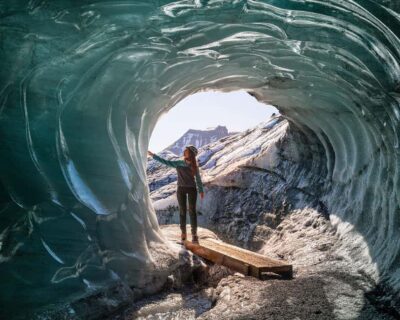
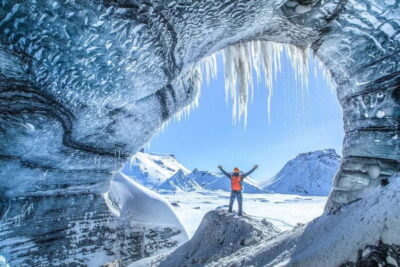
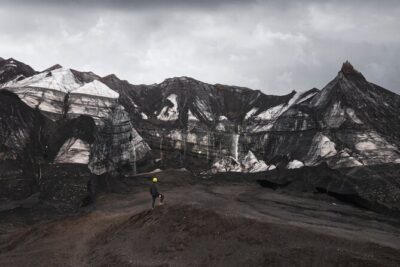
Ice Cave by Katla Volcano Super Jeep Tour from Vik
Read our review →
Browse the lists this cave appears in