
Review · PRIVATE CAVE TOURS
From Beirut: Jeita Grotto, Harissa & Byblos Private Day Tour
Lebanon packs a lot into one day. This private outing links Jeita Grotto, Byblos, and Harissa with optional religious sites and the north coast, giving you a broad look at Lebanon without the work of arranging several separate trips. You ride in a private air-conditioned SUV, travel with an English or French-speaking driver-guide, and can adjust the route to match your interests.
I especially like the flexible schedule and the fact that the vehicle includes Wi-Fi, bottled water, a local snack, and Lebanese coffee. The guide, Joseph, also receives repeated praise for being warm, punctual, practical, and generous with his time. The main caution is that the full route can be ambitious: Jeita, Annaya, Byblos, Batroun, and Harissa make for a long day with plenty of time in the car.
Key points to know before booking

- Jeita Grotto begins the day with two very different cave areas, including limestone formations and underground water.
- Byblos gives you the best walking time, with a port, Crusader-era fortress area, old souk, churches, mosque, and Roman remains.
- Joseph is a major part of the experience, offering history, local advice, and practical help beyond basic sightseeing.
- The route can be tailored, from the core trio of Jeita, Harissa, and Byblos to Saint Charbel sites or Batroun’s coast.
- Harissa works well near sunset, when the view over Jounieh Bay and the lights below become especially appealing.
- Entrance fees and lunch are extra, so budget beyond the $200 listed price.
What the $200 private tour really gives you
The listed price is $200 per group up to one person, while the vehicle is described as suitable for one to five guests. Because the pricing format is unusual, confirm the exact total if you are booking for more than one person. The important value is not only the driving. You are paying for a private SUV, fuel, parking, tolls, Wi-Fi, pickup and drop-off, and a guide who can reshape the day as you go.
For a solo visitor, $200 is a substantial day-tour cost. Still, it can be reasonable if you want several major sights without negotiating taxis or figuring out the mountain roads yourself. For a small group, the cost becomes easier to justify because the quoted amount is by vehicle or group rather than clearly by individual, although you should verify this before paying.
The price does not include entrance tickets to Jeita Grotto, Byblos Castle, or the Nabu Museum. Lunch is also separate, though a restaurant reservation can be arranged. The Harissa cable car costs extra as well. Ask for a clear estimate of all entrance fees and add-ons before departure.
More Private Cave Tours in the world:
- Private Half-Day Batu Caves and Cutural Tour in Kuala Lumpur
★ 5.0 · 3,107 reviews - Capri & Blue Grotto Semi Private Boat Day Trip from Sorrento
★ 5.0 · 2,053 reviews - Elephanta Caves & Island Guided Private Tour
★ 5.0 · 1,327 reviews
A smooth start from Beirut or the northern suburbs
Pickup is available in Beirut, Dbaye, Jounieh, or Beit Meri. You normally wait in your hotel lobby or outside the main entrance of a private residence. The usual start is between 8:00 and 9:00 in the morning, with a possible 10 to 15 minute delay during rush hour.
The vehicle is a black Jetour X70 Plus with air conditioning and the Discover Lebanon Tours logo on the dashboard. The company sends the driver’s name, photo, license plate number, and pickup time by WhatsApp the evening before. That small step matters in a city where finding the correct car can otherwise take time.
Joseph, also called Joe, is the guide most often associated with this experience. He is praised for clear explanations, honest advice, good driving, and a helpful attitude. One especially useful feature is that he can assist with practical matters during the day, not just point out monuments.
Nahr el-Kalb gives the morning a quick historical stop
The first sightseeing stop is the Stelae of the Nahr el-Kalb, or Lycus River. You spend about 15 minutes here for photographs and a short explanation. The site is on the UNESCO Tentative List and contains carved records connected with different rulers and armies that passed through Lebanon.
This is a short stop, not a full archaeological visit. I like it because it gives the day an immediate sense of place, but you should not expect a long walk or a large museum visit. If you are especially interested in inscriptions and political history, ask Joseph to spend a little more time here. If your priority is caves and coastal towns, the brief visit is probably enough.
Jeita Grotto brings you underground
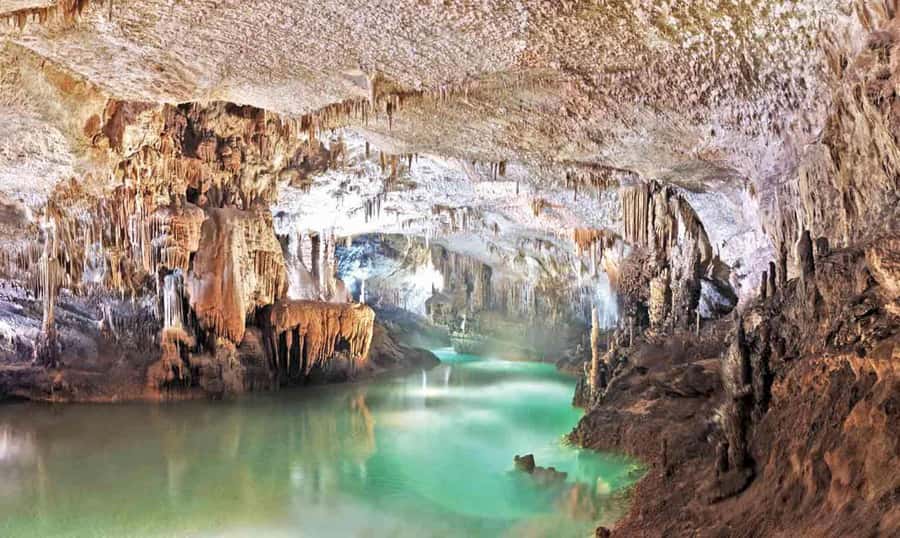
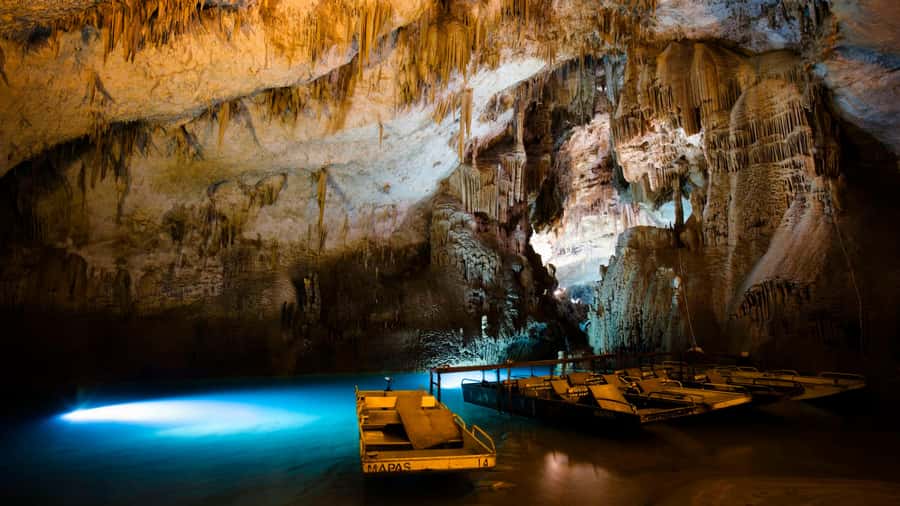
Jeita is the natural centerpiece of the morning. The visit lasts about 70 minutes and includes the upper and lower limestone cave areas. Inside, you can expect tall mineral formations, narrow rock shapes, and underground water that gives the lower section a different feel from the upper galleries.
The cave is valuable because it is not simply another historic ruin. It changes the rhythm of the day. After the short roadside stop at Nahr el-Kalb, you move into a cool, enclosed world of stone and water before returning to the open air.
Jeita tickets are not included, so check the current admission cost. The site may also involve stairs, uneven surfaces, and walking. Comfortable shoes are essential, and the activity is not suitable for wheelchair users. Photography rules and access arrangements can vary, so follow the instructions at the entrance.
The 70-minute visit is enough for a solid look, but it is not a leisurely half-day exploration. If Jeita is your main reason for booking, ask how much time will be spent in each cave area and how the day’s other stops will be handled.
A few more cave trips around the world worth a look
- Chichen Itza, Cenote, and Valladolid Tour
★ 5.0 · 24,293 reviews - Naples: Naples Underground Entry Ticket and Guided Tour
★ 4.4 · 21,781 reviews - Chichen Itza, Cenote & Valladolid Tour with Tequila and Lunch
★ 4.5 · 15,789 reviews - Colosseum: Underground and Ancient Rome Tour
★ 4.7 · 12,691 reviews
Annaya adds a quiet spiritual side trip
The detailed route includes the Monastery of Saint Maroun and the Hermitage of Saint Charbel in Annaya. Together, these stops take about 40 minutes, with time for a guided visit, photographs, and views along the mountain road.
Saint Charbel is one of Lebanon’s most revered religious figures, and the hermitage gives the day a more personal, reflective mood. The monastery and hermitage are best for visitors who want religious and cultural context rather than another quick photo stop.
This section is optional in spirit because the tour can be reshaped around your interests. If you would rather have more time in Byblos or Batroun, ask to remove Annaya. If you are interested in pilgrimage sites, it is one of the strongest additions to the basic route.
Dress modestly for religious sites. Covered shoulders and knees are appropriate, and comfortable shoes will help on uneven ground.
Byblos is the day’s best walking stop
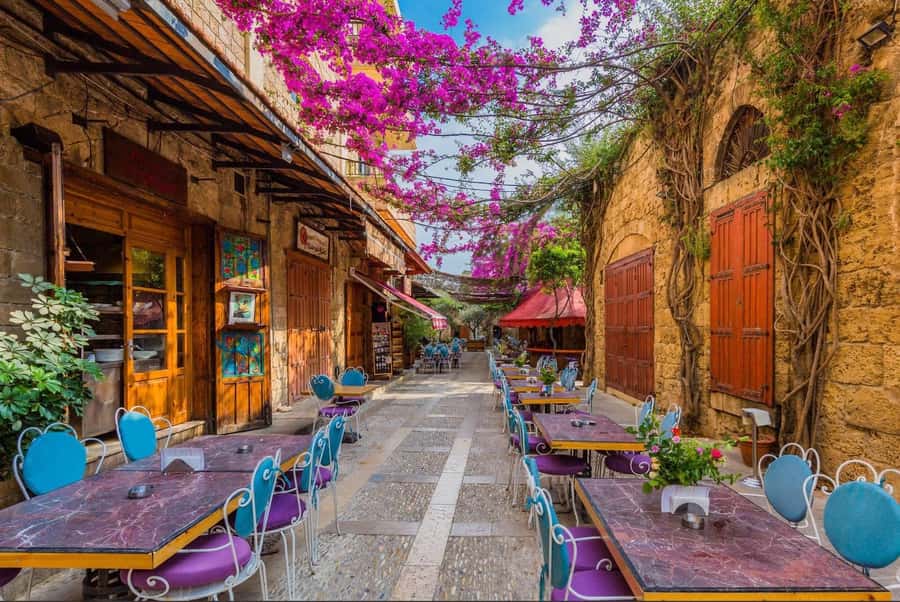
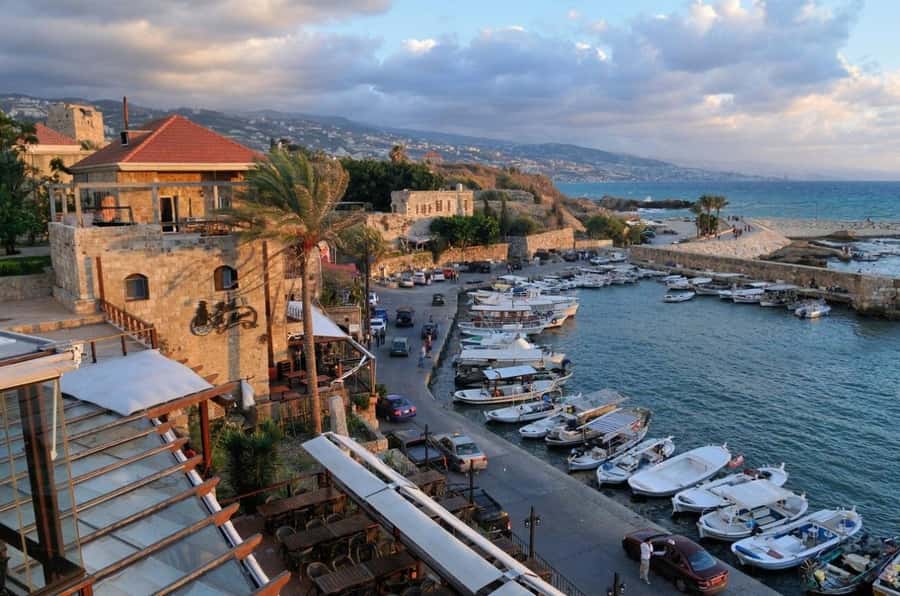
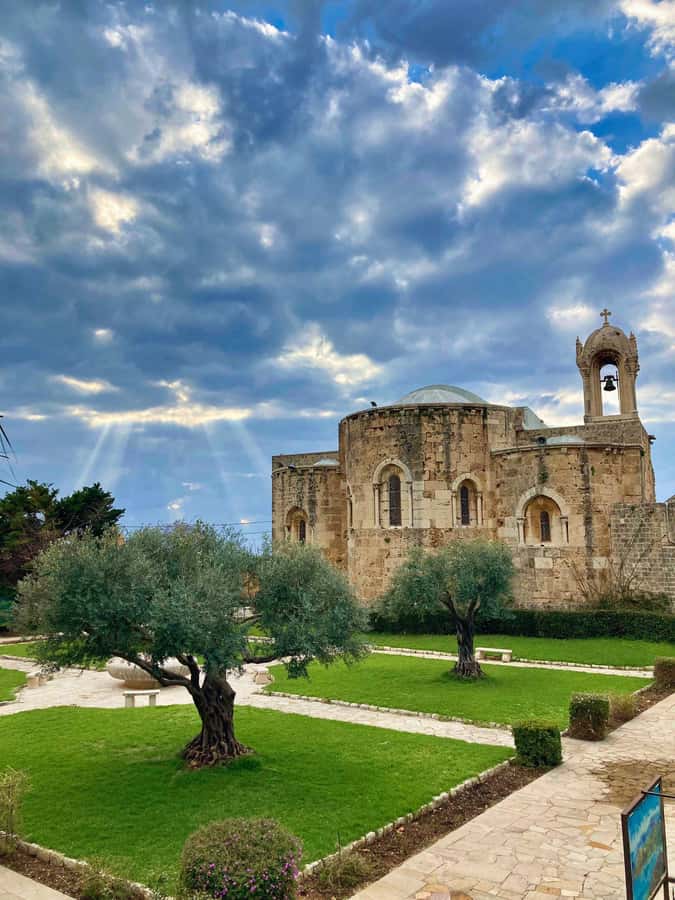
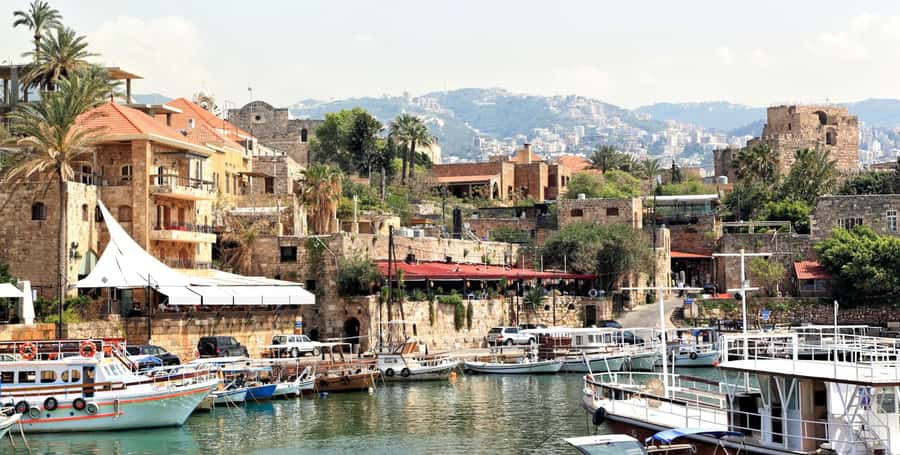
The tour allows about two and a half hours in Byblos, making this the most substantial walking section. That time can include the fishing port, Byblos Citadel, ancient ruins, the old souk, Saint John Marc Church, Sultan Abdul Majid Mosque, the Roman theatre area, and the Memory of Time Fossil Museum.
Byblos is one of the world’s oldest continually inhabited cities, and its appeal comes from the way different periods sit close together. You can move from the harbor to the fortress area, then into small lanes lined with shops, churches, and cafés. It feels like a town to walk through, not a single monument to inspect and leave.
The port and fishing harbor are good places for photographs. The citadel gives the main historical setting, while the ancient ruins and Roman site help explain how long the city has served as a center of life on the coast. The tour’s walking visit to the fortress area is described as being from outside, so check whether you want to purchase a separate ticket for interior access to Byblos Castle.
The old souk is the most relaxed part of Byblos. You can browse shops, stop for a drink, and enjoy a little free time rather than follow a nonstop sequence of facts. The streets can be uneven, so shoes with decent support will make the visit easier.
Museums, churches, and a short lunch break
The Memory of Time Fossil Museum is included, with a short guided presentation. This is a useful addition because it gives you a focused look at fossils from Lebanon instead of leaving Byblos as only an outdoor ruin site.
The Armenian Genocide Orphans’ Aram Bezikian Museum is passed by in the detailed schedule rather than given a full visit. Saint John Marc Church and the nearby mosque add a glimpse of Byblos as a place with several religious communities, not just an ancient attraction.
Lunch is scheduled at a local restaurant for about 50 minutes. The meal is not included, but the company can arrange a reservation. I would ask Joseph for help choosing a place, especially if you want seafood or have dietary needs. A fixed 50-minute break keeps the day moving, though it may feel short if you prefer a long Lebanese meal.
The north coast route is beautiful but ambitious
The extended coastal version continues toward Mseilha Fort, the Nabu Museum, Our Lady of Nourieh Monastery, and Batroun. This adds variety, but it also makes the day longer and more dependent on traffic and timing.
Mseilha Fort is a quick 15-minute stop. It works well as a photograph and a short look at a defensive site beside the road, but you should not expect a long exploration at that pace.
The Nabu Museum receives about 30 minutes. It focuses on modern art and can provide a change from churches, ruins, and old stone streets. Admission is not included, and the museum may not suit you if you would rather spend more time by the sea.
Our Lady of Nourieh Monastery is another short stop, with striking views from its position above the coast. It is best treated as a scenic and religious pause, not a full monastery tour.
Batroun receives about 75 minutes in the listed schedule, followed by several quick stops. The old souk, St. Stephen Cathedral, the port, Saint Georges Orthodox Church, Our Lady of the Sea, and the Phoenician Wall all show different sides of this coastal town. Hilmi’s House of Lemonade and the statue of the sponge diver add local details that keep the visit from feeling like a checklist of major monuments.
You may also pass through the Lebanese Diaspora Village. The route can include a winery visit in the Batroun area, but wine tasting is an extra and must be requested. A beach café or swim stop is also possible if time and conditions allow.
My advice is simple: choose Batroun only if you accept a fast-moving day. It is a strong addition for repeat visitors, coastal scenery fans, and people who want cafés, churches, art, and sea views. For a first visit with limited energy, the core Jeita, Byblos, and Harissa route may feel more comfortable.
Harissa is a fine way to finish
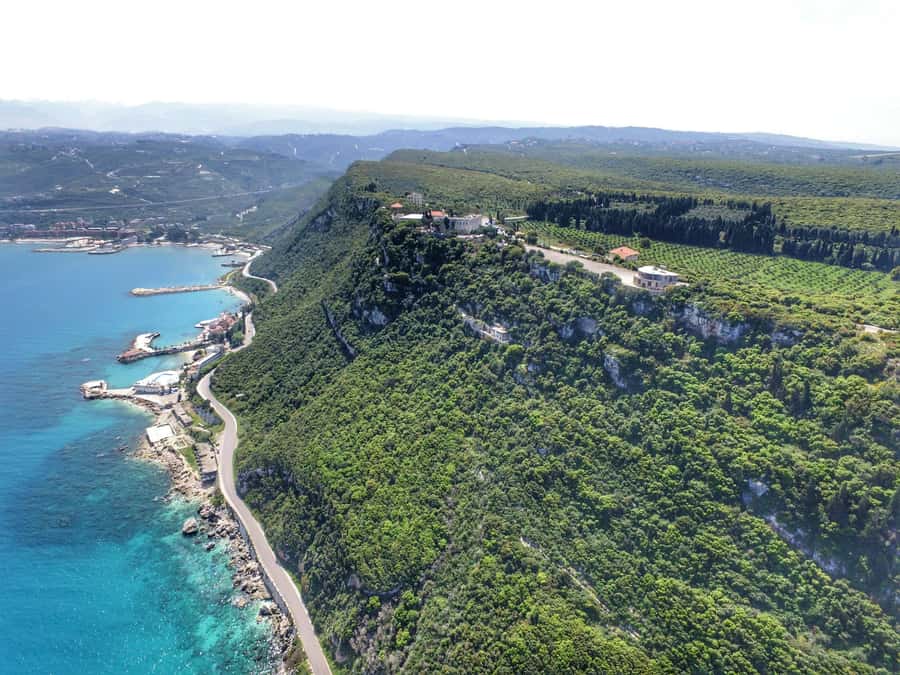
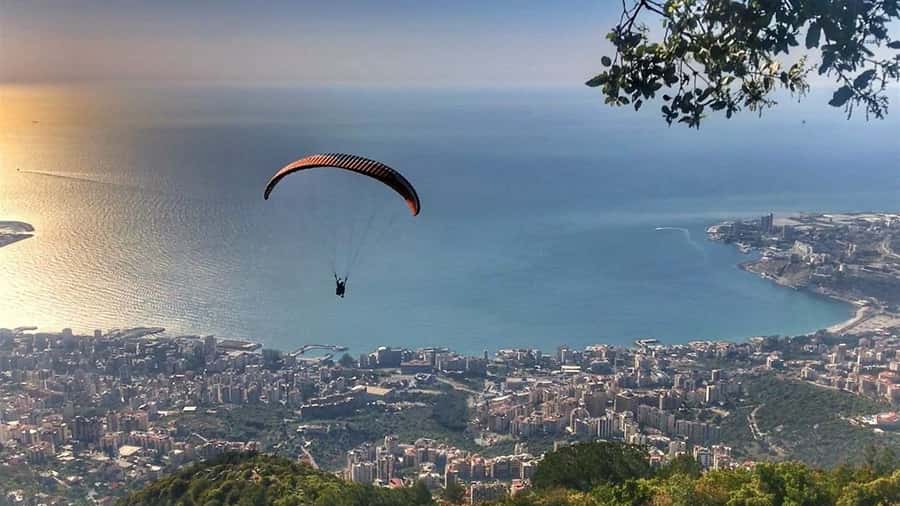
The final major stop is Our Lady of Lebanon in Harissa. The statue overlooks Jounieh Bay, and the visit is planned for about an hour, often near sunset. From the hilltop, you can see the coastline and the lights beginning to appear below.
The tour includes access to Harissa by car. The Teleferique du Liban cable car is optional and costs extra. The cable car adds drama and a better sense of the height, but the car option is more practical if you are short on time or prefer to avoid another ticket.
Harissa works well at the end because it is scenic and less demanding than a ruin or museum. If you want the sunset timing, tell Joseph early in the day. Traffic, weather, and the number of stops can affect arrival time.
Comfort, guiding, and the pace of the day
The private SUV is one of the tour’s strongest practical features. You do not have to share space with a large group, and you can ask for changes when the day feels too full. Wi-Fi is included, along with water, a snack, and Lebanese coffee.
The route includes long driving stretches, especially if you add Annaya, Mseilha, Nourieh, and Batroun. The private vehicle matters here because you can settle in between stops instead of changing buses or arranging separate rides.
Joseph receives especially strong praise for being friendly, punctual, calm, and well informed. His value is greatest when you ask questions, request local food advice, or want to alter the balance between religious sites, archaeology, coast, and shopping. The tour is not a scripted group walk, so speak up about what you want.
The experience is not designed for wheelchair users, and uneven archaeological ground may be difficult for anyone with mobility limitations. Bring medication, sun protection, a hat, a charged phone, and weather-appropriate clothing. Carrying a little USD or Lebanese pound cash is useful for souvenirs, tips, and optional purchases.
Who should book this Lebanon day tour?
This is a strong choice if you have one full day and want to see several sides of Lebanon: natural scenery at Jeita, ancient Byblos, religious sites in Annaya and Harissa, and the northern coast. It also suits solo visitors who value a private guide and small groups who want control over the route.
I would choose the shorter core route if you dislike hurried sightseeing. I would add Batroun if you have already seen Beirut, want coastal cafés and churches, or prefer a broad road trip with many short stops.
The tour offers free cancellation up to 24 hours before departure and reserve-now, pay-later booking. Those terms are useful when your schedule is uncertain, but the bigger decision is route length. Ask for a day plan that clearly states which stops are guaranteed and which are optional.
FAQ
Where can pickup and drop-off take place?
Pickup and drop-off are available in Beirut, Dbaye, Jounieh, and Beit Meri. Hotel guests wait in the lobby, while visitors at private residences or apartments wait outside the main entrance.
How long does the tour last?
The experience lasts about 9 to 10 hours. The exact duration depends on the chosen route, traffic, and added stops.
Is the tour private?
Yes. It is a private group experience using an air-conditioned SUV for one to five guests.
Which languages are available?
Guiding is available in Arabic, English, and French.
Are entrance tickets included?
No. Entrance tickets for places such as Jeita Grotto, Byblos Castle, and the Nabu Museum are not included. The Harissa cable car is also an optional extra.
Is lunch included?
No. Meals are not included, but a local lunch reservation can be arranged on request.
Can I customize the itinerary?
Yes. You can add or skip destinations and request a focus on spiritual sites, archaeology, coastal stops, wineries, beaches, or extra landmarks.
Is the tour suitable for wheelchair users?
No. The experience is listed as unsuitable for wheelchair users, and some archaeological sites have uneven terrain.
Just added around the world
- From Geysir: Snowmobiling & Ice Cave on Langjökull Glacier★ 4.4 · 100 reviews
- From Faro: Boat trip to Benagil Cave & Praia da Marinha★ 4.7 · 256 reviews
- From Faro: Benagil Cave and Seven Hanging Valleys Trail Tour★ 5.0 · 584 reviews
- From Geneva: Chamonix, Mont Blanc & Ice Cave Guided Day Tour★ 4.8 · 572 reviews
- From Faliraki : Speedboat tour kalithea caves&antony kouin★ 5.0 · 25 reviews
- From Durres: Speed Boat to Sazan Island, Cave & Karaburun★ 4.9 · 147 reviews
- From Durrës/Golem: Sazan & Ali Cave & Karaburun Boat Tour★ 4.6 · 35 reviews
- From Chiang Mai: Chiang Dao Cave Trekking Full-Day Tour★ 4.8 · 126 reviews
Private Cave Tours, compared.
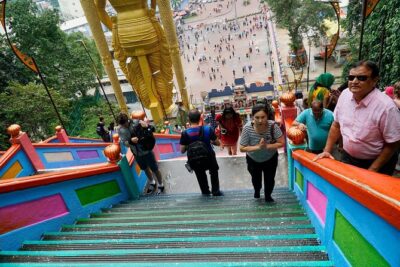
Private Half-Day Batu Caves and Cutural Tour in Kuala Lumpur
Read our review →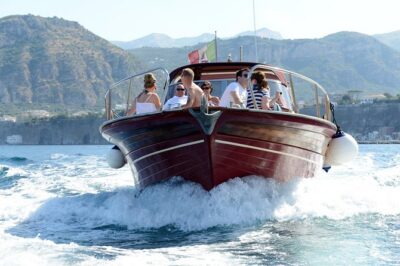
Capri & Blue Grotto Semi Private Boat Day Trip from Sorrento
Read our review →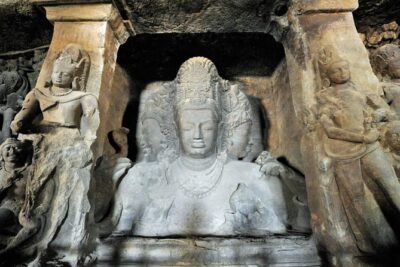
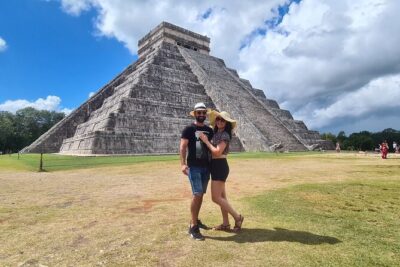
Skip the Line Chichen Itza Private Tour, Sacred Cenote & Lunch
Read our review →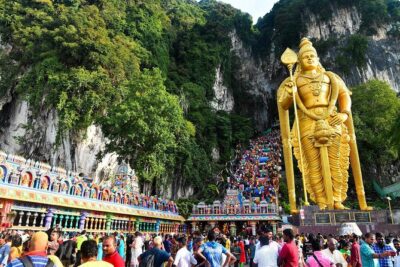
Private Tour Kuala Lumpur with Petronas Twin Towers Observation Deck & Batu Cave
Read our review →
Blue & Green Caves Private Boat Tour with Drinks
Read our review →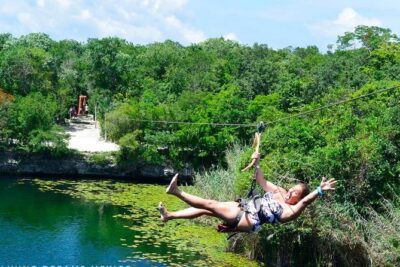
4 Private Cenotes, Zip-Lines, Canoes & Mayan Village with Delicious Lunch
Read our review →Bali Quad Bike Pass by Waterfall Gorilla Cave Private Transfer
Read our review →Browse the lists this cave appears in