
Review · SOLOLá DEPARTMENT, GUATEMALA
Lake Atitlan: Mayan Ceremony at the Sacred Caves
Sacred fire, steep paths, huge views. This two-hour outing from Panajachel combines a Maya fire cleansing ceremony with Eagle Rock viewpoints, a village visit, and a short hike to sacred caves. I especially like the chance to learn from a Maya guide such as Alex, and the small groups of no more than eight make it easier to ask questions. The main catch is that the ceremony is not guaranteed every day, and the trail is short but steep, uneven, and messy.
This is not a polished sightseeing loop with a guide waving a flag. It is a close look at living Maya practice, with smoke, soot, offerings, and a real sacred setting. I would bring sturdy shoes and clothes you do not mind dirtying, and I would allow some flexibility around pickup, since transportation arrangements have occasionally caused confusion.
Key points to know before you go
- The fire ceremony is the heart of the experience: A shaman may perform a traditional Fire Cleansing and Protection Ceremony, though this is not guaranteed on every departure.
- The four caves have individual names: Nimajay, San Simon, Singing, and Colorado have been used for Maya ceremonies for centuries.
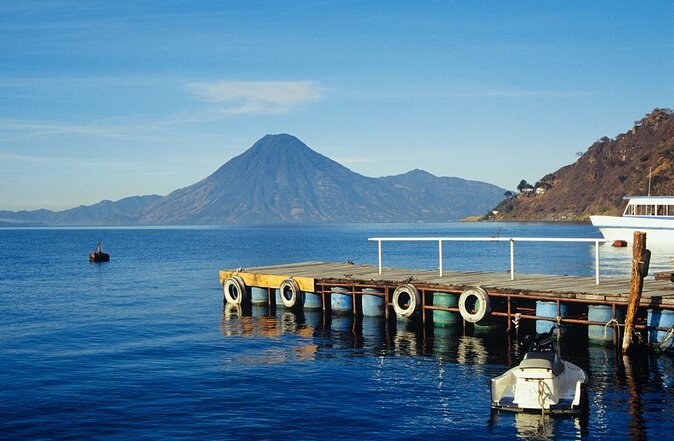
- Eagle Rock sits about 1,200 feet above Lake Atitlan: Expect sweeping views across the lake and its volcanic caldera, with dramatic drops around the lookout.
- Alex receives especially warm praise: He is described as patient, kind, culturally rooted, and generous with explanations.
- The walk is short but not effortless: The first cave is up to a 20-minute hike, with elevation change and uneven ground.
- The $108 price buys more than a viewpoint: It includes round-trip transportation from Panajachel, entrance fees, a small group, and access to a cultural experience that is difficult to arrange independently.
Why this Maya ceremony feels different
Many Lake Atitlan activities focus on boats, markets, or village walks. This one asks you to pay attention to Maya spirituality, where caves, fire, offerings, calendar days, and Christian symbols can share the same space.
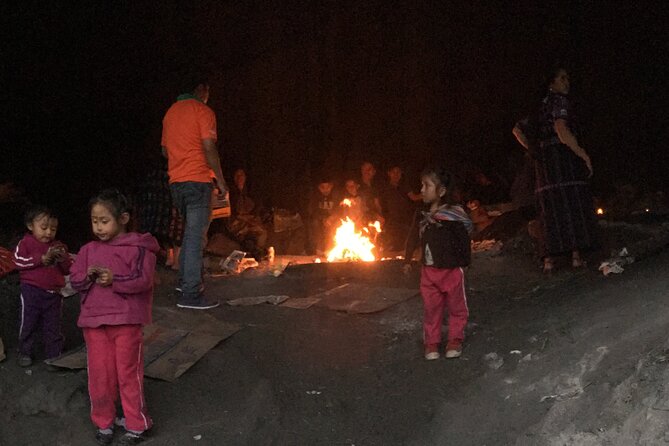
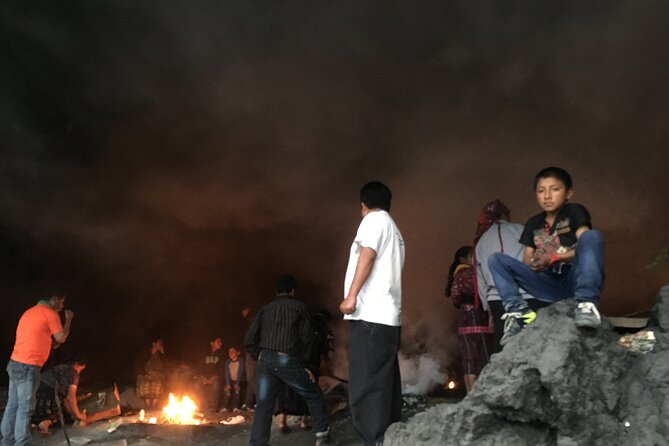
The caves are considered sacred locations for highland Maya communities. People travel for hours to visit them, and the ceremony is not presented as a stage show with a tidy beginning and end. If a shaman is available, you may watch or take part in a blessing and fire ritual. The exact format can vary, so you should arrive with respect and an open mind rather than expecting a fixed performance.
That uncertainty is important. The ceremony is available on most days according to the tour information, but it is not guaranteed. If there is no ceremony during your visit, the guide still explains the caves, the customs, and the Maya calendar, but the central part of the outing will feel more observational.
I like that the experience includes cultural interpretation rather than simply taking you to a cave and handing you a camera opportunity. Alex has been singled out for explaining each stage carefully, answering many questions, and helping visitors feel welcome without rushing them. Lee has also helped organize the experience and match visitors with guides.
A few more cave trips around the world worth a look
- Chichen Itza, Cenote, and Valladolid Tour
★ 5.0 · 24,293 reviews - Naples: Naples Underground Entry Ticket and Guided Tour
★ 4.4 · 21,781 reviews - Chichen Itza, Cenote & Valladolid Tour with Tequila and Lunch
★ 4.5 · 15,789 reviews
From Panajachel to the trailhead
The meeting point is the Xocomil Travel office at the Tzanyuyu docks, Calle del Embarcadero 4-86 in Panajachel. Round-trip transportation and entrance fees are included in the $108 price.
The ride takes you from the lakefront toward the trailhead and a small village outside Panajachel. One review specifically mentions a chicken bus ride, which gives the outing a local feel but may not be what you picture when paying for a guided activity. Transportation is part of the practical value here, since reaching the cave area on your own would be less straightforward.
I would confirm the pickup details before setting out. One participant experienced a miscommunication with transportation, although the guide helped by providing a useful drop-off afterward. That sounds like an isolated problem, but it is a good reason to arrive early and make sure the meeting point is clear.
The group is limited to eight people. That size matters during a ceremony. You can hear explanations, ask about the calendar, and avoid the crowding that would make a sacred space feel like a bus stop.
The short hike to the four caves
The first cave is reached in a maximum of about 20 minutes. This is not a long trek, but do not mistake short for flat or easy. The path includes a steep section, uneven terrain, and elevation change.
Good shoes matter more than stylish clothes. Bring footwear with a firm sole, and avoid a summer dress or anything you want to keep spotless. Smoke and soot can cling to your skin and clothing during the ceremony, and the path itself may leave you dusty.
The four caves are known as:
- Nimajay
- San Simon
- Singing
- Colorado
Each has its own place within the sacred area. The caves have been used by Maya people for centuries for fire cleansing and protection rituals. Your guide explains what makes the location important and how the ceremony connects with Maya beliefs.
The experience may include a visit to the shrine of San Simon, also called Maximon. This is a particularly interesting part of the outing because it shows how local Maya practice and colonial Christianity have influenced one another. A colonial church is also included among the possible stops, giving you a chance to see how different religious traditions exist side by side in the region.
The caves can feel powerful without any theatrical effort. The setting does much of the work: a dark opening in the rock, smoke rising from a fire, and the lake far below. Still, your response will depend on your comfort with spiritual ceremonies and unfamiliar customs. This is best approached with quiet attention, not as a photo session.
What happens during the fire ceremony
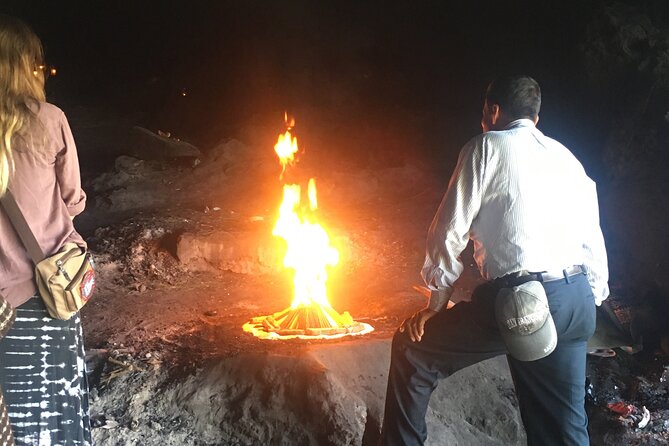
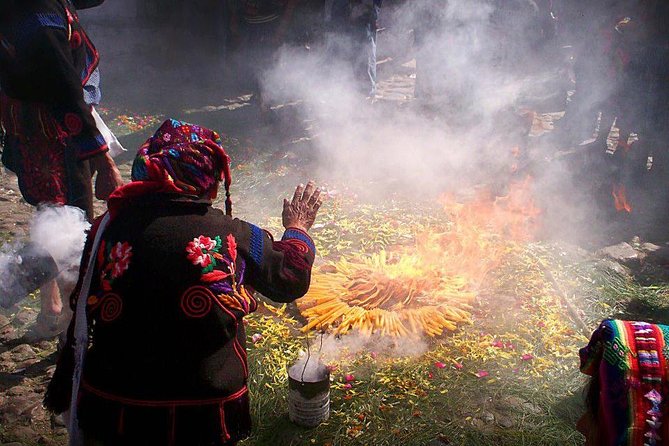
When a shaman performs the ceremony, fire becomes the main focus. The ritual is connected with cleansing and protection, and an optional offering to the shaman is available if you want a blessing of your own.
That offering is not included in the price, so bring a little extra only if you choose to participate in that way. You do not need to treat it as a required charge.
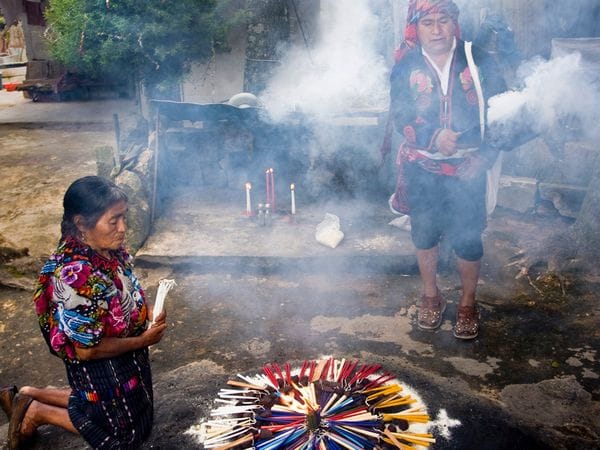
The ceremony can become smoky. Christopher specifically warned that soot may cover your skin and clothes, so pack accordingly. This is one of those details that can make or break your enjoyment. If you expect a clean, dry activity, you may be surprised. If you accept that you could leave smelling of smoke, the ritual will feel more natural.
Alex is repeatedly praised for his calm manner and careful explanations. He has been described as deeply connected to his community and as someone who guides the ceremony with sensitivity. That human connection appears to be a major reason this outing feels more personal than a standard cultural demonstration.
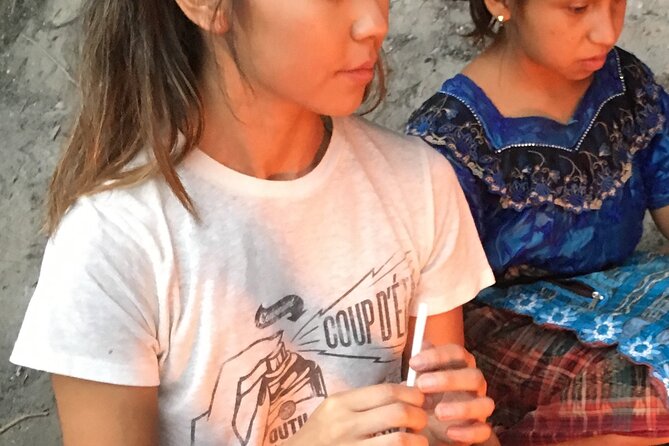
You may be allowed to take part in the ceremony rather than simply watch. Some departures have included a private ceremony for the small group, but that should not be assumed in advance. Ask your guide what role you may have, and follow instructions around the fire and offerings.
Same corner of the map, a different way in:
- Colosseum: Underground and Ancient Rome Tour
★ 4.7 · 12,691 reviews - Edinburgh: Underground Vaults Tour
★ 4.6 · 11,758 reviews - Portimão: Benagil Caves Speed Boat Tour with Sunset Option
★ 4.8 · 11,663 reviews - Albufeira: 2.5-Hour Benagil Caves & Dolphin Watching
★ 4.6 · 10,710 reviews
Learning the Maya calendar
The calendar lesson gives the cave visit a useful framework. Each day in the Maya calendar carries a particular meaning, and the guide explains how those meanings relate to ceremony and personal life.
This is the kind of interpretation I value because it helps you understand why a ritual happens on a particular day, rather than treating the ceremony as a collection of mysterious gestures. You can ask questions about the day of your visit and how the calendar shapes the ceremony.
The guide also explains why the Fire Cleansing and Protection Ceremony is performed. That context matters. Without it, the fire could look like a colorful performance arranged for tourists. With it, you gain a clearer sense of how Maya spiritual practice remains part of daily and community life.
The experience also touches on the meeting of Maya religion and Christianity. The San Simon or Maximon shrine and colonial church make that connection visible, while the cave ceremony shows that local traditions remain active in their own form.
Eagle Rock and the views over Lake Atitlan
The caves sit about 1,200 feet above Lake Atitlan. From Eagle Rock, you can look across the lake and its volcanic caldera, with the ground dropping sharply around the viewpoint.
This is the visual high point of the outing. The view is not just a pleasant backdrop for the ceremony. It helps explain why these caves and ridgelines feel separate from ordinary village life. You are looking down over a huge bowl of water and mountains, with open air on several sides.
Take care near the edge. The description emphasizes the steep drops, so this is not a place for careless selfies or loose footing. The uneven trail and elevation change also mean you should watch your step even if you are generally fit.
Eagle Rock gives the tour a good balance. The ceremony asks you to focus inward, while the viewpoint pulls your attention outward to the lake and caldera. You get culture, movement, and scenery within a compact outing.
The 200-foot waterfall and other stops
The itinerary can also include a 200-foot waterfall. This adds another natural feature to an already full two-hour schedule.
Keep your expectations practical. The activity description does not provide details about the waterfall trail, swimming, or how long you stay there. You should see it as an additional stop rather than the main reason to book. The caves and ceremony are the core of the experience.
The shrine of San Simon or Maximon and the colonial church offer another change of pace. These sites are useful for understanding the area’s religious mix, especially if you have already visited Maya villages or churches around Lake Atitlan and want more context.
Because the total duration is only two hours, the outing moves at a brisk pace. You are not getting a relaxed full-day hike with long stops at every location. The short format works well if you have limited time in Panajachel, but it may feel compressed if you want extended time for photography, quiet reflection, or a long waterfall visit.
Is $108 a fair price?
At $108 per person, this is not a bargain-priced walk. The value depends on what you want from Lake Atitlan.
The price includes entrance fees, round-trip transportation from Panajachel, a guide in English or Spanish, and a small group capped at eight people. More importantly, it gives you access to a sacred site and a cultural setting that would be difficult to arrange on your own.
I would consider it good value for someone who cares about Maya culture and wants personal explanations. The enthusiastic response to Alex is not only about information. His warmth, patience, and connection with the local community appear to shape the whole outing.
The price is harder to justify if you mainly want a waterfall walk or a quick scenic overlook. You can find cheaper ways to enjoy lake views. You are paying here for interpretation, transportation, entrance access, and the possibility of participating in a meaningful ceremony.
The optional shaman offering is extra. Food and drinks are not included, so plan ahead if you need refreshments before or after the activity.
Who should book this experience?
I would choose this activity if you want:
- A small-group outing with a strong cultural focus
- A chance to learn about living Maya traditions
- A guide who can explain ceremonies and the Maya calendar
- A short hike with major views over Lake Atitlan
- An experience that may include direct participation in a fire ceremony
- A manageable two-hour activity from Panajachel
I would hesitate if you dislike smoke, uneven trails, steep paths, or uncertainty about the exact ceremony. You should also skip your best clothes. Soot is part of the deal.
This is not the right choice for someone seeking a long, quiet nature hike. It is also not ideal if you want a guaranteed ceremony at a fixed time. The activity is guided by local conditions and the availability of a shaman.
Booking and practical advice
The host or greeter speaks English and Spanish. A small group makes language questions easier, and you can ask for clarification during the ceremony rather than trying to follow from the back of a large crowd.
Cancellation is free up to 24 hours before the activity for a full refund. You can also reserve now and pay later, which is useful if your Lake Atitlan plans are still shifting.
Wear sturdy shoes and clothing that can get smoky or dirty. Bring water if you need it, since food and drinks are not included. Keep your hands free during the walk and be ready for elevation change.
Most of all, treat the caves as sacred places, not props. Listen before taking photographs, follow the guide’s instructions, and do not assume every part of the ceremony is arranged for visitors.
Should you book the sacred caves tour?
Yes, if you want a personal introduction to Maya spirituality rather than another standard sightseeing stop. The combination of a possible fire ceremony, four sacred caves, the Maya calendar, San Simon or Maximon, Eagle Rock, and the lake views gives the experience real substance.
Book with realistic expectations. The ceremony is not guaranteed, the walk is steeper than its short duration suggests, and smoke may leave you covered in soot. If you can accept those limits, the $108 price is reasonable for a small-group outing led by a guide such as Alex, whose patience and warmth are central to the experience.
If your priority is a guaranteed ritual, a relaxed hike, or a low-cost viewpoint, choose something else. If you want to support a local guide and encounter a living part of Guatemala’s Maya culture with care, this is one of the more memorable choices around Lake Atitlan.
FAQ
Where does the experience meet?
The meeting point is the Xocomil Travel office at the Tzanyuyu docks, Calle del Embarcadero 4-86, 07010 Panajachel.
How long does the activity last?
The experience lasts two hours.
Is transportation included?
Yes. Round-trip transportation from Panajachel is included.
Is the fire ceremony guaranteed?
No. Shamans perform the ceremony on most days, but it is not guaranteed.
How many people are in the group?
The group is limited to eight participants.
What languages are available?
The host or greeter can provide the experience in English or Spanish.
How difficult is the hike?
The walk to the first cave takes up to 20 minutes and includes a short, steep section, elevation change, and uneven terrain.
Are food and drinks included?
No. Food and drinks are not included.
Is an offering to the shaman included?
No. An offering for your own blessing is optional and costs extra.
Just added around the world
- Blue & Green cave tour with yacht from town Hvar★ 4.5 · 54 reviews
- Blue & Green Cave Vis Island and Pakleni Islands Private Day Trip from Hvar★ 5.0 · 93 reviews
- Blue Cave, Blue Lagoon, Pakleni Islands Group boat tour from Hvar★ 5.0 · 28 reviews
- Phong Nha Cave & Paradise Cave Full-Day Exploration from Hue★ 5.0 · 44 reviews
- Sam Roi Yod National Park & Praya Nakhon Cave Private Tour from Hua Hin★ 5.0 · 82 reviews
- Petchaburi Highlights Khao Luang Cave, Palaces & Temples Group Tour from Hua Hin★ 5.0 · 42 reviews
- Sam Roi Yod National Park & Praya Nakhon Cave Join Group Tour★ 5.0 · 107 reviews
- Marble Mountains-Am Phu Cave-Monkey Mountains from Hoi An/Da Nang★ 4.5 · 100 reviews