
Review · UK CAVE TOURS
London: Secrets of the London Underground Walking Tour
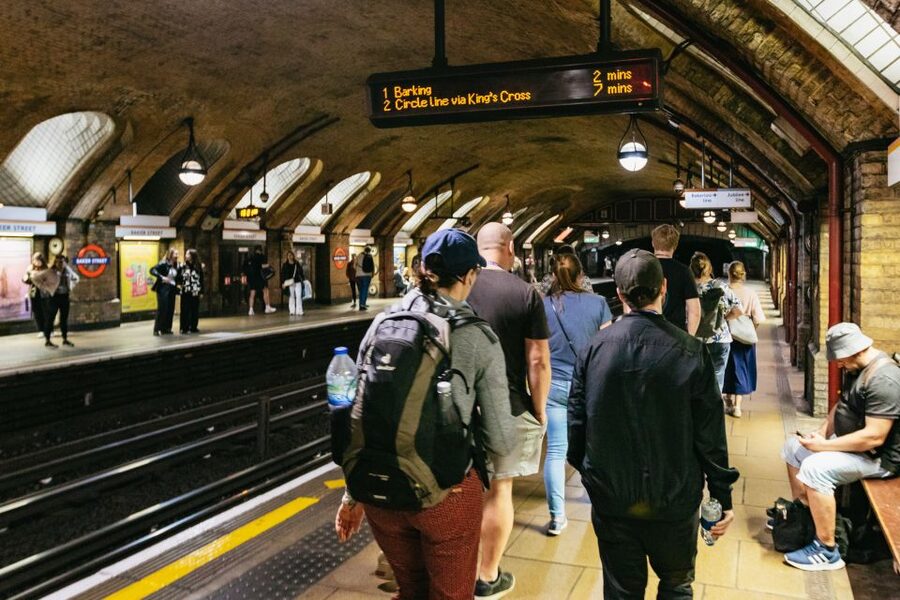
London’s Tube has plenty of secrets. This 2.5-hour tour turns an ordinary subway ride into a lesson in engineering, war, design, and city life. I like the way it begins at Baker Street Station, one of the original 1863 stops, and I also like the use of audio headsets, which help you hear the guide above the noise of trains. The main drawback is that you do not generally go inside a disused station, despite the tour’s focus on abandoned and hidden places.
The tour costs $40 per person, before your Underground fare. That is fair value if you enjoy city history and want more than a simple ride from one sight to another. You should expect a moderate amount of walking, many steps, and some changes between stations. Guides such as John, Aaron, Angela, and Peter receive especially warm praise for making the facts lively rather than dry.
Key Points Before You Book
- Baker Street begins the story: Meet by the Sherlock Holmes statue and start beside one of the world’s first underground railway stations.
- The Tube becomes more than transport: You learn how it changed from steam trains to electric railways and how it served London during wartime.
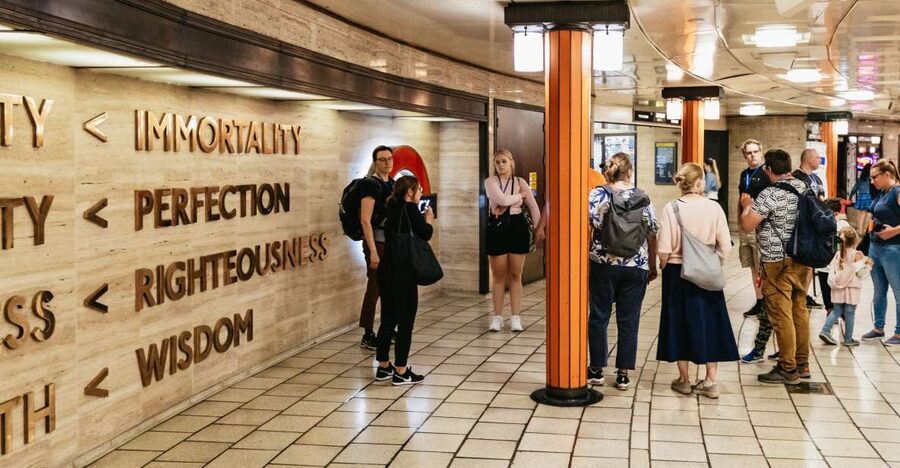
- Hidden details are the real reward: The famous roundel, old station features, and overlooked architectural clues become easier to spot afterward.
- Ghost stories add some fun: Tales involve a Pharaoh’s daughter, a nun, and other reputed spirits connected with Underground stations.
- Bring a Zone 1 to 2 travel pass or Oyster card: Your transport fare is not included in the tour price.
- Expect steps and walking: The route is not suitable for wheelchair users or people with reduced mobility.
Why London’s Tube Deserves a Tour
Most people use the Underground as a tool. You tap in, hurry down the stairs, wait for a train, and move on. This tour asks you to slow down and look at the system as a piece of London’s story.
The scale alone is impressive. The Underground serves 270 stations and carries more than 1.3 billion passenger journeys each year. Yet its beginnings were much smaller and more experimental. The first underground railway opened in 1863, when steam locomotives hauled trains through tunnels beneath the city.
That early railway was not simply a clever transport project. It changed where people could live, work, and shop. It also required new methods of construction, ventilation, signaling, and station design. The tour explains these changes while you move through the system itself, which gives the information a useful sense of place.
I like this approach because the Tube is not treated as a museum object. You still hear trains, share platforms with commuters, and use public transport as part of the route. It keeps the subject connected to modern London.
A few more cave trips around the UK worth a look
- Edinburgh: Underground Vaults Tour
★ 4.6 · 11,758 reviews - The World Famous Underground Ghost Tour
★ 4.5 · 9,272 reviews - Underground Vaults Walking Tour in Edinburgh Old Town
★ 4.5 · 8,506 reviews
Starting at Baker Street and the 1863 Railway
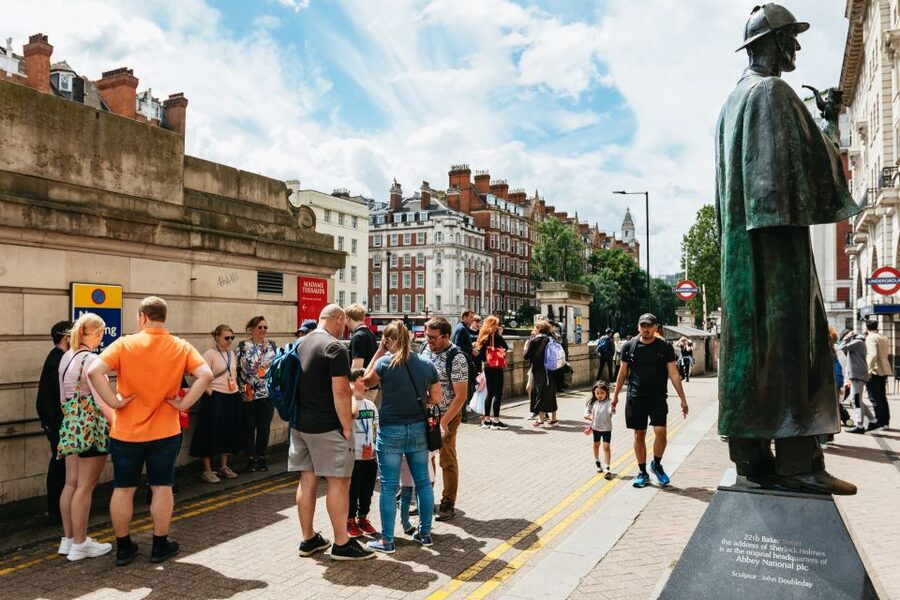
The meeting point is by the Sherlock Holmes statue outside Baker Street Station. Give yourself enough time to find the correct entrance and guide, since this is a busy part of London and Baker Street has several exits.
Baker Street is a fitting starting point. It was one of the original stops on the Metropolitan Railway, the world’s first underground railway. The early railway opened in 1863, long before the sleek trains and automated signs associated with the modern Tube.
Here, your guide begins explaining how the network developed. The story includes the move from steam-powered trains to electric railways, along with the challenge of building tunnels beneath streets, homes, and existing infrastructure.
You will also hear about the station’s connection with Sherlock Holmes, whose statue provides the meeting landmark. The tour is not a Sherlock Holmes walking tour, but the location adds a familiar London touch before the focus shifts to transport history.
One useful feature is the audio headset. Underground stations are loud, and a guide speaking to a group can easily be lost beneath the sound of trains and announcements. The headsets help you keep up while walking, though one participant found the equipment crackly above ground. The headsets worked better below ground in that case.
Building the First Underground Tunnels
The technical side of the tour is one of its strongest parts. You learn how the earliest tunnels were built and why construction methods changed as the railway pushed farther across London.
The first lines used a cut-and-cover method in many places. Workers dug a trench from the surface, built the railway, and covered it again. This worked reasonably well under broad roads, but it caused major disruption in built-up areas.
Later lines required deeper tunnels. That meant different engineering problems, including ventilation, water, soil, and the pressure created by buildings and streets above. The Underground is often called the Tube because of these deep, rounded tunnels, but the network actually contains different types of lines and construction.
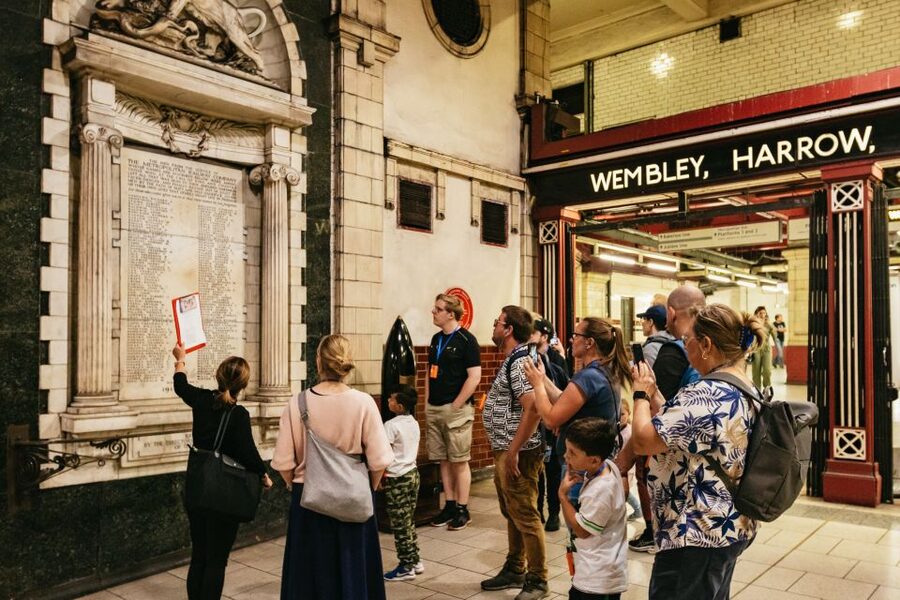
Your guide connects the engineering to the places you pass through. That makes the details easier to remember than a lecture in a room. You are not simply told that the railway changed over time. You see evidence of that change in stations, signs, platforms, and old design features.
The experience works best if you are willing to listen closely. Some guides, including John and Aaron, have been praised for adding plenty of detail without making the tour dull. The amount of information is substantial, but the walking and station changes give it a natural rhythm.
The Underground’s Famous Roundel
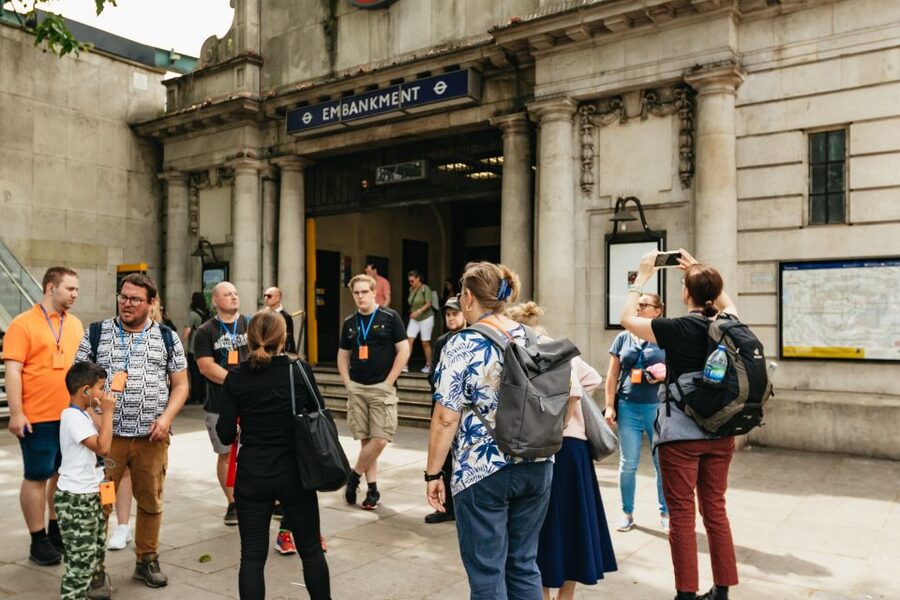
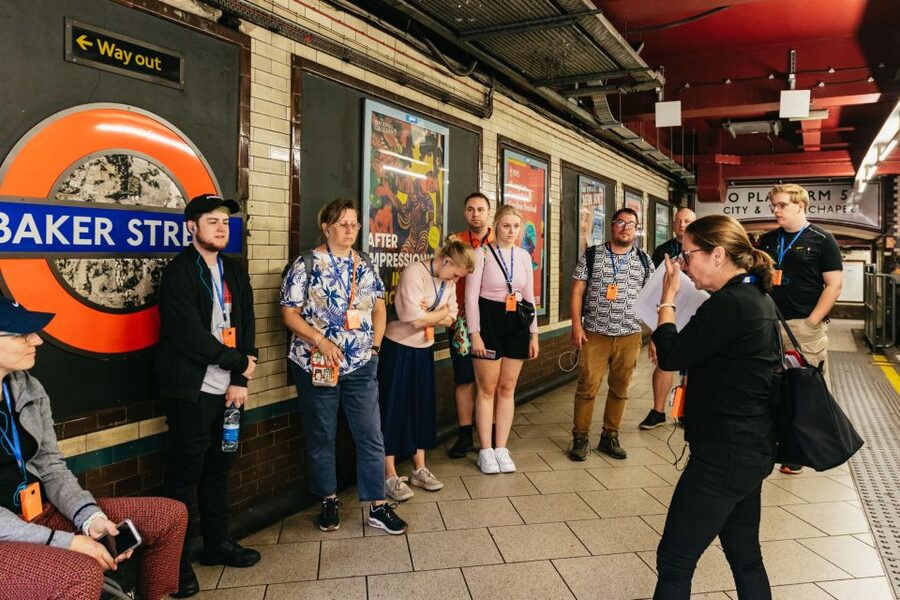
The red and blue roundel is one of the most recognizable transport symbols in the world. You see it everywhere in London, often without giving it much thought.
The tour explains the story of the roundel and how it became linked with the Underground. This is a good example of the type of detail that changes how you see the city after the tour. A sign that once served a practical purpose becomes part of London’s visual identity.
The route also points out features you might have passed many times without noticing. Several people have found that familiar stations looked different once a guide explained their design, history, and small surviving details.
That is particularly useful for anyone who already uses the Tube. You do not need to be a transport enthusiast to enjoy it. If you have spent several days in London, you have already seen many of the places discussed. The tour gives those ordinary journeys more meaning.
Same corner of the map, a different way in:
- Edinburgh: Haunted Underground Vaults and Graveyard Tour
★ 4.6 · 6,607 reviews - Edinburgh: Late-Night Underground Vaults Terror Tour
★ 4.6 · 4,162 reviews - Edinburgh: Evening Underground Ghost Tour
★ 4.4 · 3,092 reviews - Edinburgh: Multi-Sensory Haunted Underground Tour
★ 4.5 · 2,721 reviews
Abandoned Stations and What You Actually See
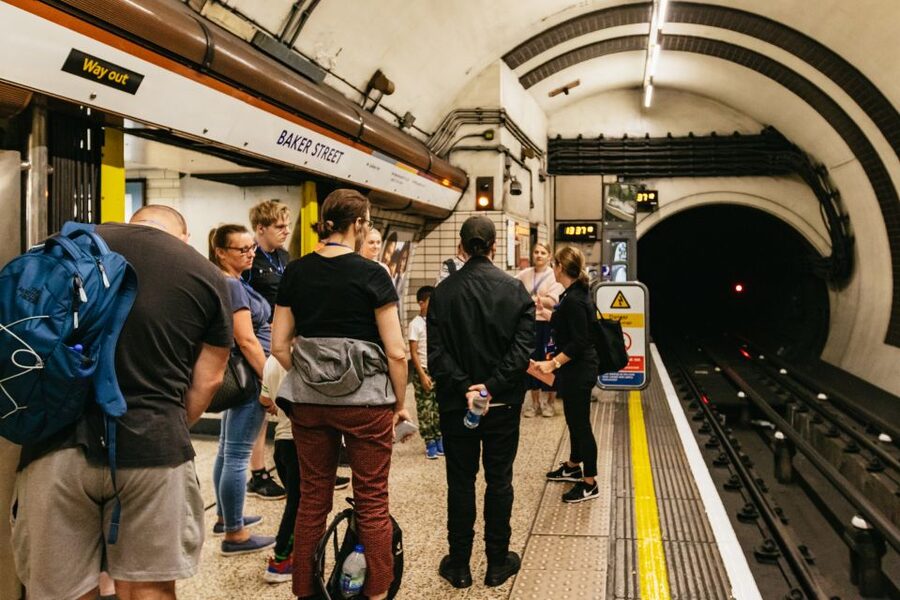
More than 40 Underground stations have been abandoned or left out of regular service. Their reasons vary. Some lost passengers, some were replaced by nearby stations, and others became impractical as the network changed.
This part of the tour is likely to appeal to anyone interested in forgotten places. You hear why stations closed, what happened to them afterward, and how traces of old platforms or entrances can remain in plain sight.
Keep your expectations realistic. This is not an urban exploration trip. You should not assume you will walk inside a disused station or explore sealed platforms. That was the main disappointment for some participants who expected a behind-the-scenes visit.
You may see a disused station from the active network or learn about one while passing through nearby areas. One past route included the sight of a ghost station, but access depends on the route and current conditions. The value comes mainly from the explanation and the clues you learn to recognize, not from entering restricted spaces.
If your main goal is to go inside an abandoned station, this tour may not meet it. If you want a broad explanation of how and why stations disappear, it is a better match.
Wartime Shelters, Aircraft, and Museum Treasures
The Underground has served many purposes beyond moving passengers. During the Blitz, stations were used as refuges from bombing. The tour explains how ordinary transport spaces became places of shelter and survival.
That wartime role gives the Tube a more serious dimension. The stations were not designed as public shelters, yet many people depended on them during air raids. You learn how the system fitted into London’s wartime life, rather than treating the Underground as a separate engineering project.
The tour also covers the surprising ways the network was repurposed. Parts of the Underground were used as an aircraft factory and as storage for treasures from the British Museum. These details show how flexible the system could be during periods of crisis.
I find this section valuable because it connects the railway to national events. You are not just hearing about trains and stations. You are hearing how the Underground helped protect people, support wartime production, and safeguard important objects.
The tour also asks you to consider the space above and below the city. A station is not only a platform and a ticket hall. It can sit beneath streets, buildings, memorials, and layers of earlier London.
Ghost Stories and the More Dramatic Side

The tour does not ignore the Tube’s darker stories. You hear about stations reputed to be haunted by the ghost of a Pharaoh’s daughter and by a nun.
There is also a station said to lie above the remains of 1,000 bodies. These stories add a little theatrical flavor, but they are part of a wider pattern. London has been rebuilt many times, and the Underground often cuts through places connected with older cemeteries, buildings, and forgotten communities.
The ghost material works best as a break between technical explanations. If you are expecting a full ghost tour, you may find this section limited. The main subject remains the Underground’s development and role in London.
Some guides add related city stories, including material connected with Jack the Ripper. That connection may appeal to you if you enjoy London’s darker history, though the exact emphasis depends on the guide and route.
Moving Between Stations
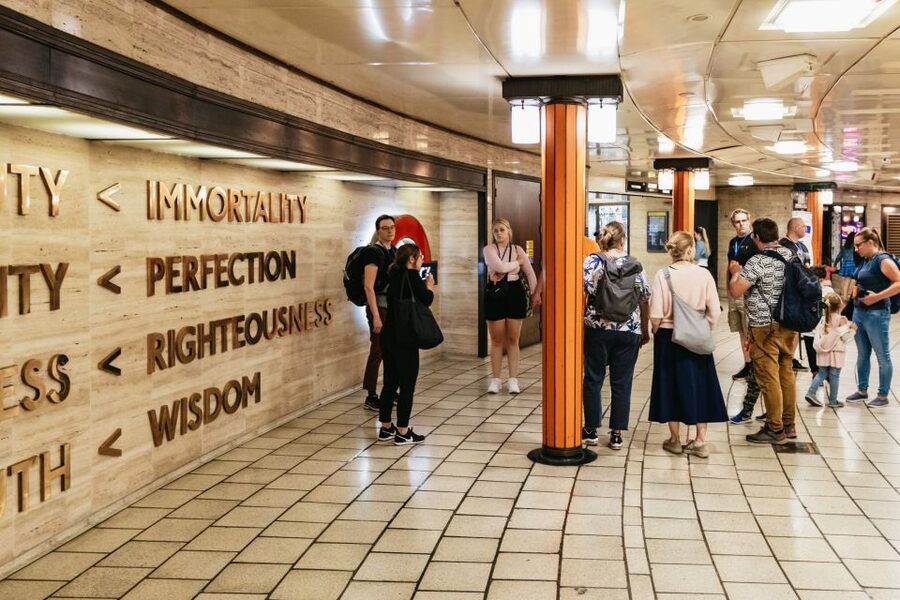
The route includes about ten minutes of public transport, along with walking above and below ground. You will use your own travel ticket, Oyster card, or other valid public transport pass.
The transport element matters because it makes the tour feel like a working tour of the Tube rather than a staged presentation. You move through the network while learning how the system operates.
It also introduces practical uncertainty. Delays, closures, or strikes can force the guide to change the route. One tour had to detour because of train delays, requiring extra walking through the city. In that case, the guide kept the tour moving and added information about the areas along the way.
That flexibility is useful, but you should not expect every departure to follow exactly the same sequence. The Underground is a live transport system. The route may need to adjust around service problems.
Wear comfortable shoes. The tour involves a moderate amount of walking and many steps. It is not suitable for wheelchair users or people with reduced mobility, and baby strollers and large luggage are not allowed.
Ending at the London Transport Museum
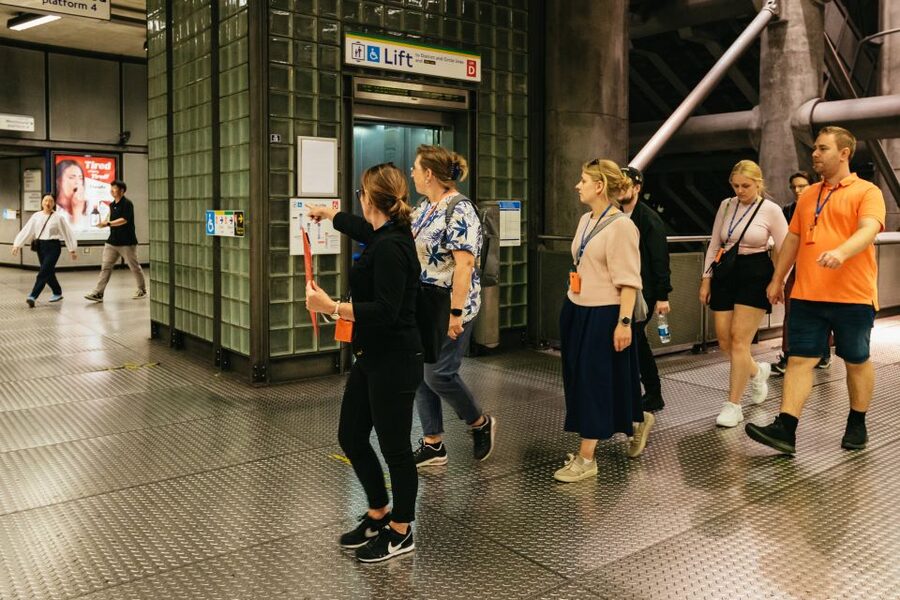
The tour ends at the London Transport Museum, at 10B Bridge Street in Westminster. The museum is a fitting final stop because it brings together the transport story you have been following underground.
The visit gives you a chance to continue looking at London’s transport past after the walking portion ends. The supplied details do not specify the exact format or whether museum admission is included, so check the current arrangements when booking.
The final location is convenient for central London. Westminster also gives you a natural place to continue sightseeing after the tour, though hotel pickup and drop-off are not provided.
Guide Quality and the Audio Equipment
The guide often determines how much you get from this tour. The strongest comments focus on clear explanations, humor, patience, and the ability to answer questions.
John is frequently praised for his entertaining style and for handling questions, including questions from children. Aaron receives similar praise for bringing the Tube’s story to life and adding information about landmarks above ground. Angela has been described as engaging and clear, while Peter is praised for making the tour interesting and easy to follow.
These names matter because the tour contains a lot of information. A flat delivery would make the route feel long. A good guide turns construction dates, station closures, and wartime uses into stories that stay with you.
The audio headsets are especially useful. They allow you to hear while walking through noisy stations and help keep a group together. One person found the sound crackly above ground, so the equipment may not be perfect in every setting.
The overall rating is 4.6 from 211 reviews, which fits the pattern of strong praise for the guides and occasional disappointment about not entering disused stations.
Is $40 a Fair Price?
At $40 per person, the tour is not the cheapest way to ride the Tube. You still need to pay for public transport, and food and drinks are not included.
The value comes from the interpretation. For two and a half hours, you get a guide, audio equipment, a planned route, historical context, and the chance to notice details you would probably miss on your own.
I would consider the price fair if you enjoy transport, engineering, wartime London, or unusual city stories. It is less compelling if you only want to see a closed station from the inside, since that is not guaranteed.
Remember to arrange your transport ticket before arriving. A day travel card for Zones 1 to 2 or an Oyster card is recommended. One person reported paying £17 when using a bank card for the tour journey, while a travel pass cost less in that instance. Your own fare will depend on current pricing and how you use public transport, so check before you go.
Free cancellation is available up to 24 hours before the tour, and you can reserve now and pay later. Those terms are useful if your London schedule may change.
Who Should Book This Tour?
I would recommend it to first-time London visitors who want a strong introduction to the Tube and to returning visitors who use the system but have never considered its past.
It suits adults, older children who enjoy history, and anyone curious about engineering, wartime London, station design, or ghost stories. It also works well for people who prefer learning while walking rather than sitting in a museum.
You should think twice if you have limited mobility, dislike stairs, or want a relaxed sightseeing outing. You should also reconsider if your main purpose is entering abandoned stations. The route offers history and glimpses of the forgotten network, but not a guaranteed underground exploration.
Final Verdict: Book It for the Stories
Book this tour if you want to see London’s Underground with fresh eyes. The strongest reason to go is the guide-led explanation of places you may already have used, from Baker Street to ordinary station corridors and signs.
The best guides make the Tube feel clever, strange, and surprisingly human. Just bring a valid travel pass, wear good shoes, allow for service changes, and expect stories rather than secret access to sealed stations. At $40, it is a sensible buy for curious visitors who value context more than a quick photo opportunity.
FAQ
Where does the London Underground walking tour begin?
It begins at Baker Street Station. Meet the guide by the Sherlock Holmes statue outside the station.
How long does the tour last?
The tour lasts 2.5 hours.
Where does the tour finish?
It finishes at 10B Bridge Street, Westminster, London SW1A 2JR.
Is public transport included in the tour price?
No. You must bring or purchase your own public transport ticket, Oyster card, or other valid travel pass.
What transport ticket should I bring?
A day travel card covering Zones 1 to 2 or an Oyster card is recommended for the tour.
Is the tour suitable for wheelchair users?
No. The tour is not suitable for wheelchair users or people with reduced mobility because the route includes many Underground steps.
Are baby strollers and large bags allowed?
No. Baby strollers and luggage or large bags are not allowed on the tour.
Is the tour conducted in English?
Yes. The tour has a live English-speaking guide.
Can I cancel the tour for a refund?
Yes. You can cancel up to 24 hours in advance for a full refund. You can also reserve now and pay later.
Just added around the UK
- 90min Underground Whisky Tasting in Edinburgh’s Old Town★ 5.0 · 350 reviews
- Underground City of the Dead Tour★ 4.5 · 272 reviews
- Luxury Whisky Tasting in Edinburgh’s Underground Vaults | 90min★ 5.0 · 140 reviews
- Evolution of Gin and Underground Gin Tasting in Edinburgh | 1hr★ 5.0 · 59 reviews
- Edinburgh’s Donut & Pastry Experience with Underground Donut Tour★ 5.0 · 113 reviews
- Beer Tasting Session in Edinburgh’s Underground Vaults | 1 hour★ 4.5 · 66 reviews
- Small Group Edinburgh Underground Vaults & Graveyard Ghost Tour★ 5.0 · 454 reviews
- City of the Dead Underground Vaults (Day)★ 4.5 · 113 reviews
UK Cave Tours, compared.

Underground Vaults Walking Tour in Edinburgh Old Town
Read our review →
Haunted Underground Vaults and Graveyard Tour
Read our review →

Underground Vaults Evening Ghost Tour with Whisky
Read our review →Browse the lists this cave appears in