
Review · AJANTA, ELLORA & ELEPHANTA CAVES
Private Full-Day Mumbai City Tour with Elephanta Caves Excursion
Mumbai rewards a full day. This private tour pairs the Elephanta Caves with the city’s grandest landmarks, using a private air-conditioned car and ferry so you can cover a lot without wrestling with local transport. I like the personal pace, and I like that guides such as Naina, Subha, Rupali, and Chetan have been praised for bringing history and daily life into the day.
The main drawback is time. A ferry trip, cave visit, traffic-heavy city drive, and several short stops make this a packed schedule. Museum entries and lunch cost extra, and a surprise shopping stop has occasionally taken time away from sightseeing.
Key points to know before booking
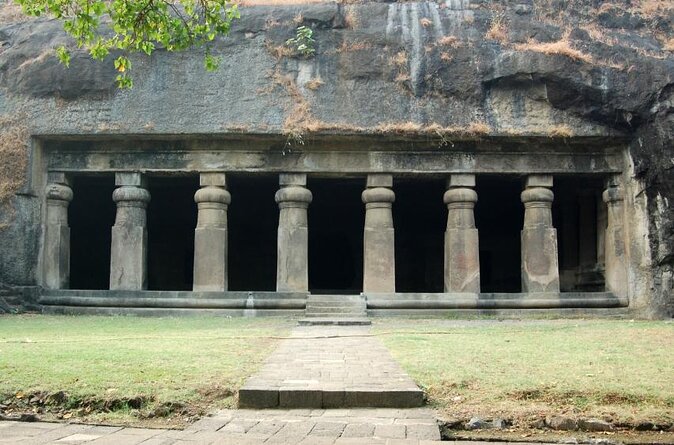
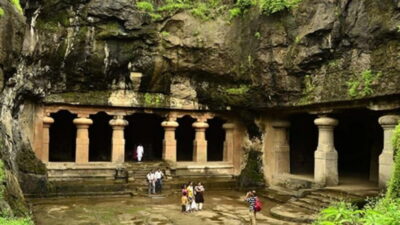
- Elephanta comes first: Ride the ferry from the Gateway of India to fifth-century cave temples carved with scenes of Shiva.
- Private means flexible: Only your group takes part, so you can ask for more time at a favorite stop or adjust parts of the city route.
- A strong first-day overview: The tour covers CST, Crawford Market, Marine Drive, Hanging Gardens, Mani Bhavan, Dhobi Ghat, and the former Prince of Wales Museum.
- Transport saves energy: Hotel, airport, or cruise port pickup and drop-off come with a private air-conditioned vehicle.
- Budget for extras: Lunch and entrance fees are not included. The listed entrance fees total about $16 per person.
- Allow nine to ten hours: Traffic and ferry conditions can change the pace, so this is not a light half-day outing.
Why this Mumbai tour works well
Mumbai is spread out, crowded, and not always easy to read on a first visit. The Gateway of India, Elephanta Island, CST, Malabar Hill, Dhobi Ghat, and the museum district are not a neat walking circuit. A private car turns a difficult day of logistics into a usable sightseeing plan.
The price is listed at $192.86 per person. That is a serious sum, but it covers a private guide, private vehicle, hotel or port transport, bottled water, the return ferry, and the toy train used to reach the Elephanta steps. For two people or a small group, the value improves because you are paying for a private service rather than joining a large coach.
I would not choose this tour if you want a slow, single-neighborhood exploration. I would choose it if you have one day in Mumbai, are arriving from a cruise ship, or want a guide to handle the city’s traffic and ferry connections.
The experience has a 4.9 rating from 113 reviews, with 96 percent recommending it. The most consistent praise goes to the guides. Naina, Subha, Rupali, Chetan, Nandini, and Anand Sharma are all singled out for clear explanations, warmth, flexibility, and strong local knowledge. That matters here because many of the stops are more rewarding when someone explains what you are seeing.
More Private Cave Tours in India
- Elephanta Caves & Island Guided Private Tour
★ 5.0 · 1,327 reviews - Mumbai Elephanta Caves Private Half-Day Tour including Guide
★ 4.5 · 150 reviews - Full Day Mumbai Sightseeing With Elephanta Caves Private Tour
★ 5.0 · 100 reviews
Elephanta Island and the ferry from the Gateway of India
The day begins around 8 a.m. with pickup from your hotel, airport, or cruise port. You then travel by private air-conditioned vehicle to the Gateway of India, where you board a ferry for Elephanta Island.
The ferry is not just a transfer. It gives you time to look back at Mumbai Harbour, watch local life on the water, and shift gears before the cave visit. Ferry operations depend on clear weather, so the island portion is the least weather-proof part of the plan.
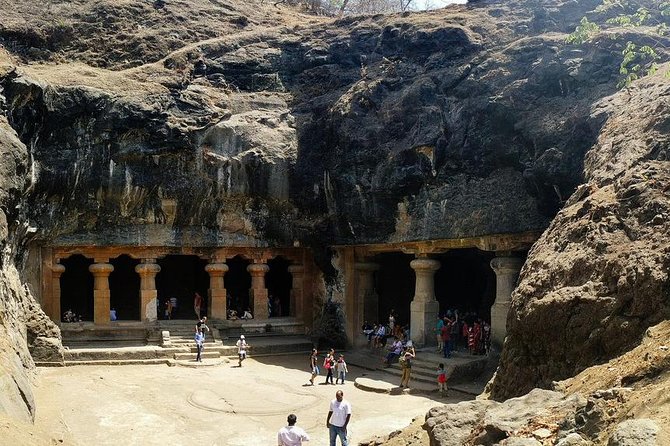
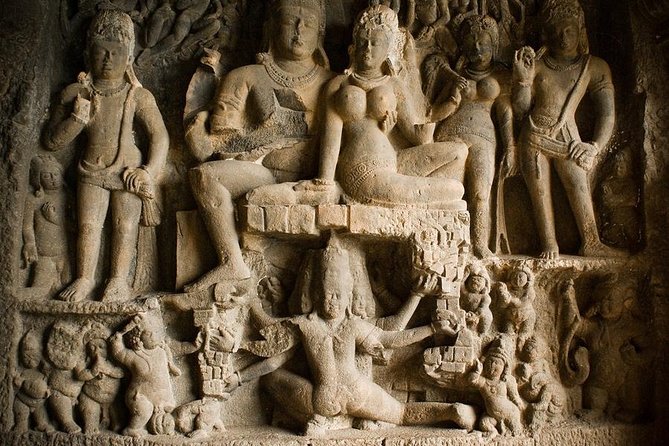
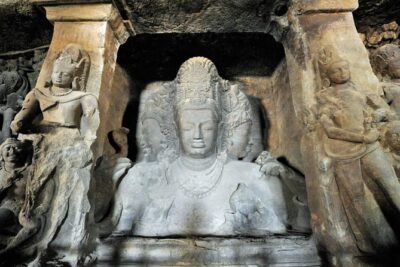
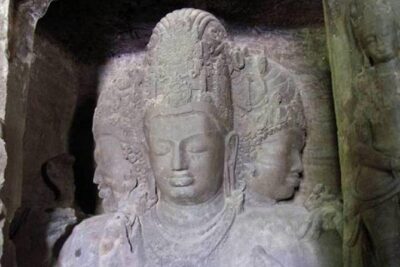
Elephanta’s cave temples date to the fifth century. Their stone reliefs and statues honor Shiva, and the main attraction is the way the figures emerge from the dark rock. A guide can make a major difference here. Naina was praised for explaining the carvings and the stories behind Shiva, while other guides have been credited with helping visitors understand the panels rather than simply pointing at them.
The island visit is listed as about two hours. That includes the journey from the ferry landing toward the caves, with a toy train ride included to help cover part of the approach. You should still expect steps and uneven walking around the cave area. Smart-casual clothing is requested, and comfortable footwear makes sense.
The caves are the strongest cultural part of the day. They are not a quick photo stop. Give your guide room to explain the sculpture, ask questions, and let the setting settle in. Several visitors considered the caves the highlight of the entire experience, which is easy to understand: they offer something far more distinctive than another colonial building in central Mumbai.
The tradeoff is that the ferry and island visit consume a large portion of the morning. If you care more about museums, markets, or city neighborhoods than ancient temples, a city-only tour would give you more time on land.
Gateway of India and Mumbai Harbour
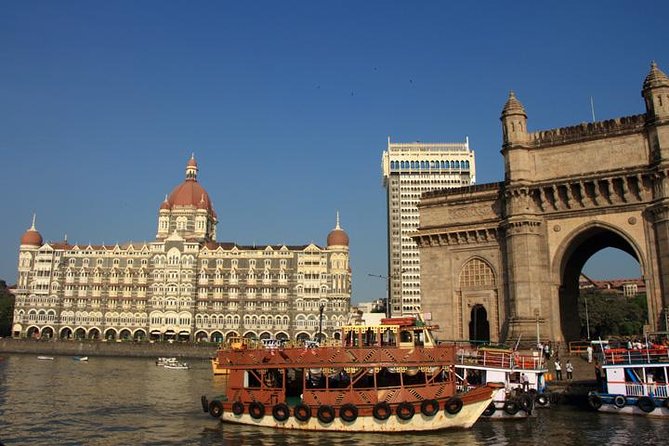
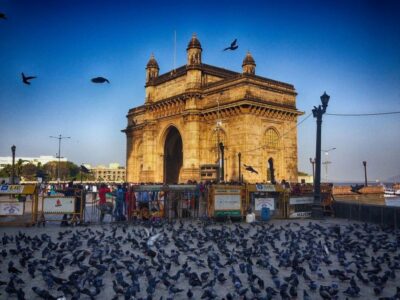
After returning by ferry, you revisit the Gateway of India. This basalt arch was built to mark the 1911 royal visit of King George V, though construction was not completed until 1924.
The stop is scheduled for about 30 minutes, which is enough to see the monument, look across the harbor, and take photographs. It is also a useful place to connect the island excursion with the city tour. The Gateway is not only a grand colonial monument. It is Mumbai’s main visual doorway to the harbor and the launch point for Elephanta.
Because the ferry returns here, you do not need to arrange a second transfer or find your way through the waterfront on your own. That simple bit of planning is one reason this route works.
CST, Crawford Market, and the city’s working center
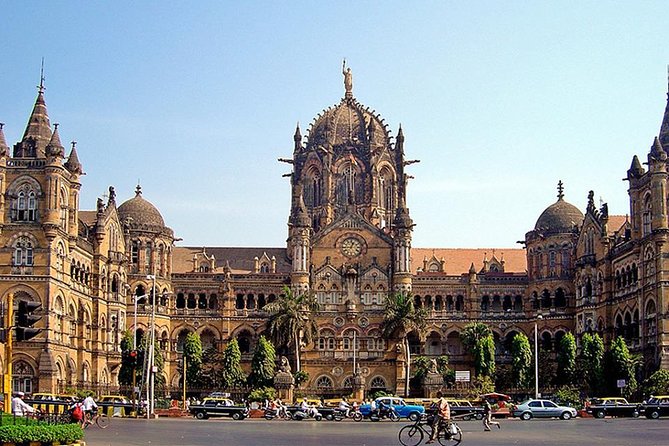
The next stops bring you into a very different Mumbai. Chhatrapati Shivaji Terminus, still commonly called Victoria Terminus, is a UNESCO World Heritage Site and one of the city’s most ornate buildings.
The station combines Victorian Gothic design with Indian details. You will likely see it from outside, with about 30 minutes allocated. The short visit lets you admire the facade and watch the station function as a real transport hub. It is not a quiet museum piece. Trains, commuters, vendors, and traffic are part of the scene.
That contrast is useful. Mumbai’s grand architecture is still tied to ordinary city life, and CST shows it better than a polished heritage building set apart from its surroundings.
Mahatma Jyotiba Phule Mandai, better known as Crawford Market, follows. This is a major wholesale market with fruit, vegetables, meat, and fish. The stop is also about 30 minutes, so think of it as a guided look rather than a full market expedition.
You may find this one of the more atmospheric stops because it shows Mumbai as a place where goods move and people work, not just a city of monuments. Ask your guide about what is being sold and how the market fits into the city’s daily routine. Some visitors have also asked to stop at a local fruit market, and the private format can make small changes like that possible when time allows.
More Private Cave Tours in Mumbai
- Elephanta caves tour in Mumbai – Group & Private Options
★ 4.2 · 14 reviews
Lunch, shopping stops, and keeping control of your day
Lunch is not included, so you buy it at a local restaurant at your own expense. That gives you some choice, but it also means the final cost depends on where you eat and what you order.
The guides have been praised for suggesting good lunch places. One guide, Naina, was specifically appreciated for arranging an enjoyable meal, while another day included a lunch stop that helped keep the schedule comfortable. Tell your guide early if you want a quick meal or a longer sit-down break.
Be clear about shopping. One visitor reported an unplanned stop at a pashmina shop with strong sales pressure, and another warned about jewelry shops with inflated prices. This is the clearest practical caution in the feedback. If shopping is not part of your plan, say so plainly and ask that the time be used for a listed sight instead.
A private tour should give you more control, not less. The guides are often praised for adapting the route, but it is still wise to state your priorities at the start.
Hanging Gardens and the view from Malabar Hill
The route continues toward Malabar Hill and the Hanging Gardens, also called Pherozeshah Mehta Gardens. These terraced gardens sit high above the western side of the hill, opposite Kamala Nehru Park.
The stop lasts about 30 minutes. Its value is the outlook rather than the gardens themselves. You get a broader view of South Mumbai and the Arabian Sea, though air quality and weather can reduce visibility. One detailed account noted that haze limited distant views, so keep expectations realistic. This is a pleasant pause, not a guaranteed panoramic spectacle.
The stop also breaks up the denser central city sights. After markets, stations, and traffic, a little open space helps.
Mani Bhavan and Gandhi’s Mumbai
Mani Bhavan is one of the most worthwhile stops for anyone interested in modern Indian history. This modest Gujarati-style residence served as Mahatma Gandhi’s Bombay headquarters during visits from 1917 to 1934.
The museum is small, with Gandhi’s personal room, photographs, and exhibits about his life and work. It is scheduled for about 30 minutes, but the setting gives it weight. You are not looking at a grand public monument. You are seeing the place where political organizing took place in an ordinary home.
Several accounts single out Mani Bhavan, along with Elephanta, as a highlight. I can see why. The museum offers context that the larger monuments cannot, and its compact size makes it easy to absorb during a busy day.
Admission is not included, so keep some money aside for the entrance fees. The total listed entrance cost for the sights is about $16 per person.
Dhobi Ghat and the human side of Mumbai
The photo stop at Mahalaxmi Dhobi Ghat lasts about 15 minutes. This 140-year-old laundry complex is known for its large-scale hand washing, with hundreds of workers handling thousands of kilograms of clothing.
You view the site rather than take part in a long visit. The brief stop is enough to understand its scale and take photographs, but it is not designed as a detailed working tour. Your guide can explain what you are seeing and how the laundry fits into Mumbai’s daily economy.
This is one of the stops where respectful behavior matters. You are looking at people at work, not a staged attraction. Listen to your guide about where to stand and what is appropriate to photograph.
The former Prince of Wales Museum
The Chhatrapati Shivaji Maharaj Vastu Sangrahalaya, formerly the Prince of Wales Museum, is scheduled for one hour. Its building was designed by George Wittet, the architect also associated with the Gateway of India.
This is the longest city stop and the main museum visit. You can spend the hour with the building, its collections, or both, depending on your interests. Entrance is extra.
One hour is enough for a purposeful look, but not enough to see every gallery in detail. If art, archaeology, or museum collections are your priority, tell your guide before the day begins. The private format may allow you to shorten another stop, though traffic and the ferry timetable limit how much can be changed.
The museum also gives the day a quieter finish after the noise of the market and the station. Still, some visitors preferred more time at the museum or CST instead of an unexpected shopping stop, so protect this hour if those are important to you.
Marine Drive and the final city view
Marine Drive is a 15-minute photo stop along the Arabian Sea. The road curves from Nariman Point toward Girgaum Chowpatty and Malabar Hill, lined with Art Deco apartment buildings and a broad waterfront promenade.
The stop is brief, but the setting gives you a useful final image of Mumbai. Marine Drive is especially known for its evening lights, yet this tour begins at 8 a.m. and timing depends on the rest of the route. Do not book this experience expecting a guaranteed sunset visit.
The short stop works well for photographs and a breath of sea air. If you want a long walk along the promenade, ask whether the schedule can accommodate it, but do not assume it will.
What the private format really adds
The private arrangement is the tour’s biggest practical advantage. Only your group participates, so you can ask questions freely and avoid waiting for strangers at every stop.
Guides have adapted the day for different interests. One guide changed the plan to fit a guest’s preferred sights, while another helped a solo woman feel comfortable while covering a large part of the city. A guide called Chetan was praised for providing detailed answers even to people who had visited Mumbai many times.
The driver matters, too. Mumbai traffic can be intense, and several accounts praise the drivers for keeping the day on schedule, driving carefully, and maintaining a clean car. You spend a lot of time in that vehicle, so air conditioning and dependable transfers are not minor extras.
The flexible format does not erase traffic. Transfer times are estimates, and the exact pace depends on the time of day and pickup location. Cruise passengers should provide the ship name, docking time, disembarkation time, and required return time when booking. Do not use this tour if your ship schedule leaves almost no margin, since a late or missed cruise departure is not covered by a refund.
Who should book this full-day experience?
I would recommend it for a first visit, a short stop in Mumbai, solo visitors who want a guide and driver, and cruise passengers who need a planned day from the port. It also suits couples or families who value a private vehicle and want to combine ancient temples with major city sights.
You should book it if Elephanta is high on your list and you also want to see Mumbai’s colonial buildings, markets, waterfront, Gandhi museum, and museum district in one day.
I would hesitate if you dislike long transfers, ferry travel, or tightly scheduled sightseeing. I would also skip it if you have several days in Mumbai and prefer spending half a day slowly exploring one area.
Book with the extra costs in mind: lunch, entrance fees, and any personal purchases are separate. Cancel at least 24 hours before the 8 a.m. start for a full refund. Ferry service depends on clear weather, so leave some flexibility in your wider India itinerary.
FAQ
How long does the Mumbai and Elephanta Caves tour last?
The tour lasts approximately nine to ten hours. Transfer times can change because of traffic and the pickup location.
What time does the tour start?
The stated start time is 8 a.m. Pickup time can vary by location, and the final pickup time is advised one day before the tour.
Is hotel, airport, or cruise port pickup available?
Yes. Pickup and drop-off are offered at hotels, the airport, and the cruise port.
Is the tour private?
Yes. Only your group participates in the tour and you travel by private air-conditioned vehicle.
Are the ferry and toy train included?
Yes. The return ferry to Elephanta Caves and the toy train ride used to reach the cave steps are included.
Are meals and entrance fees included?
No. Food and drinks are not included, and all entrance fees are paid separately. The listed entrance fees are about $16 per person.
Can cruise ship passengers book this tour?
Yes, but cruise passengers must provide the ship name, docking time, disembarkation time, and re-boarding time when booking. No refund is issued if the tour is missed because the ship arrives late or does not arrive.
More Private Cave Tours in the world
- Private Half-Day Batu Caves and Cutural Tour in Kuala Lumpur
★ 5.0 · 3,107 reviews - Capri & Blue Grotto Semi Private Boat Day Trip from Sorrento
★ 5.0 · 2,053 reviews - Skip the Line Chichen Itza Private Tour, Sacred Cenote & Lunch
★ 5.0 · 1,089 reviews - Private Tour Kuala Lumpur with Petronas Twin Towers Observation Deck & Batu Cave
★ 5.0 · 1,029 reviews
More Ajanta, Ellora and Elephanta Cave Tours in the world
- Mumbai: Elephanta Caves Half-Day Guided Tour with Expert
★ 4.8 · 1,032 reviews - All inclusive Elephanta Caves Guided Tour
★ 5.0 · 386 reviews - From Mumbai: Half-Day Elephanta Caves Tour with Ferry Ride
★ 4.9 · 284 reviews - Elephanta Caves & Island Guided Tour
★ 4.8 · 59 reviews
Just added around the world
- From Geysir: Snowmobiling & Ice Cave on Langjökull Glacier★ 4.4 · 100 reviews
- From Faro: Boat trip to Benagil Cave & Praia da Marinha★ 4.7 · 256 reviews
- From Faro: Benagil Cave and Seven Hanging Valleys Trail Tour★ 5.0 · 584 reviews
- From Geneva: Chamonix, Mont Blanc & Ice Cave Guided Day Tour★ 4.8 · 572 reviews
- From Durres: Speed Boat to Sazan Island, Cave & Karaburun★ 4.9 · 147 reviews
- From Durrës/Golem: Sazan & Ali Cave & Karaburun Boat Tour★ 4.6 · 35 reviews
- From Faliraki : Speedboat tour kalithea caves&antony kouin★ 5.0 · 25 reviews
- From Chiang Mai: Chiang Dao Cave Trekking Full-Day Tour★ 4.8 · 126 reviews
Ajanta, Ellora & Elephanta Caves, compared.
Elephanta Caves Half-Day Guided Tour with Expert
Read our review →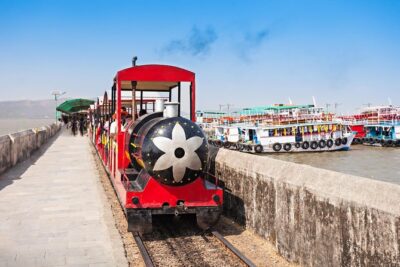
Mumbai Elephanta Caves Private Half-Day Tour including Guide
Read our review →
Full Day Mumbai Sightseeing With Elephanta Caves Private Tour
Read our review →
Mumbai Kanheri Caves & Golden Pagoda – A Buddhist Settlement
Read our review →Browse the lists this cave appears in