
Review · CATACOMBS & UNDERGROUND CITY TOURS
Rome: Catacomb of St. Callixtus and Appian Way Guided Tour
Rome’s best ancient sights may lie underground. This three-hour outing takes you beyond the city walls to the Catacombs of St. Callixtus, the old Appian Way, Cecilia Metella’s tomb, and the Roman aqueducts. I especially like the mix of early Christian art and open-air Roman engineering, two very different sides of ancient Rome.
I also like that transport links these scattered sites, saving you the trouble of arranging buses or taxis. Guides such as Catia, Marije, Francesca, Lara, and Mariah have been praised for lively storytelling, useful Rome tips, and good care of families. The main drawback is that the catacombs are dark, narrow, and reached by stairs, while the small vehicle can limit your views between stops.
Key points to know before you book
- The Catacombs of St. Callixtus are the heart of the tour: You see burial niches, religious drawings, sarcophagi, mosaics, and the Crypt of the Popes.
- The Appian Way offers a calmer Rome: You walk a section of the ancient road, sometimes on original paving stones, away from the crowds around the Colosseum and Vatican.
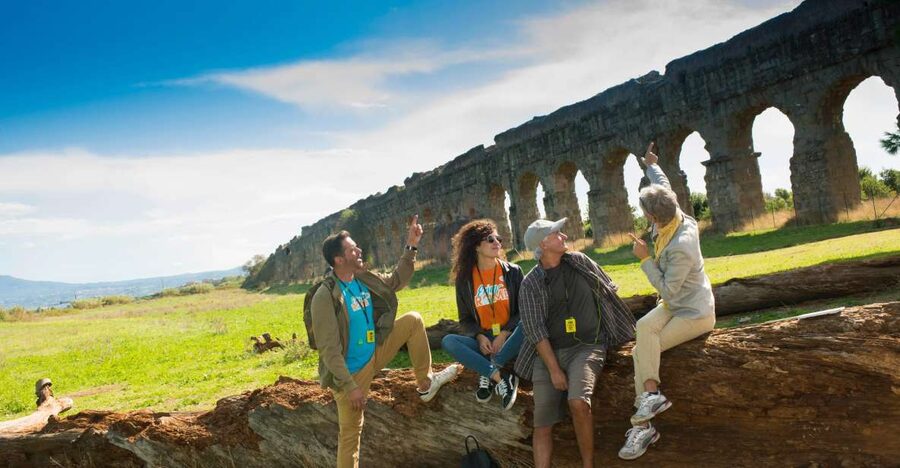
- The aqueduct stop is especially rewarding: A short walk brings you to the huge arches in the Parco degli Acquedotti.
- This is a history-heavy outing: The guide explains Christian burial customs, Roman engineering, and sights passed on the drive.
- The tour suits people who prefer guided transport: You visit several places that are awkward to connect by public transportation.
- Plan for practical limits: No photographs inside the catacombs, no shorts or sleeveless tops, and no wheelchair access.
Why this tour makes a smart change from central Rome
Rome can become a parade of grand churches, crowded piazzas, and packed archaeological sites. This outing changes the rhythm. You leave the center, ride through Rome’s outer areas, and spend time in places where the scale feels less overwhelming and the pace is easier.
The advertised duration is three hours, with transport to and from the central meeting point. Some past departures have run closer to three and a half hours, but that can depend on traffic and the group. You should allow a little flexibility if you have a tight lunch booking afterward.
The price is $80 per person. That is not a bargain basement excursion, but it covers transport, the guide, admission and booking fees for St. Callixtus, and headsets. The value comes from the combination. You are not paying for a single monument visit. You are getting a guided catacomb tour plus three outdoor Roman sites that are spread beyond the historic center.
I would consider it good value if you have already seen the Colosseum and Vatican Museums and want a different side of Rome. If your visit is very short, the city center may deserve your limited hours first.
More Catacombs and Underground City Tours in Italy
- Naples: Catacombs of San Gennaro Entry Ticket & Guided Tour
★ 4.6 · 7,941 reviews - Rome: Capuchin Crypts and Catacombs Tour with Transfers
★ 4.6 · 6,456 reviews - The Original Roman Crypts and Catacombs Tour with Transfers
★ 4.5 · 4,896 reviews
Meeting at Via Cavour and riding beyond the walls
The meeting point is the bus stop at Via Cavour 224, near Cavour Metro station on Line B. You need to arrive 25 minutes before departure. That early arrival matters because the tour leaves as a group, and the vehicle transfer is part of the schedule.
Transport has generally been comfortable, air-conditioned, and well handled. Several guides have been praised for explaining sights along the route, not just filling the silence. A good guide can point out parts of Rome you might otherwise pass without understanding.
The vehicle is usually a small bus or van. That helps the group move around efficiently, but it is not ideal for sightseeing through the windows. One person noted that the windows on the van made it difficult to see out, and a taller bus would have helped. Think of the ride as practical transport rather than a panoramic city tour.
Drivers have also received warm praise, especially Mario, who was described as calm and skilled in Rome traffic. That is no small thing in a city where roads can feel like a contest of nerve and timing.
Entering the Catacombs of St. Callixtus
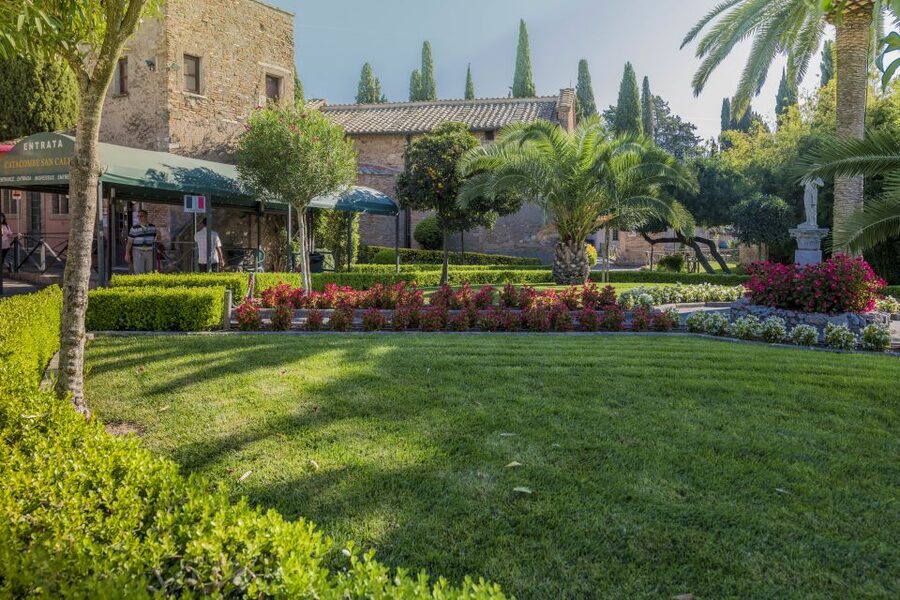
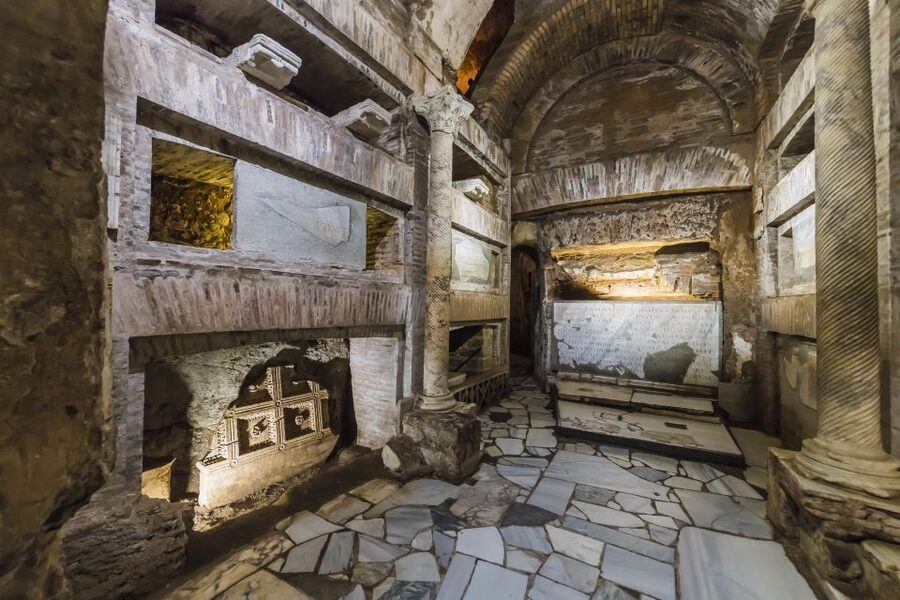
The first major stop is the Catacombs of St. Callixtus, one of Rome’s best-known Christian burial complexes. These underground passages were cut into soft tufa rock between the second and fifth centuries, when Christian communities needed burial space for large numbers of people.
The setting helps explain an important social point. Elaborate above-ground tombs and mausoleums cost money. Many early Christians could not afford them, so the softer rock around Rome offered a practical alternative. The result was an enormous network of corridors and burial chambers, built on several levels.
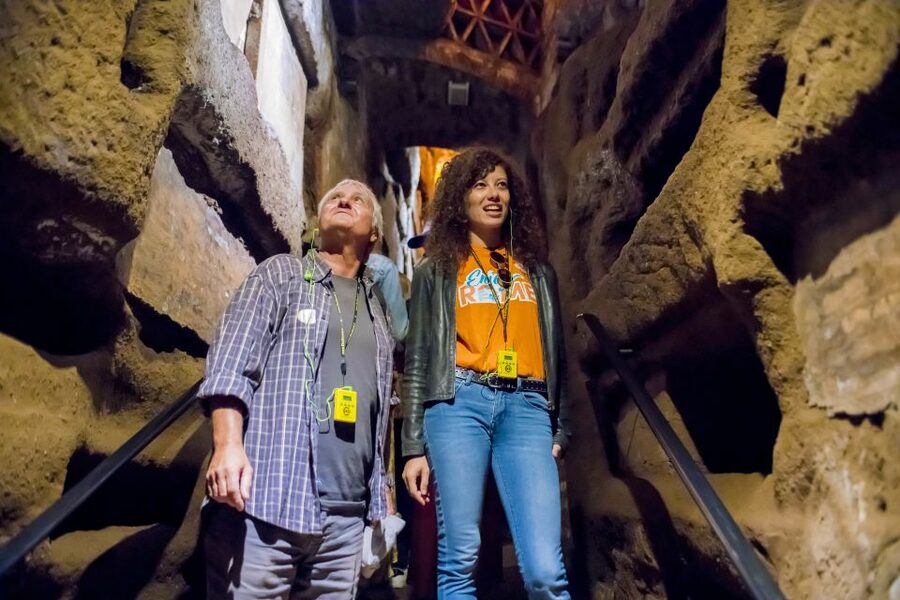
Inside, expect a cool, dim environment with narrow passages and stairs. You see wall niches for burials, sarcophagi, mosaics, ancient religious drawings, and early Christian symbols. The Crypt of the Popes is one of the key areas, and it gives the visit a strong connection to the early Christian community in Rome.
You should not expect a grand underground hall. Much of the experience comes from the plainness of the passages and the thought of how many people were buried there. The scale can be difficult to grasp until the guide explains how the galleries extend through multiple layers.
The tour includes a catacomb guide as well as the main guide. That arrangement is useful because the specialist guide can focus on the site itself while the overall guide keeps the larger day moving. Past visitors have singled out clear English and strong explanations, which matter in a dark setting where it is easy to miss a detail.
Photography is not allowed inside. That may disappoint anyone hoping for atmospheric pictures, but it also keeps the visit quieter and more respectful. I suggest treating the catacombs as a place to listen carefully rather than a place to collect images.
The early Christian art is one of the strongest reasons to come. It is not presented as a polished museum display. You see religious drawings in the setting where they were made and used, which gives them a directness that a display case cannot match.
This stop is not suitable for someone with severe claustrophobia. It is also not wheelchair accessible, and you need to manage stairs. One person who used a cane found the visit possible, but individual mobility varies. If stairs or enclosed spaces are a serious concern, this is the part of the tour to think about most carefully.
Seeing Cecilia Metella’s tomb from the Appian Way
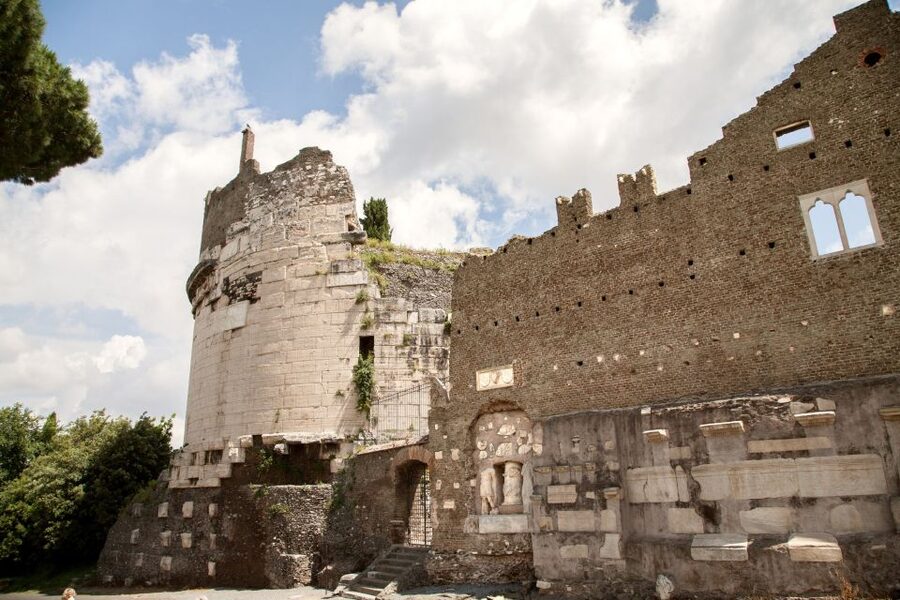
After the catacombs, the bus takes you toward the Appian Way, or Via Appia Antica. One planned stop is the exterior of the Mausoleum of Cecilia Metella, a large Roman tomb beside the ancient road.
The tour does not promise entry to the mausoleum. You view the exterior and hear about its place along this major route out of Rome. That distinction matters if you are expecting an interior visit. The appeal here is the setting: an imposing tomb beside one of the oldest roads in the Roman world.
The Appian Way was more than a local street. It connected Rome with southern Italy and carried soldiers, officials, merchants, and other traffic. Walking a portion gives you a physical sense of Roman road building that you cannot get from a photograph. Some visitors have found it especially moving to step on original paving stones.
The walk is described as a short portion rather than a long hike. That makes it manageable for most people who are comfortable walking on uneven historic surfaces. Still, sensible shoes are a good idea. Weather can shape this part of the tour. In rain or cold, the guide may continue with only the more determined walkers, while others remain on the bus.
This is also where the change of scenery becomes clear. The city feels farther away, even though you have not traveled a great distance. One person described the Appian Way as a peaceful break from Rome’s crowds, and that is exactly its strength. You get history without the constant noise and congestion of the center.
Same corner of the map, a different way in:
- Naples: Naples Underground Entry Ticket and Guided Tour
★ 4.4 · 21,781 reviews - Colosseum: Underground and Ancient Rome Tour
★ 4.7 · 12,691 reviews - Matera: Sassi Tour with Cave House and Rupestrian Church
★ 4.7 · 6,618 reviews - Naples: Spanish Quarters Underground Guided Tour
★ 4.8 · 5,064 reviews
Walking beneath the Roman aqueducts
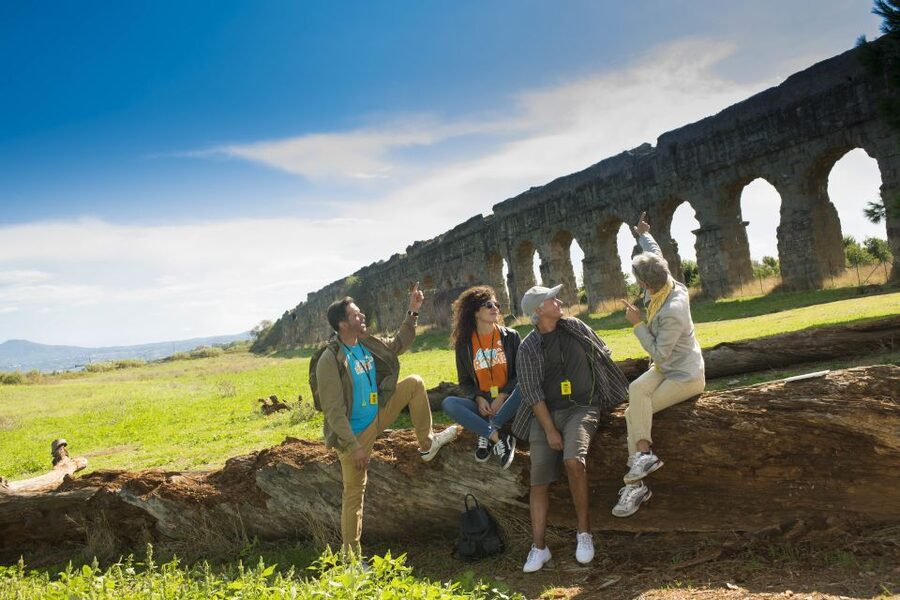
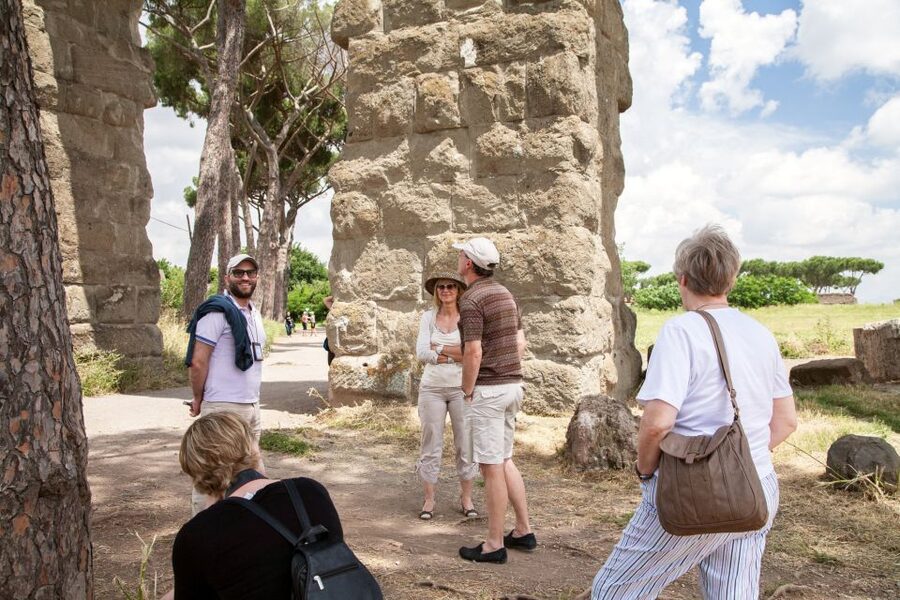
The final outdoor stop is the aqueduct area, usually reached by parking and walking a short path. The great arches are a reminder that Roman power depended not only on temples and armies, but also on reliable infrastructure.
The aqueducts carried water over long distances using carefully planned gradients. Their height and repeated arches make them easy to admire, but the guide’s explanation adds the useful part: these structures were working systems, not simply monuments built for show.
The Parco degli Acquedotti gives you open views and room to breathe after the underground catacombs. On a hot day, the catacombs can feel cool, while the aqueduct stop offers space and light. On a pleasant morning, the walk is one of the most relaxing parts of the outing.
Several guides have been praised for bringing technical details to life without turning the stop into a lecture. Lara, who was described as an archaeologist and historian, was especially admired for connecting the sites with broader Roman history. Marije, Francesca, Catia, and others have also been praised for mixing facts with stories and answering questions along the way.
The aqueduct stop is a strong reason to choose this tour instead of a catacomb visit alone. You finish with an outdoor view that is visually dramatic and easy to appreciate, even if you are not an ancient-history specialist.
The guides make or break the experience
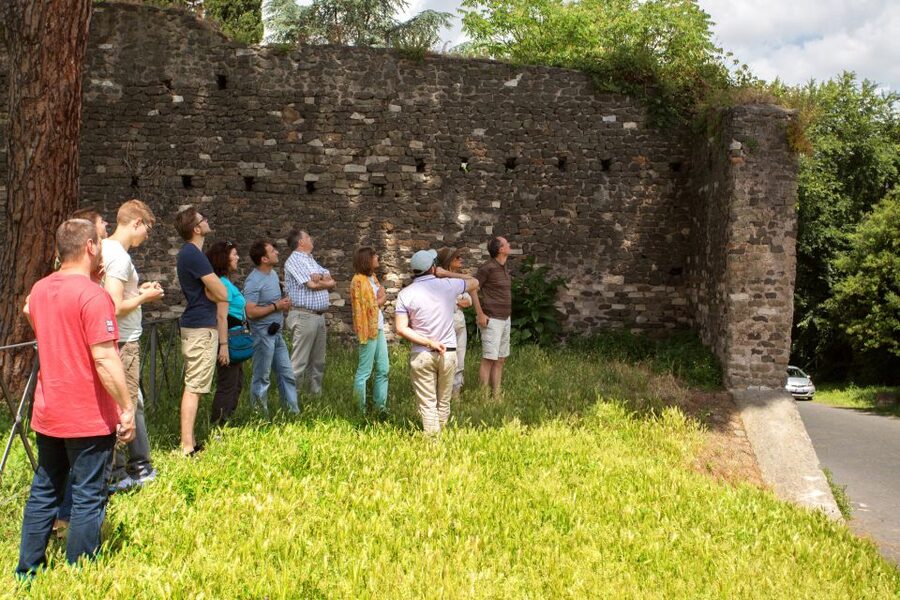
The tour uses a live English-speaking guide, with headsets supplied. The headsets are helpful at the outdoor stops and while walking, since you can look at the site without standing shoulder to shoulder around one speaker.
Guide quality appears to be one of the strongest parts of the experience. Catia has been praised for being engaging and considerate with children, while Mariah was remembered for balancing solid history with amusing facts. Francesca was praised for keeping the pace moving and adding information about places along the route.
Lara and Marije were also singled out for storytelling, clear English, and personal attention. That last point matters on a small-group tour. The guide is not only explaining ancient Rome. Guides have also offered restaurant suggestions and directions for other sights, which can be useful after several days of trying to make sense of the city.
The exact guide can vary, so you should not book expecting a particular person. What you can reasonably expect is a tour built around explanation rather than simply transport and entry. The best guides help you picture the people who used these roads, dug these burial chambers, and depended on those aqueducts.
Clothing, walking, and other practical limits
Dress as if you are entering a place of worship. Shorts, short skirts, and sleeveless shirts are not allowed. Shoulders must be covered, and skirts or trousers should fall below the knee.
Wear shoes you can manage on uneven surfaces. The tour is not described as strenuous, but it combines underground stairs, walking on or near an ancient road, and a path through the aqueduct area. You may also have short periods standing while the guide explains a site.
Pets are not allowed. Wheelchair users cannot take this tour because the catacomb visit is not wheelchair accessible. Severe claustrophobia is another clear reason to choose a different outing.
The group needs at least five participants to operate. If there are too few bookings, the tour may be rescheduled or canceled with a full refund, and you will be informed in advance. That is worth remembering if this is your only planned activity on a particular morning.
Free cancellation is available up to 24 hours before departure, and you can reserve now and pay later. Those policies add flexibility, but the real decision is still about content: you need to want underground burial chambers, Roman roads, and aqueducts more than another central Rome attraction.
Who should book this $80 Rome tour?
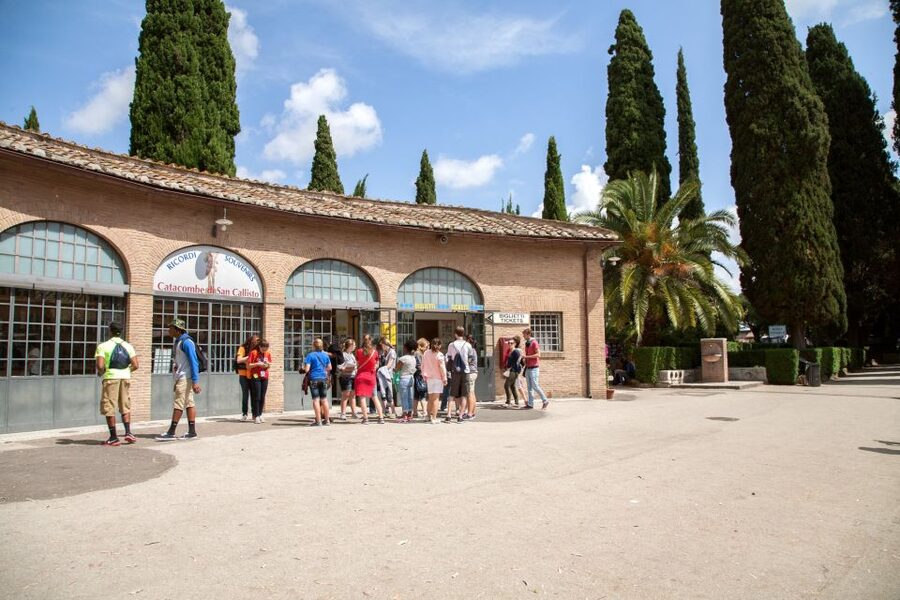
I would choose this tour if you want ancient Rome beyond the standard checklist. It suits history fans, families with older children, first-time visitors who have several days, and anyone who wants a quieter half day after crowded sights.
It is also useful if you do not want to work out the transport between three separate locations. The bus handles the connections, and the guide fills the ride with context. That saves time and mental effort.
I would hesitate if your schedule is tight, you dislike enclosed spaces, or you want a long uninterrupted walk along the Appian Way. The Appian Way portion is relatively short, and the tour gives you exterior views rather than a full archaeological day.
Families can do well here, especially with a guide who adjusts the pace. Children who enjoy tunnels, ancient burial places, and large stone structures may find it memorable. Children who need constant activity may find the explanations demanding, though the outdoor stops help break things up.
Should you book the Catacomb of St. Callixtus tour?
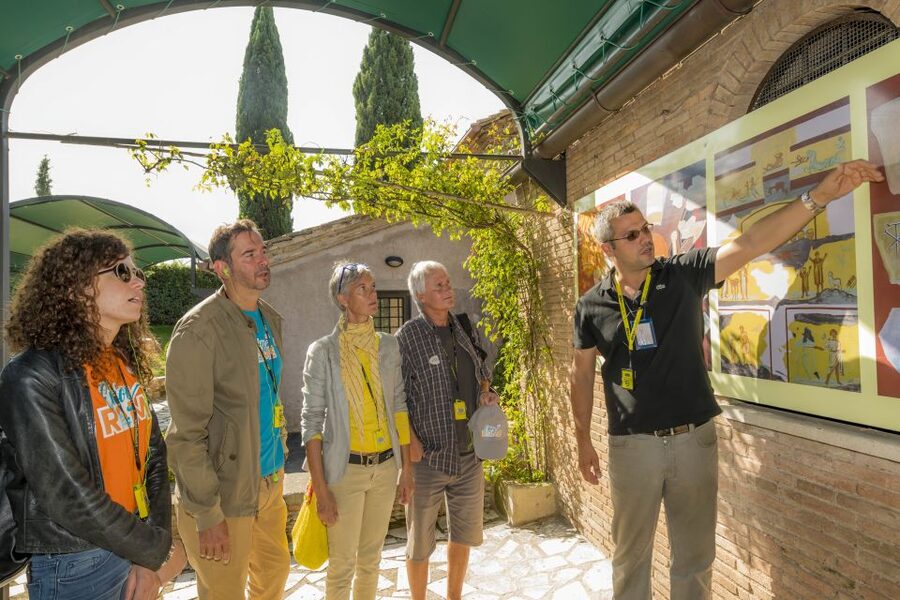
Book it if you have at least three hours to spare and want a side of Rome that the city center does not provide. The combination of early Christian burial chambers, the Appian Way, Cecilia Metella’s tomb, and the aqueducts gives you a well-shaped introduction to Rome beyond its famous squares.
The catacombs are the most unusual stop, while the aqueducts may be the most visually rewarding. The Appian Way supplies the historical connection between them. At $80, the tour is worth it for the transport and guidance, especially if reaching these places independently would be a nuisance.
Skip it if stairs, enclosed passages, or strict clothing rules will spoil your day. Otherwise, this is a thoughtful change of pace, with strong guides, useful transport, and a good balance between underground history and open-air Roman engineering.
FAQ
How long is the Catacomb of St. Callixtus and Appian Way tour?
The advertised duration is three hours. Some departures have lasted about three and a half hours, so allow extra time if you have plans immediately afterward.
Where is the meeting point?
The meeting point is at the bus stop at Via Cavour 224. The nearest Metro station is Cavour on Line B.
How early should I arrive?
You should arrive 25 minutes before the scheduled departure time.
Is transport included?
Yes. Transport to and from the meeting point is included, along with the guided tour.
Is admission to the Catacombs of St. Callixtus included?
Yes. Entrance and booking fees for the guided visit to the Catacombs of St. Callixtus are included.
Are photographs allowed inside the catacombs?
No. Photography is not permitted inside the catacombs.
What should I wear?
You need clothing suitable for a place of worship. Shorts, short skirts, and sleeveless shirts are not allowed. Shoulders must be covered, and skirts or trousers should fall below the knee.
Is the tour wheelchair accessible?
No. The tour is not wheelchair accessible, and the catacomb visit includes stairs and enclosed passages.
Can I cancel the tour?
You can cancel up to 24 hours in advance for a full refund. You can also reserve now and pay later.
Just added around Italy
- From Capri: Blue Grotto, Capri and Anacapri Guided Tour★ 4.8 · 91 reviews
- From Catania: trek on Mount Etna, Lava Cave & tasting Tour★ 4.8 · 563 reviews
- Explore Christian Rome and the Underground of San Clemente★ 4.4 · 16 reviews
- Etna Jeep Tour: Explore Craters and Lava Caves, Etna Wine Brunch★ 4.9 · 17 reviews
- EXCURSION VISIT TO THE SANTA MARIA DI LEUCA CAVES★ 4.8 · 192 reviews
- Santa Maria di Leuca: Caves Boat Tour★ 4.6 · 211 reviews
- East Palermo: boat tour among caves and breathtaking landscapes★ 5.0 · 28 reviews
- Taormina and Giardini Naxos: 2 Hour Dolphin Tour & Grotto★ 4.6 · 63 reviews
Catacombs & Underground City Tours, compared.
Catacombs of San Gennaro Entry Ticket & Guided Tour
Read our review →
Capuchin Crypts and Catacombs Tour with Transfers
Read our review →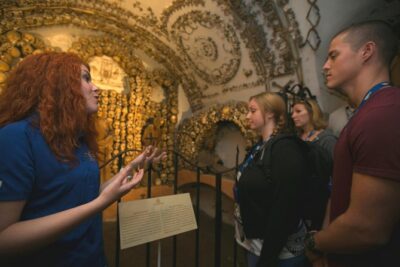
The Original Roman Crypts and Catacombs Tour with Transfers
Read our review →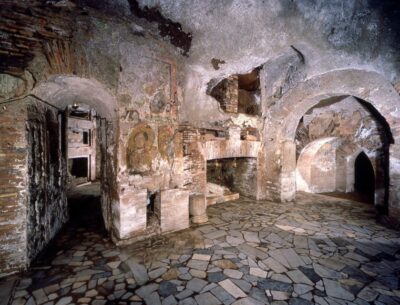
Catacombs of St. Callixtus Entry Ticket & Guided Tour
Read our review →

Full Day Cappadocia Tour( Red Tour + Underground City )
Read our review →

Rome EBike Tour: Appian Way, Catacombs & Roman Aqueducts
Read our review →Browse the lists this cave appears in