
Review · CANADA CAVE TOURS
Toronto: Experience PATH – A 32km/24mile underground walkway
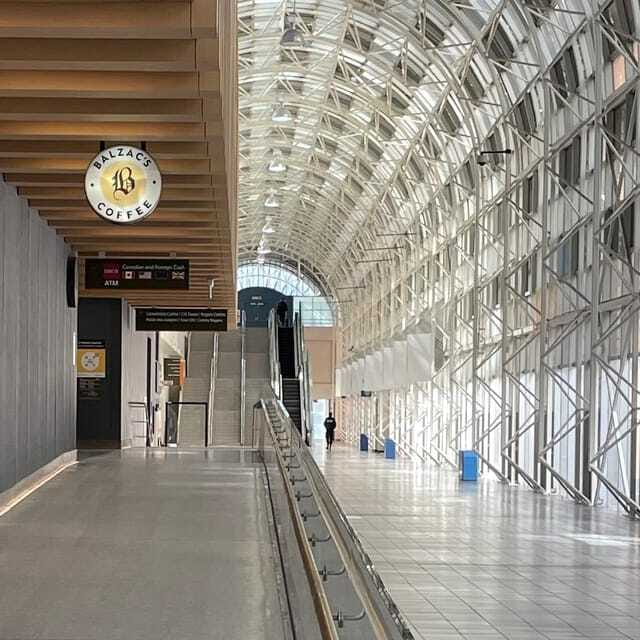
Toronto has a city beneath the city. The PATH tour reveals 3 kilometers of underground corridors, shops, food courts, offices, and public spaces that many first-time visitors miss. With a small group and an English-speaking guide, you learn how this enormous network fits together rather than simply wandering into it and losing your bearings.
I especially like the practical navigation tips and the chance to pop outside for views of the CN Tower, Scotiabank Arena, and Hockey Hall of Fame. The $29 price is also fair for two hours with a guide who knows the system well. The main drawback is that this is an active walking tour with four escalators and possible stairs, so it is not suitable for wheelchair users, people with mobility impairments, children under 10, or anyone over 80.
PATH in context: Toronto’s underground network stretches for about 32 kilometers and serves 200,000 to 300,000 people on an average workday. It is not one continuous tunnel, but a linked system beneath the downtown core.
Key points to know before you go
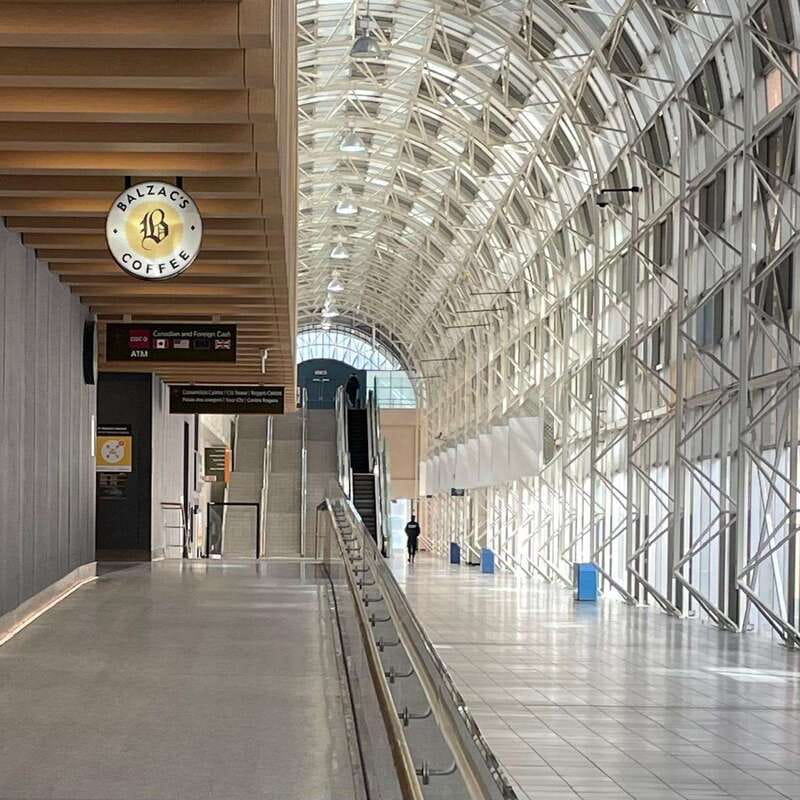
- The route covers 3 kilometers: You walk from Union Station to Toronto City Hall in about two hours.
- The network is much larger than the tour: PATH includes more than 1,200 shops and food courts, six subway stations, and nine hotels.
- Your guide teaches you how to navigate: You learn useful direction tricks instead of relying only on signs.
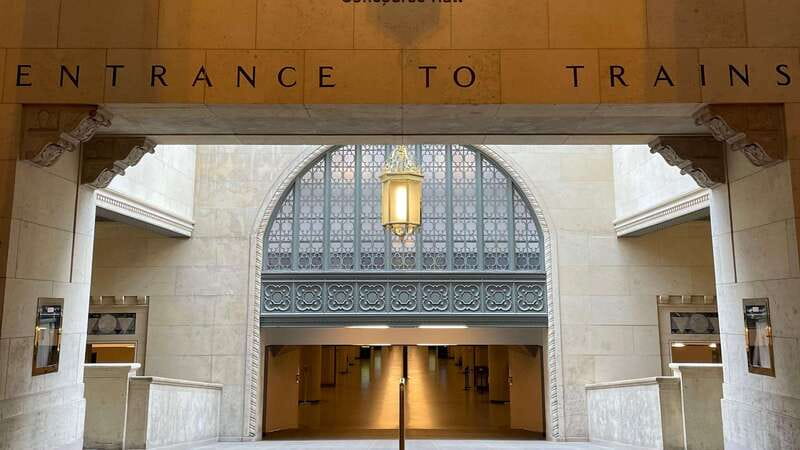
- The route begins inside Union Station: Meet in the Great Hall near the clock and VIA Rail departure board.
- You still see Toronto above ground: The tour includes outdoor views of major landmarks, including the CN Tower and Hockey Hall of Fame.
- Weekend access can vary: Some buildings may be closed, and escalators may not operate, so stairs or elevators could be used.
Why Toronto’s PATH is worth seeing
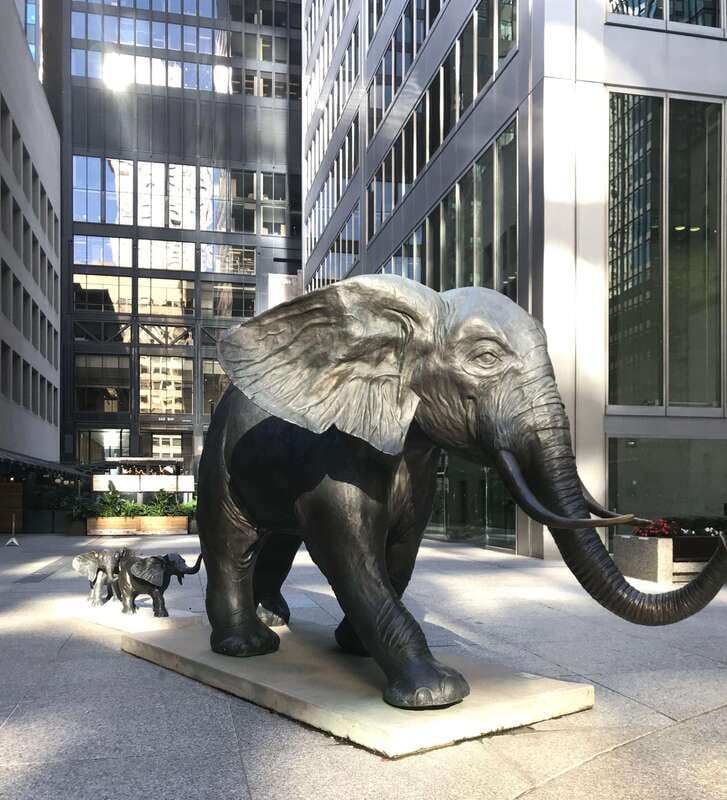
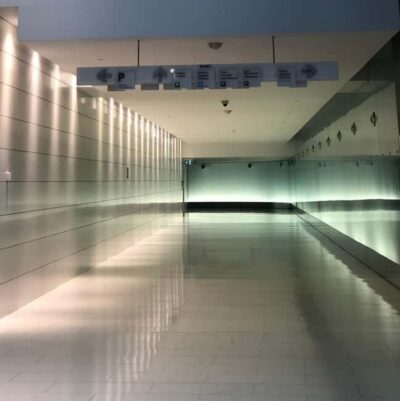
Toronto’s PATH is easy to misunderstand from street level. You might notice a sign pointing underground, follow it for a few minutes, and assume you have seen the whole thing. In reality, the system links office towers, transit stations, hotels, arenas, shopping areas, and public buildings across the downtown core.
The scale is the surprising part. More than 1,200 shops and food courts are connected to the network, along with six subway stations and nine hotels. PATH also connects with the city’s basketball and hockey arena and Toronto’s busiest shopping mall.
I like this tour because it shows you a side of Toronto that does not appear on the usual sightseeing route. You are not only looking at monuments. You are watching the city function. Office workers use these corridors to avoid traffic and bad weather. Shoppers use them to move between stores. Visitors use them once they learn the system.
Winter gives the tour a clear practical advantage. Toronto can be cold, wet, and unpleasant for long walks, yet PATH lets you move through much of downtown without stepping outside. A rainy day works well too. One participant specifically enjoyed the quieter atmosphere when many shops were closed, which suggests that timing affects the feel of the walk.
Still, do not expect a dark, empty tunnel. PATH is a network of connected spaces, and the route passes through large buildings and commercial areas. At busy times, you may be walking alongside commuters rather than taking a quiet historic stroll.
A few more cave trips around Canada worth a look
- Montreal RESO Underground City + Downtown Tour by MTL Detours
★ 5.0 · 254 reviews - Niagara Underground Tour: Power Station and Tunnel Under Falls
★ 4.5 · 239 reviews - Montreal: RESO Underground City and Downtown Walking Tour
★ 4.8 · 236 reviews
Starting in Union Station’s Great Hall
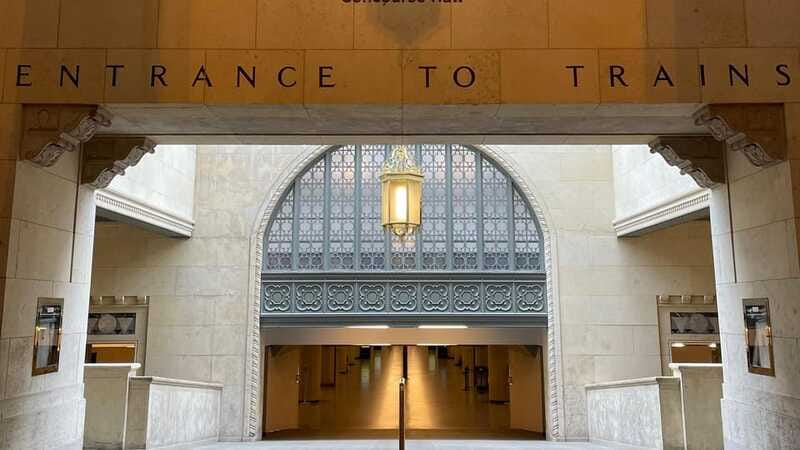
Your meeting point is the historic Great Hall inside Union Station at 65 Front Street West. Enter through the main historic entrance from Front Street West, then look for the guide near the clock and the VIA Rail departure board.
The guide carries a small sign marked PATH. Union Station is a large building, so this exact meeting instruction matters. Give yourself enough time to reach the Great Hall rather than arriving at the last minute and searching through the station.
The setting makes a fitting start. Union Station is one of Toronto’s main transport centers, and PATH grew partly from the need to connect downtown buildings and transit without sending everyone outdoors. From here, the tour heads into the underground network.
The group is limited to 10 people. That is a useful size for a walking tour through corridors where a large group could easily become awkward. It also gives you a better chance to ask questions. Guides Dave and Ram are both praised for being friendly, funny, and willing to explain details or take photos.
Walking the 3-kilometer route
The advertised tour route covers about 3 kilometers, or 2 miles, and lasts two hours. That is not a race. The guide pauses to explain the buildings, the network, and the small details that help you understand where you are.
The route ends at Toronto City Hall, giving you a clear finish point in the central city. Along the way, the tour uses four escalators. On weekends, some buildings may have escalators that are not operating, so you may use stairs or elevators instead.
That detail is worth taking seriously. PATH is designed for daily movement, but it does not operate like a single attraction with one controlled entrance and one fixed path. It passes through different buildings, and access can vary by day. Some locations may not be open on certain weekends and holidays.
You should wear comfortable shoes. Even though you avoid outdoor weather, you are still walking for two hours, changing levels, and moving through a large connected area. The route is short compared with the full 32-kilometer network, but it covers enough ground to make footwear important.
Learning the tricks that make PATH usable
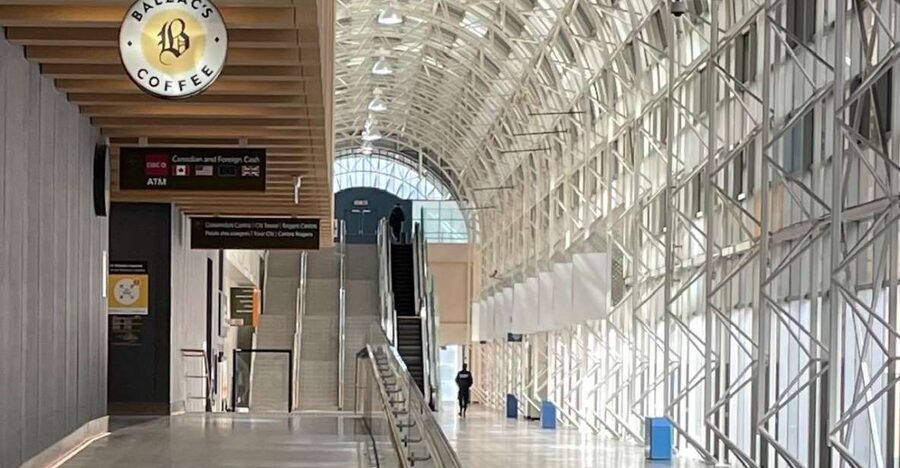
The best part of the tour is not simply seeing underground shops. It is learning how to return later without a guide.
PATH can feel confusing because it connects multiple buildings and streets through different levels. The tour teaches tricks for working out which direction you are going. These lessons turn a strange network into a practical tool for the rest of your stay.
That value came through strongly in the experience feedback. People used the system afterward and felt they could get around downtown more easily. One visitor said the tour changed how they would handle Toronto from then on, especially during winter. Another said they would not have figured out the network by themselves.
This is why I would schedule the tour early in your visit if possible. You can use the rest of your time in Toronto to return to parts of PATH that interest you, find a food court, reach a subway station, or move between downtown sights without dealing with traffic lights and poor weather.
The tour also includes historical photos. These help connect the modern underground network with the city above it. You are not just learning a set of turns. You are getting context for why Toronto developed such an extensive indoor route.
Same corner of the map, a different way in:
- Vancouver Island Multi-Cave Experience
★ 5.0 · 235 reviews - Montreal: Discover Reso – The Underground City
★ 4.8 · 209 reviews - Lake Louise Moraine Lake Banff Gondola Cave Basin Bow Falls
★ 5.0 · 156 reviews - Banff: Lake Louise, Moraine Lake, Gondola, Cave & Basin Tour
★ 4.9 · 114 reviews
Popping outside for Toronto’s major landmarks
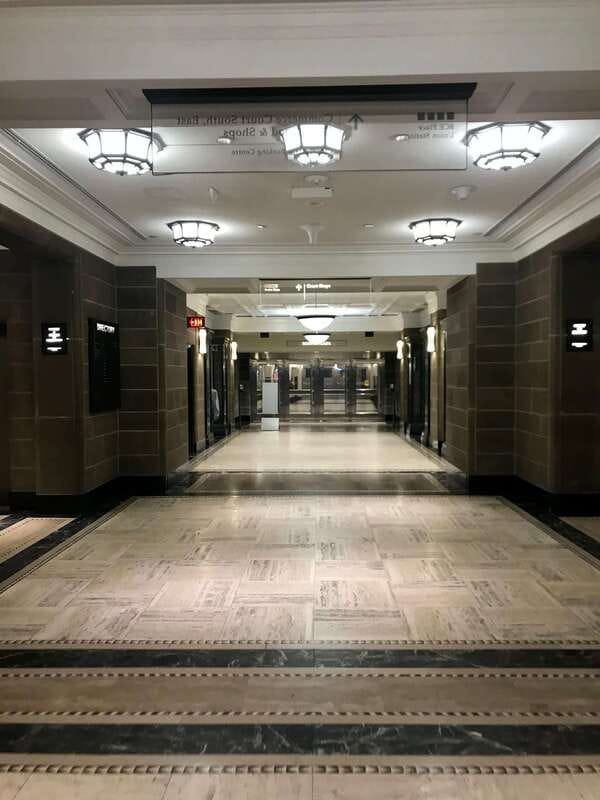
An entirely underground walk could leave you wondering where you are in relation to Toronto. This tour avoids that problem by taking you outside at points along the route.
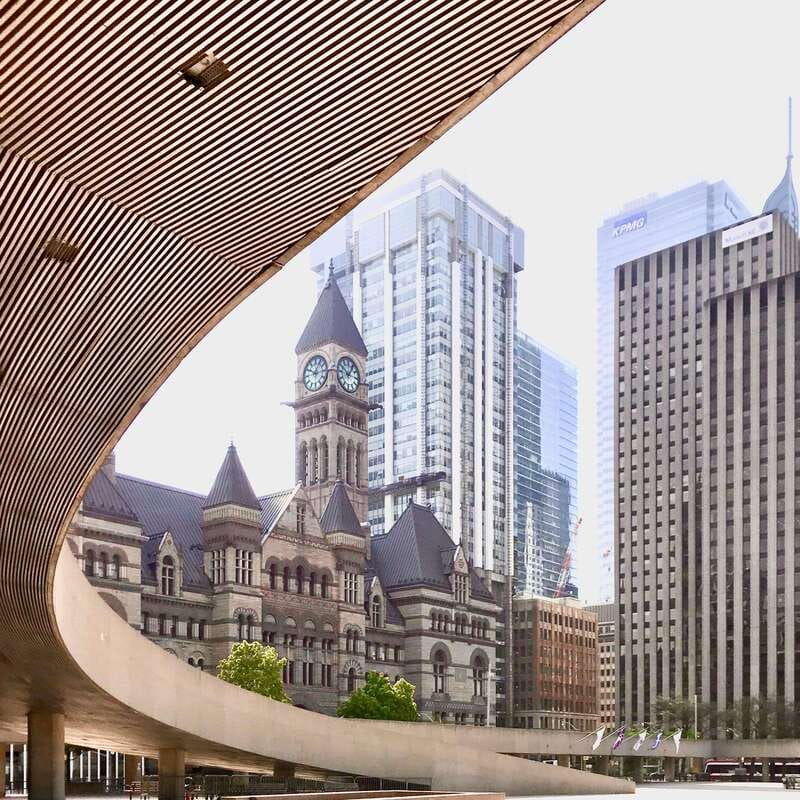
You get views of the CN Tower, Scotiabank Arena, and the Hockey Hall of Fame. These outdoor stops provide useful orientation and give the tour a better balance. You see the practical indoor city, then connect it with the major landmarks that most visitors came to Toronto to find.
The Hockey Hall of Fame is especially well placed within the PATH area, while Scotiabank Arena is part of the downtown sports connection. The CN Tower gives you a strong visual marker above the city. These are not long outdoor sightseeing sessions, but they help you understand how the underground routes relate to Toronto’s central attractions.
If your main goal is landmark photography, this is not a substitute for visiting the CN Tower or spending time inside the Hockey Hall of Fame. The tour offers exterior views and orientation, not full admission to those attractions. Its strength is showing how they connect to the wider downtown system.
The guides and the tone of the walk
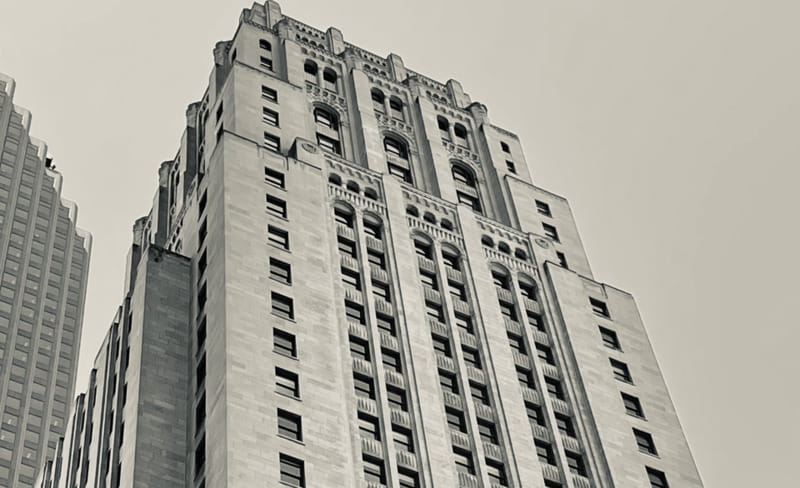
Guide quality matters on a tour like this because the corridors themselves are not always visually dramatic. A good guide turns ordinary passages, signs, elevators, and building connections into a story about how Toronto works.
Dave receives especially warm praise for his explanations, humor, local tips, and willingness to answer questions. Several people found his tours informative without feeling stiff. One solo participant appreciated the relaxed pace and conversation when she was the only person booked.
Ram also receives praise for being kind, funny, and engaging. That range of feedback suggests the tour is not delivered as a dry map-reading exercise. You can expect historical details, building information, practical advice, and occasional quirky facts.
The experience is conducted in English. Since the group is small, the guide can respond to questions and adjust the pace more easily than on a large city tour. The mood appears relaxed, but you should still expect a structured walk rather than free time for shopping.
What you are really paying for at $29

The $29 price is reasonable if you want more than a quick look at an unusual part of Toronto. You are paying for two hours with a guide, historical photos, route-finding advice, and a planned walk through a system that is genuinely difficult to understand at first.
You could enter PATH for free on your own. That is the fair comparison. If you only want to browse a few shops or walk from one downtown building to another, you may not need a tour. But finding the useful connections, understanding the direction system, and learning the background would take extra time and trial and error.
The tour also provides a practical benefit during bad weather. You can combine it with your wider Toronto plans and use the route later, which gives the $29 cost value beyond the two-hour activity itself.
There are no optional fees or extra charges listed for the tour. Free cancellation is available up to 24 hours before the start time, and you can reserve while paying later. Those policies make it easier to fit the walk around changing plans, though the important thing is still choosing a day when you can manage the walking and possible stairs.
Who should book this PATH experience
I would recommend this tour to first-time visitors who want to understand downtown Toronto quickly. It is particularly useful if you are visiting in winter, during rainy weather, or staying near the central business and entertainment districts.
It also suits curious city visitors who enjoy infrastructure, odd urban details, and places that do not appear on a standard sightseeing list. The quirky facts and historical photos add interest even if you are not planning to use PATH extensively afterward.
The tour is less suitable if you want a classic outdoor walking tour focused on architecture and street life. Much of the experience takes place indoors, and some sections may feel commercial rather than historic. It is also not suitable for children under 10, wheelchair users, people with mobility impairments, or people over 80, according to the stated restrictions.
Strollers may also be a problem. The tour uses four escalators, and weekend changes may mean stairs or elevators. If anyone in your group has difficulty walking, changing levels, or keeping pace for two hours, choose another Toronto activity.
Practical advice for a smoother walk
Wear shoes you can comfortably walk in for two hours. Bring your interest in Toronto’s geography, not just your camera, because the most useful part is learning how to move around later.
Arrive at the Great Hall with time to spare. Union Station is large, and the meeting point is specifically near the clock and VIA Rail departure board, not outside on the street.
If you are visiting on a weekend or holiday, keep the schedule flexible. Some buildings may be closed, and escalators may not be running. The tour still has alternatives, but the exact route or method of changing levels may differ.
I would also take notes on the direction tricks. The guide’s explanation may make perfect sense during the walk, but PATH is large enough that a few written reminders could help when you return alone.
Should you book the Toronto PATH tour?
Book it if you want a useful introduction to one of Toronto’s most unusual city systems. The small group, two-hour route, outdoor landmark views, and practical navigation lessons make this more than a simple underground stroll.
I especially recommend it early in your stay. That way, you can use PATH afterward and get full value from what you learned. At $29, it is a sound choice for winter visitors, first-time visitors, curious urban explorers, and anyone who would rather avoid downtown weather for part of the day.
Skip it if you need step-free access, prefer a fully outdoor tour, or have limited interest in shops, transit links, and city infrastructure. For everyone else, PATH offers a smart look at Toronto from an angle most people never see.
FAQ
Where does the PATH tour begin?
The tour begins inside Union Station’s Great Hall at 65 Front Street West. Meet near the clock and the VIA Rail departure board.
Where does the tour end?
The tour ends at Toronto City Hall.
How long is the route?
The guided route is about 3 kilometers, or 2 miles.
How long does the tour last?
The experience lasts two hours.
How much does the tour cost?
The price is $29 per person.
What language is the tour conducted in?
The tour is conducted in English with a live English-speaking guide.
How many people are in the group?
The group is limited to 10 participants.
What landmarks can you see outside?
The tour includes outdoor views of the CN Tower, Scotiabank Arena, and the Hockey Hall of Fame.
Is the tour suitable for wheelchair users?
No. The experience is not suitable for wheelchair users or people with mobility impairments.
What should you bring?
Bring comfortable shoes. You may use four escalators, and on some weekends stairs or elevators may be needed.
Just added around Canada
- Canyons and caves in the Rockies: Explore with us; From Calgary★ 5.0 · 27 reviews
- Lake Louise Moraine Lake Banff Gondola Cave Basin Bow Falls★ 5.0 · 156 reviews
- Day Tour to Banff Gondola Johnston Canyon Hiking Cave Basin★ 5.0 · 28 reviews
- Grotto Canyon Icewalk★ 4.5 · 49 reviews
- Saint John: Guided Kayaking Tour of St. Martins Sea Caves★ 4.8 · 38 reviews
- Montreal: Discover Reso – The Underground City★ 4.8 · 209 reviews
- Banff: Grotto Canyon Icewalk★ 5.0 · 23 reviews
- Banff: Lake Louise, Moraine Lake, Gondola, Cave & Basin Tour★ 4.9 · 114 reviews
Canada Cave Tours, compared.
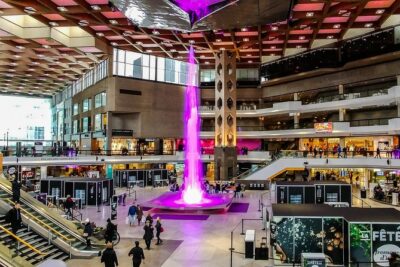
Montreal RESO Underground City + Downtown Tour by MTL Detours
Read our review →
Niagara Underground Tour: Power Station and Tunnel Under Falls
Read our review →
Montreal: RESO Underground City and Downtown Walking Tour
Read our review →

Lake Louise Moraine Lake Banff Gondola Cave Basin Bow Falls
Read our review →
Banff: Lake Louise, Moraine Lake, Gondola, Cave & Basin Tour
Read our review →
Browse the lists this cave appears in