
Review · MUSEUMS
Krakow: Rynek Underground Museum Guided Tour & Stories
Look beneath Krakow’s grandest square. This 90-minute tour takes you under the Main Square to the level of Krakow’s medieval streets, where archaeological remains, market artifacts, legends, and everyday stories help explain how the city worked centuries ago. I like the unusual setting and the way a live guide can turn stones and objects into human stories. I also like that the museum ticket is included, so you are paying for both entry and interpretation in one booking.
The main consideration is time. Ninety minutes gives you a useful introduction, but not a slow, exhaustive museum visit. The meeting point can also take a little care to find, since the entrance is inside the Cloth Hall on the side facing St. Mary’s Church. Look for the guide holding an excursions.city sign.
Key points at a glance
- Four meters below the Main Square: Descend to the level of Krakow’s 12th and 13th-century cobbled streets.
- An archaeological museum beneath the market: See remains and artifacts connected with the old city and its trading center.
- Stories make the site easier to understand: The guide explains the square’s purpose, medieval life, architecture, and local legends.
- A 90-minute guided visit: The format works well if you want a focused introduction rather than a long museum session.
- Several language choices: Tours are offered in English, German, Polish, Spanish, French, and Italian.
- Good practical flexibility: The $34 price includes the professional guide and museum admission, with cancellation available up to 24 hours before the tour.
Why Krakow’s Main Square has an underground museum
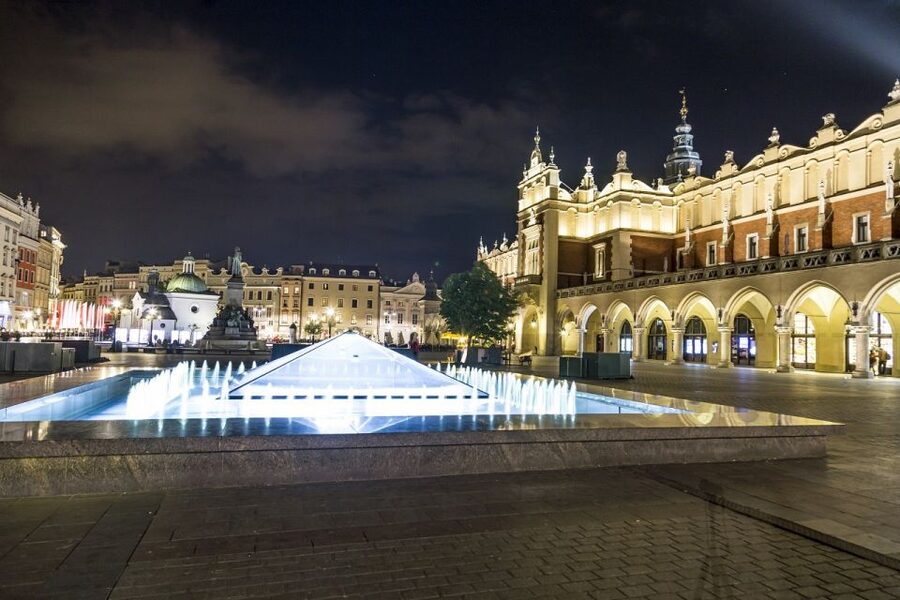
Krakow’s Main Square is easy to read at street level. You see the Cloth Hall, St. Mary’s Church, restaurants, horse carriages, and a broad open space at the center of the Old Town. The underground museum changes that view by showing what lay beneath the present-day square.
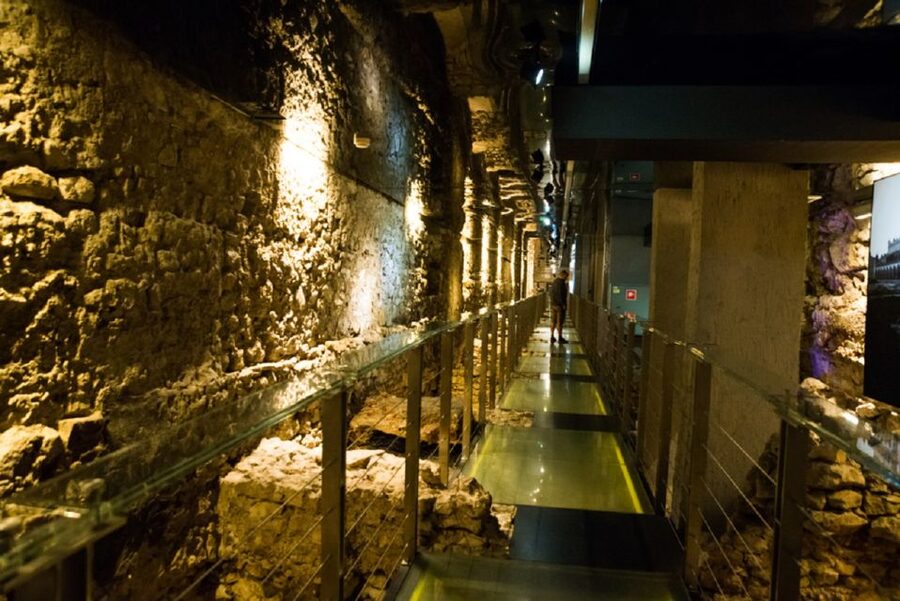
The route descends about four meters. At that level, you reach the line of cobbled streets used in Krakow during the 12th and 13th centuries. That physical change matters. Instead of looking at a modern reconstruction or reading only a wall panel, you are placed close to the level where medieval people actually walked and worked.
The museum is an archaeological reserve, which means the remains themselves are the main attraction. You might find old street surfaces, foundations, market-related objects, and other traces of city life. The exact meaning of many fragments is not always obvious at first. That is where the guide earns the fee.
A good guide connects the pieces to the larger story: why the square was laid out, what people bought and sold there, how the surrounding buildings developed, and how ordinary people used the space. The tour is less about admiring one famous object and more about learning how a city operated.
More Museum Visits around the world:
- Krakow: Rynek Underground Museum Guided Tour
★ 4.6 · 1,122 reviews - Coba Multun-Ha Cenote Tulum and Mayan Museum Small Group
★ 4.5 · 773 reviews - Sacromonte Caves Museum Admission Ticket
★ 4.6 · 502 reviews
Starting at the Cloth Hall entrance
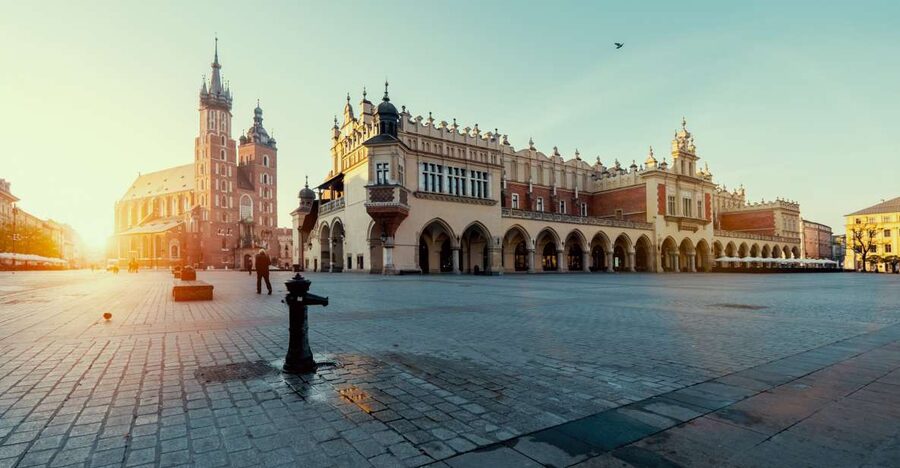
The guide meets you at the entrance to the Rynek Underground Museum. The entrance is in the Cloth Hall, also called Sukiennice, on the side nearest St. Mary’s Church. This is worth noting because the Main Square has several major buildings and several possible entrances. Do not simply wait in front of the museum name without checking the location.
Look for a sign marked excursions.city. Arriving a little early gives you time to orient yourself in the square and find the correct side of the Cloth Hall. The meeting point is central, but Krakow’s busiest public spaces can still make a short rendezvous harder than it sounds.
Once the group is assembled, the guide introduces the subject and leads you into the museum. Since the ticket is included, you do not need to arrange separate admission for this visit. The skip-the-ticket-line feature is useful when the square is busy, though it does not mean you should arrive at the last second.
Reading the Main Square before going below
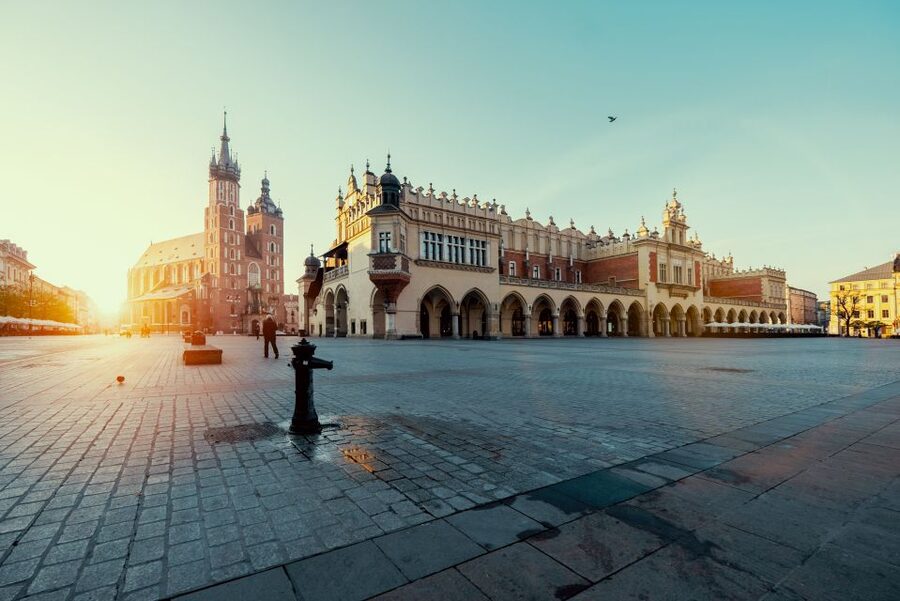
The experience begins with Krakow’s central square rather than treating the museum as an isolated attraction. This gives you a better frame for what you are about to see underground.
The guide discusses the square’s past and points out the connection between the visible buildings and the older city below. The Cloth Hall, the church, and the open market area are not just scenic backdrops. They help explain why this location became the heart of Krakow.
You will hear about the square’s purpose and the activities that once filled it. The tour description promises stories about what happened there, along with artifacts and details that help bring the old market to life. The strongest part of this opening is the contrast between the elegant present-day square and the working medieval center beneath it.
I like this setup because it prevents the museum from feeling like a collection of disconnected ruins. You first get the public face of Krakow, then you move below it to see an earlier version of the same place. If you have already spent time walking around the Main Square, the underground visit gives familiar landmarks a new layer.
Descending to the 12th and 13th-century streets
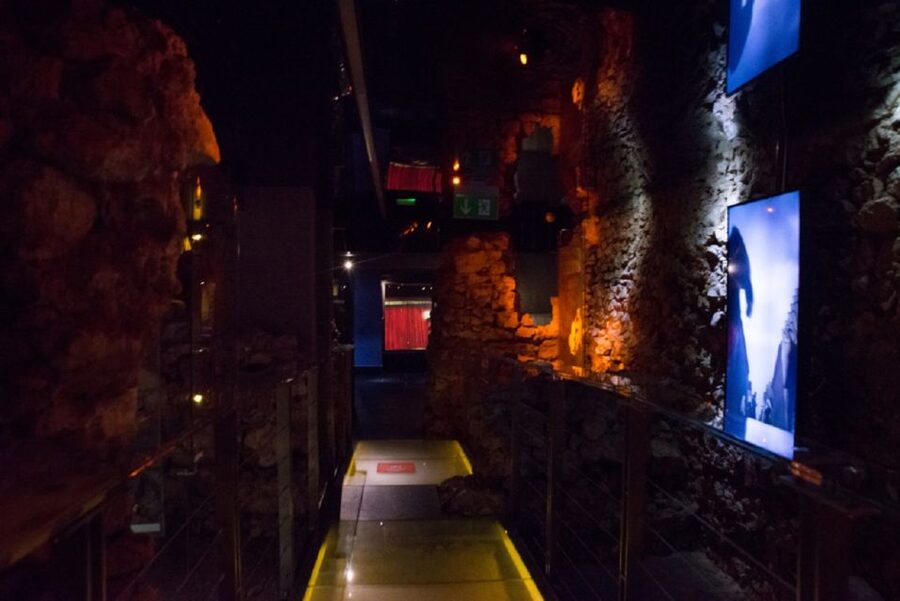
The descent is the tour’s clearest turning point. You leave the bright, open square and reach the lower level where medieval Krakow’s streets were found.
At about four meters underground, the surviving cobbled surfaces make the past more tangible. You are not simply hearing that Krakow had a busy market. You are standing near the routes used by people in the 12th and 13th centuries, at the same general level as their movement through the city.
The setting also changes the mood. The underground rooms have a more enclosed and atmospheric feel than the square above. That atmosphere supports the guide’s stories about daily life, trade, buildings, hardship, and local legends.
The museum’s strength is its sense of place. A gallery full of objects can tell you what people used. A preserved street level can show where those objects belonged. The combination helps you picture medieval Krakow as a functioning community rather than a collection of dates.
Still, keep your expectations in check. This is an archaeological museum, not a fully recreated medieval village. You will not be walking through complete homes or watching historical scenes performed around you. The experience depends on the guide’s explanations and your willingness to imagine the missing parts.
More Guided Tours around the world:
- Naples: Naples Underground Entry Ticket and Guided Tour
★ 4.4 · 21,781 reviews - Naples: Catacombs of San Gennaro Entry Ticket & Guided Tour
★ 4.6 · 7,941 reviews - Naples: Spanish Quarters Underground Guided Tour
★ 4.8 · 5,064 reviews - Expert Guided Tour of Colosseum Arena OR Underground, and Forum
★ 4.5 · 5,041 reviews
Artifacts, architecture, and ordinary life
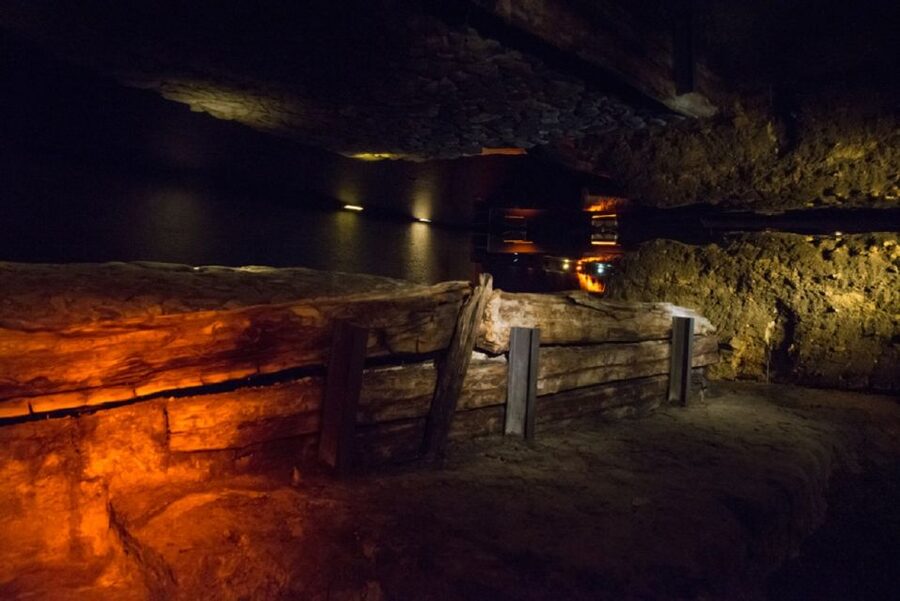
The tour brings together several kinds of evidence. Artifacts offer clues about work, trade, and routine life. Street remains show movement and urban planning. Architectural traces point to how the market area changed over time.
The guide helps explain why each type of evidence matters. A fragment may seem modest on its own, but it can reveal how people used the square or how the city developed around it. The point is not only to identify an object. It is to understand what that object says about the people who left it behind.
The tour also looks at the joys and hardships of medieval life. That balance is important. Market squares were places of opportunity, trade, and social contact, but they were also practical working spaces shaped by uncertainty and difficult living conditions.
You should expect a mix of factual explanation and storytelling. Local legends add color, while the archaeological remains keep the visit grounded. The best moments are likely to come when the guide links a story to a physical feature under your feet.
A Polish guide named Sylwia has received particular praise for her enthusiasm, engaging delivery, historical details, and anecdotes. The experience is available in six languages, so the quality of the visit will depend partly on the guide assigned to your departure. The format clearly places a large share of the experience in the guide’s hands.
What the guide adds to the museum
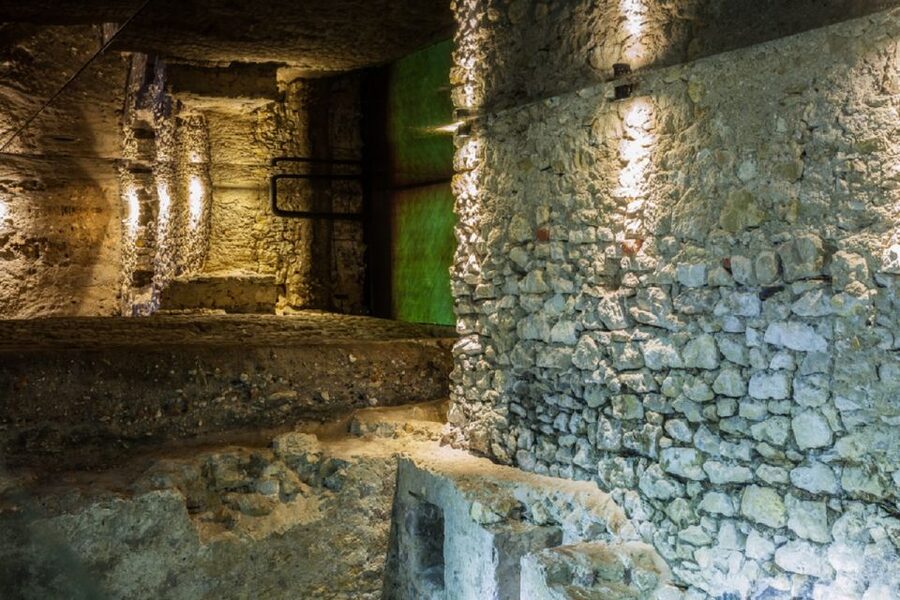
You can visit a museum on your own and read signs at your own pace. This guided format offers something different: a clear route and a person who can explain why the remains matter.
The most highly praised features are the interesting facts, history, anecdotes, and the guide’s commitment to the subject. That tells you what kind of tour this is best suited to. It is not simply a fast entrance into an attraction. It aims to give the underground site a human voice.
A guide can also help you separate legend from the wider story of the city. Medieval Krakow is full of tales, and legends are more enjoyable when they are presented alongside the physical evidence and historical setting.
The short duration makes the guide’s structure especially important. In 90 minutes, you need someone who can move from the square to the underground remains without getting bogged down in small details. The available feedback includes one brief assessment calling the guide informative, while other comments praise the tour as very interesting and well told. The overall rating is 4.8 from 26 ratings, a strong sign that the guided storytelling is doing its job.
Is $34 a fair price?
At $34 per person, this is not the cheapest way to see Krakow. The value depends on whether you want more than entry to the museum.
The price includes the museum ticket and a professional guide. That matters because the archaeological remains may be difficult to interpret without context. You are paying for access to a special site plus 90 minutes of explanation in your chosen language.
I consider the price reasonable for a first visit to the underground museum, especially if you value a set route and historical interpretation. It is less compelling if you prefer to move slowly, read every display, or explore without a group. A self-guided visit may suit you better in that case, assuming independent entry is available at your chosen time.
Food and drinks are not included, but that is hardly a problem for this attraction. The tour takes place in the center of Krakow, where you will find plenty of places to eat before or after. Plan your meal separately rather than expecting the tour to include a refreshment stop.
Who should book this experience?
This tour suits first-time visitors who want a quick, clear introduction to Krakow’s past. It also works well for anyone who has admired the Main Square but wants to understand what came before the present buildings.
Families with older children may enjoy the physical change from the square to the underground streets, especially if the guide tells stories rather than giving only formal lectures. People interested in archaeology, urban planning, medieval trade, or local legends should find plenty to hold their attention.
The tour may be less suitable if you dislike enclosed museum spaces, need a very slow pace, or want a detailed study of every artifact. The 90-minute schedule is focused, not leisurely.
Wheelchair accessibility is listed, which makes the experience more practical for people who need an accessible route. If accessibility is important for your group, confirm the exact arrangements when choosing a departure, since the supplied details do not explain the lifts, route width, or seating.
Practical advice for a smoother visit
Give yourself time to locate the Cloth Hall entrance. The meeting point is on the side facing St. Mary’s Church, and the excursions.city sign is the key marker.
Choose the language that lets you follow historical detail without effort. English, German, Polish, Spanish, French, and Italian are offered. Stories about old streets and legends lose much of their value if you are struggling to keep up with the explanation.
Wear shoes you can walk comfortably in. The visit includes a descent to an archaeological level and a route through the museum. No special clothing is listed, but sensible footwear is always useful for a historic site.
The booking terms are flexible. You can reserve now and pay later, and cancellation is available up to 24 hours in advance for a full refund. That is helpful if your Krakow schedule includes changing arrival times or other timed attractions.
The final call
Book this tour if you want the Main Square to make more sense, not just look attractive. The underground streets, market remains, and guide-led stories offer a compact way to connect modern Krakow with its medieval foundations.
At $34, the strongest value comes from the interpretation. I would choose it for a first visit, for a short stay, or for anyone who enjoys local stories and archaeological sites. I would skip it only if you prefer complete freedom to explore at your own pace or want a longer, more detailed museum session.
FAQ
Where does the Rynek Underground Museum tour meet?
The guide meets you at the entrance to the Rynek Underground Museum inside the Cloth Hall, on the side facing St. Mary’s Church. Look for a sign saying excursions.city.
How long does the tour last?
The tour lasts 90 minutes.
What is included in the price?
The $34 price includes a professional guide and the museum entrance ticket.
What is not included?
Food and drinks are not included.
What languages are available?
The tour is offered in German, Polish, Spanish, English, French, and Italian.
Is the tour wheelchair accessible?
Yes, the experience is listed as wheelchair accessible.
Can I cancel the booking?
Yes. You can cancel up to 24 hours in advance for a full refund. You can also reserve now and pay later.
Just added around the world
- Lasithi Plateau Zeus Cave Guided Jeep Safari Tour★ 5.0 · 35 reviews
- Knossos, Lasithi, Zeus Cave & Olive Mill Farm Combo Tour★ 4.5 · 46 reviews
- Knossos Palace and/or Zeus Cave + Olive Mill | Local & Private★ 5.0 · 21 reviews
- Matala Beach, Caves, and Winery Full-Day Tour from Heraklion★ 5.0 · 40 reviews
- Mythical Escape: Zeus Cave & Knossos Palace with Lassithi Plateau from Heraklion★ 5.0 · 51 reviews
- Road-trip to Lasithi, Zeus Cave, Vidiani, Krasi & Olive Mill Farm★ 4.0 · 79 reviews
- Ninh Binh Private Day Tour: Mua Cave, Tam Coc, Hoa Lu All Include★ 5.0 · 40 reviews
- Ninh Binh Full Day Tour from Hanoi to Hoa Lu, Trang An & Mua Cave★ 5.0 · 31 reviews
Museums, compared.
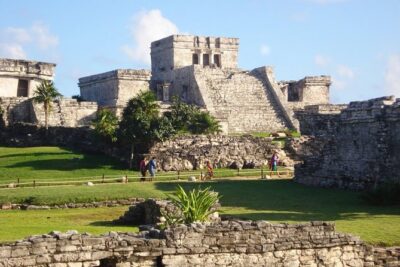
Coba Multun-Ha Cenote Tulum and Mayan Museum Small Group
Read our review →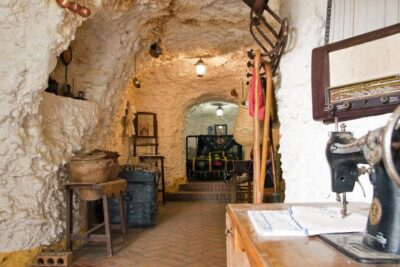

London: Postal Museum Entry Ticket and Underground Rail Ride
Read our review →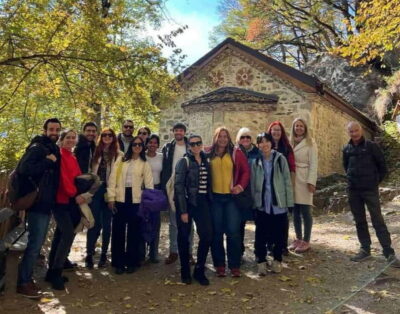
Rila Monastery and Optional Museum, Cave or Spa
Read our review →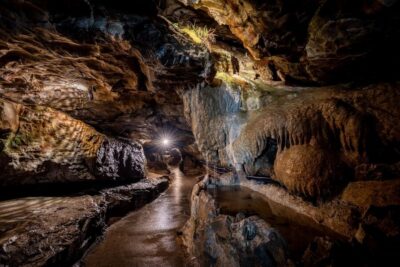
Beatenberg: Beatus Caves Entry Ticket with Museum
Read our review →
Albaicín, Sacromonte & Museum of Caves Walking Tour
Read our review →
Cave Museum Village Troglodyte of Rochemenier Admission Ticket
Read our review →Browse the lists this cave appears in