
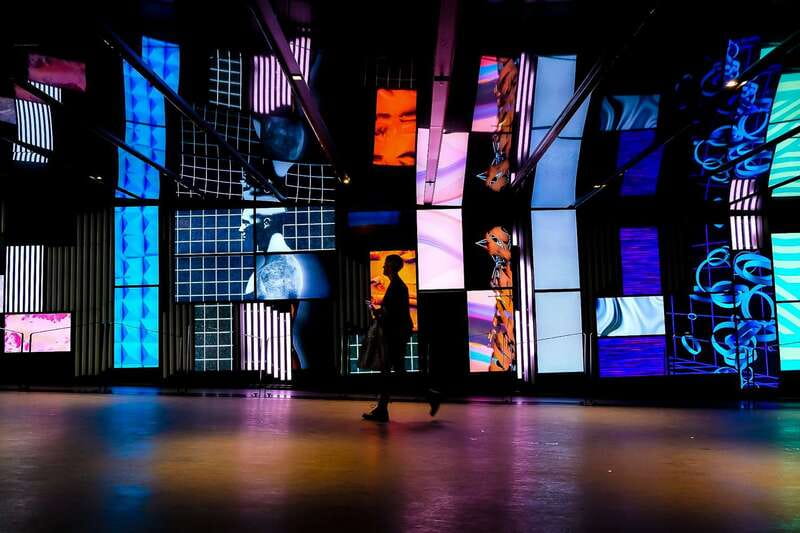
Review · CATACOMBS & UNDERGROUND CITY TOURS
Montreal: RESO Underground City and Downtown Walking Tour
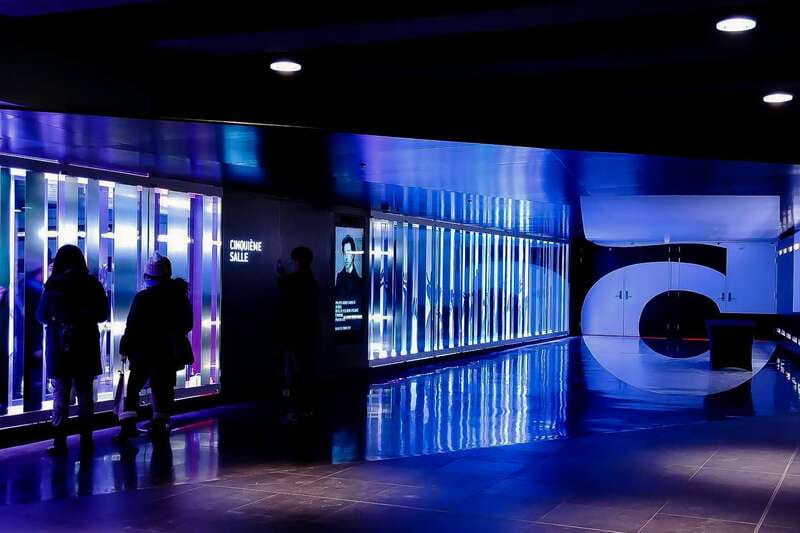
Montreal has a second downtown beneath its streets. I like that this tour pairs the RESO underground network with major downtown sights above ground, rather than treating the tunnels as one long shopping trip. I also like the licensed local guides and the small group format, which make it easier to ask questions and keep track of where you are. The main drawback is that two hours covers about three miles, with stairs, escalators, and outdoor walking.
This is a useful tour for first-time visitors, especially in winter, rain, or summer heat. You learn how the underground system connects to the Metro, office towers, shopping centers, hotels, cafés, public art, and landmarks such as Place Ville-Marie, Christ Church Cathedral, and the World Trade Centre Montreal. Guides including Martin, Catherine, Elise, Isabelle, and Amelie have been praised for clear explanations, humor, patience, and practical restaurant advice.
Key points at a glance
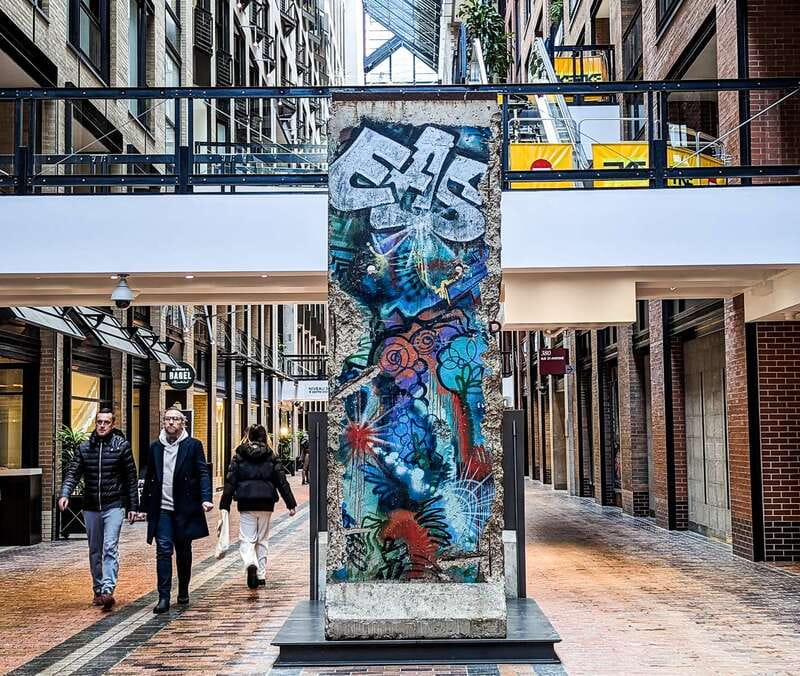
- More than a shopping walk: The route combines selected RESO passages with outdoor downtown landmarks, architecture, and Montreal history.
- A guide who can explain the maze: You learn how the Metro and underground passages connect, making it easier to explore independently later.
- Small groups matter: The tour is limited to 10 participants, creating room for questions and a more personal pace.
- Good in difficult weather: Much of the route is indoors, though you still need clothing for outdoor sections.
- Three miles in two hours: Expect steady walking, staircases, escalators, and some slopes.
- Useful local advice at the end: You receive a printed list of places to eat, drink, explore, and visit.
Why Montreal’s RESO is worth understanding
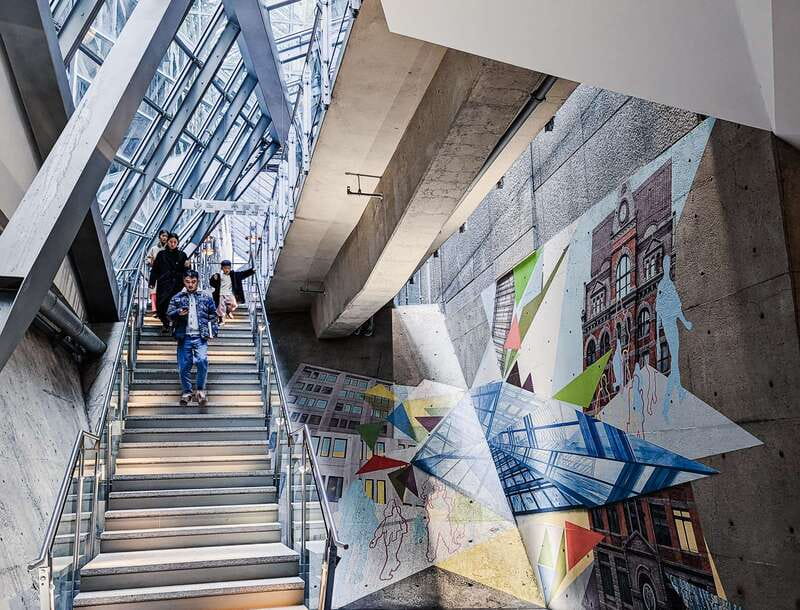
Montreal’s underground city is better understood as a connected pedestrian network than as one giant subterranean chamber. Known locally as the RESO, it stretches for more than 33 kilometers and links office towers, hotels, shopping centers, Metro stations, cafés, public art, and other buildings.
That scale is exactly why walking it alone can be confusing. Entrances may be inside a building, down a staircase, beside a Metro station, or connected to a shopping center. You can easily find yourself following signs toward shops without understanding how the larger system fits together.
The tour gives you that missing framework. Your guide explains how the network grew, how it relates to downtown development, and how Montrealers use it to move around during cold winters. You are not expected to walk the entire 33-kilometer system. Instead, you visit selected sections that show the network’s design, purpose, and character.
I see this as the tour’s real value. You are not simply looking at corridors. You are learning how to use a major part of Montreal’s transportation and pedestrian system.
More Catacombs and Underground City Tours in the world:
- Naples: Catacombs of San Gennaro Entry Ticket & Guided Tour
★ 4.6 · 7,941 reviews - Rome: Capuchin Crypts and Catacombs Tour with Transfers
★ 4.6 · 6,456 reviews - The Original Roman Crypts and Catacombs Tour with Transfers
★ 4.5 · 4,896 reviews
Meeting the guide on McGill College Avenue
The meeting point is on the sidewalk outside the Humble Lion café at 1204 McGill College Avenue, between Sainte-Catherine Street and Cathcart Street. Arrive 10 to 15 minutes early, since the group does not wait for late arrivals.
This detail matters more than it might seem. Downtown buildings can have several entrances, and one previous participant found the starting location less obvious when a nearby hotel entrance was closed. Check the address carefully and allow extra time if you are unfamiliar with central Montreal.
The company is MTL Detours, a locally owned Montreal operator. Its guides hold the mandatory City of Montreal guiding permit, which is an important distinction for visitors who want a properly licensed city tour rather than an informal walk led by someone with limited local training.
The advertised group size is small, limited to 10 participants. That gives you a better chance to hear the guide in busy indoor spaces and ask about restaurants, architecture, Metro connections, or places to visit later in your stay.
Starting above ground in downtown Montreal
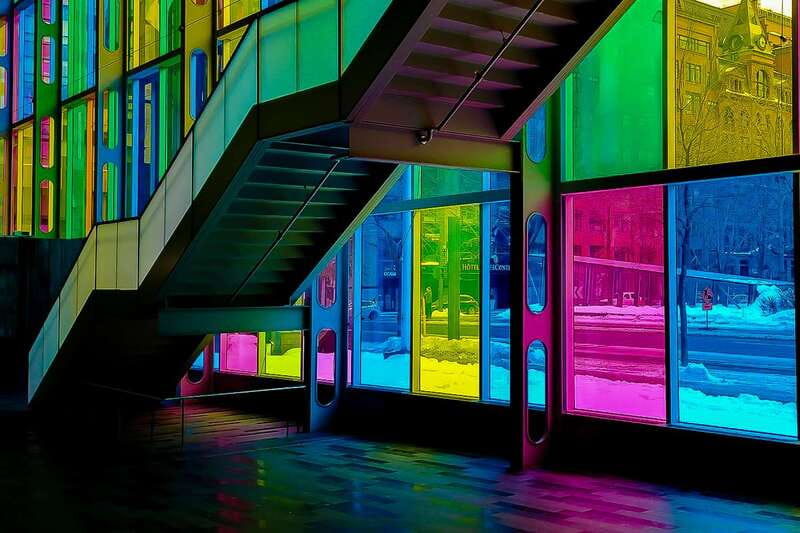
The route includes outdoor sights in the heart of downtown before and between underground sections. This helps you understand the relationship between the city you see at street level and the indoor network below it.
Place Ville-Marie is one of the key landmarks included. Its presence helps explain the modern growth of downtown Montreal and the way office towers became linked with indoor pedestrian routes. The tour also includes Christ Church Cathedral, giving you a change of architectural mood and a reminder that downtown is not only a district of glass towers and retail spaces.
The World Trade Centre Montreal is another featured stop. These places are not treated as isolated photo stops. Your guide uses them to explain how Montreal developed, how buildings connect, and why the RESO took the shape it did.
The outdoor portions also keep the tour from becoming visually repetitive. A full two hours underground could feel like a long walk through commercial interiors. Moving between the street and the RESO gives you fresh orientation points and makes the city’s two levels easier to compare.
You should still dress for the weather. The tour is partly outdoors, and Montreal conditions can change sharply. A cold-weather coat, comfortable shoes, and layers are sensible in winter. On a warm day, you will appreciate having clothing that works both outside and in air-conditioned indoor spaces.
Following the RESO through its most interesting sections
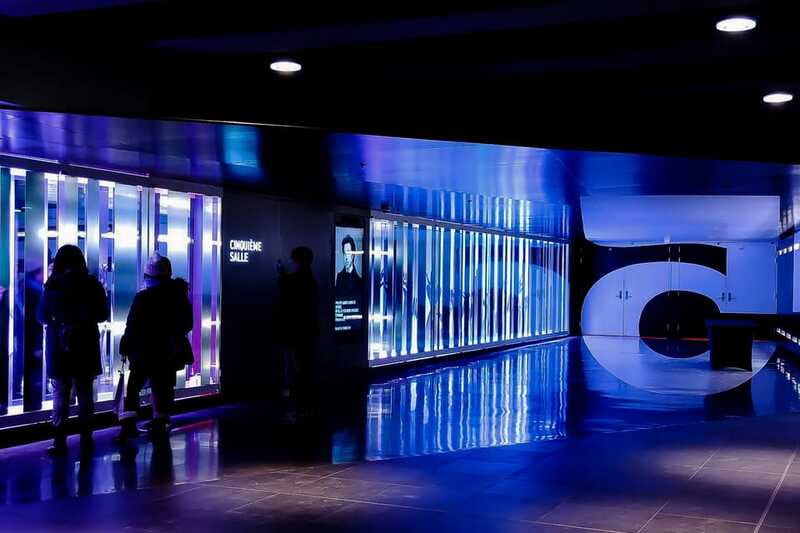
The guide takes you through selected parts of the network rather than trying to cover everything. You might pass through connected buildings, shopping areas, public spaces, Metro links, and architectural features that are easy to miss when you are rushing somewhere.
The most useful part is learning how to read the signs and connections. You get an introduction to the way Metro stations integrate with the RESO, which can help you later when you need to move around downtown without returning to street level.
This is especially handy in winter. The network can let you reach shops, restaurants, hotels, offices, and stations while avoiding some of the wind and snow outside. It is also practical during rain or intense summer heat.
Still, set your expectations correctly. This is not a tour of every section, and you will not walk the entire network. The point is to see representative and interesting areas, then leave with enough understanding to explore more on your own.
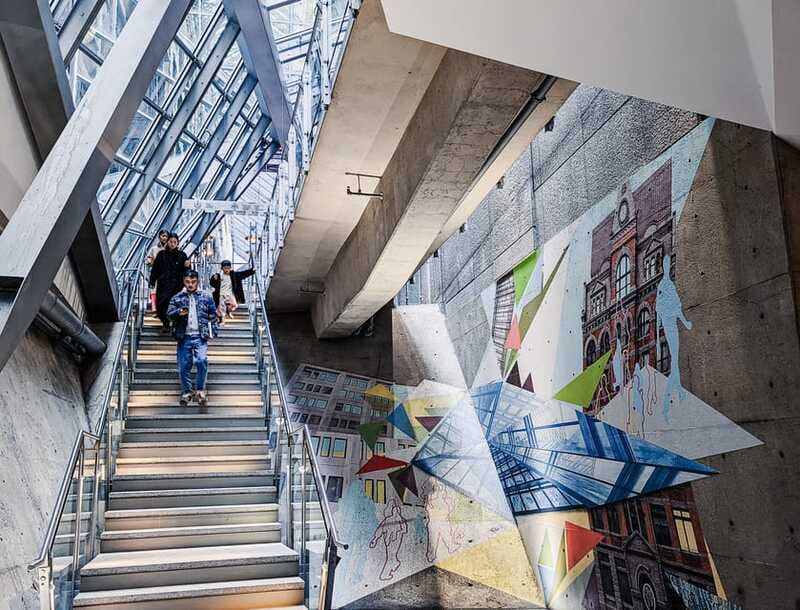
The route includes staircases, mostly going down, along with escalators and some sloped sections. One person described the walking as manageable but noted a steep slope. If you have trouble with stairs or long walks, this may not be a comfortable choice.
A few more cave trips around the world worth a look
- Chichen Itza, Cenote, and Valladolid Tour
★ 5.0 · 24,293 reviews - Naples: Naples Underground Entry Ticket and Guided Tour
★ 4.4 · 21,781 reviews - Chichen Itza, Cenote & Valladolid Tour with Tequila and Lunch
★ 4.5 · 15,789 reviews - Colosseum: Underground and Ancient Rome Tour
★ 4.7 · 12,691 reviews
Public art, architecture, and the stories between buildings
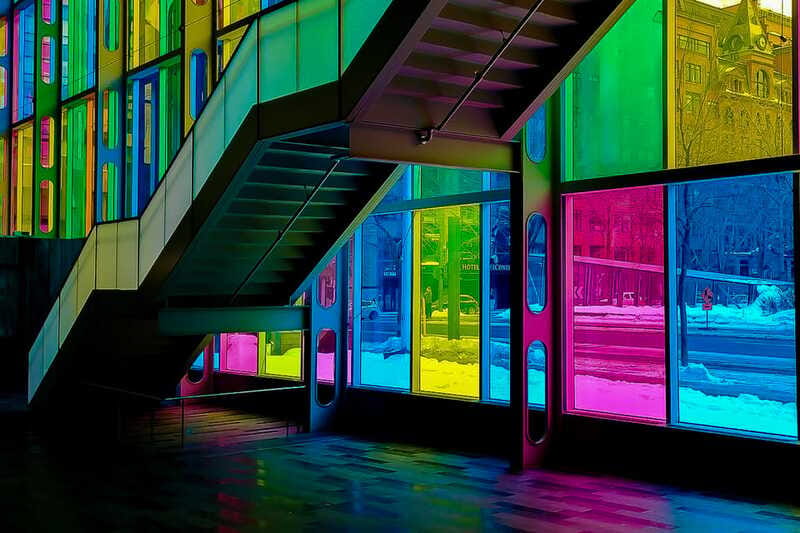
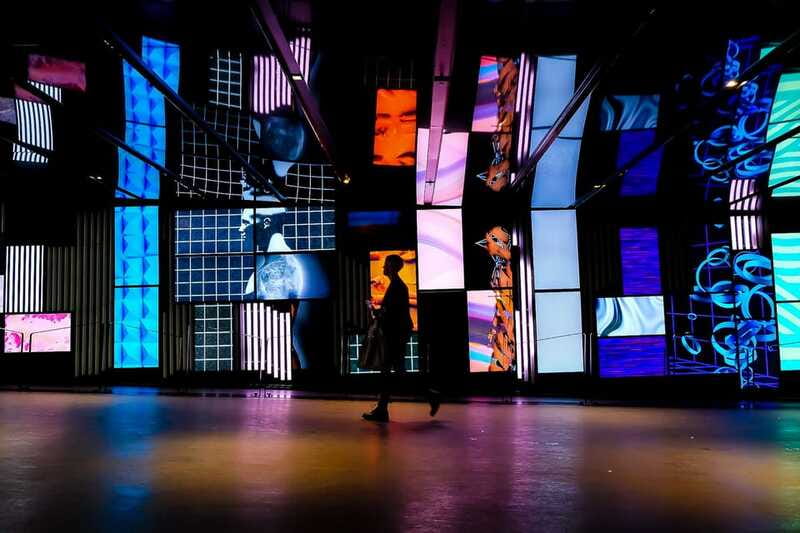
The RESO is often described through its shops and connections, but the tour also focuses on public art, hidden architecture, and unusual spaces. These details give the network more character than a simple underground passage from one mall to another.
Your guide explains the network’s development through events such as Expo 67 and through changes in urban design. That context helps you see why Montreal invested in indoor connections and how the system became part of daily life.
The architectural focus is another strength. You may notice how buildings meet, how entrances are arranged, and how indoor spaces guide people through downtown. Without explanation, many of these features can look like ordinary commercial design. With a guide, they become clues to how the city works.
The route also touches on Montreal’s past, present, and future. The best guides make those subjects feel connected rather than presenting a list of dates. Martin has been praised for explaining the system clearly and answering extra questions, while Catherine and Elise have been noted for combining information with a warm, approachable style.
Guide assignments can vary, so you cannot choose a particular person when booking. Names that have received especially strong praise include Martin, Isabelle, Catherine, Elise, Amelie, Gabriella, and Caroline. The repeated pattern is clear: people value guides who are friendly, organized, patient, and able to turn city facts into useful advice.
Why the small group improves the experience
A small group changes the pace and feel of this walk. In a crowded tour, you might spend the entire time trying to hear directions in a station or keeping up around corners. With up to 10 people, the guide can usually maintain contact with everyone more easily.
It also makes questions more practical. You can ask where to find lunch, how to use a particular Metro connection, or which downtown area deserves more of your time. Several guides have also been praised for giving restaurant, bar, café, and sightseeing suggestions at the end.
The two-hour length is well judged for the subject. It is long enough to explain the RESO and downtown connections, but short enough to leave you with time for lunch or another activity. You cover roughly three miles, so it is still an active walk rather than a casual stroll.
One small tradeoff is that the schedule may feel brisk if you want to photograph every detail. One participant wished for a little more time at some stops. That is a fair point: the tour aims to teach you how the network works, not provide unlimited time for photography.
The printed local tips are more useful than they sound
At the end, you receive a printed list of recommended places to eat, drink, explore, and experience Montreal like a local. This is a modest extra, but it adds value because you can refer to it after the tour instead of trying to remember a long list of names.
The recommendations are particularly useful if you have only a few days in the city. You can use the sheet to choose lunch near the RESO, find a café, or plan a later outing. One participant specifically followed a suggestion to eat at the Time Out food court in the RESO.
I would keep the list with your map or phone during the rest of your stay. A walking tour is most useful when it changes what you do afterward, and this handout helps turn the tour into a practical starting point for exploring downtown.
Is $30 a fair price?
At $30 per person, the tour offers solid value if you want orientation, local context, and help navigating the RESO. You are paying for a licensed guide, two hours of walking, a small group, access to selected underground sections, outdoor downtown sights, and a printed recommendation list.
The price makes less sense if you only want to wander through shops. You can enter parts of the RESO without a tour, but the network is spread across many buildings and levels. The guide’s value is in explaining connections, pointing out details you might miss, and showing you how to use the system with more confidence afterward.
I think the best time to book is near the start of your Montreal stay. Several participants found the navigation advice useful for the rest of their visit, and the restaurant suggestions can help you make quick plans. It also gives you a clearer sense of downtown before you explore independently.
Who should take this tour?
This tour suits first-time visitors who want a practical introduction to central Montreal. It is also a strong choice for architecture fans, urban-design enthusiasts, and anyone curious about how a major city works below street level.
It works particularly well in winter, on a rainy day, or during a heat wave. The indoor sections offer shelter, but you should not mistake the tour for a fully indoor activity. You will still walk outside, so check the forecast and dress sensibly.
The minimum age is 12, and every participant needs a paid ticket. The tour requires moderate physical fitness and is not recommended for wheelchair users, people with mobility impairments, visually impaired people, or those with serious medical conditions or impairments.
The tour is conducted in English. If you need a different language, this experience will not meet that need.
Practical details before you reserve
Plan on two hours and approximately three miles of walking. Wear comfortable shoes and be ready for stairs, escalators, slopes, and changes between indoor and outdoor conditions.
The meeting point is outside Humble Lion café at 1204 McGill College Avenue. Arrive early because latecomers are not held for.
Cancellation is free up to 24 hours before the tour for a full refund. You can also reserve and pay later, which helps if your Montreal plans are still shifting.
Should you book the RESO and downtown walk?
Book it if you want more than a shopping-center stroll and would like to understand how Montreal’s underground network actually works. The licensed guides, small group, practical navigation advice, public art, architecture, and outdoor landmarks give the experience a useful balance.
Skip it if stairs and three miles of walking would be difficult, or if you prefer to explore at your own pace without a set route. For most first-time visitors, especially those visiting in difficult weather, $30 is a reasonable price for two hours of clear orientation and local advice.
FAQ
How long is the Montreal RESO and downtown walking tour?
The tour lasts two hours and covers approximately three miles of walking.
How much does the tour cost?
The listed price is $30 per person.
Is the tour entirely underground?
No. The route combines selected sections of the RESO with outdoor landmarks in downtown Montreal. Dress for the weather.
How large is the tour group?
The small-group tour is limited to 10 participants.
What language is the tour conducted in?
The live tour guide leads the experience in English.
Where does the tour meet?
Meet on the sidewalk outside Humble Lion café at 1204 McGill College Avenue, between Sainte-Catherine Street and Cathcart Street.
Is the tour suitable for people with mobility limitations?
The route includes staircases, mostly going down, escalators, slopes, and about three miles of walking. It is not recommended for wheelchair users, people with mobility impairments, visually impaired people, or those with serious medical conditions or impairments.
Just added around the world
- From Geysir: Snowmobiling & Ice Cave on Langjökull Glacier★ 4.4 · 100 reviews
- From Faro: Boat trip to Benagil Cave & Praia da Marinha★ 4.7 · 256 reviews
- From Faro: Benagil Cave and Seven Hanging Valleys Trail Tour★ 5.0 · 584 reviews
- From Geneva: Chamonix, Mont Blanc & Ice Cave Guided Day Tour★ 4.8 · 572 reviews
- From Durres: Speed Boat to Sazan Island, Cave & Karaburun★ 4.9 · 147 reviews
- From Durrës/Golem: Sazan & Ali Cave & Karaburun Boat Tour★ 4.6 · 35 reviews
- From Faliraki : Speedboat tour kalithea caves&antony kouin★ 5.0 · 25 reviews
- From Chiang Mai: Chiang Dao Cave Trekking Full-Day Tour★ 4.8 · 126 reviews
Catacombs & Underground City Tours, compared.
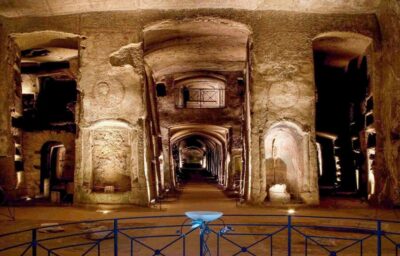
Catacombs of San Gennaro Entry Ticket & Guided Tour
Read our review →
Capuchin Crypts and Catacombs Tour with Transfers
Read our review →
The Original Roman Crypts and Catacombs Tour with Transfers
Read our review →
Catacombs of St. Callixtus Entry Ticket & Guided Tour
Read our review →

Full Day Cappadocia Tour( Red Tour + Underground City )
Read our review →

Rome EBike Tour: Appian Way, Catacombs & Roman Aqueducts
Read our review →Browse the lists this cave appears in