
Review · MUSEUMS
Sacromonte Caves Museum Admission Ticket
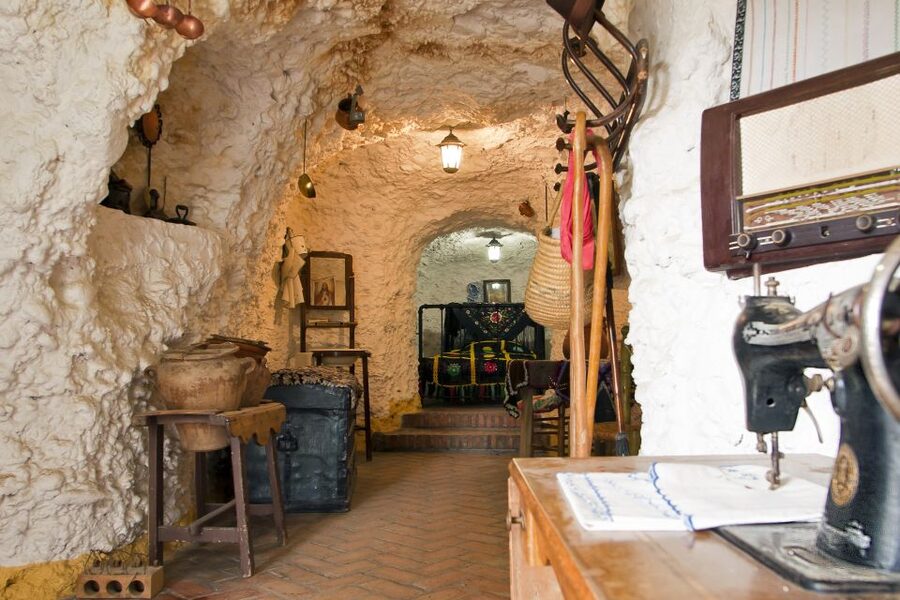
Granada has more than palaces. The Sacromonte Caves Museum gives you a close look at the hillside homes once used by families in this distinctive district. Inside 11 reconstructed caves, you’ll see kitchens, stables, tools, furniture, craft displays, and rooms arranged to show how daily life worked underground. I especially like the clear focus on ordinary people and the excellent views across the Rio Darro Valley to the Alhambra.
The museum also explains Sacromonte’s connection with flamenco, basketry, ceramics, and weaving, so this is more than a quick photo stop. The main drawback is the approach: the museum sits high on the hill, and reaching it involves steep steps or an uphill walk. In summer heat, that climb can be tiring.
The visit is usually 30 to 60 minutes, though I’d allow up to 90 minutes if you watch the films and read the displays carefully. At about $7 per person, it is one of Granada’s better-value small attractions.
Key Points Before You Go
- Eleven cave houses: See reconstructed kitchens, stables, bedrooms, work areas, and traditional household objects.
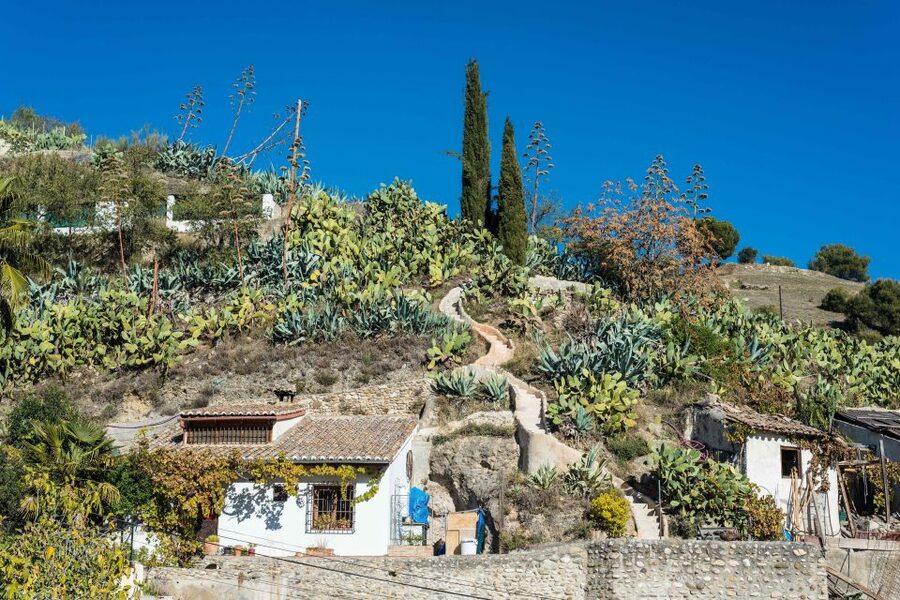
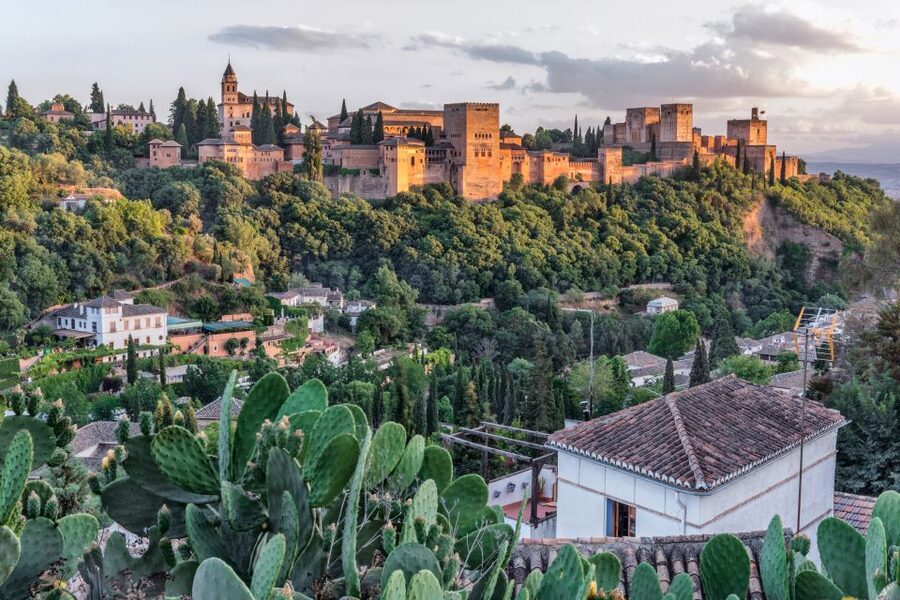
- A different view of Granada: The outdoor garden offers an unusual angle on the Alhambra, Albaicín, city, and Rio Darro Valley.
- More than domestic life: Displays cover flamenco, Gitano culture, local crafts, geology, plants, and cave environments around the world.
- Plan for the climb: The museum is reached by steep steps and an uphill route, so wear comfortable shoes and take water in warm weather.
- Short but worthwhile visit: Most people need 30 to 60 minutes, with longer visits possible if you watch the films.
- Easy bus access: Take the C2 bus from Plaza Nueva and get off at Sacromonte, then follow the signs uphill.
Why Sacromonte’s Cave Homes Matter
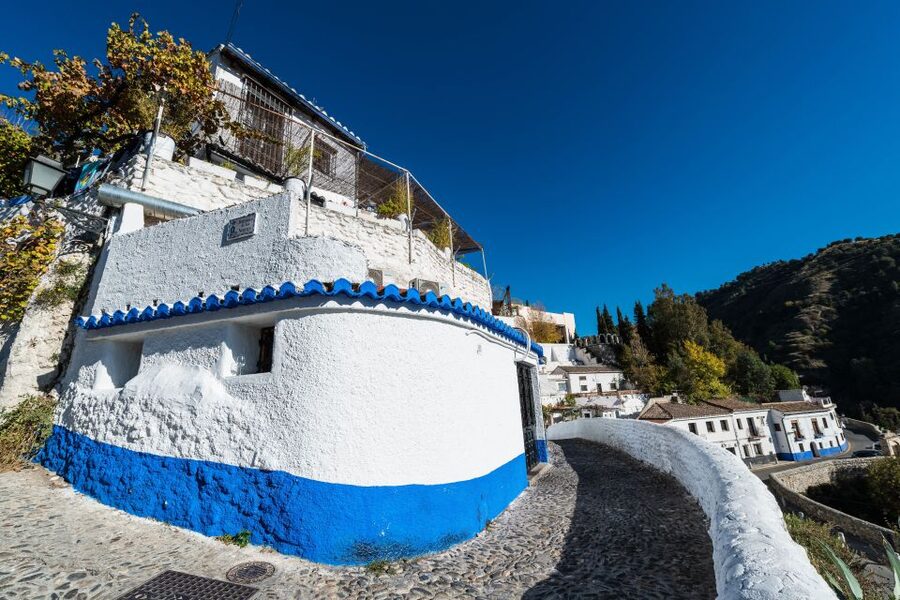
Sacromonte is one of Granada’s most unusual districts. Its whitewashed cave homes are cut into the hillside, where the earth itself forms walls and ceilings. The museum helps you understand that these were not just curious shelters or picturesque backdrops. They were working homes, with kitchens, storage areas, stables, and spaces for family life.
That practical point is the heart of the visit. You are not simply looking into an empty hole in the rock. The rooms are furnished and arranged to show how residents used each space. Tools, household items, and traditional objects make the displays easier to picture.
The museum also places cave living within Sacromonte’s wider culture. You learn about the people who lived in the district, including the Gitano community and its important connection with flamenco. The displays explain how work, music, family life, and the physical setting shaped one another.
I like this approach because it gives you something that the grand monuments of Granada cannot. The Alhambra shows royal power and refined court life. Sacromonte shows how ordinary people made a home from the hillside and built a community around it.
More Museum Visits around Spain:
- Granada: Albaicín, Sacromonte & Museum of Caves Walking Tour
★ 4.9 · 244 reviews - Krakow: Rynek Underground Museum Guided Tour
★ 4.6 · 1,122 reviews - Coba Multun-Ha Cenote Tulum and Mayan Museum Small Group
★ 4.5 · 773 reviews
Reaching the Museum from Plaza Nueva
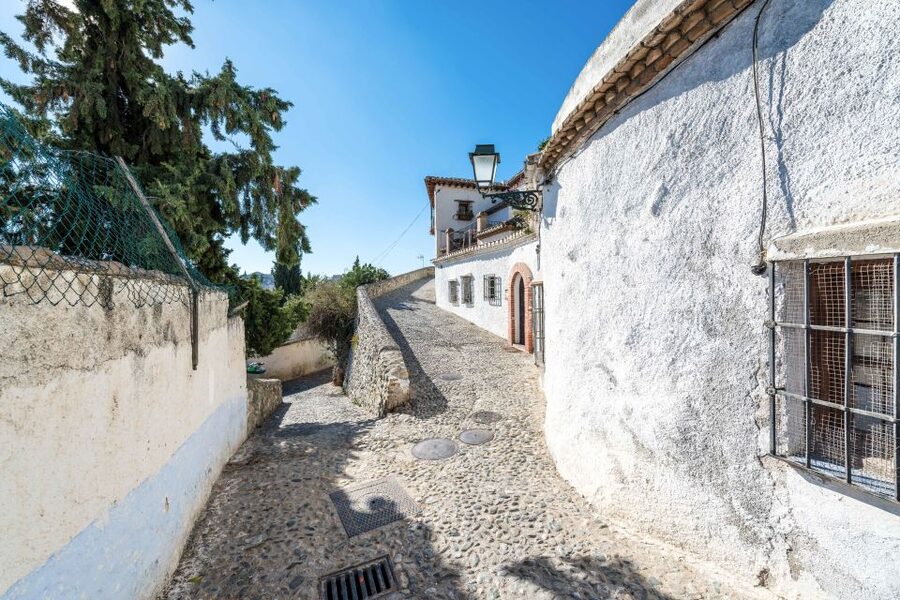
The simplest public transport option is the C2 bus from Plaza Nueva. Get off at Sacromonte, look for the museum signs, and continue uphill toward Barranco de los Negros, where the museum is located.
The route is manageable for many people, but do not treat it as a flat walk. Several visitors describe the final approach as steep, with steps leading up to the entrance. One useful way to plan the outing is to combine the museum with a slow walk through Sacromonte rather than rushing up and back.
You might also walk from the central part of Granada, but this takes more effort. The climb can be pleasant in cooler weather, and the route gives you time to notice the hillside setting. In strong summer sun, especially during very hot weather, the uphill walk becomes a real part of the day.
I would use the C2 bus if you want to save energy, then walk back down through the district. That leaves you fresh enough to explore the cave bars, viewpoints, and streets nearby. A taxi back to central Granada is another practical option after the visit.
Access by private vehicle is limited during hours set by local municipal regulations. If you are driving, check current rules with Granada’s Town Hall rather than assuming you can reach the entrance by car.
Entering the 11 Recreated Cave Dwellings
The museum’s main section consists of 11 separate caves. Each one presents a different part of cave life, and the arrangement allows you to walk through at your own pace.
The kitchens are especially useful because they show how the cave homes functioned as working households. Stables and storage areas add another layer, reminding you that the caves were tied to practical work, not just sleeping quarters.
Furniture, tools, and domestic objects help fill in the picture. These small details matter because cave homes can otherwise seem abstract. Once you see how cooking, storage, work, and family life fitted into the available space, the hillside begins to feel like a lived-in neighborhood rather than a set of isolated rooms.
Some displays focus on trades and crafts. Basketry, ceramics, and weaving show the skills connected with the district and give the museum a strong human scale. You can spend little time here and still understand the basic story, but careful reading rewards you with a fuller sense of how people worked and lived.
The caves are presented as a museum, not as untouched homes. That distinction is important. You are seeing reconstructed and traditionally furnished interiors, designed to explain the past. The benefit is clarity. The limitation is that the displays cannot reproduce every part of daily life in a real family home.
Flamenco, Gitano Culture, and Local Identity
Sacromonte is closely linked with flamenco, and the museum gives that subject proper space. Films and newsreel footage help explain the district’s musical traditions and the people who shaped them.
The video material can extend your visit. You could walk through the caves in half an hour, but if you stop to watch the films and read the information, the museum becomes a longer and more thoughtful experience. This is one reason I would not plan the visit too tightly between major Granada sights.
The displays also discuss the Gitano community and the changing life of cave residents. Information presented at the museum refers to people living in the caves into the 20th century, with one account noting cave life continuing until 1963. That gives the subject a much more recent feel than you might expect.
This is not a flamenco performance, so do not arrive expecting a live show. Instead, you get background that can make a later flamenco performance in Granada more meaningful. The museum explains the setting and traditions, while a performance gives you the music and movement.
More Entry Tickets around Spain:
- Porto Cristo: Caves of Hams Entry Ticket
★ 4.2 · 6,548 reviews - From Valencia: Caves of San José Guided Excursion and Ticket
★ 4.6 · 1,717 reviews - Nerja: Caves of Nerja Entry Ticket with Audio Guide
★ 4.6 · 1,616 reviews - Mallorca: Dinosaurland and Caves of Hams Combined Ticket
★ 4.5 · 1,167 reviews
The Outdoor Garden and Alhambra View
After the enclosed caves, step outside into the museum’s garden. Here, the focus shifts to plants, geology, and the natural setting of Sacromonte.
The garden is a welcome change after the darker interiors. It helps explain why the caves were possible in this part of Granada and how the hillside shaped the district. Displays also place Sacromonte’s cave homes within the wider subject of cave environments around the world.
The main reward is the view. From the hillside, you can look across the Rio Darro Valley toward the Alhambra, with the city and Albaicín also visible. This is not the standard postcard angle from the usual city viewpoints. The view shows a strong contrast between the cave district and the grand palace and fortress complex opposite it.
Give yourself time here. The views are one of the most praised parts of the visit, and the garden provides a natural pause before you leave. If you are looking for a good photo of the Alhambra from a less familiar position, this is one of the museum’s best features.
The garden also has a shaded area, and toilets are available. Those facilities are useful after the climb, especially in hot weather. They do not turn the museum into a full-day attraction, but they make the short visit more comfortable.
How Long the Visit Takes
The advertised experience is valid for one day, but the museum itself is compact. Most people can see the caves in 30 to 45 minutes. Allow about an hour if you want to read the panels and stop at the films.
I would allow 60 to 90 minutes if you are interested in flamenco, local crafts, geology, and the outdoor garden. The museum is self-guided, so you are free to move quickly or linger. There is no fixed tour group pushing you from room to room.
The best timing depends on your Granada plans. A morning visit can be quiet, and the cooler air makes the uphill approach easier. Late afternoon may give you softer light for the Alhambra view, but check the closing time carefully.
Last admission is 20 minutes before closing. The listed last admission times are 5:40 p.m. in fall and winter, and 7:40 p.m. in spring and summer. Opening schedules can change, so check availability for the date you want.
Is the $7 Ticket Good Value?
At around $7 per person, the museum offers strong value. You get access to 11 cave dwellings, cultural and historical displays, craft information, films, an outdoor garden, and a memorable Alhambra viewpoint.
The museum is small, so you should not compare it with a large national museum or expect several hours of exhibits. Its value comes from the quality and variety of what is packed into a short visit. You see a type of home that is difficult to understand from the outside, then connect it with local culture and the natural setting.
The admission also works well as part of a larger Sacromonte outing. You can take the C2 bus up, visit the museum, walk through the district, stop for a drink, and return to Granada by taxi or on foot. That makes the ticket the anchor for a half-day experience rather than an isolated 30-minute stop.
A skip-the-ticket-line option is included, which can save a little time. Food and drinks are not included, but that is not a serious issue because the museum is short and the surrounding district offers places to stop.
Who Should Visit, and Who Should Think Twice?
I recommend this museum to anyone who wants a side of Granada beyond the Alhambra. It suits history fans, families, photographers, and anyone curious about homes built into the earth.
Children can enjoy the unusual rooms and the feeling of exploring a cave. Older children may get more from the displays about crafts, flamenco, and local communities. The visit is also a good choice after a busy morning at the Alhambra because it is quieter and less formal.
You should think carefully if steep steps are difficult for you. The climb is a key practical issue, and the museum may not suit anyone who cannot manage the uphill route. The available information also notes that the walk is not suitable for some disabled visitors. Check current access details before booking.
Hot weather is another concern. One visitor described reaching the museum in 39-degree Celsius heat, where the climb was exhausting. Go early, use the C2 bus, carry water, and take breaks.
Practical Booking Details
The museum is at Barranco de los Negros, s/n, 18010 Granada. Admission is for one day, and you can check available starting times when booking.
Cancellation is free up to 24 hours before the visit for a full refund. You can also reserve and pay later, which helps if your Granada plans depend on the weather or on securing an Alhambra entry time.
The admission ticket covers the museum only. Meals and drinks are not included. Plan your café or restaurant stop separately, either in Sacromonte or after returning toward central Granada.
The attraction has a 4.6 rating from 502 ratings, which fits the experience well. The strongest points are the views, the unusually low price, and the clear presentation of cave life. The main caution is equally consistent: the museum is small, and the climb can be hard in heat.
Should You Book the Sacromonte Caves Museum?
Yes, if you have at least an hour and want to understand Granada beyond its royal monuments. The museum gives you a close look at cave homes, local crafts, flamenco culture, and the daily life of a hillside community. The Alhambra view alone makes the climb worthwhile for many people.
I would book it as part of a Sacromonte outing, not as a stand-alone destination requiring half a day inside the museum. Take the C2 bus up, wear comfortable shoes, visit the caves, enjoy the garden and view, then explore the district on foot.
Skip it only if steep steps are a serious problem, your schedule is already packed, or you want a large museum with hours of galleries. For most visitors who can manage the hill, the combination of human stories, unusual interiors, and a fresh view of the Alhambra makes this $7 ticket an easy choice.
FAQ
Where is the Sacromonte Caves Museum?
The museum is at Barranco de los Negros, s/n, 18010 Granada, in the Sacromonte district of Andalusia, Spain.
How do I reach the museum by bus?
Take the C2 bus from Plaza Nueva and get off at Sacromonte. From there, follow the museum signs uphill.
How many caves can I visit?
The museum includes 11 separate caves with reconstructed and traditionally furnished cave homes.
How long does the visit take?
Most people need about 30 to 60 minutes. You may want up to 90 minutes if you watch the films and read the displays carefully.
What can I see inside the cave homes?
You can see kitchens, stables, furniture, tools, and displays about traditional trades such as basketry, ceramics, and weaving.
Does the museum have views of the Alhambra?
Yes. The outdoor garden has views of the Alhambra, Granada, the Albaicín, and the Rio Darro Valley.
Is the museum suitable for visitors with limited mobility?
The approach includes steep steps and an uphill route, and the information provided notes that the walk is not suitable for some disabled visitors. Check current access details before booking.
Just added around Spain
- Nerja Caves, Tropical Coast Day Trip From Granada with Opt Lunch★ 4.5 · 50 reviews
- Flamenco Show in the Caves of Sacromonte★ 4.5 · 26 reviews
- Kayaking Adventure Route with Snorkeling in Mogan Caves★ 5.0 · 316 reviews
- e-Bike Mountain Tour inside a Natural Park+option Tapas in a Cave★ 5.0 · 26 reviews
- Kayak & Snorkeling Tour in Caves in Mogan★ 4.5 · 153 reviews
- Barranco de las Vacas, caves & village by Sky Rebels local guides★ 5.0 · 103 reviews
- Climbing + Zipline + Via Ferrata + Cave. Adventure route in Gran Canaria★ 5.0 · 149 reviews
- Explore Cap Norfeu and the Secret Cave: An Underwater World★ 4.5 · 118 reviews
Museums, compared.

Coba Multun-Ha Cenote Tulum and Mayan Museum Small Group
Read our review →
London: Postal Museum Entry Ticket and Underground Rail Ride
Read our review →
Rila Monastery and Optional Museum, Cave or Spa
Read our review →
Beatenberg: Beatus Caves Entry Ticket with Museum
Read our review →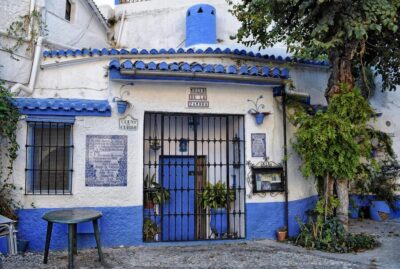
Albaicín, Sacromonte & Museum of Caves Walking Tour
Read our review →
Cave Museum Village Troglodyte of Rochemenier Admission Ticket
Read our review →
Rynek Underground Museum Skip-the-line Guided Tour
Read our review →Browse the lists this cave appears in