
Review · MUSEUMS
Cave Museum Village Troglodyte of Rochemenier Admission Ticket
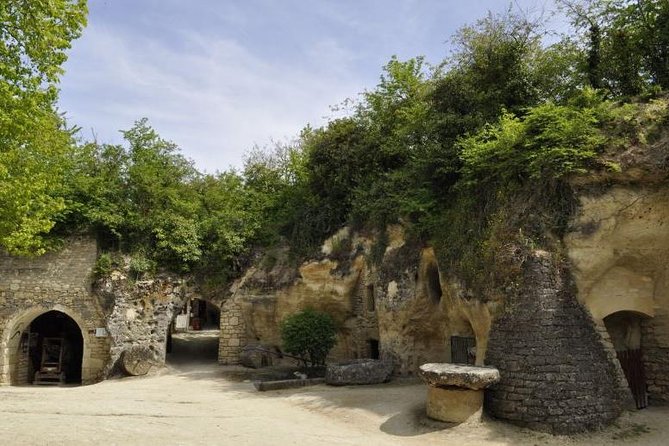
France has villages below ground. Rochemenier turns that surprise into a clear, hands-on look at rural life, with underground farms, household furniture, old tools, and photographs from the people who once lived here. The site is especially good for independent sightseers who prefer to move at their own pace.
I like the low admission price of $10.26 and the way the museum preserves ordinary working life instead of focusing only on grand buildings. I also like the practical format: you receive an explanatory leaflet available in 18 languages, so you can understand the site even without an English-speaking guide.
The main drawback is simple: guided visits are in French only. You can visit independently in English with the leaflet, but anyone hoping for a detailed English-language tour should know that option is not included.
Key points about Rochemenier
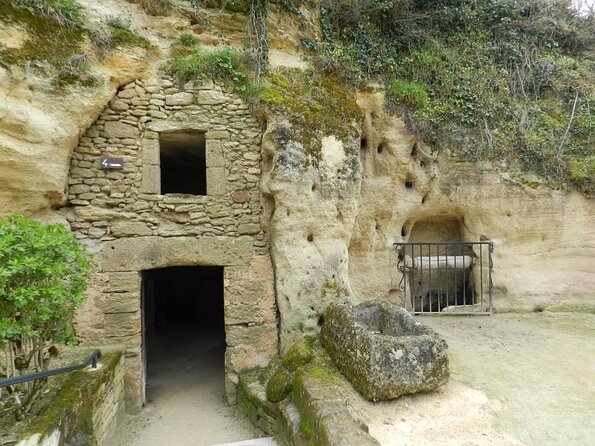
- 250 underground rooms were cut into the rock and spread across roughly 40 farms.
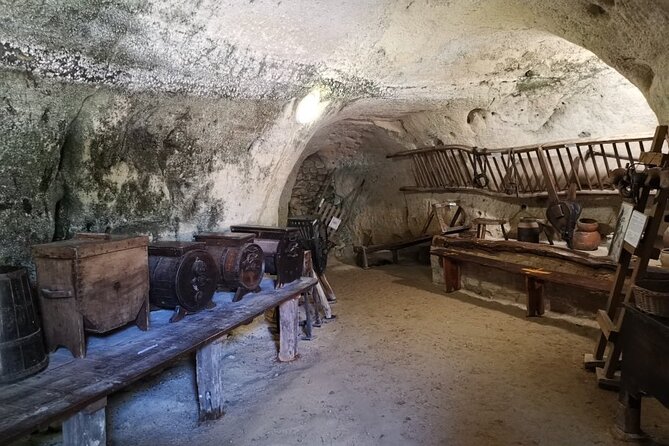
- Two abandoned farms form the main public museum area, with furniture, tools, and photographs.
- The oldest known habitation dates from the 13th century, while the village continued expanding into the 19th century.
- Underground temperatures stay fresh, so bring a sweater even on a warm day.
- A self-guided visit usually takes one to three hours, depending on how carefully you study the displays.
- The site is family-friendly and stroller-accessible, except for the underground chapel.
Why this underground village matters
Rochemenier is not a castle tour or a polished historic center. It shows how people solved basic problems with the materials available around them. Homes and farm buildings were cut directly into sandstone, creating rooms protected from the worst heat and cold above ground.
The village contains about 250 underground rooms, arranged among roughly 40 farms. That scale gives you a better sense of the place than a single reconstructed dwelling could. Rochemenier was a working settlement, not merely an unusual building project.
The oldest habitation apparently dates from the 13th century. As the population grew, residents added more rooms and extended the underground farms. Expansion continued until the 19th century, leaving a settlement shaped by many generations rather than one carefully planned design.
I find that detail important because it changes how you read the site. You are not simply looking at caves. You are looking at homes, farm spaces, storage areas, and other rooms altered over centuries to meet daily needs.
More Museum Visits around France:
- Krakow: Rynek Underground Museum Guided Tour
★ 4.6 · 1,122 reviews - Coba Multun-Ha Cenote Tulum and Mayan Museum Small Group
★ 4.5 · 773 reviews - Sacromonte Caves Museum Admission Ticket
★ 4.6 · 502 reviews
Entering the two preserved farms
The public museum focuses on two farms abandoned around the beginning of the 20th century. They opened to the public in 1967, giving you a chance to see spaces that retain a strong link with their last inhabitants.
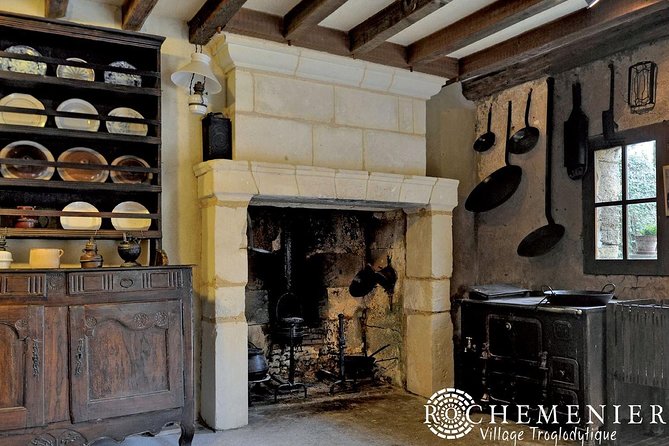
The rooms contain furniture, tools, and photographs. These objects help turn bare excavated rooms into human spaces. A tool can show the work required to maintain a farm. A piece of furniture can suggest how a room was used. A photograph can connect the underground setting with the actual families who lived there.
The exhibits are described as immaculately presented, and that matters in a museum built inside irregular spaces. Good presentation helps you focus on the story instead of wondering what you are meant to notice.
You should allow time to examine the objects rather than rushing from room to room. The ticket is inexpensive, but the experience rewards patience. If you spend only a few minutes underground, you will see the novelty. If you spend closer to two or three hours, you will have more time to understand how the farms functioned.
What the sandstone reveals
The rock itself is part of the story. Rochemenier’s dwellings were excavated from sandstone containing sea shells. The material is a type of calcareous sand, linking the village to an older geological past.
Farmers also used this rock to neutralize soil acidity. That small fact gives the site a useful connection between geology and agriculture. The stone was not only something to cut into for shelter. It could also be used to improve the ground on which crops were grown.
You will see how local materials shaped practical choices. Instead of importing building materials or constructing every room above ground, residents worked with the sandstone beneath them. The result is a village that feels closely tied to its setting.
The museum does not need elaborate technology to make this point. The rooms, tools, photographs, and explanatory leaflet do most of the work. I appreciate that direct approach because it keeps the focus on the people and their routines.
A self-guided visit with an English leaflet
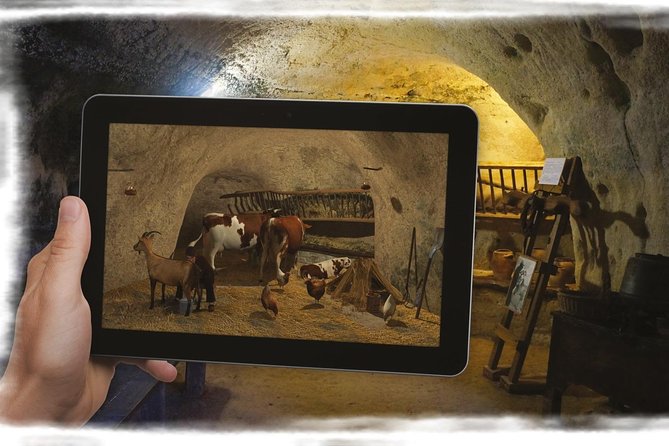
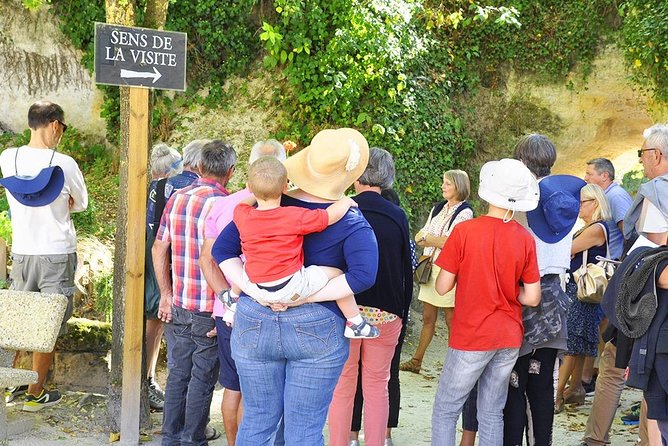
The normal format is self-guided. You receive an explanatory leaflet in 18 languages, making the visit accessible to international audiences, including English speakers.
This arrangement suits you if you like to pause where you want, read at your own speed, and spend extra time with objects that catch your attention. It also works well for families, since adults can follow the historical information while children look around the unusual rooms.
The trade-off is that a leaflet cannot answer questions or add personal stories in the way a guide can. Guided visits are offered at specific times, but they are in French only. If you understand French, that may add useful context. If you do not, plan on the independent visit and treat the leaflet as your main source of information.
The experience is offered in English through the written material, not through an English-language guide. That distinction is worth checking before you book, especially if guided interpretation is important to you.
More Entry Tickets around France:
- Paris: Catacombs Ticket and Seine River Cruise
★ 4.1 · 853 reviews - Lascaux IV: Full Replica Cave Experience Ticket
★ 4.5 · 334 reviews - CAVES of CERDON and Prehistoric Leisure Park – Entrance ticket
★ 4.5 · 76 reviews - Marseille: Cosquer Cave Ticket & Panier District Audio Tour
★ 4.4 · 17 reviews
How long to spend underground
The suggested visit lasts about one to three hours. Your timing depends on how closely you examine the museum and whether you read all the explanatory material.
An hour can work if you are combining Rochemenier with other sightseeing and mainly want to see the underground farms. I would allow closer to two hours for a comfortable visit. Three hours makes sense if you enjoy reading displays, studying the photographs, and taking your time through the rooms.
The museum’s compact admission price makes it easy to fit into a wider day without committing to a full-day activity. You do not need to rush through a large guided program. You can visit, learn the main story, and leave when you feel finished.
Opening times change by season:
- From 02/01/2026 to 04/15/2026, the site is open Tuesday through Sunday from 10:00 a.m. to 5:00 p.m.
- From 04/16/2026 to 09/15/2026, it is open daily from 9:30 a.m. to 5:30 p.m.
- From 09/16/2026 to 11/20/2026, it is open Tuesday through Sunday from 10:00 a.m. to 5:00 p.m.
Because the dates are seasonal, check the hours for your chosen day before setting out. The listed schedule also means Monday access is available only during the middle season.
The cool underground temperature
Bring a sweater. Even if the weather above ground is warm, the caves have an underground freshness that you will notice during the visit.
This is a small detail, but it can affect your comfort. You may be walking slowly, stopping to read, and spending a good stretch of time in the excavated rooms. A light layer is more useful than assuming summer weather will follow you underground.
The cool temperature is also part of the appeal. It helps you understand why underground rooms could serve as practical living and working spaces. Rochemenier is not just unusual because the rooms are below ground. The environment itself explains some of their usefulness.
A good choice for families and mixed-age groups
The museum is suitable for people of all ages, and most people can participate. Strollers can access the site, with one exception: the underground chapel is not accessible to strollers.
That makes Rochemenier easier for families than many historic sites built into rough or narrow spaces. Still, you should keep the chapel limitation in mind if you are visiting with a stroller and want to see every part of the museum.
Service animals are allowed. The maximum group size is 15 people, which helps keep the visit from feeling crowded or difficult to follow. Since the tour is self-guided, you can also spread out naturally and let each person take the amount of time they need.
I would especially recommend the site for families who want history in a physical setting. Children can see the rooms and tools directly rather than relying only on dates and written explanations. Adults get the wider story of rural traditions, farming, and changing village life.
What the price gives you
At $10.26 per person, the admission offers strong value if you are interested in local history or unusual architecture. The ticket includes access to the Cave Museum and the self-guided visit, including the explanatory leaflet.
You are paying for a focused museum experience rather than a long escorted excursion. There is no food or drink included, and transportation is not part of the admission. That keeps the price low, but you need to arrange those parts of the day yourself.
The value is strongest when you see Rochemenier as a thoughtful stop within a larger trip. You can spend one to three hours learning about a distinctive form of rural housing without paying for a full-day program.
The price is less compelling if you want a guide to explain every room in English. Since English guiding is not included, visitors who need spoken interpretation may feel the ticket provides less than expected. For independent sightseers, though, the low cost and multilingual leaflet make the visit an easy choice.
What the museum does especially well
The strongest part of Rochemenier is its presentation. The museum is described as very interesting, informative, and immaculately maintained. Those qualities matter because underground historic sites can sometimes feel empty or hard to interpret.
Here, the furniture, tools, and photographs give the spaces a clear human purpose. You are not left with only a curious collection of chambers. The objects help explain how the last inhabitants lived and worked.
I also like that the museum focuses on rural traditions and ordinary French history. Many historic attractions highlight royalty, war, or famous figures. Rochemenier gives you a quieter story about farmers, families, materials, and gradual change.
That makes the visit a useful counterpoint to major monuments. You see how people lived outside the grand centers of power, using local stone and adapting their homes as the community grew.
Limits you should know before booking
The biggest limitation is the lack of an English guided visit. The leaflet is available in English, but the scheduled guided tour is French only. If you need a spoken explanation, this is not the ideal format.
You should also expect an authentic historic site rather than a modern entertainment attraction. The appeal comes from the underground rooms and preserved objects. If you prefer interactive displays, performances, or a tightly narrated tour, you may find the experience quiet.
The museum does not include food or drinks, so plan those separately. The supplied information does not indicate that refreshments are part of the visit.
Finally, check the opening day for your date. During the first and final listed seasons, the museum is closed Mondays. Seasonal hours also shift, so planning ahead avoids an unnecessary detour.
Who should book Rochemenier?
I would recommend this experience if you enjoy:
- Rural history and traditional ways of life
- Historic homes, farms, and unusual architecture
- Self-guided museums
- Short cultural stops with a modest admission price
- Family activities suitable for several age groups
- Learning through real objects and preserved spaces
It is also a good fit if you are already exploring France and want something different from a cathedral, palace, or art museum. The underground setting gives the visit a clear identity.
I would hesitate if you require an English-speaking guide, want food included, or prefer a highly structured tour. You can still use the English leaflet, but you will need to guide yourself through the museum.
Should you book the Cave Museum Village Troglodyte of Rochemenier?
Yes, if the idea of walking through old underground farms appeals to you. For $10.26, Rochemenier offers a rare look at how rural families used sandstone, adapted rooms for a growing population, and maintained daily life below ground.
Book it for the authentic objects, careful presentation, and unusual setting, not for a long guided program. Bring a sweater, allow about two hours if you want to read and look closely, and confirm the opening hours for your date.
Free cancellation is available if you cancel at least 24 hours before the start time. Changes or cancellations made less than 24 hours ahead are not accepted, and the local-time cutoff applies.
FAQ
Is the Rochemenier Cave Museum visit guided?
The standard visit is self-guided. A guided visit is available at a specific time, but it is offered in French only.
Is an English-language option available?
Yes. An explanatory leaflet is available in 18 languages, including English. An English-speaking guide is not included.
How long does a visit to Rochemenier take?
The visit takes approximately one to three hours, depending on how much time you spend reading the information and examining the exhibits.
What does the admission ticket include?
The ticket includes admission to the Cave Museum and the self-guided visit with an explanatory leaflet.
Is food or drink included?
No. Food and drinks are not included.
Can I bring a stroller?
Strollers are allowed in the site, but the underground chapel is not accessible to strollers.
What are the opening hours?
From 02/01/2026 to 04/15/2026, the museum is open Tuesday through Sunday from 10:00 a.m. to 5:00 p.m. From 04/16/2026 to 09/15/2026, it is open daily from 9:30 a.m. to 5:30 p.m. From 09/16/2026 to 11/20/2026, it is open Tuesday through Sunday from 10:00 a.m. to 5:00 p.m.
Just added around France
- CAVES of CERDON and Prehistoric Leisure Park – Entrance ticket★ 4.5 · 76 reviews
- Napoleon Cave – Entertainment – Discovery/drink package★ 4.5 · 15 reviews
- Full-day Saint-Emilion: Village, Undergrounds and Châteaux★ 4.5 · 55 reviews
- Dordogne Day Tour : Prehistory and The Art of the Caves from Sarlat★ 4.5 · 105 reviews
- The Napoleon Cave – complete package (Corsican meal)★ 5.0 · 68 reviews
- Porto-Vecchio : Boat Trip to Lavezzi, Caves & Bonifacio★ 4.7 · 61 reviews
- Paris: Catacombs Tour with Restricted Areas★ 4.8 · 64 reviews
- Paris: Small-Group Catacombs Tour with Skip-the-Line Entry★ 4.9 · 110 reviews
Museums, compared.

Coba Multun-Ha Cenote Tulum and Mayan Museum Small Group
Read our review →

London: Postal Museum Entry Ticket and Underground Rail Ride
Read our review →
Rila Monastery and Optional Museum, Cave or Spa
Read our review →
Beatenberg: Beatus Caves Entry Ticket with Museum
Read our review →
Albaicín, Sacromonte & Museum of Caves Walking Tour
Read our review →
Rynek Underground Museum Skip-the-line Guided Tour
Read our review →Browse the lists this cave appears in