Review · CATACOMBS & UNDERGROUND CITY TOURS
Rome: Catacombs Skip-the-Line Tour in English
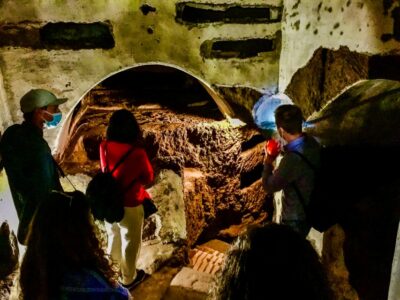
Rome’s underground tells a different story. This two-hour tour of the San Domitilla Catacombs takes you below the city walls, where burial chambers, early Christian art, and stories of religious change replace the usual Roman crowds. I like the small-group feel and the way guides such as Divan, Mike, Sean, and Peter turn a solemn site into a clear, engaging history lesson. The main drawback is practical: transfers are not included, and the tour requires strong English and comfortable walking shoes.
I also like the ticket arrangement. Your entrance is included, so you can focus on the guide rather than the ticket queue. At $56 per person, the price is fair if you value interpretation and a small group, but less tempting if you prefer to explore independently or want a longer visit underground.
Key points to know before you book
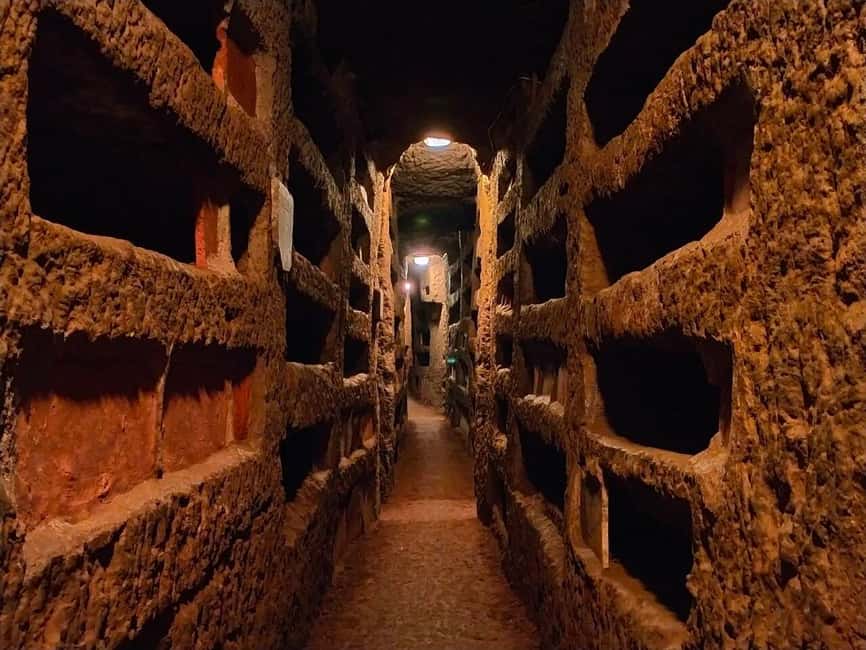
- San Domitilla is the main event: Explore part of Rome’s vast underground burial network, with tombs linked to Nereus and Achilleus.
- The guide shapes the experience: Divan, Mike, Sean, Peter, Heather, and others are praised for clear storytelling, humor, and patient answers.
- This is history with a useful timeline: The tour connects pagan Roman customs, early Christianity, persecution, burial rituals, and the rise of Christian Rome.
- Small groups make a difference: A group of seven was described as personal and easy to follow, though the exact group size can vary.
- Expect a cool, serious setting: Bring a jacket, wear sturdy shoes, and follow the no-photography rule inside.
- The Appian Way is not a second guided visit: You get free time there after the catacombs, while the tour begins and ends at Via delle Sette Chiese, 282.
Why Rome’s underground deserves two hours
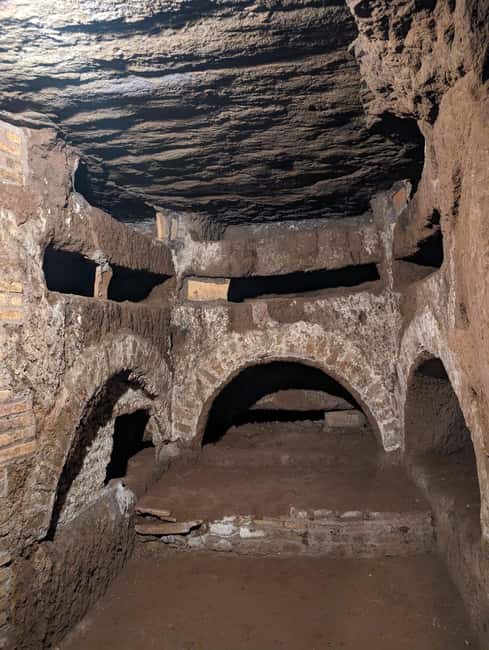
Rome is famous for its forums, fountains, churches, and imperial monuments. The catacombs show another side of the city: how ordinary people handled death, memory, faith, and family ties beneath the ground outside Rome’s ancient walls.
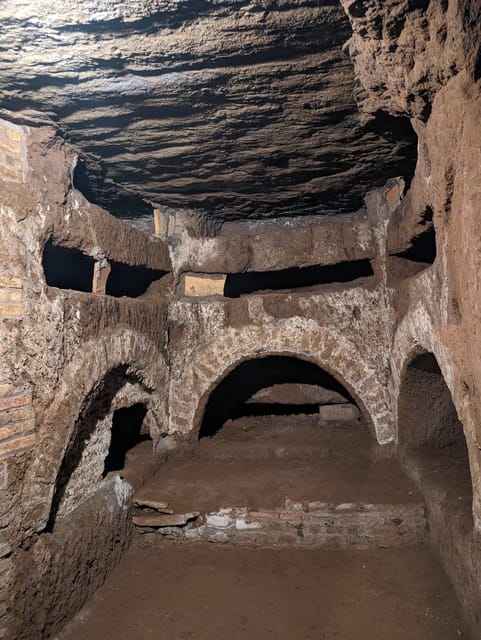
The San Domitilla Catacombs form part of a tunnel system stretching for more than 180 miles across Rome. You will not see all of it, of course. The guided route gives you a focused look at burial spaces and early Christian remains without turning the visit into a confusing maze.
I find the historical setting especially useful because the catacombs are not simply a place to see old graves. They help explain a major change in Roman life. The guide traces the movement from pagan religious customs to early Christianity, then explains how burial practices and beliefs changed along with the city.
That context matters. Without it, underground passageways can blur together. With a strong guide, the walls become evidence of how people lived, worshipped, buried relatives, and remembered the dead.
More Catacombs and Underground City Tours in Italy
- Rome: Capuchin Crypts and Catacombs Tour with Transfers
★ 4.6 · 6,456 reviews - The Original Roman Crypts and Catacombs Tour with Transfers
★ 4.5 · 4,896 reviews - Rome: Catacombs of St. Callixtus Entry Ticket & Guided Tour
★ 4.6 · 3,037 reviews
Meeting at Via delle Sette Chiese, 282
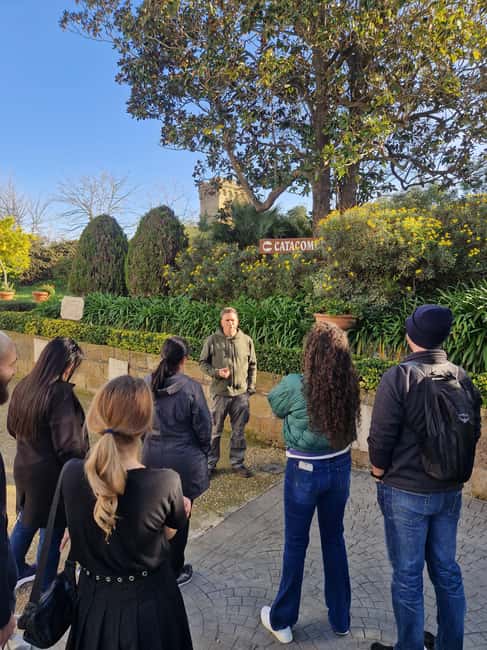
The meeting point is in a garden near picnic tables and a white gazebo or umbrellas. Look for the guide there rather than waiting at a formal ticket office. This detail is worth noting because the meeting area may feel more casual than the grand monuments you visit elsewhere in Rome.
The tour starts and finishes at Via delle Sette Chiese, 282. Transport is not included, so you need to arrange your own way to the meeting point and back. That is the biggest logistical issue attached to this experience. Check your route before booking, especially if your day is built around central Rome.
The free cancellation period is up to 24 hours before the tour, and you can reserve now and pay later. Those terms are useful if your schedule is still shifting, but the key practical matter remains the same: allow enough time to reach the meeting point.
Entering the San Domitilla Catacombs
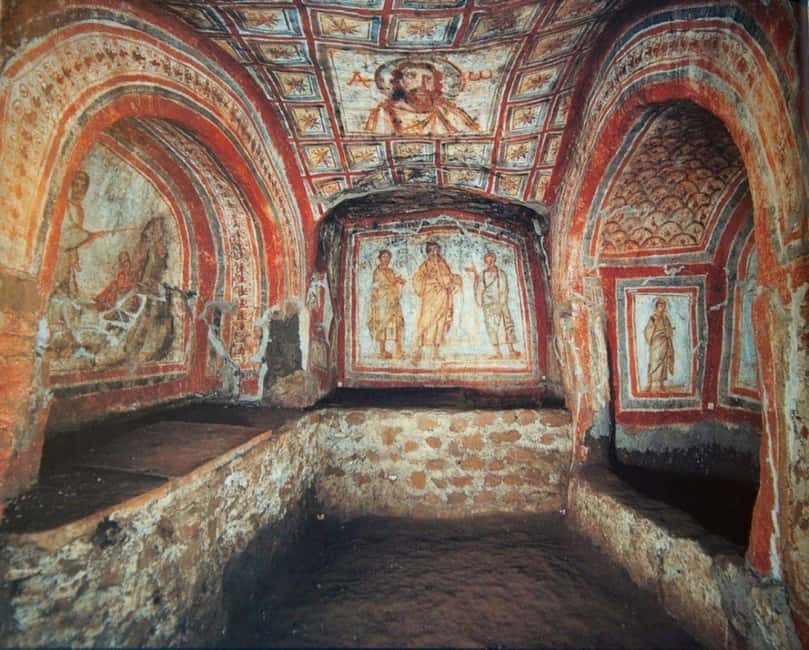
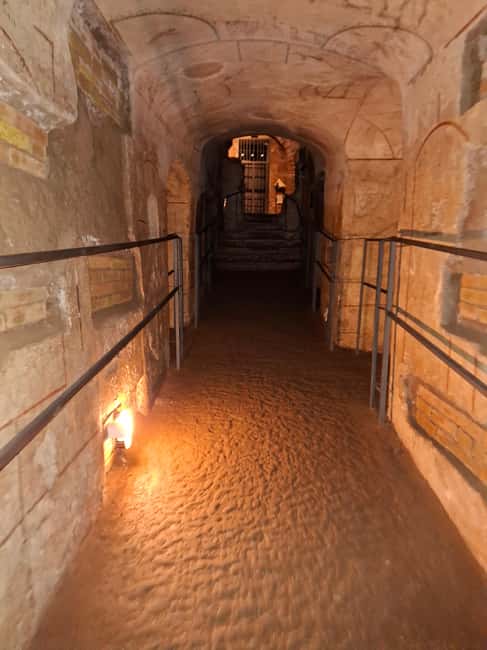
Once inside, you descend into the underground world of early Christian Rome. The setting is naturally atmospheric. It is quiet, enclosed, and separated from the traffic and monuments above ground.
You will follow the guide through part of the catacomb network and learn how the tunnels were used for burial. The emphasis is not on sensational stories. It is on burial rites, religious practice, Roman society, and the gradual change in belief that shaped the city.
The tombs of Nereus and Achilleus are among the key points of interest. Their names give the visit a human focus. You are not simply looking at anonymous spaces cut into the earth. You are being shown how particular figures and religious traditions fit into the larger story of Rome.
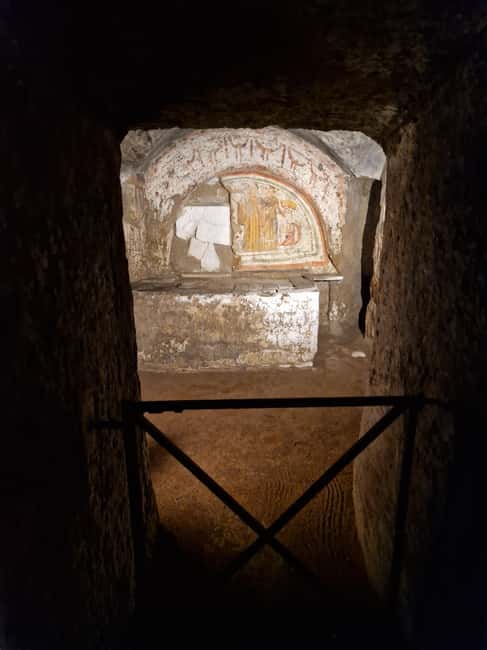
The catacombs also contain some of the earliest Christian artworks available to see in Rome. You cannot photograph inside, so pay attention while you are there. Bring a small notebook if you want to record details afterward, but do not expect to document the visit with your phone.
The interior may feel cool compared with the streets above, which is why a jacket is recommended. Comfortable shoes are also important. The tour takes place underground, and the surfaces may not feel as easy as a polished museum floor. The experience is not suitable for wheelchair users.
How the guides bring the tunnels to life
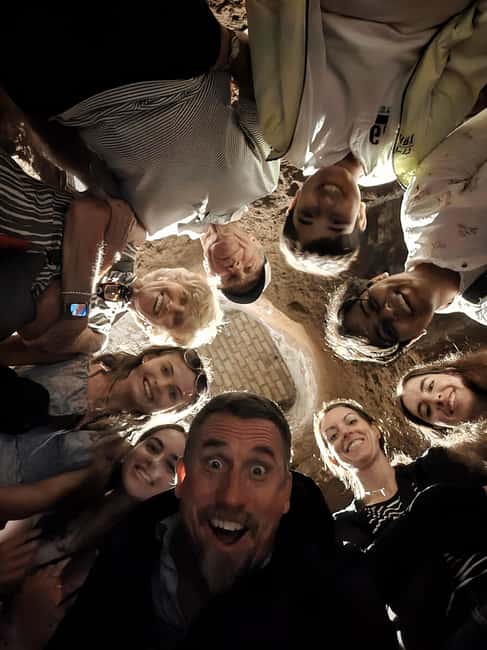
The strongest part of this tour is the guide’s ability to give the site a clear shape. Several guides receive repeated praise for combining facts with humor and a good sense of timing.
Divan is especially effective at making the history feel connected. He is described as enthusiastic, open to questions, and skilled at getting the whole group involved. His approach seems well suited to people who want more than a list of dates. He builds a picture of early Christian life and explains why the catacombs developed as they did.
Mike brings a lighter touch, including plenty of jokes, while still covering Roman traditions and burial customs. Sean is praised for storytelling that links the catacombs to Roman life and the construction of the city. Peter is known for making a large amount of information easy to follow, even for people who have already visited catacombs before.
Heather is singled out for her exceptional information and friendly manner. Other guides, including Ally, Alan, Jonathan, Andy, and others, are also praised for answering questions and keeping groups involved.
Guide quality can vary on any scheduled tour, so you cannot guarantee a particular person unless the operator confirms it. Still, the repeated pattern is clear: this experience depends heavily on the live guide, and the guide team has a strong record for clarity, humor, and enthusiasm.
You should also take the English requirement seriously. The subject includes religious terms, burial customs, and a long historical sequence. If you only understand basic spoken English, you may miss much of what makes the tour worthwhile.
More Catacombs and Underground City Tours in Rome
- Rome: Guided Roman Catacombs Tour with Transfers
★ 4.6 · 1,830 reviews - Rome: Catacombs Guided Tour with Transfer
★ 4.2 · 1,808 reviews - Rome EBike Tour: Appian Way, Catacombs & Roman Aqueducts
★ 5.0 · 1,766 reviews - Rome: Catacombs and Capuchin Crypt Guided Tour with Transfer
★ 4.6 · 1,606 reviews
The historical thread: from pagan Rome to Christian Rome
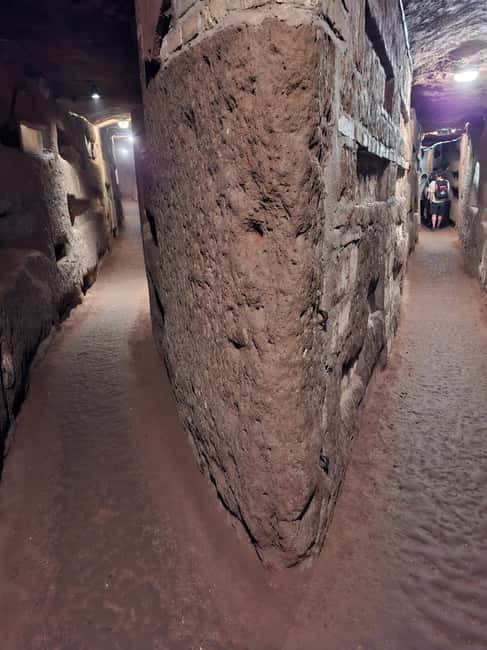
The tour’s central idea is the transition from pagan Rome to Roman-Christian Rome. That gives the visit more depth than a simple walk through underground chambers.
Your guide explains how people understood death and burial in different periods, then connects those practices to the growth of Christianity. You will hear about persecution, religious identity, burial rituals, and the social world around the catacombs.
This is also where the tour can help you make sense of Rome’s wider history. Above ground, the city’s monuments often present power, wealth, and public ceremony. Below ground, the catacombs reveal private grief, community belief, and the practical choices families made when laying people to rest.
The experience should appeal to you if you enjoy historical connections. It is less suited to someone who only wants dramatic underground scenery. The tunnels are the setting, but the story is the main attraction.
Nereus, Achilleus, and early Christian art
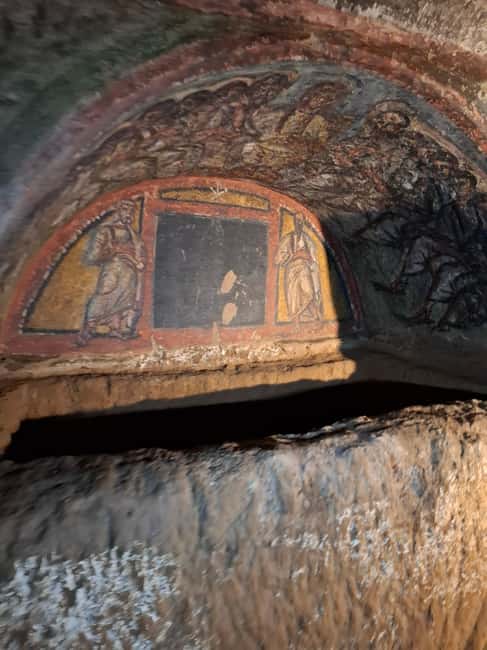
The tombs of Nereus and Achilleus are highlighted as important points along the route. Their presence helps anchor the tour in specific people and traditions rather than broad generalities.
The early Christian artwork is another major reason to visit. Rome has no shortage of famous paintings and sculptures, but these works belong to an earlier and more private stage of Christian expression. Seeing them underground gives the art a different force.
Because photography is not allowed inside, you need to rely on direct observation and the guide’s explanation. I see that as a minor inconvenience, but also a reason to stay present. The guide can point out details that you might otherwise pass quickly.
The atmosphere may feel creepy to some people, especially in the enclosed passageways. That is part of the appeal for many visitors, but it is worth considering if you dislike confined spaces or solemn sites. The tour is educational rather than theatrical, so expect serious subject matter with occasional humor from the guide.
Small-group attention at $56 per person
At $56 per person, this is not Rome’s cheapest activity. The price includes the catacombs ticket and an English-speaking guide, which removes two common sources of hassle. You are paying mainly for access, organization, and interpretation.
The value improves if you want a clear explanation of what you are seeing. A small group allows the guide to answer questions and keep people together underground. One group of seven found the experience especially personal, and that is the ideal scale for a site where it is easy to feel lost in a larger crowd.
The exact group size may vary, so do not assume every departure will have seven people. Still, the product is designed around small-group or private attention rather than a huge procession.
I would compare this price with the cost of a self-guided visit, if one is available for your date. If you already know a great deal about Roman burial practices and prefer silence, a guided tour may feel unnecessary. If you want the catacombs to make sense, the guide is where much of the value lies.
The two-hour length is sensible. It gives you enough time to understand the site without making an underground visit feel tiring or repetitive. One guide’s presentation was described as long enough for detail but short enough to hold attention, which is a useful way to think about the timing.
The Appian Way free time
After the catacomb visit, the schedule includes free time at the Appian Way. This gives you a chance to remain in the area or take in the historic road at your own pace.
Do not treat this as a second guided sightseeing tour. The catacombs receive the structured explanation, while the Appian Way portion is free time. The description does not include a transfer, so you should not expect a dedicated ride between central Rome and the meeting point.
This arrangement can work well if you want flexibility after the underground visit. You can pause, look around, and decide how much time to spend nearby. It can feel less satisfying if you expected a full guided tour of the Appian Way or planned to return directly to a central hotel.
Who will enjoy this tour most
I would recommend this experience to you if you:
- Want a quieter alternative to Rome’s busiest monuments
- Enjoy religious, social, and archaeological history
- Prefer a guide who explains the larger story
- Are comfortable walking underground and following a set route
- Can understand strong spoken English
- Like asking questions in a small group
- Want a two-hour activity that fits beside other Rome plans
Families can also find it suitable. One guide kept children involved, and another family brought a 15-month-old child who enjoyed the outing. Even so, parents should consider the underground setting, the no-photography rule, and the need for comfortable movement.
You may want to skip it if you use a wheelchair, dislike enclosed spaces, need a tour in another language, or want to spend the whole visit taking photographs. You should also avoid squeezing it into a schedule with no allowance for reaching the meeting point.
What to bring and how to prepare
Wear comfortable shoes and bring a jacket. Choose clothing suited to the weather above ground, since the journey begins outdoors and the temperature underground may feel different.
Arrive ready to meet in the garden near the picnic tables and white gazebo or umbrellas. Keep your phone away once inside unless the guide says otherwise, since photography is not allowed.
Most important, come prepared to listen. The tour covers a long period of Roman history, and the information is delivered in English. The better you follow the guide’s timeline, the more meaningful the burial chambers and artwork become.
Should you book the San Domitilla Catacombs tour?
Book it if you want to see a less familiar side of Rome and prefer a guide-led experience with history, burial customs, and early Christian art at its center. The included ticket, two-hour length, and small-group format make $56 reasonable for visitors who want the site explained rather than simply entered.
I would be especially inclined to book if you have already seen the Colosseum and Vatican Museums and want something quieter and more unusual. Several guides, especially Divan, Mike, Sean, Peter, and Heather, are praised for making difficult history clear and entertaining.
Skip it if transport to Via delle Sette Chiese, 282 is awkward, if you need wheelchair access, or if strong spoken English is a problem. For the right visitor, though, the catacombs offer a memorable look at the people and beliefs beneath Rome’s famous public face.
FAQ
Where does the catacombs tour meet?
The meeting point is at Via delle Sette Chiese, 282. Meet in the garden near the picnic tables and the white gazebo or umbrellas.
How long does the tour last?
The guided catacombs visit lasts two hours.
Is the entrance ticket included?
Yes. The skip-the-line ticket for the San Domitilla Catacombs is included.
Is transportation included?
No. Transfers are not included. You need to arrange your own transportation to and from the meeting point.
What language is the tour in?
The tour is conducted in English with a live English-speaking guide. A strong level of English is needed.
Can I take photographs inside?
No. Photography is not allowed inside the catacombs.
What should I bring?
Bring comfortable shoes, a jacket, and clothing suited to the weather.
Is the tour suitable for wheelchair users?
No. The experience is not suitable for wheelchair users.
More Skip-the-Line Tickets around Rome
- Skip the Line Chichen Itza Private Tour, Sacred Cenote & Lunch
★ 5.0 · 1,089 reviews - Cappadocia: Underground Cities Skip-the-Line Tour with Lunch
★ 4.6 · 142 reviews - Chichen Itza skip the line – Cenote – Izamal from Valladolid
★ 5.0 · 97 reviews
Just added around Rome
- Explore Christian Rome and the Underground of San Clemente★ 4.4 · 16 reviews
- Rome: Colosseum Underground and Arena Floor Tour★ 4.4 · 59 reviews
- Rome: Exclusive Colosseum Underground and Roman Forum Tour★ 4.8 · 569 reviews
- Catacombs of Saint Agnes Entry Ticket & Guided Tour★ 4.5 · 72 reviews
- From Rome: Capri Guided Day Trip with Blue Grotto★ 4.2 · 199 reviews
- Rome: Appian Way, Catacombs & Aqueducts by eBike + Transfer★ 4.9 · 421 reviews
- Hidden Gems & Rome Catacomb Semi Private Tour by golf cart★ 5.0 · 114 reviews
- Private Guided Tour of Colosseum Underground OR Arena and Forum★ 5.0 · 111 reviews
Catacombs & Underground City Tours, compared.
Catacombs of San Gennaro Entry Ticket & Guided Tour
Read our review →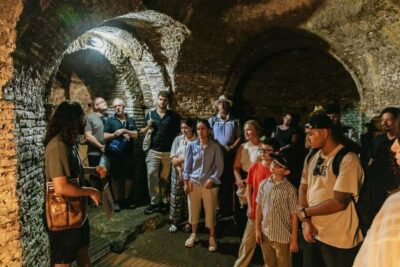
Capuchin Crypts and Catacombs Tour with Transfers
Read our review →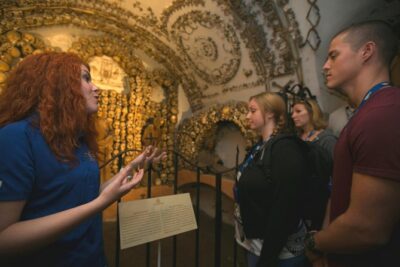
The Original Roman Crypts and Catacombs Tour with Transfers
Read our review →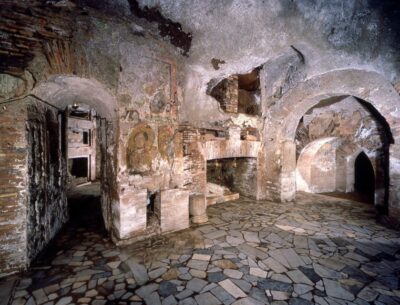
Catacombs of St. Callixtus Entry Ticket & Guided Tour
Read our review →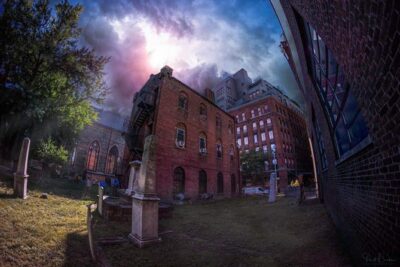

Full Day Cappadocia Tour( Red Tour + Underground City )
Read our review →