
Review · ROME CAVE TOURS
Rome: Immersive Underground and Piazzas Tour
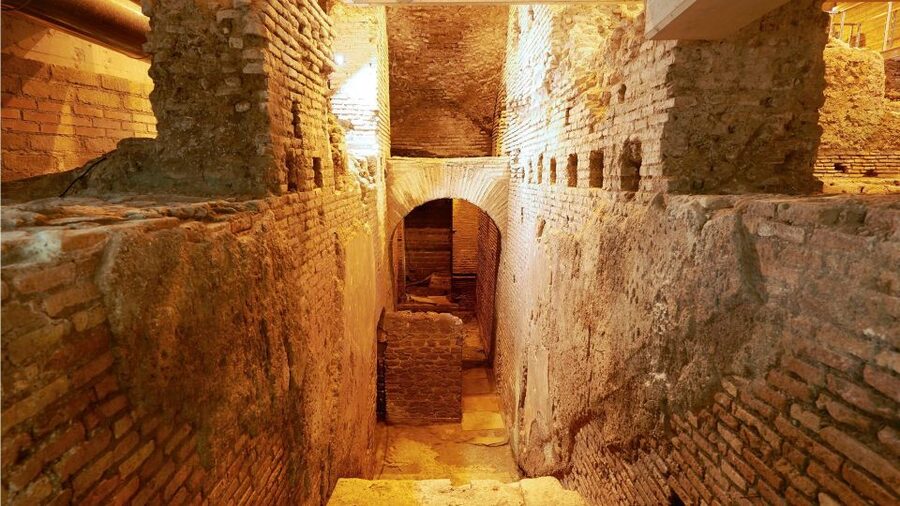
Rome has a second city beneath its streets. This three-hour walk connects Piazza Navona and the Stadium of Domitian with the Pantheon, Trevi Fountain, and the underground remains of Vicus Caprarius. I like the way it links famous sights with places many visitors would miss, and I especially like having an archaeologist-led explanation instead of simply looking at stones in the dark.
The strongest parts are the cool archaeological sites beneath Piazza Navona and Trevi, plus the personal attention inside the Pantheon. Guides such as Amanda, Francesca, Alex, Maria, and Caterina have earned especially warm praise for their clear storytelling, patience, and ability to answer questions. The main drawback is simple: this is not an underground-only tour. You spend a fair amount of time walking above ground through central Rome, and the meeting point can require close attention.
Key points at a glance
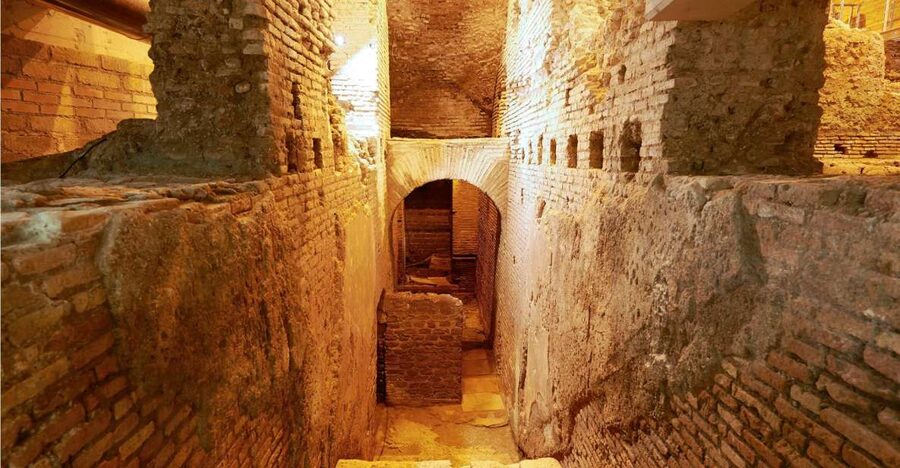
- Two different underground sites: See the Stadium of Domitian below Piazza Navona and the waterworks and Roman remains of Vicus Caprarius near Trevi Fountain.
- An archaeologist-led walk: Most guides have archaeological training, which adds useful context to Rome’s layers of construction.
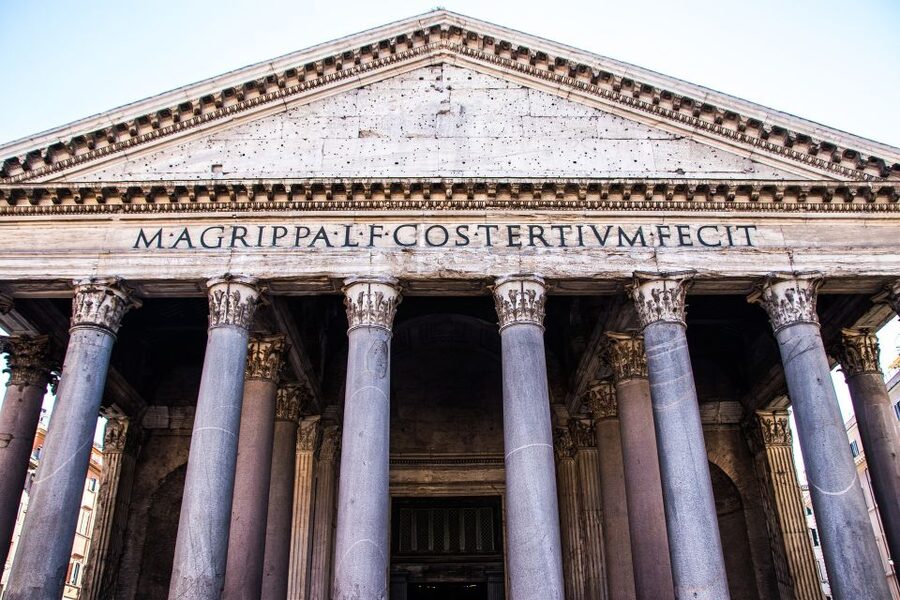
- A personal Pantheon visit: The guide explains the building while you are inside, rather than leaving you to wander without much context.
- A cool break in hot weather: The underground areas offer relief during Rome’s warmer months.
- A three-hour central route: The tour finishes at Trevi Fountain after connecting several major sights on foot.
- Dress and mobility matter: You need covered shoulders and knees for the Pantheon, and the tour is not suitable for wheelchair users.
Why this route gives you a better view of Rome
Rome can feel like a museum with no walls. A fountain sits over an ancient water system, a church occupies a Roman temple, and a grand square hides the remains of an athletic stadium. This tour makes those connections easier to see.
I like the route because it does not treat each sight as an isolated photo stop. Piazza Navona leads naturally to the Stadium of Domitian. The Pantheon then gives you a look at Rome’s monumental architecture above ground, while Vicus Caprarius shows how water and housing shaped the city below it.
The guides are a major part of the experience. Most have archaeological backgrounds, and that matters in places where the remains can be difficult to understand on their own. Several guides are praised for making the history feel lively without rushing through it. Amanda is often singled out for her humor and enthusiasm, while Francesca is praised for being both friendly and thorough. Alex combines archaeological training with personal memories of growing up locally, giving her explanations a particularly human touch.
This is best for you if you want a guided introduction to Rome’s layers rather than a quick checklist of landmarks. It also works well early in your visit, since the route helps you understand the city before you tackle larger sites such as the Colosseum or Roman Forum.
A few more cave trips around Rome worth a look
- Colosseum: Underground and Ancient Rome Tour
★ 4.7 · 12,691 reviews - Rome: Capuchin Crypts and Catacombs Tour with Transfers
★ 4.6 · 6,456 reviews - Expert Guided Tour of Colosseum Arena OR Underground, and Forum
★ 4.5 · 5,041 reviews
Piazza Navona and the Stadium of Domitian
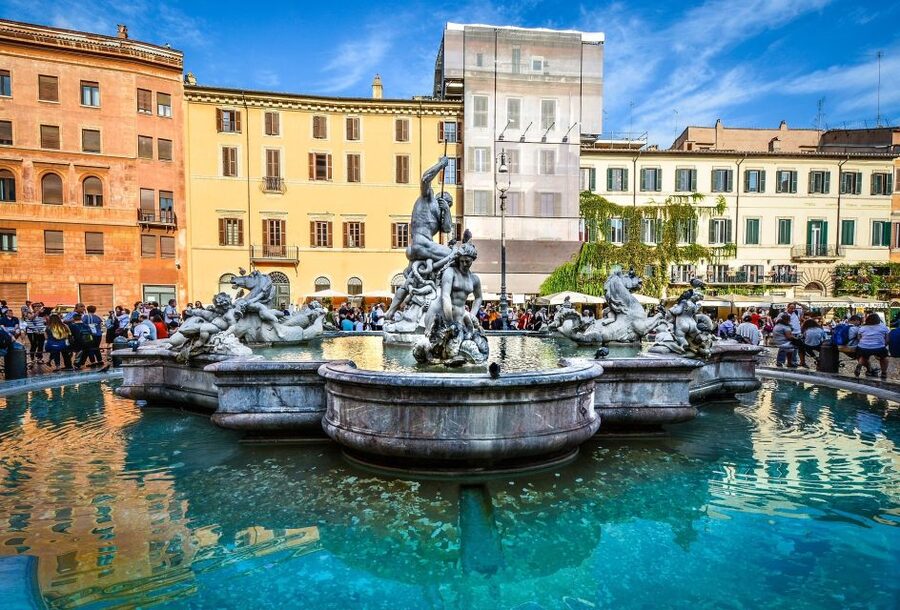
The tour begins at Piazza Navona, one of Rome’s most appealing public squares. Its long, oval shape reflects the stadium that once occupied this site. Today, the square is framed by elegant buildings, lively cafés, street activity, and three fountains.
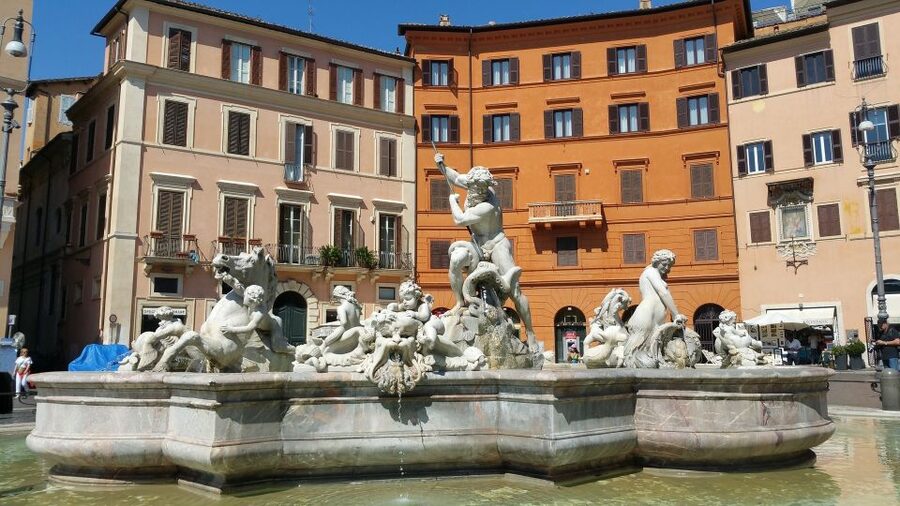
The central Fontana dei Quattro Fiumi is the star. Designed by Bernini and completed in 1651, it presents four river gods representing major rivers of the known world. The fountain gives you an immediate lesson in how Roman art, papal power, and public spectacle work together.
Your guide first helps you read the square above ground. That short orientation is important, since the underground visit makes far more sense once you understand that the piazza follows the footprint of an ancient stadium.
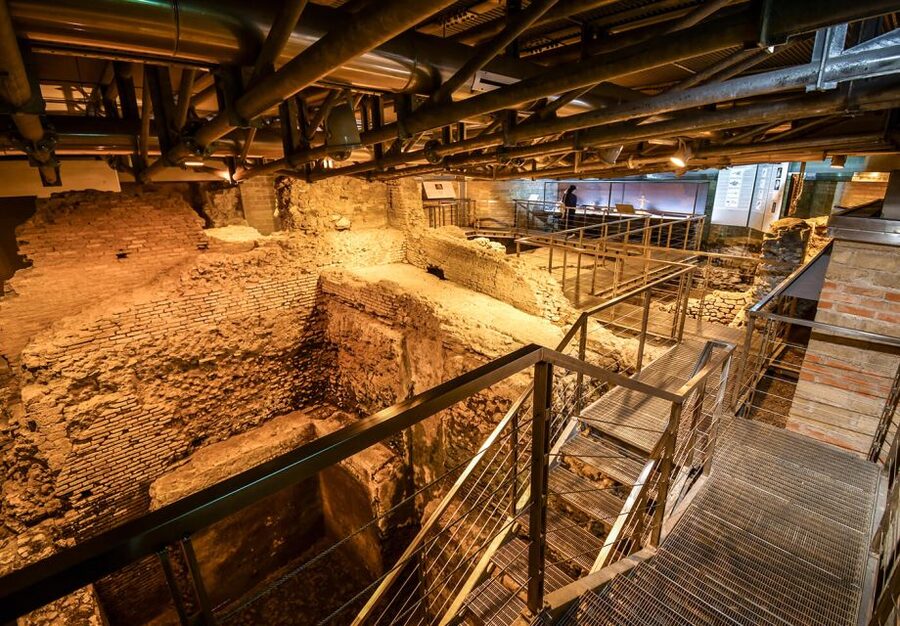
You then go below street level to the Stadium of Domitian. The stadium was built mainly for athletic contests. For a short period after fire damaged the Colosseum in 217 AD, it also hosted gladiator shows.
This is one of the tour’s best moments because the modern square suddenly becomes easier to picture. You are not looking at a complete ancient structure, but the surviving remains give you a sense of the stadium’s scale and purpose. Your guide fills in the missing pieces and explains how the city was built up over the old Roman ground.
Expect about 10 minutes of walking around the square and roughly 30 minutes at the archaeological site. The underground rooms are cooler than the streets, which makes this a welcome stop in summer. The tradeoff is that the remains require imagination. If you want enormous standing monuments, this will feel modest. If you enjoy reconstructing a place from fragments, it is rewarding.
The Pantheon, explained instead of merely entered
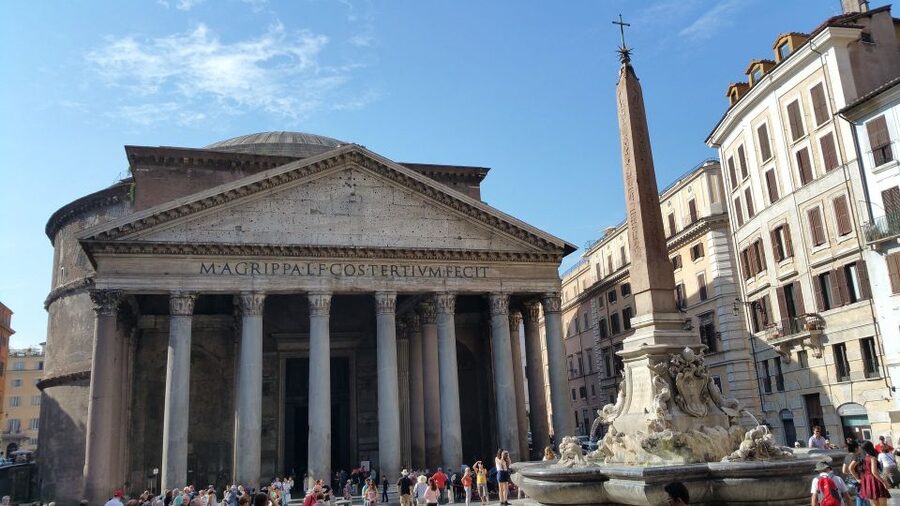
From Piazza Navona, the group continues on foot to the Pantheon. The walk is part of the experience, not dead time. You move through central Rome and see how ancient buildings, churches, shops, and busy streets occupy the same compact city.
The Pantheon visit lasts about 45 minutes, making it the longest stop on the route. That extra time is useful. This is a building that can appear simple from the outside, but its proportions and vast interior deserve an explanation.
The tour also brings in an old Roman legend. According to the story, Romulus, Rome’s founder, was carried into the sky by an eagle at the moment of his death and joined the gods. It is a small detail, but it helps show how Rome mixes formal history with stories passed down through the centuries.
The Pantheon is an active church, so you must dress properly. Your shoulders and knees need to be covered. Shorts, short skirts, and sleeveless shirts are not allowed, and this rule matters even on a hot day.
I like that the guide remains with you here and explains the building personally. Several people have valued this part of the tour because the Pantheon can otherwise become a quick look upward at the dome followed by a hurried exit. A strong guide points out what deserves your attention and gives you room to ask questions.
Access can change because religious services sometimes make the Pantheon unavailable. Restoration work connected with the Jubilee may also alter routes or access to some monuments. Check your messages before you go, especially if this visit is a priority.
Trevi Fountain and the coin tradition
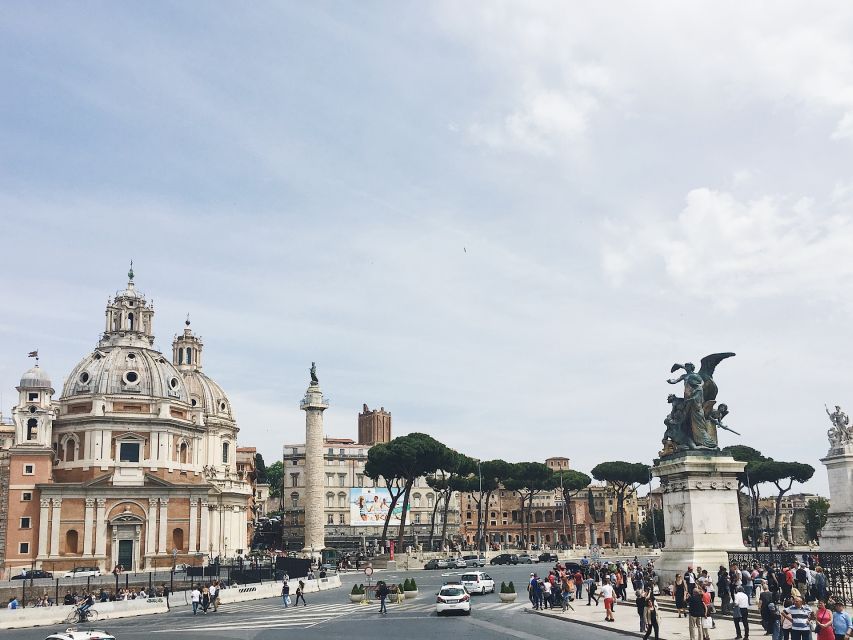
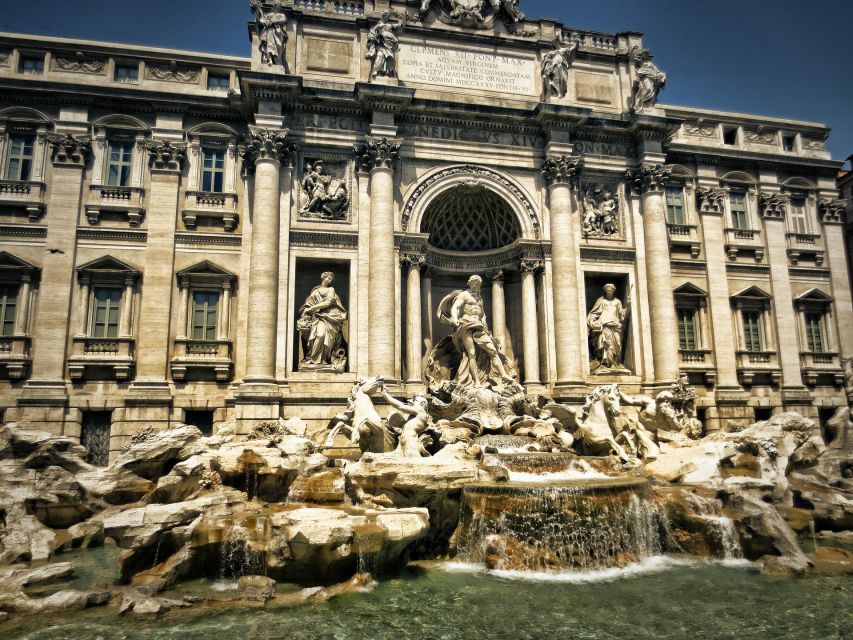
The route continues to the Trevi Fountain, where you have time for photographs and the familiar coin toss. The tradition says that throwing a coin into the fountain helps ensure your return to Rome.
The fountain itself is one of the city’s most theatrical spaces. It can be crowded, so the guide’s help is useful for keeping the group together and explaining what you are seeing without turning the stop into a long lecture.
The scheduled time here is about 20 minutes. That is enough for a quick look and pictures, but not enough for an extended visit or a relaxed break at a nearby café. If you want quiet photographs, you will need to return at another time.
The walk between sites is worth keeping in mind. One person specifically noted that the tour includes more above-ground walking than the title might suggest. Wear shoes that can handle Rome’s uneven streets and plan for a steady pace. A rest stop or toilet break may be arranged when needed, and this was appreciated during hot weather.
Same corner of the map, a different way in:
- The Original Roman Crypts and Catacombs Tour with Transfers
★ 4.5 · 4,896 reviews - Rome: Colosseum Underground Small Group Guided Tour
★ 4.7 · 4,844 reviews - Rome: St. Peter’s Basilica, Dome Climb, and Underground Tour
★ 4.8 · 3,404 reviews - Rome: Colosseum Underground, Arena & Forum Tour
★ 4.7 · 3,272 reviews
Vicus Caprarius, Rome’s City of Water

The final archaeological visit takes you below the streets near Trevi Fountain to Vicus Caprarius, also called the City of Water. This site is particularly effective because it shows several layers of Roman life in a compact underground setting.
You find remains of an imperial-era domus, or private house, along with the castellum aquae connected to the Aqua Virgo aqueduct. The castellum was part of the system that brought water into the city. That connection makes the visit especially useful after seeing Trevi Fountain, which depends on the same broader story of Roman water engineering.
The underground area forms an intricate series of ancient remains. You are not simply viewing a single ruin. You are looking at domestic life, infrastructure, and later construction occupying the same space.
The contrast between modern Rome above and ancient water systems below is the point. One visitor particularly enjoyed seeing an aqueduct in the basement of a department store, where present-day commercial life sits directly over Roman engineering. That image captures Rome better than a polished monument can: the old city is still under your feet.
Vicus Caprarius takes about 30 minutes. It is also one of the cooler stops, making it pleasant in summer. The rooms can be tight and uneven, so this is not a good choice for anyone who needs wheelchair access. Comfortable shoes are essential.
What the guides add to the experience
The strongest praise for this tour focuses on the guides, not just the sites. That is a good sign for an experience built around interpretation.
Amanda is repeatedly described as enthusiastic, funny, and generous with explanations. Francesca is praised for her warmth and archaeological understanding. Alex brings both formal training and local memories. Other guides, including Sabrina, Gloria, Caterina, Maria, Karolina, Giuliana, and Eleonora, are also described as patient and clear.
The pattern is consistent: guides answer questions, allow time for photographs, and adjust the pace when the group needs a break. That flexibility matters in Rome, where heat, crowds, and uneven pavement can wear you down.
Group size can vary. Some departures have been very small, even consisting of one private-feeling group. That can make the tour feel personal and gives you more chances to ask questions. On larger departures, hearing the guide may be harder in crowded streets. One practical suggestion is worth noting: a flag or another distinctive marker would make it easier to keep sight of the guide.
Headsets or a microphone can also matter. One person found the tour much easier to follow when the guide used a microphone and the group had headphones. If you are choosing between departure options, a quieter time may help. A 10 a.m. start was appreciated because several locations were less crowded early in the day.
Timing, walking, and practical comfort
The full experience lasts three hours. The listed route includes guided visits at Piazza Navona, the Stadium of Domitian, the Pantheon, Vicus Caprarius, and Trevi Fountain, with much of the route covered on foot.
You should expect regular walking rather than long periods of sitting. Comfortable shoes are specifically recommended, and I would treat that as essential. Rome’s central streets can be uneven, and the route includes underground areas where surfaces and stairs may not suit everyone.
This is not suitable for wheelchair users. The underground archaeological spaces are the main concern, though the overall route also includes walking between sites.
The clothing rule is easy to follow if you plan ahead. Wear trousers or a longer skirt and a shirt that covers your shoulders. You can dress for warm weather, but save sleeveless tops and short clothing for another day.
The tour is offered in English, Italian, and Spanish. Check the available start times when booking. Free cancellation is available until 24 hours before the tour, and you can reserve now and pay later, which is useful when your Rome schedule is still shifting.
Is the three-hour price worth it?
No price is provided here, so I cannot judge the exact cost. I can still judge the value of what you receive.
You are paying for more than entry to two underground sites. The real value comes from the guide’s interpretation, the connection between the sights, and the time saved figuring out how these places fit together. If you visited the sites alone, you could see the remains, but you might miss why a stadium lies below Piazza Navona or how the Aqua Virgo relates to the Trevi area.
The tour is especially good value if you want one compact introduction to several periods of Rome. It combines imperial architecture, Roman public entertainment, papal art, Christian use of ancient buildings, Roman legend, and water engineering.
It is less useful if you already have a strong background in Roman archaeology or want a long, detailed visit at just one site. You may find the 30-minute underground stops too brief for close study. Also, do not book it expecting three hours below ground. The route spends a substantial amount of time above street level.
Who should book this Rome underground tour?
I would choose this tour for a first or second visit to Rome, especially if you have already seen the city’s most famous exterior sights and want more context beneath them.
It suits:
- First-time visitors who want several central landmarks explained in one route
- History lovers interested in ancient infrastructure and daily life
- People visiting Rome during hot weather, since the underground stops offer a cool break
- Small groups and families with older children who can manage steady walking
- Anyone who prefers asking questions to listening to a recorded guide
I would think twice if you have limited mobility, dislike walking in crowded streets, or want a slow museum-style visit. The route keeps moving, even though guides make room for breaks and questions.
Should you book it?
Book this tour if you want Rome to make more sense, not just look beautiful. The combination of Piazza Navona, the Stadium of Domitian, the Pantheon, Trevi Fountain, and Vicus Caprarius gives you a strong three-hour lesson in how the city keeps building over itself.
Go with realistic expectations. Much of the experience is above ground, the underground rooms are archaeological remains rather than grand halls, and the Pantheon may be closed for religious functions. Wear proper clothing, bring good shoes, read the meeting-point instructions carefully, and check for any last-minute route changes.
For a guide-led look at Rome’s lesser-seen layers, this is a strong choice. The sites are interesting, but the guides are what turn the walk into something you are likely to remember.
FAQ
How long does the tour last?
The tour lasts three hours.
Where does the tour start?
There are two possible starting locations near the Fiumi Fountain and the National Academy of San Luca. The exact meeting point depends on the option booked, so check the booking details and any updates sent before the tour.
Where does the tour finish?
The tour finishes at Trevi Fountain.
Which languages are available?
The live tour guide service is available in English, Italian, and Spanish.
Does the tour visit underground sites?
Yes. You visit the underground remains of the Stadium of Domitian beneath Piazza Navona and the archaeological area of Vicus Caprarius near Trevi Fountain.
Is the Pantheon included?
Yes. The route includes a guided visit to the Pantheon, usually lasting about 45 minutes.
What should I wear?
You need comfortable shoes and clothing that covers your shoulders and knees. Shorts, short skirts, and sleeveless shirts are not allowed because the Pantheon is an active church.
Is the tour suitable for wheelchair users?
No. The tour is not suitable for wheelchair users.
Can I cancel or pay later?
You can cancel up to 24 hours before the tour for a full refund. You can also reserve now and pay later.
Just added around Rome
- St. Peter’s Basilica Full Guided Tour with Vatican Grottoes★ 4.6 · 286 reviews
- St. Peter’s Basilica and Vatican Grottoes Tour★ 4.9 · 120 reviews
- Rome: St Peter’s Basilica Express Tour & Grottoes★ 4.3 · 126 reviews
- Rome: Appian Way, Aqueducts, & Catacombs E-Bike Guided Tour★ 4.9 · 54 reviews
- Rome: Trevi Fountain Underground Small Group Tour★ 4.4 · 47 reviews
- Rome: Underground Trastevere Guided Walking Tour★ 4.8 · 87 reviews
- Rome: Tour of St. Clement’s Basilica Underground Temples★ 4.8 · 242 reviews
- Rome underground hidden temples, ruins, and secret basilicas★ 3.7 · 21 reviews
Rome Cave Tours, compared.
Colosseum: Underground and Ancient Rome Tour
Read our review →
Capuchin Crypts and Catacombs Tour with Transfers
Read our review →
Expert Guided Tour of Colosseum Arena OR Underground, and Forum
Read our review →
The Original Roman Crypts and Catacombs Tour with Transfers
Read our review →
Colosseum Underground Small Group Guided Tour
Read our review →
St. Peter’s Basilica, Dome Climb, and Underground Tour
Read our review →
Catacombs of St. Callixtus Entry Ticket & Guided Tour
Read our review →Browse the lists this cave appears in