
Review · ROME CAVE TOURS
Explore Christian Rome and the Underground of San Clemente
Rome keeps its oldest stories below street level. This three-hour walking tour links St. John Lateran, San Clemente, and Michelangelo’s Moses, giving you a close look at Christian Rome beyond the usual Colosseum and Vatican routes. I like the way it connects churches, archaeology, and imperial history instead of treating each stop as an isolated monument. I also like the small-group format and the chance to visit San Clemente’s unusual underground levels with a guide who can explain what you are seeing.
The main drawback is pace. You cover several churches on foot in three hours, so some stops are brief, especially Santi Quattro Coronati and San Pietro in Vincoli. The basilicas also require modest clothing, and the tour is not suitable for wheelchair users or people with mobility impairments.
What makes this tour worth your morning
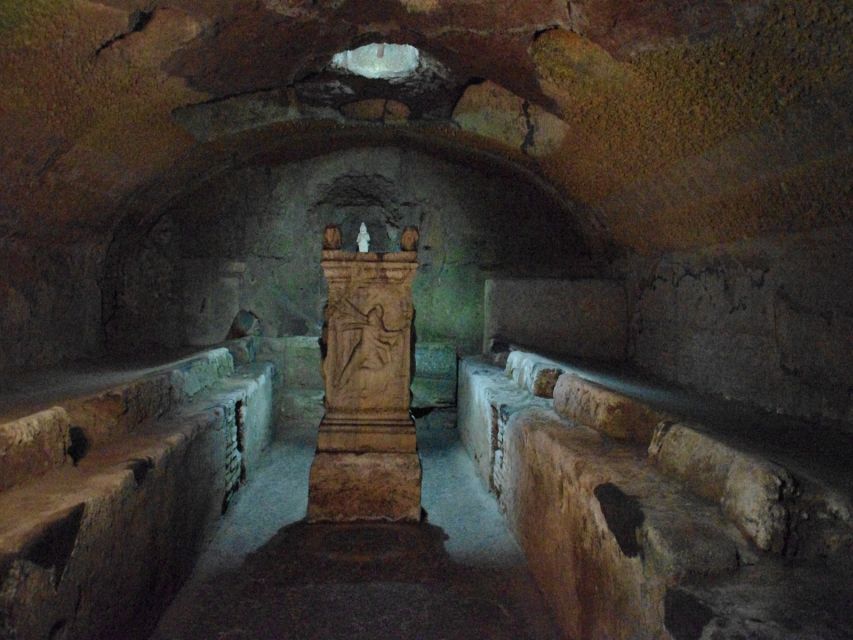
- San Clemente has three church levels: You move from the 12th-century basilica down through earlier Roman structures to a first-century Mithraic altar.
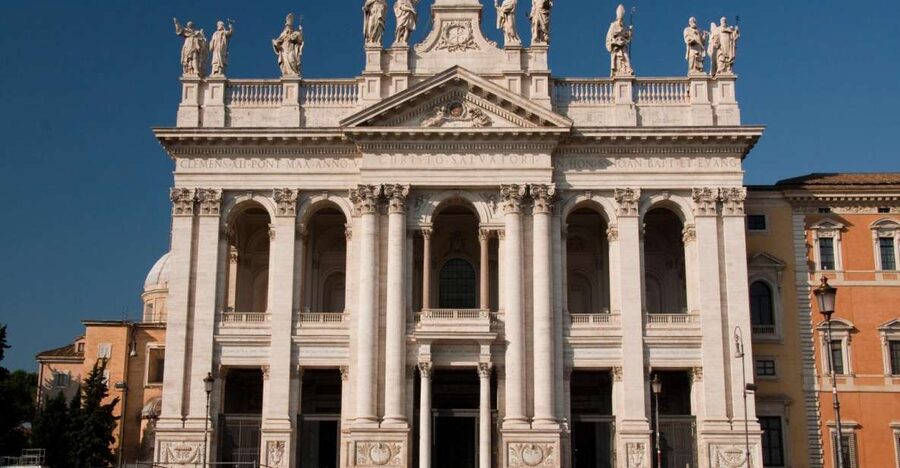
- St. John Lateran is Rome’s cathedral: This is the Bishop of Rome’s seat and the oldest of the four papal basilicas.
- The Four Crowned Saints church reveals a rare surprise: Its medieval frescoes include the Zodiac, the Four Seasons, the Liberal Arts, and King Solomon.
- Michelangelo’s Moses ends the route: San Pietro in Vincoli houses the famous statue created for Pope Julius II’s tomb.
- The route follows Constantine’s story: The churches help explain how imperial Rome and early Christianity became linked.
- You get an archaeology-minded guide: Past guides have included Roberto, Mohamed, and an archaeologist whose storytelling added useful historical context.
Why this route shows a different Rome
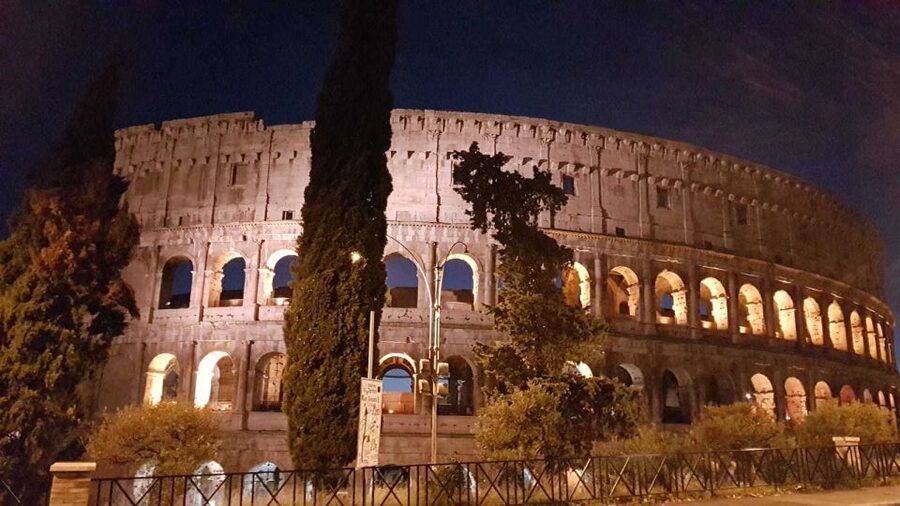
Most first visits to Rome focus on the ancient Forum, the Colosseum, the Trevi Fountain, and St. Peter’s Basilica. This walk takes you into a quieter, more layered part of the city. You still see major religious monuments, but the real subject is how Rome was rebuilt over itself.
That idea becomes especially clear at San Clemente. A church was not simply demolished and replaced. In several places, older rooms, streets, and religious spaces remained below the newer building. You can see how Rome’s Christian identity developed over centuries, often using the physical remains of earlier periods.
The route begins in the Lateran area at Laterano Caffè. Your guide waits in front of the coffee bar, so arrive ready to walk rather than expecting a coach or a hotel pickup. Pickup service is available in the city center inside the Aurelian Walls, but the listed meeting point is the café.
The activity lasts about three hours. That is long enough to give the churches some meaning, but not long enough for an unhurried study of every chapel or artwork. I would choose this tour when I wanted a focused morning or afternoon, not when I wanted to spend a full day inside religious monuments.
A few more cave trips around Rome worth a look
- Colosseum: Underground and Ancient Rome Tour
★ 4.7 · 12,691 reviews - Rome: Capuchin Crypts and Catacombs Tour with Transfers
★ 4.6 · 6,456 reviews - Expert Guided Tour of Colosseum Arena OR Underground, and Forum
★ 4.5 · 5,041 reviews
St. John Lateran, the church of Rome
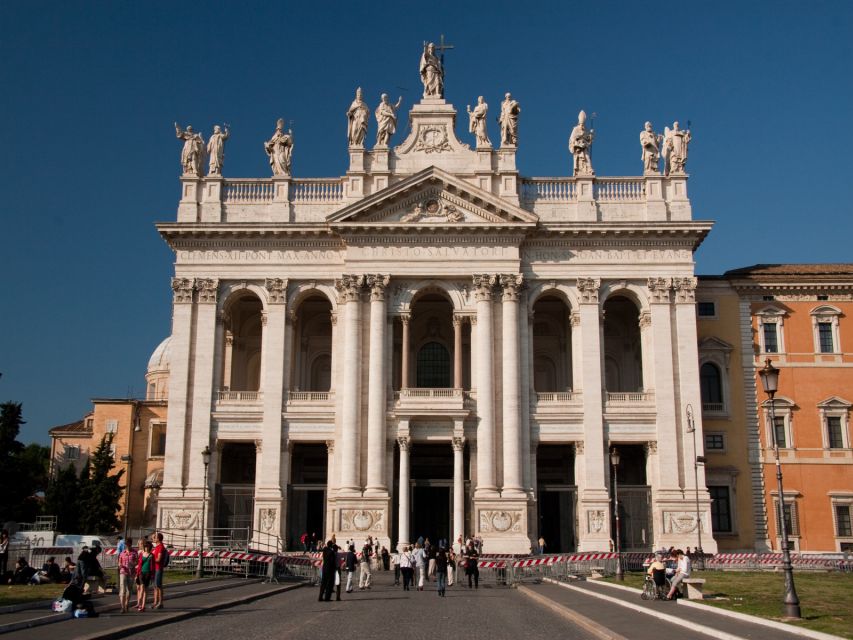
The first major stop is the Basilica of San Giovanni in Laterano, usually called St. John Lateran. It is the oldest of Rome’s four papal basilicas and is considered the mother church of all churches. More importantly for understanding Rome, it is the cathedral of the city, where the Bishop of Rome has his seat.
That distinction matters. Many people assume St. Peter’s is Rome’s cathedral because it is the city’s most famous church. It is not. St. John Lateran holds that role, and this tour gives you the chance to place Rome’s religious story in the right setting.
The Lateran area also introduces the political background of the papacy. The name comes from the Lateran family, who owned the territory where the popes lived before their move to Avignon and later return to Rome and the Vatican area. A guide can make this shift easier to follow because the story involves geography, power, and changing papal homes.
You have about 30 minutes here, including a guided visit and time for photographs. That is a useful introduction, though short if you want to examine every detail. I would pay attention to the building’s role and history first, then take a few photographs. Trying to record every decorative feature will make the next stops feel rushed.
San Clemente and Rome below the pavement
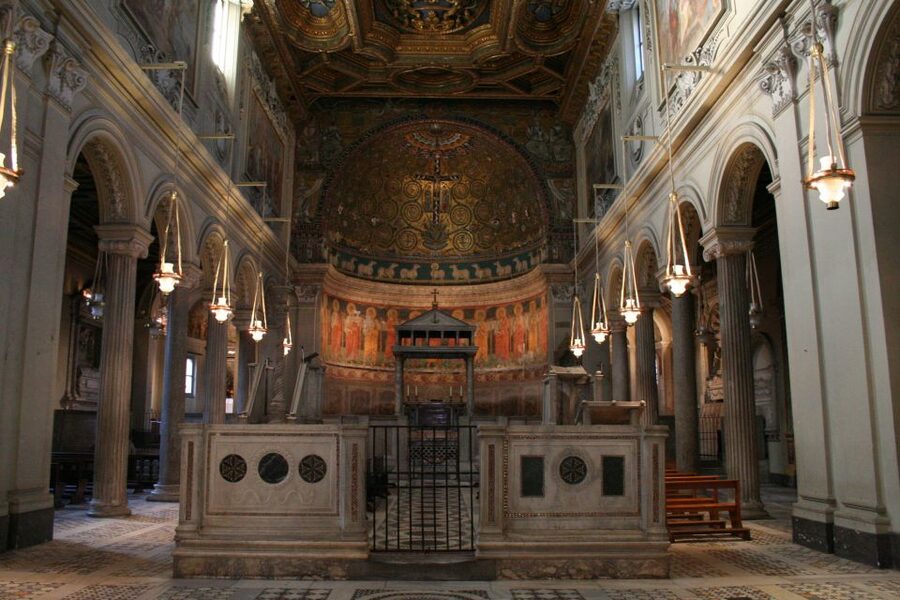
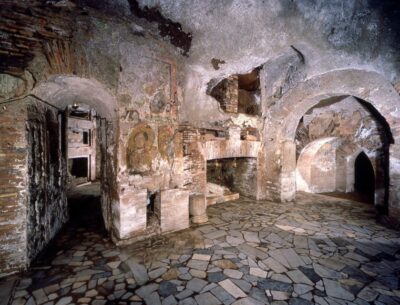
San Clemente is the heart of the tour. The visit lasts about an hour and a half, much longer than any other stop, and that is the right balance. The basilica is famous because it was built on three levels, representing changes from the first century through the 12th century.
At street level, you see the present basilica. Then the tour takes you underground, where the structure becomes an archaeological lesson. The lower levels help show how Rome changed from the ancient period into the Christian era. Instead of reading about layers of history in a book, you walk through spaces that were physically covered and reused.
One of the most unusual features is the first-century altar of Mithras. Mithraism was a Roman religious cult, and the surviving altar gives you a glimpse of belief in Rome before Christianity became dominant. The point is not simply that an older shrine exists below a church. It is that the new Christian building occupies a city already filled with religious traditions, homes, streets, and public spaces.
San Clemente can be confusing without guidance. Stairs, changing levels, and dark underground areas do not always explain themselves. A professional guide helps connect the rooms to their period and purpose. One guide on this experience was an archaeologist, and that background is particularly useful here. The best part of the visit is not only seeing the underground rooms, but understanding why they are there.
The underground sections may not suit anyone who dislikes stairs, uneven walking, or enclosed spaces. Large bags are not permitted, and comfortable shoes are important. Bring a camera if you like, but remember that the atmosphere is low-lit and the priority is seeing the site rather than photographing every corner.
Santi Quattro Coronati and the Constantine connection
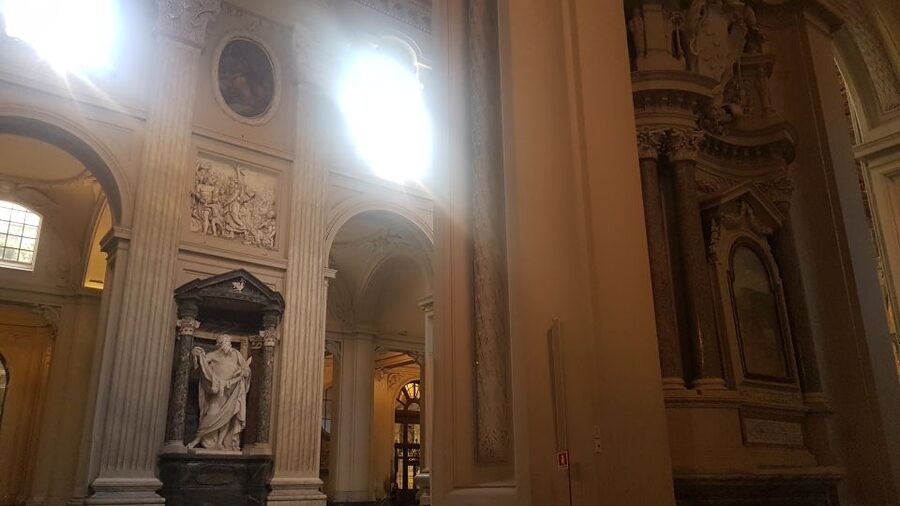
The next stop is the Church of the Four Crowned Saints, or Santi Quattro Coronati. The church is dedicated to four anonymous saints and martyrs. That alone makes it different from the grand basilicas with better-known names and formal public profiles.
The tour connects this church with the story of Emperor Constantine. That is a useful link because Constantine’s reign changed the position of Christianity within the Roman Empire. You are not only looking at an old church. You are following the wider change from a persecuted faith to one closely tied to imperial authority.
The visit lasts about 15 minutes, so expect a concise explanation rather than a long examination of the building. The special feature here is a series of frescoes discovered in 2002. The scenes include the Zodiac, the Four Seasons, the Liberal Arts, and King Solomon.
Those subjects are worth noting because they show how Christian decoration could include ideas drawn from education, nature, astronomy, and biblical wisdom. I would listen carefully to the guide’s explanation, since a quick look at the paintings alone may not reveal why the subjects were grouped together.
This is also a good example of the tour’s main strength: it takes you to places that are easy to miss if you only follow Rome’s most famous sights. The stop is brief, but it adds a different layer to the route and breaks up the larger basilica visits.
Same corner of the map, a different way in:
- The Original Roman Crypts and Catacombs Tour with Transfers
★ 4.5 · 4,896 reviews - Rome: Colosseum Underground Small Group Guided Tour
★ 4.7 · 4,844 reviews - Rome: St. Peter’s Basilica, Dome Climb, and Underground Tour
★ 4.8 · 3,404 reviews - Rome: Colosseum Underground, Arena & Forum Tour
★ 4.7 · 3,272 reviews
San Pietro in Vincoli and Michelangelo’s Moses
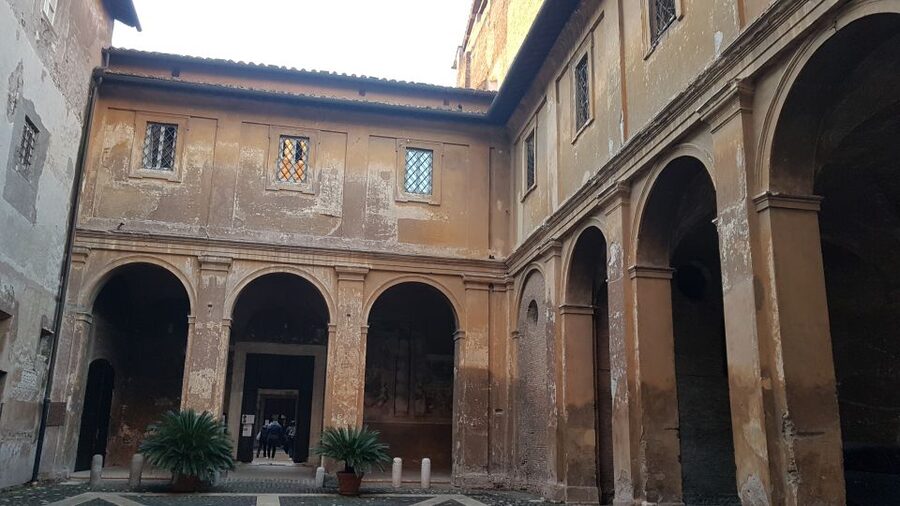
The final stop is Basilica di San Pietro in Vincoli, or St. Peter’s in Chains. The name comes from the chains traditionally associated with St. Peter. According to tradition, Helena, the mother of Constantine, brought the chains to Rome. They were later joined to another chain connected with St. Peter, with the union treated as a miracle.
The basilica is best known today for Michelangelo’s Moses, created for the tomb of Pope Julius II. The statue is often described as Michelangelo’s most important work, and the tour gives you time to see it in its original church setting rather than as an isolated image in a museum.
You have about 15 minutes here. That is enough to see Moses and hear the main story, but not enough for a detailed study of the entire church. The statue deserves a few quiet moments. Look at the pose, the beard, and the force of the figure, then step back to see how it fits into the tomb design.
This final stop is a smart ending because it gives the tour a strong visual finish. San Clemente rewards curiosity and patience, while Moses offers an immediate artistic focus. If you are mainly interested in Michelangelo, you may wish the tour spent longer here. If you want a route about Christian Rome as a whole, the short visit keeps the morning moving.
Guide quality and the small-group advantage
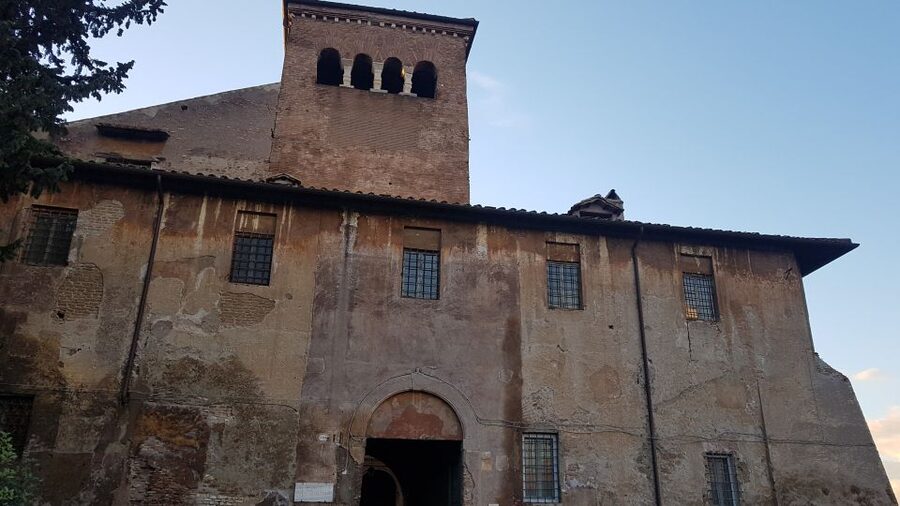
The guide is important on this tour because many of the sites need explanation. A quick look at a church interior will not tell you why St. John Lateran is Rome’s cathedral, how San Clemente developed across three levels, or why the Constantine story matters at Santi Quattro Coronati.
The experience is offered in English, Spanish, or French. Past guides have included Roberto and Mohamed. Roberto was praised for his extensive command of the subjects and for letting the history carry the tour without adding unnecessary personal commentary. Mohamed was also praised for his enthusiasm and storytelling. Another guide was an archaeologist, which is an especially good match for San Clemente.
The small-group setup should make questions easier than on a large coach tour. Still, the supplied details do not state the exact maximum group size, so I would not assume it is a private or nearly private experience. The guide’s approach may vary by language and departure.
This is a tour where a strong guide can turn a short stop into a useful one. If your guide has an archaeology background, ask about the transition from Roman religious practice to Christianity at San Clemente. At St. John Lateran, ask about the papal move to Avignon and the later return to Rome. Those questions fit the route and can add context without slowing the group too much.
Price, pace, and practical value
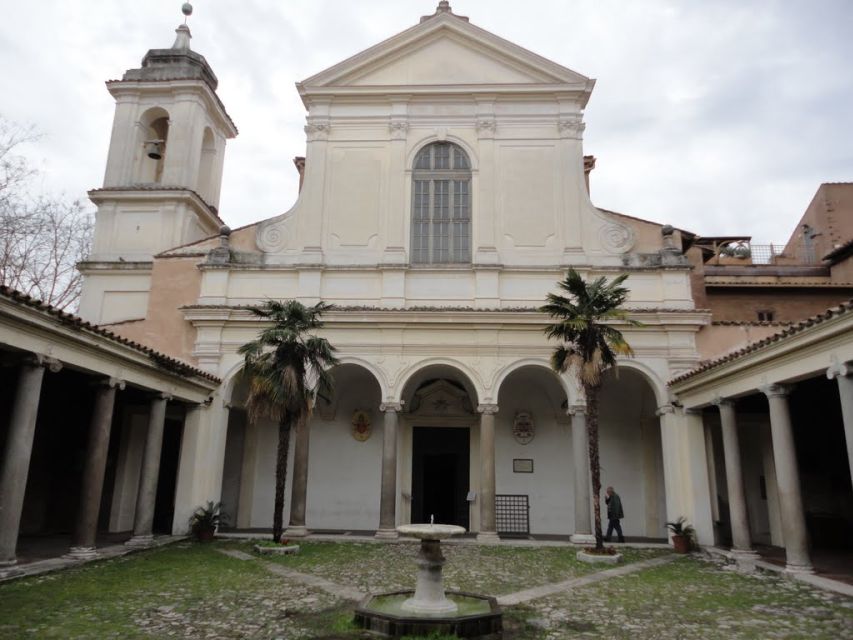
The listed price is $167.66 per person. That is a serious price for three hours, so you should decide what you are paying for. The cost includes a professional guide, entrance to San Clemente, the visit to St. John Lateran, and the guided visit to Michelangelo’s Moses at San Pietro in Vincoli. It also includes skip-the-line access, according to the activity details.
The value is strongest if you want interpretation. San Clemente’s underground levels are the main reason to book, since the visit is much easier to understand with someone explaining the archaeology. You are also fitting four significant religious sites into one organized route without having to work out the order or background yourself.
The value is weaker if you prefer to move slowly, read every panel, or spend a long time with Michelangelo’s statue. You can see the major highlights, but the itinerary is tightly packed. I would compare the price with the cost of arranging separate visits and hiring a guide, then ask whether the convenience and historical explanation are worth it for your schedule.
Free cancellation is available up to 24 hours in advance in the booking information, while another note refers to a 72-hour cancellation condition. Because those details conflict, check the terms shown for your exact departure before paying. The reserve-now, pay-later option is useful if your plans are still moving.
Clothing, walking, and timing advice
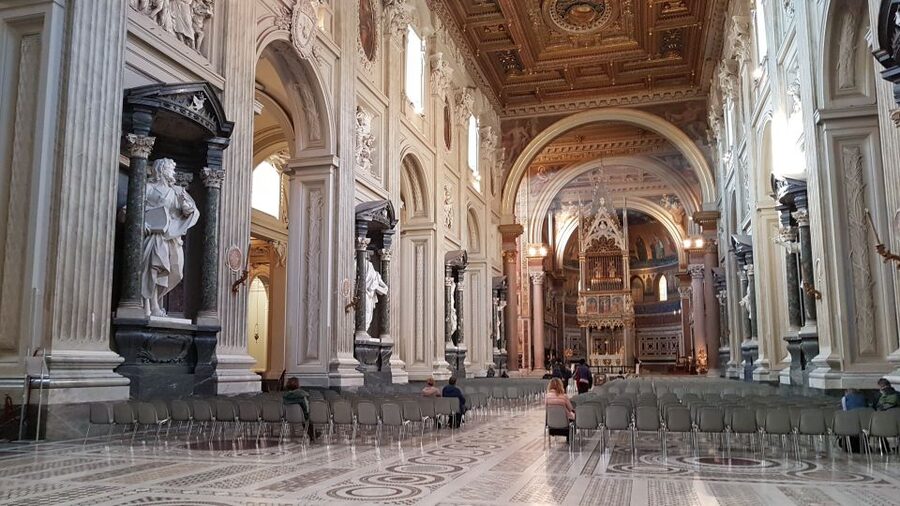
Dress for church entry. Shorts, miniskirts, and uncovered shoulders are not allowed in the basilicas. This applies to everyone in your party, and it is better to dress appropriately from the start than to lose time trying to adjust clothing between stops.
Wear comfortable shoes. The route includes walking between churches, stairs at the underground site, and older surfaces that may not feel as easy as a modern pavement. San Clemente is not suitable for people with mobility impairments or wheelchair users.
Large bags and luggage are not allowed. Bring only what you need, such as a small personal bag, sunglasses, and a camera. The tour operates in rain or shine, so check the forecast and carry suitable protection if wet weather is likely.
The starting point is Laterano Caffè, and the tour finishes at San Pietro in Vincoli. The supplied meeting information also says the activity ends back at the meeting point, so confirm the exact return arrangement when you book. The key practical point is to allow enough time to reach the Lateran area and arrive ready to begin on foot.
Who should book this Christian Rome tour?
I would recommend it to you if you have already seen the headline sights and want a more specialized look at Rome. It is also a good choice if you enjoy archaeology, church art, early Christianity, or the way different historical periods occupy the same space.
You will get the most from it if you listen closely and ask questions. San Clemente, in particular, rewards a guide-led visit. The tour also suits anyone who wants a structured route through several churches rather than spending half a day deciding what to see next.
I would be cautious if your main goal is a relaxed art visit. The route has a firm schedule, two stops last only about 15 minutes, and the underground sections may be physically demanding. It is also not a good fit if you cannot meet the clothing rules or if you need step-free access.
Should you book it?
Book this tour if San Clemente’s underground levels are high on your Rome list and you want the Christian story explained along the way. The combination of three church levels, the Mithraic altar, Constantine’s connection, medieval frescoes, and Michelangelo’s Moses gives you a varied three hours.
Skip it if you want free time, a slower art-focused visit, or a route built around wheelchair access. At $167.66, it is not a casual add-on, but it can be good value for a history-minded visitor who wants expert context and several important churches handled in one morning.
FAQ
How long does the Christian Rome tour last?
The tour lasts three hours. Starting times vary, so check availability for the date you want.
Where does the tour begin?
The meeting point is Laterano Caffè in the Lateran area. The guide waits in front of the coffee bar.
Which churches are visited?
The route includes the Basilica of San Giovanni in Laterano, Basilica di San Clemente al Laterano, Santi Quattro Coronati, and Basilica di San Pietro in Vincoli.
Is entry to San Clemente included?
Yes. The entrance ticket to San Clemente is included, along with a professional guide and visits to the other listed basilicas.
What languages are available?
The tour is offered in English, Spanish, and French.
What should I wear and bring?
Wear comfortable shoes and clothing that covers your shoulders. Shorts and miniskirts are not allowed. Sunglasses and a camera are suggested, while luggage and large bags are not permitted.
Just added around Rome
- Rome: Colosseum Underground and Arena Floor Tour★ 4.4 · 59 reviews
- Rome: Exclusive Colosseum Underground and Roman Forum Tour★ 4.8 · 569 reviews
- Catacombs of Saint Agnes Entry Ticket & Guided Tour★ 4.5 · 72 reviews
- From Rome: Capri Guided Day Trip with Blue Grotto★ 4.2 · 199 reviews
- Rome: Appian Way, Catacombs & Aqueducts by eBike + Transfer★ 4.9 · 421 reviews
- Private Guided Tour of Colosseum Underground OR Arena and Forum★ 5.0 · 111 reviews
- Private Tour of Catacombs and Ancient Appian Way (hotel pick up)★ 4.5 · 120 reviews
- Hidden Gems & Rome Catacomb Semi Private Tour by golf cart★ 5.0 · 114 reviews
Rome Cave Tours, compared.
Colosseum: Underground and Ancient Rome Tour
Read our review →
Capuchin Crypts and Catacombs Tour with Transfers
Read our review →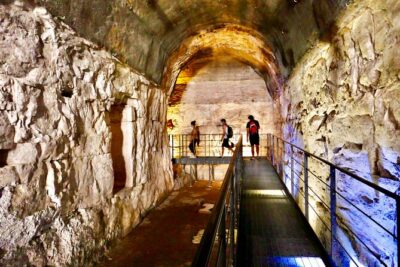
Expert Guided Tour of Colosseum Arena OR Underground, and Forum
Read our review →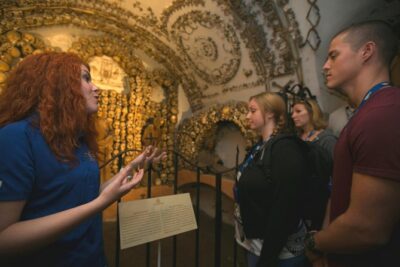
The Original Roman Crypts and Catacombs Tour with Transfers
Read our review →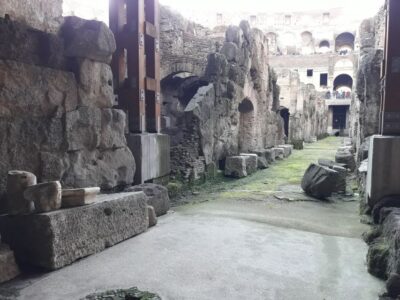
Colosseum Underground Small Group Guided Tour
Read our review →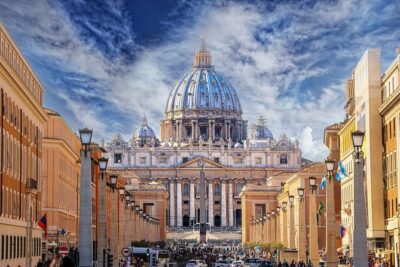
St. Peter’s Basilica, Dome Climb, and Underground Tour
Read our review →
Catacombs of St. Callixtus Entry Ticket & Guided Tour
Read our review →Browse the lists this cave appears in